Trauma has a profound impact on both the mind and body, and its effects can linger long after the initial event. Trauma gets stuck in the cells of the body, creating a cycle of pain and dysfunction. However, understanding the role of the vagus nerve can be a powerful tool in healing body memories and overcoming the lasting effects of trauma. This blog will explore the connection between the vagus nerve, trauma, and body memories, and provide techniques for self-healing and releasing trapped emotions. If you or someone you know has experienced trauma and is seeking healing, keep reading to discover the powerful connection of the vagus nerve.
What is the Vagus Nerve and its role in the body?
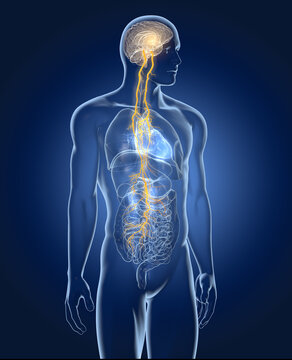
The vagus nerve is a key player in the body’s autonomic nervous system, responsible for regulating various bodily functions. It is the longest cranial nerve, originating in the brain and extending down to the abdomen. This nerve plays a crucial role in our overall well-being, as it controls processes such as heart rate, digestion, and breathing.
One of the most fascinating aspects of the vagus nerve is its bidirectional communication with the brain. It not only relays information from the brain to the body but also sends signals from the body back to the brain. This means that the vagus nerve plays a critical role in the mind-body connection, allowing the brain and body to communicate and influence each other.
In terms of trauma and body memories, the vagus nerve has a significant impact. When trauma occurs, the body’s stress response system is activated, leading to a cascade of physiological reactions. The vagus nerve is involved in suppressing this stress response and restoring equilibrium in the body. However, in cases of chronic trauma or unresolved issues, the vagus nerve can become dysregulated, leading to a range of physical and emotional symptoms.
Understanding the role of the vagus nerve in trauma is essential because it offers a pathway to healing these body memories. By working to restore balance and regulation to the vagus nerve, we can reduce the impact of trauma on the body and facilitate the release of trapped emotions.
In the next section, we will delve deeper into the specific ways in which the vagus nerve impacts trauma and how we can harness its power for healing. Stay tuned for practical techniques and strategies that can help you activate and restore the vagus nerve, allowing for profound healing and a renewed sense of well-being.
The connection between the Vagus Nerve and body memories
As we explored in the previous section, the vagus nerve plays a crucial role in trauma and the formation of body memories. But how exactly does this connection work, and why is it so powerful?
When traumatic events occur, the body goes into survival mode, activating the sympathetic nervous system and triggering the famous “fight-or-flight” response. This response leads to a release of stress hormones, increased heart rate, and heightened alertness – all necessary for dealing with immediate danger.
However, in cases where trauma is chronic or unresolved, the stress response becomes dysregulated, and the body remains in a heightened state of arousal. The vagus nerve, with its bidirectional communication with the brain, is responsible for modulating and regulating this stress response.
In particular, the vagus nerve is involved in activating the parasympathetic nervous system, which is responsible for the body’s relaxation response. This activation, also known as the “rest-and-digest” or “calm-and-connect” response, helps the body return to a state of equilibrium.
When the vagus nerve is functioning properly, it can enable the body to process and release trauma effectively. However, when the vagus nerve is dysregulated or impaired, it can result in the accumulation of body memories – those physical sensations and emotions that become trapped and stored in our tissues.
By understanding the connection between the vagus nerve and body memories, we can begin to explore techniques and strategies to activate and restore the vagus nerve’s proper functioning. In the next section, we will explore practical approaches that can help us harness the power of the vagus nerve for healing body memories. Stay tuned to discover how you can enhance your well-being and facilitate the release of trapped emotions through vagus nerve activation.
Understanding the impact of trauma on the Vagus Nerve
In order to fully grasp the impact of trauma on the vagus nerve, it is important to understand the intricate interplay between the two. Traumatic experiences can disrupt the natural functioning of the vagus nerve, leading to a dysregulated stress response and the formation of body memories.
When trauma occurs, the body’s sympathetic nervous system kicks into high gear, preparing us for fight or flight. This response is essential for immediate survival. However, when trauma persists or remains unresolved, the stress response becomes chronic and the vagus nerve struggles to regain balance.
Research has shown that trauma can impair the vagus nerve’s ability to activate the parasympathetic nervous system, which is responsible for the body’s relaxation response. This dysregulation prevents the body from returning to a state of equilibrium, resulting in the accumulation of body memories.
Understanding the impact of trauma on the vagus nerve is crucial for developing effective strategies to restore its proper functioning. In the upcoming section, we will explore various techniques and approaches that can activate and heal the vagus nerve. By harnessing the power of this incredible connection, we can facilitate the release of trapped emotions and enhance our overall well-being. Stay tuned for practical tips on how to engage in vagus nerve activation for healing body memories.
Techniques to harness the power of the Vagus Nerve for healing
Now that we have a deeper understanding of the impact of trauma on the vagus nerve, let’s explore techniques and approaches that can activate and heal this vital connection. By engaging in these practices, we can effectively release trapped emotions and facilitate the healing of body memories.
1. Deep Breathing: Deep breathing exercises, such as diaphragmatic breathing, can stimulate the vagus nerve and activate the body’s relaxation response. By taking slow, deep breaths and focusing on the exhale, we can promote a sense of calm and activate the parasympathetic nervous system.
2. Mindfulness and Meditation: Mindfulness practices, such as meditation and body scans, can help regulate the vagus nerve by increasing our awareness of bodily sensations. By cultivating present-moment awareness without judgment, we can release tension and promote a state of relaxation.
3. Social Connection: Building meaningful connections and engaging in positive social interactions can activate the vagus nerve. Whether it’s spending time with loved ones, participating in group activities, or joining support groups, nurturing social bonds can support the healing process.
4. Exercise and Movement: Engaging in physical activities such as yoga, tai chi, or walking can stimulate the vagus nerve and promote relaxation. These gentle movements also encourage mindfulness and contribute to overall well-being.
5. Self-Regulation Techniques: Practices like progressive muscle relaxation, biofeedback, and guided imagery can help regulate the stress response and restore balance to the vagus nerve. These techniques allow us to consciously influence our physiological responses and promote healing.
By implementing these techniques into our daily lives, we can harness the power of the vagus nerve for healing body memories. In the next section, we will dive deeper into each technique, providing step-by-step instructions and practical tips for incorporating them into our self-care routines. Together, let’s unlock the healing potential of this extraordinary connection. Stay tuned for practical guidance on activating and healing the vagus nerve.
The role of therapy in accessing and releasing body memories
Therapy plays a significant role in accessing and releasing body memories stored within the vagus nerve. Working with a trained therapist can provide a safe and supportive environment for exploring and understanding the connections between our past traumas and current physical experiences. Therapeutic modalities such as somatic experiencing, sensorimotor psychotherapy, and EMDR (Eye Movement Desensitization and Reprocessing) have been proven effective in addressing body memories. These approaches focus on the somatic aspects of trauma, utilizing techniques that engage the body’s natural healing processes. Through guided therapy sessions, individuals can gradually release the stored energy and emotions associated with traumatic experiences, leading to profound healing and integration. In the following section, we’ll delve into the different therapeutic approaches available and discuss their benefits in the healing of body memories.
Empowering individuals through knowledge and awareness of the Vagus Nerve
Understanding the vagus nerve and its intricacies can empower individuals in their healing journey. Being aware of the impact that this remarkable nerve has on our body memories can help us make more informed choices when seeking therapy and support. The more we know about the vagus nerve and its connection to our past traumas, the better equipped we are to find the right therapeutic approach. By educating ourselves about the role of the vagus nerve in storing and releasing body memories, we can collaborate more effectively with our therapist to develop a treatment plan that suits our individual needs. In the next section, we will explore the different strategies and techniques that can further enhance our awareness of the vagus nerve and its potential for healing. Stay tuned for some practical tips and insights!
The potential of the Vagus Nerve in unlocking healing and transformation
Understanding the potential of the vagus nerve in unlocking healing and transformation is crucial in our journey toward wholeness. As we have explored in this blog series, the vagus nerve plays a remarkable role in storing and releasing body memories, which are often connected to past traumas. By cultivating awareness of this powerful connection, we can actively participate in our healing process and enhance the effectiveness of therapy.
In this concluding section, we will delve deeper into the practical strategies and techniques that can be used to stimulate and regulate the vagus nerve. These techniques, ranging from mindfulness exercises to breathwork and yoga, can help activate the body’s natural healing response and promote resilience.
By incorporating these practices into our daily routines, we can learn to regulate stress and restore balance within our nervous system. Through this mindful journey, we can tap into the transformative potential of the vagus nerve and nurture our bodies toward lasting healing and well-being.
Stay tuned for our final blog section, where we will provide in-depth guidance on applying these techniques to unlock the full potential of the vagus nerve in our healing journey.
 The Harmonious Sound Journey