“Travel to Your Sacred Space” by Sound Alchemist Julie Jewels Smoot, a transformative auditory experience designed to cater to the innate human need for a sanctuary. In a world brimming with chaos and uncertainty, this meticulously crafted musical composition serves as a conduit, guiding individuals towards their personal haven of tranquility and restoration.
Recognizing the significance of a secure refuge, this ethereal soundscape invites listeners to embark on an introspective journey, delving deep within their own being. By immersing oneself in the harmonious melodies and resonant vibrations, one can effortlessly access their inner sanctuary, fostering a profound sense of serenity, equilibrium, and rejuvenation.
With an unwavering commitment to the art of sound alchemy, Julie Jewels Smoot has meticulously curated a collection of harmonies that resonate with the human spirit. Each note and rhythm has been thoughtfully composed to evoke a profound emotional response, enabling individuals to effortlessly transcend the external chaos and find solace within.
Allow yourself to surrender to the enchanting melodies of “Travel to Your Sacred Space,” and witness the transformative power of music as it gently guides you towards a state of calm, peace, and healing. Embrace the opportunity to create a sacred safe place within, where the burdens of the world are momentarily lifted, and the soul finds solace amidst the symphony of life. Indulge in this auditory masterpiece, meticulously crafted by Sound Alchemist Julie Jewels Smoot, and embark on a journey towards self-discovery, inner harmony, and profound healing. Elevate your senses, transcend the mundane, and unlock the door to your sacred sanctuary, where tranquility and restoration await.
A Time for Integration”, a soulful and transformative song created by the renowned sound alchemist, Julie Jewels Smoot. This musical masterpiece is designed to facilitate self-healing, grounding, emotional expression, release, and integration. With its captivating melody and powerful lyrics, “A Time for Integration” offers a unique and profound experience that resonates with the deepest parts of the human psyche. Whether you are seeking to overcome emotional blockages, find inner peace, or simply connect with your inner self, this song is the perfect tool to help you achieve your goals. So, if you are looking for a powerful and transformative musical experience, look no further than “A Time for Integration” by Julie Jewels Smoot. to connect, integrate and feel.
Introducing “Resilience,” an exquisite poetic masterpiece crafted by the esteemed Sound Alchemist, Julie Jewels Smoot. This profound composition encapsulates the essence of resilience, captivating readers with its profound depth and lyrical brilliance.
Within the pages of this remarkable poem, Smoot skillfully weaves a tapestry of emotions, inviting readers on a transformative journey. Through her artful words, she explores the human spirit’s ability to endure and overcome adversity, inspiring hope and strength in the face of life’s challenges.
Julie Jewels Smoot’s poetic prowess shines through her meticulous attention to detail, as she effortlessly paints vivid imagery with her words. Each line is carefully crafted, evoking a myriad of emotions and leaving an indelible mark on the reader’s soul.
“Resilience” is not merely a collection of verses; it is a testament to the power of the written word. Julie Jewels Smoot’s profound insights and introspective musings resonate deeply, offering solace and encouragement to those seeking solace in the face of life’s trials.
This literary gem is a must-have for poetry enthusiasts, scholars, and anyone seeking inspiration and enlightenment. Whether enjoyed as a personal escape or shared with others, “Resilience” is a timeless masterpiece that will undoubtedly leave an indelible impression on all who encounter its profound beauty. Immerse yourself in the enchanting world of “Resilience” and experience the transformative power of Julie Jewels Smoot’s poetic genius. Order your copy today and embark on a poetic journey that will touch your heart and awaken your spirit.
If you’re looking for a way to improve your meditation practice, you may want to consider a 528 Hz crystal singing bowl sound bath. This type of therapy can help to connect you with the vibrational frequency of love and promote feelings of well-being.
Crystal singing bowls are made from quartz crystal and produce a beautiful, high-quality sound when struck with a mallet. When played, the bowls emit a range of frequencies that can promote relaxation, stress relief, and improved sleep.
A 528 Hz sound bath can be an incredibly powerful experience that can help to deepen your meditation practice. If you’re looking for a way to connect with the frequency of love, a 528 Hz sound bath may be just what you need.
The Benefits of Sound Baths
Sound baths are a type of sound therapy that involves sitting or lying down in a comfortable position while listening to the sounds of crystal singing bowls. Sound baths can offer many benefits, including:
– Stress relief
– Improved sleep
– Increased feelings of well-being
– Pain relief
– Increased focus and concentration
Sound baths can be an excellent way to relax and promote a sense of calm. If you’re looking to improve your meditation practice, incorporating a sound bath into your routine can be a great way to do so.
How 528 Hz Can Help
528 Hz is known as the “frequency of love” and is believed to promote feelings of well-being, peace, and calm. When you listen to sounds produced at this frequency, it can help to connect you with the vibration of love. This frequency is also thought to help:
– Reduce stress
– Alleviate anxiety
– Boost immunity
– Enhance creativity
Incorporating a Bowl into Your Meditation Practice
If you’re interested in incorporating a sound bath into your meditation practice, there are a few things you should keep in mind. First, it’s important to find a comfortable place to sit or lie down. You may want to use a yoga mat or towel to help cushion your body. Next, you’ll want to make sure that you’re wearing comfortable clothing that won’t constrict your movement. Once you’re settled, you can begin to focus on your breath and allow the sounds of the bowl to wash over you. It’s important to remain aware of the sounds without getting lost in them. You may find it helpful to focus on a mantra or word to help keep you grounded.
Guidelines for Maximizing the Effectiveness of Sound Bath Meditation
There are a few things you can do to help ensure that you get the most out of your sound bath meditation:
– Make sure that you’re in a comfortable position.
– Focus on your breath and allow the sounds to wash over you.
– Remain aware of the sounds without getting lost in them.
– Use a mantra or word to help keep you grounded.
Conclusion
A 528 Hz crystal singing bowl sound bath can be a powerful way to improve your meditation practice. If you’re looking for a way to connect with the frequency of love and promote feelings of well-being, a sound bath may be just what you need.
Grief is a powerful emotion that can often feel overwhelming. It can be caused by the death of a loved one, the end of a relationship, or any other significant loss. Grief can also be a reaction to a traumatic event, such as war, natural disaster, or sexual assault.
While grief is a natural and normal response to loss, it can sometimes lead to serious mental health problems, such as depression, anxiety, and post-traumatic stress disorder (PTSD). If you are struggling to cope with grief, you may be looking for ways to ease your pain.
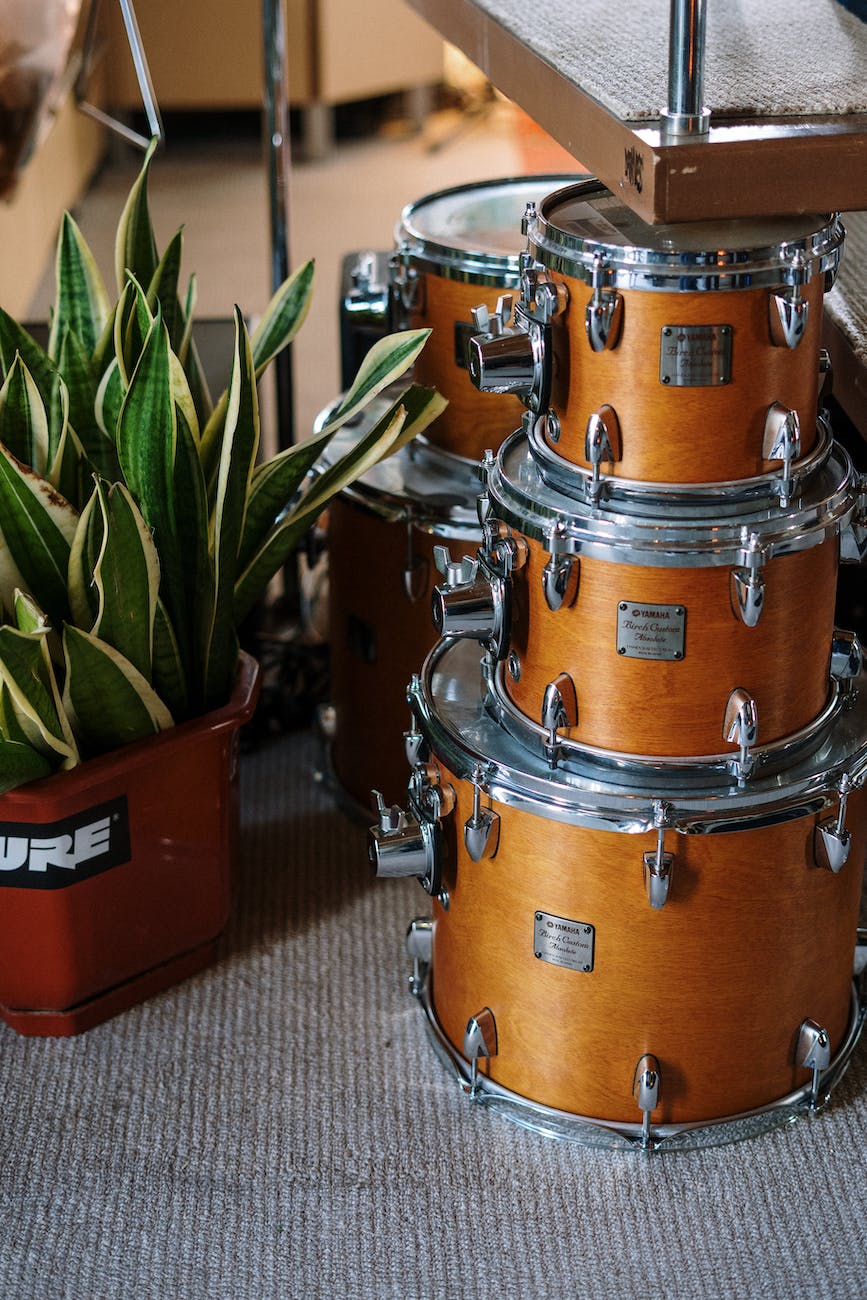
One treatment that is gaining popularity is drumming. Drumming is an ancient healing practice that has been used for centuries by cultures all over the world. It is a simple and effective way to connect with the present moment and release trauma from the body.
If you are interested in learning more about the power of drumming for grief and post-traumatic stress, keep reading!
The Scientific Power of Drumming
Research has shown that drumming can have a positive impact on mental and physical health. Drumming can reduce stress, anxiety, and depression. It can also help to improve sleep, boost the immune system, and increase energy levels. In one study, participants who underwent drumming therapy reported feeling more positive and had less anxiety and depression. Drumming can also help to reduce stress hormones, such as cortisol. Cortisol is a hormone that is released in response to stress. It is also known as the “stress hormone” because it can hurt the body. High levels of cortisol can lead to weight gain, high blood pressure, and a weaken immune system. Drumming can also help to release endorphins. Endorphins are hormones that are released by the brain in response to pain. They are also known as “happy hormones” because they can produce feelings of pleasure and euphoria. Endorphins can also help to improve mood, reduce stress, and boost immunity. In one study, cancer patients who underwent drumming therapy reported less pain, fatigue, and anxiety. They also had lower levels of cortisol. So, what is the science behind the power of drumming? Drumming can help to reduce stress and anxiety by altering the brainwaves. Brainwaves are electrical signals that are produced by the brain. There are four main types of brainwaves: beta, alpha, theta, and delta. Beta waves are associated with anxiety and stress. Alpha waves are associated with relaxation. Theta waves are associated with meditation and deep sleep. Delta waves are associated with healing. Drumming can help to shift the brainwaves from beta to alpha, and even theta. This can help to promote relaxation and a sense of well-being. Drumming can also help to release endorphins and reduce cortisol levels. This can help to improve mood, reduce pain, and boost immunity.
Drums for Grief and Trauma
If you are struggling with grief or trauma, you may be wondering if drumming can help. The good news is that drumming can be an effective treatment for both grief and trauma. Drumming can help to release emotions that are stored in the body. It can also help to reduce stress, anxiety, and depression. Drumming can also help to improve sleep, boost the immune system, and increase energy levels. One study found that cancer patients who underwent drumming therapy had less pain, fatigue, and anxiety. They also had lower levels of cortisol. Drumming can also help to release endorphins. Endorphins are hormones that are released by the brain in response to pain. They are also known as “happy hormones” because they can produce feelings of pleasure and euphoria. Endorphins can also help to improve mood, reduce stress, and boost immunity. In one study, participants who underwent drumming therapy reported feeling more positive and had less anxiety and depression. Drumming can also help to reduce stress hormones, such as cortisol. Cortisol is a hormone that is released in response to stress. It is also known as the “stress hormone” because it can hurt the body. High levels of cortisol can lead to weight gain, high blood pressure, and a weaken immune system. So, if you are struggling with grief or trauma, drumming may be a good option for you. Drumming can help to release emotions, reduce stress, and improve your overall health.
How to Use Drumming for Healing
If you are interested in using drumming for healing, there are a few things you should know. First, it is important to find a comfortable place to sit or lie down. You will also need a drum, such as a djembe, conga, or bongo. Start by closing your eyes and taking a few deep breaths. Focus on your breath and allow your body to relax. Once you are feeling relaxed, begin to gently tap the drum. You can tap the drum with your hands, a drumstick, or a mallet. Tap the drum at a comfortable pace. You can also vary the intensity of your taps. As you are tapping the drum, focus on your breath. Allow your mind to focus on the present moment. If your mind begins to wander, gently bring it back to your breath and the sound of the drum. Continue to tap the drum for 5-10 minutes. When you are finished, sit for a few moments and notice how you feel. Drumming is a simple and effective way to connect with the present moment and release trauma from the body. It is also a great way to reduce stress, anxiety, and depression. So, if you are struggling with grief or trauma, give drumming a try!
The sacrum is a triangular-shaped bone at the base of the spine. It is made up of five fused vertebrae and is a key part of the pelvic girdle. The sacrum is subject to a lot of stress and strain, which can lead to pain and dysfunction.
There are several ways to heal the sacrum and relieve pain. These include using essential oils, eating certain foods, receiving massage therapy, and practicing reiki or breath work.
In this article, we will discuss the five-step process for healing your sacrum. This process includes using essential oils, eating certain foods, receiving massage therapy, and practicing reiki or breathwork.
Are you dealing with sacral pain? If so, you’re not alone. The sacrum is a triangular-shaped bone at the base of the spine that is made up of five fused vertebrae. It is a key part of the pelvic girdle and is subject to a lot of stress and strain. This can lead to pain and dysfunction. There are many ways to heal the sacrum and relieve pain. These include using essential oils, eating certain foods, receiving massage therapy, and practicing reiki or breath work. In this article, we will discuss the five-step process for healing your sacrum. This process includes using essential oils, eating certain foods, receiving massage therapy, and practicing reiki or breathwork.
Step One: Realigning the Sacrum
The first step in healing your sacrum is to realign it. This can be done by visiting a chiropractor, osteopath, or physical therapist. They will be able to help you identify any areas of dysfunction and correct them. If you’re not able to see a professional, there are a few things you can do at home to realign your sacrum. One is to lie on your back with your knees bent and your feet flat on the floor. Place your hands on your lower belly and relax your whole body. Then, slowly roll your knees from side to side, allowing your hips to move with them. Another way to realign your sacrum is to sit on a stability ball. Keep your feet flat on the floor and your back straight. Then, roll the ball from side to side underneath you.
Step Two: Release the Psoas
The psoas is a muscle that runs from the lower back to the top of the femur. It is responsible for flexing the hip and stabilizing the spine. When this muscle is tight, it can pull on the lower back and cause pain. To release the psoas, lie on your back with your knees bent and your feet flat on the floor. Place your hand on your stomach and take deep breaths into your lower belly. As you exhale, let your belly soften. Then, bring your right knee to your chest and hug it with both arms. Hold for 30 seconds to one minute. Repeat on the left side.
Step Three: Restore Movement to the Pelvic Floor
The pelvic floor is a group of muscles that support the bladder, uterus, and rectum. They also help to control urination and bowel movements. When these muscles are weak or tight, they can cause pain in the lower back, hips, and pelvis. There are many exercises that can help to restore movement to the pelvic floor. One is to lie on your back with your knees bent and your feet flat on the floor. Place your hands on your lower belly and take deep breaths into your lower belly. As you exhale, let your belly soften. Then, use your fingers to gently massage the muscles of your pelvic floor. Another exercise is to sit on a stability ball and bounce your hips up and down. This will help to loosen the muscles and restore movement.
Step Four: Strengthen the Glutes
The gluteal muscles are the largest in the body. They are responsible for extending the hip and stabilizing the pelvis. When these muscles are weak, they can cause pain in the lower back, hips, and pelvis. Some exercises can help to strengthen the glutes. One is to lie on your back with your knees bent and your feet flat on the floor. Place your hands on your lower belly and take deep breaths into your lower belly. As you exhale, let your belly soften. Then, lift your right leg off the floor and hold for five seconds. Repeat on the left side. Another exercise is to stand with your feet hip-width apart and your knees slightly bent. Then, lift your right leg behind you and hold for five seconds. Repeat on the left side.
Step Five:
Protect Your Lower Back The lower back is susceptible to injury and pain. To protect your lower back, always use proper lifting techniques. When lifting something heavy, keep your feet shoulder-width apart and bend at the knees. In conclusion, the five-step process for healing your sacrum includes realigning the sacrum, releasing the psoas, restoring movement to the pelvic floor, strengthening the glutes, and protecting your lower back.





 The Harmonious Sound Journey