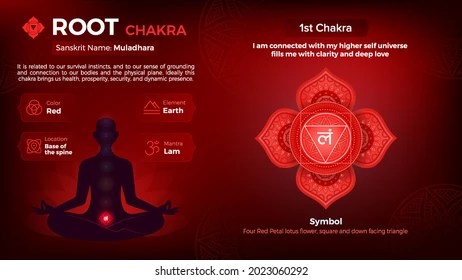
Introducing “Chakra Harmony: Root’s Rhythm of Healing,” a captivating single by Sound Alchemist Julie Jewels Smoot. This enchanting track is part of her collection of mesmerizing singles, all of which can be found on iTunes.
Immerse yourself in the soothing melodies and harmonious vibrations of “Chakra Harmony: Root’s Rhythm of Healing.” Julie Jewels Smoot’s expertise as a Sound Alchemist shines through in this captivating single, designed to promote balance and healing within the root chakra.
Available on iTunes, this single is a must-have for anyone seeking to enhance their spiritual well-being. Experience the transformative power of sound and let “Chakra Harmony: Root’s Rhythm of Healing” guide you on a journey of self-discovery and inner peace.
Immerse yourself in the soothing melodies of “Morning with Solar Plexus Tibetan Singing,” a mesmerizing song crafted by the talented Sound Alchemist Julie Jewels Smoot. This enchanting composition takes you on a tranquil journey, as the ethereal sounds of Tibetan singing bowls resonate with your soul. Let the gentle vibrations of this musical masterpiece awaken your senses and bring a sense of harmony to your mornings. With its captivating blend of ancient Tibetan traditions and modern musical artistry, “Morning with Solar Plexus Tibetan Singing” is the perfect soundtrack to start your day with serenity and inner peace.
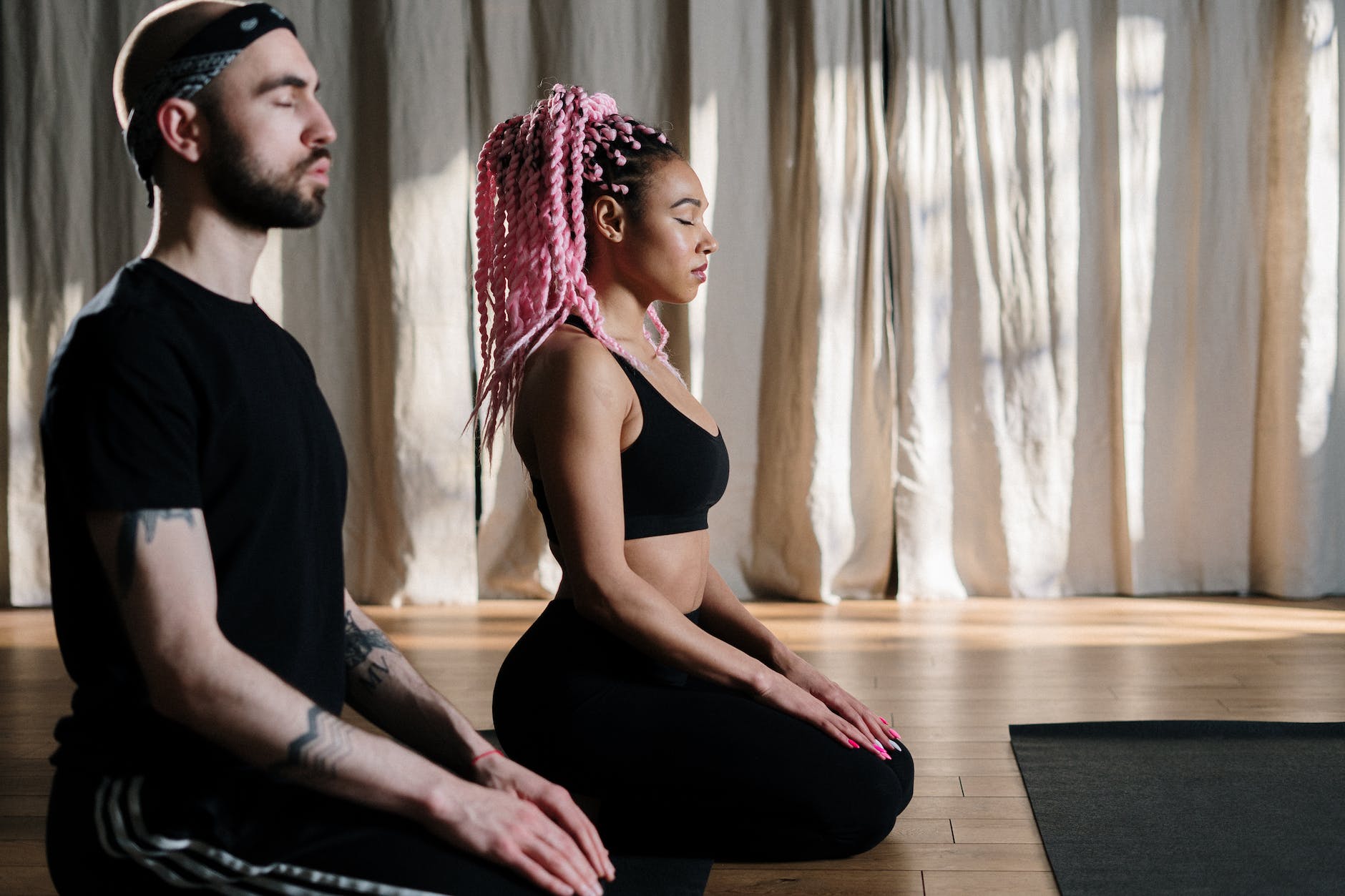
In our fast-paced and chaotic world, finding inner peace and self-love can seem like an elusive goal. But with the power of meditation, you can unlock a sense of tranquility and compassion that will transform your life. Through the simple act of sitting in stillness and focusing on your breath, meditation can help you tap into a deep well of self-healing and nurturing. In this article, we will explore the transformative power of meditation and how it can bring you inner peace, self-love, and a renewed sense of compassion. So take a deep breath, settle into a comfortable position, and join us on this journey of self-discovery and transformation through meditation.
Meditation is not just a trendy practice; it has been scientifically proven to have numerous benefits for our mental and emotional well-being. When it comes to finding inner peace, meditation is an invaluable tool. Regular meditation practice has been shown to reduce stress, anxiety, and depression, while increasing feelings of calmness, contentment, and overall happiness.
By quieting the mind and focusing on the present moment, meditation helps us detach from the chaos of daily life and find a sense of inner stillness. This stillness allows us to connect with our true selves, cultivate self-love, and develop a deep sense of compassion for ourselves and others.
Moreover, through consistent meditation practice, we can train our minds to let go of negative thoughts and self-criticism, thereby fostering a greater sense of self-acceptance and self-compassion. It is through this self-love and compassion that we can truly unlock the power of inner peace.
In the next section, we will delve deeper into the specific ways in which meditation can benefit us in our journey toward inner peace and self-love. Stay tuned to discover the incredible potential that lies within you, waiting to be awakened through the practice of meditation.
In the previous section, we discussed how meditation can help us find inner peace and develop self-love and compassion. Now, let’s take a closer look at what exactly self-love and compassion mean in the context of our personal growth and well-being.
Self-love is the practice of accepting and nurturing oneself unconditionally. It involves treating yourself with kindness, patience, and understanding, just as you would treat a loved one. It is about recognizing your own worth, embracing your strengths and weaknesses, and embracing the uniqueness of who you are.
Compassion, on the other hand, is the ability to empathize and show understanding towards ourselves and others. It involves extending kindness and forgiveness, not only to others but also to ourselves. Cultivating self-compassion means treating ourselves with the same level of care, understanding, and forgiveness we would extend to a close friend or family member.
Together, self-love and compassion form a powerful combination that allows us to navigate through life with grace and resilience. They enable us to let go of self-judgment and criticism, and instead, cultivate a mindset of self-acceptance, understanding, and unconditional love.
In the upcoming section, we will explore different meditation techniques that can help us cultivate self-love and compassion in our daily lives. Stay tuned to discover practical ways to incorporate these practices into your meditation routine and unlock the transformative power within.
How Meditation Can Cultivate Self Love and Compassion
In this section, we will explore how meditation can specifically cultivate self-love and compassion within us. By incorporating certain meditation techniques into our daily practice, we can unlock the transformative power of these qualities and experience greater inner peace and well-being.
One technique that can promote self-love and compassion is Loving-Kindness Meditation, also known as Metta Meditation. This practice involves directing well wishes towards ourselves and others. By repeating phrases such as “May I be happy, may I be healthy, may I be safe, may I live with ease,” we generate feelings of love, kindness, and compassion towards ourselves and extend these same sentiments towards others.
Another technique to cultivate self-love and compassion is Self-Compassion Meditation. This practice helps us develop awareness and understanding of our own suffering and challenges. By acknowledging our pain and offering ourselves kindness and compassion, we can heal and nurture ourselves.
By dedicating time to these meditation practices regularly, we can strengthen our self-love and compassion. These qualities will then naturally flow into our interactions with others, fostering empathy, understanding, and a greater sense of connectedness.
In the next section, we will delve deeper into the step-by-step process of these meditation techniques, providing practical guidance on how to incorporate them into your daily routine. Stay tuned for valuable insights and tips on unlocking the full potential of self-love and compassion through meditation.
Techniques for Incorporating Meditation into Your Daily Routine
In this section, we will delve deeper into the step-by-step process of incorporating meditation techniques for self-love and compassion into your daily routine. By following these techniques, you can enhance your practice and reap the full benefits of inner peace and well-being.
1. Start with a daily commitment: Set aside a specific time each day dedicated to your meditation practice. Whether it’s in the morning or before bed, consistency is key to developing a habit.
2. Create a peaceful environment: Find a quiet and comfortable space where you can meditate without distractions. Dim the lights, light a candle, or play soothing music to set the mood for relaxation.
3. Begin with mindfulness meditation: Start your practice by focusing on your breath and bringing your attention to the present moment. Allow any thoughts or distractions to come and go without judgment.
4. Practice Loving-Kindness Meditation: Use the phrases “May I be happy, may I be healthy, may I be safe, may I live with ease” as a mantra. Repeat this to yourself as you cultivate feelings of love and kindness towards yourself and extend them to others.
5. Engage in Self-Compassion Meditation: Reflect on any challenges or pain you may be facing and offer yourself kindness and compassion. Recognize that suffering is a part of being human and treat yourself with the same empathy you would offer to a loved one.
By incorporating these techniques into your daily routine, you can harness the power of meditation for self-love and compassion. In the following section, we will explore additional tips and techniques to deepen your practice and maximize the transformative potential of these qualities. Stay tuned for a more profound understanding of how meditation can unlock your inner peace and well-being.
Overcoming Challenges in Meditation Practice
In any journey towards self-love and compassion, challenges are inevitable. In this section, we will discuss common obstacles that may arise during your meditation practice and offer strategies to overcome them.
One challenge you may encounter is a restless mind. It is natural for thoughts to surface during meditation, but allowing them to dominate can hinder your progress. To address this, gently acknowledge the thoughts without judgement and redirect your focus back to your breath or chosen point of attention.
Another obstacle is finding time for meditation in your busy schedule. Remember, even just a few minutes of daily practice can make a difference. Consider waking up a few minutes earlier or utilizing break times during the day to squeeze in a meditation session.
Physical discomfort is also a common challenge. If you experience discomfort in your body during meditation, make necessary adjustments, such as using a cushion or chair for support. Experimenting with different postures can also help find a position that suits you best.
Lastly, maintaining motivation can be difficult, especially when you don’t see immediate results. Remind yourself of your intention and the long-term benefits of cultivating self-love and compassion. Celebrate small wins and acknowledge that progress takes time.
By acknowledging and addressing these challenges as they arise, you can cultivate resilience and continue on your path towards unlocking inner peace, self-love, and compassion. In the next section, we will explore advanced meditation techniques to deepen your practice and enhance your connection with yourself and others. Stay tuned for deeper insights into the transformative power of meditation.
Embracing a Mindful Lifestyle Beyond Meditation
After overcoming the initial obstacles in your meditation practice, it’s time to explore the next step in your journey towards self-love and compassion. While meditation is a powerful tool, its true impact lies in how it influences our daily lives. In this section, we will delve into the concept of embracing a mindful lifestyle beyond meditation.
Implementing mindfulness in your everyday activities allows you to fully integrate the lessons learned during your meditation practice into your daily routine. By cultivating awareness and staying present in each moment, you can develop a greater sense of self-love and compassion towards yourself and others.
One way to embrace a mindful lifestyle is to bring conscious attention to your daily routines. Whether it’s brushing your teeth, having a meal, or taking a shower, approach these activities with a sense of presence and gratitude. By doing so, you can heighten your awareness of the simple joys and find moments of peace throughout the day.
Additionally, practicing mindfulness in your interactions with others is key to fostering compassion and understanding. By truly listening and being fully present with those around you, you can cultivate deeper connections and create a more compassionate and loving environment.
Furthermore, being mindful of your thoughts and emotions is crucial in developing self-love and compassion. Notice any self-critical or negative thoughts that arise and replace them with kind and loving affirmations. Allow yourself to feel and acknowledge your emotions without judgment, offering yourself the same compassion you would to a loved one.
By embracing a mindful lifestyle, you can unlock a deeper sense of self-love and compassion that extends far beyond your meditation practice. Stay tuned for the next section, where we’ll explore the transformative effects of compassion meditation and how it can further enhance your journey towards inner peace and self-love.
Nurturing Inner Peace and Compassion through Meditation
In conclusion, by embracing a mindful lifestyle and integrating mindfulness into your daily activities, interactions with others, and your thoughts and emotions, you can nurture inner peace and compassion. The power of meditation lies not only in the time spent on the cushion but also in how it translates into your everyday life. Remember to approach your daily routines with presence and gratitude, mindfully engage with others, and replace self-critical thoughts with loving affirmations. Allow yourself to feel and acknowledge your emotions without judgment, extending the same compassion you offer to others. Through these practices, you can unlock a deeper sense of self-love and compassion that will contribute to your journey towards inner peace and a more fulfilling life. Stay tuned for our final section, where we will explore the transformative effects of compassion meditation and how it can enhance your ongoing journey.
Healing and self-care are essential aspects of our overall well-being. In today’s fast-paced and stressful world, finding avenues of support and practicing self-care has become even more crucial. One powerful way to empower your healing journey is through various practices and activities that promote peace, relaxation, and inner balance. From playing Tibetan Singing Bowls and Gong Playing to Hand pan and Shamanic Drumming, there are myriad options to explore. Additionally, activities such as dance, writing poetry, breathing exercises, and guided meditation can also contribute to your overall healing and well-being. This blog explores the different support avenues and self-care practices that can help you on your healing journey.
The importance of support in the healing journey
Support plays a critical role in our healing journey. Having a strong support system can provide comfort, guidance, and encouragement during challenging times. Whether it’s the encouragement of a close friend or the expertise of a therapist, seeking support can greatly enhance our healing process.
Support can come in various forms, such as joining a support group or seeking professional help. Support groups allow individuals to connect with others who have similar experiences, fostering a sense of community and understanding. Professional help, on the other hand, can provide valuable insights and tools to navigate through the healing journey.
Remember, reaching out for support is not a sign of weakness; it is a brave and courageous step towards prioritizing your well-being. By surrounding yourself with a network of supportive individuals, you are creating a nurturing environment that empowers your healing journey.
Exploring different avenues of support
Exploring different avenues of support allows us to find the best fit for our unique healing journey. One option is to seek out individual therapy or counseling. A therapist or counselor can provide a safe space for us to explore and process our emotions, offering guidance and tools to facilitate healing. Additionally, group therapy can be incredibly beneficial, as it allows us to engage with others who may be experiencing similar challenges.
Support can also be found in online communities and forums, where individuals can connect and share their experiences. It is essential to remember that seeking support is not limited to professional avenues. Friends, family, and loved ones can also play a vital role in our healing journey. Reaching out to them and discussing our struggles can deepen our relationships and provide the comfort and understanding we need.
Remember, the healing journey is unique to each individual, and it may take time to find the right support avenue. Don’t be discouraged if the first try doesn’t meet your needs. Keep exploring, and you will eventually find the support that empowers your healing journey.
Professional support: therapists, counselors, and support groups
When it comes to pursuing healing and self-care, seeking professional support can be incredibly valuable. Therapists and counselors are trained professionals who can provide a safe and confidential space for individuals to explore their emotions, trauma, and challenges. They offer guidance, coping strategies, and tools to facilitate healing and personal growth.
Individual therapy allows for one-on-one sessions, where you can dive deep into your experiences and receive personalized support. Group therapy, on the other hand, provides the opportunity to connect with others who may be going through similar struggles. Sharing your journey and hearing others’ stories can be immensely healing, fostering a sense of community and empathy.
In addition to therapy, support groups focused on specific issues or experiences can provide a safe and understanding environment to share and learn from others. These groups often provide education, resources, and a network of support that can be essential in the healing process.
Remember that finding the right professional support might take time and experimentation. Don’t be discouraged if the first therapist or support group you try doesn’t meet your needs. Keep exploring, and you will eventually find the support that empowers your healing journey.
Building a support network: friends, family, and peers
In addition to seeking professional support, building a support network consisting of friends, family, and peers is crucial to your healing journey. These individuals can offer a different perspective, unconditional love, and a listening ear when you need it most.
Your loved ones can provide emotional support, understanding, and encouragement throughout your healing process. Whether it’s a phone call, a coffee date, or a simple text message, reaching out to someone who cares can bring immense comfort and reassurance.
Consider joining support groups or online communities where you can connect with others who have had similar experiences. Sharing your journey with individuals who can relate can provide a sense of belonging, as well as practical advice and guidance.
Remember, opening up to others about your struggles can be challenging, but vulnerability often leads to deeper connections and personal growth. Surround yourself with individuals who uplift and inspire you, and don’t hesitate to lean on them when you need support.
In the next section, we will explore self-care practices that can empower your healing journey even further. Stay tuned!
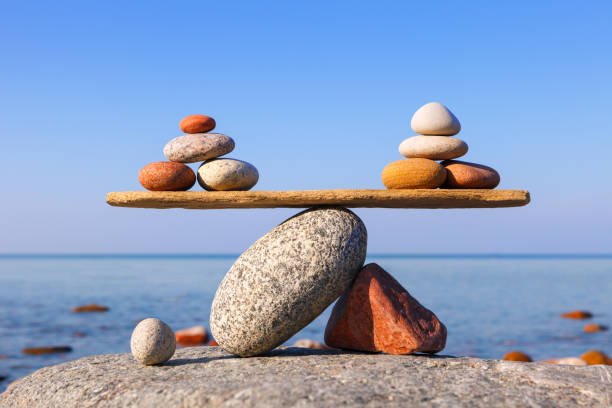
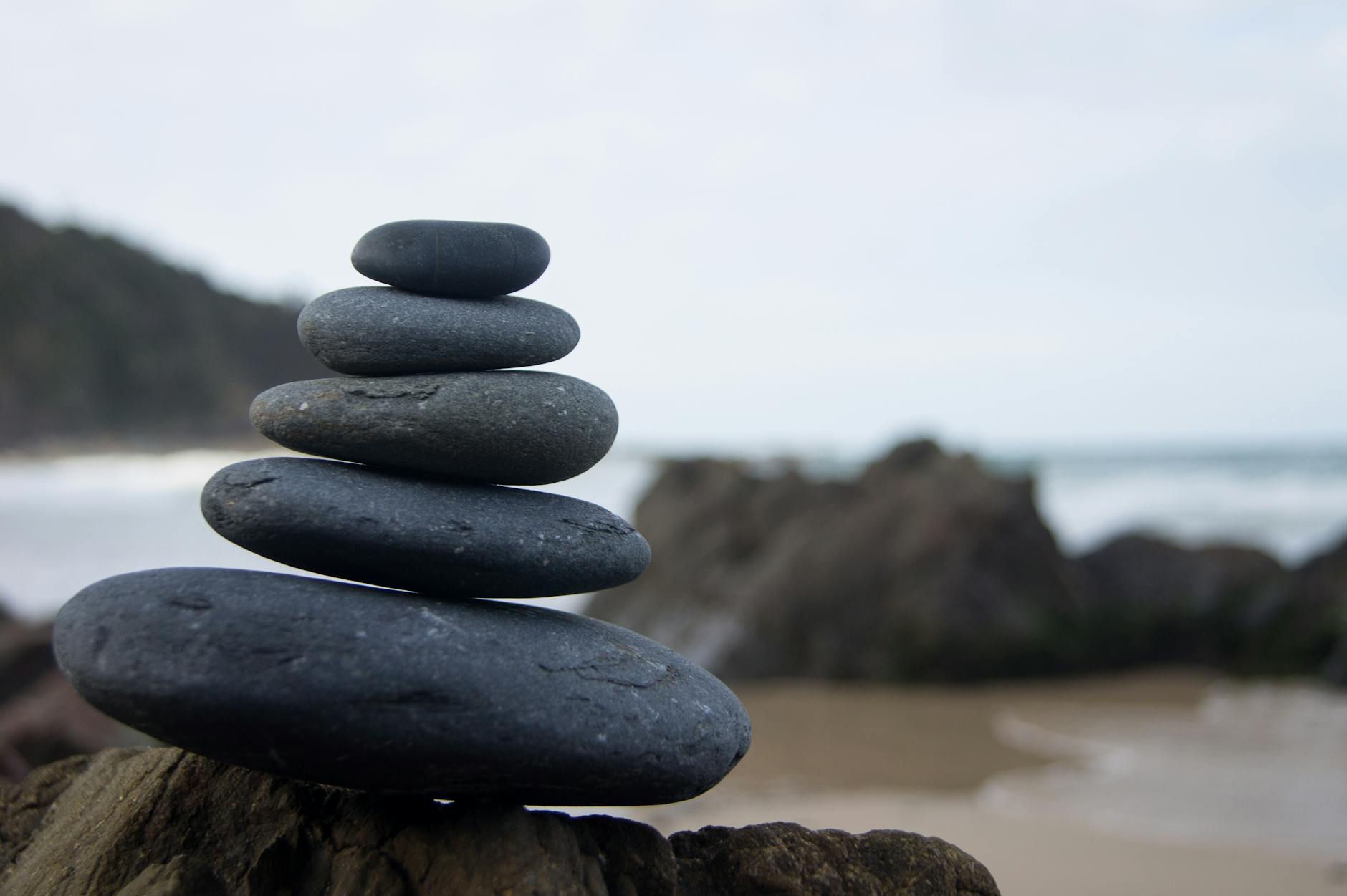
Symbolic scale of the stones on sea background. Concept of harmony and balance. work-life, emotional balance
Self-care practices for self-empowerment
When it comes to your healing journey, taking care of yourself is just as important as seeking support from others. Self-care practices not only nourish your mind, body, and spirit, but also empower you to take control of your healing process. Here are some self-care practices that can help you navigate your journey with confidence and strength.
First and foremost, prioritize self-care activities that bring you joy and relaxation. This could include indulging in a bubble bath, going for a nature walk, or practicing mindfulness and meditation. Taking time for activities that bring you peace and happiness can help you release stress and recharge your energy.
Incorporating physical exercise into your routine is another powerful self-care practice. Exercise not only improves your physical well-being, but also boosts your mood and reduces anxiety and depression. Whether it’s going for a run, joining a yoga class, or taking a dance session, find a form of exercise that you enjoy and make it a regular part of your routine.
Additionally, make sure you are nurturing your body with nourishing and healthy food choices. A well-balanced diet can provide you with the energy and nutrients needed for both physical and emotional healing. Incorporate plenty of fruits, vegetables, whole grains, and lean proteins into your meals, and make hydration a priority by drinking enough water throughout the day.
Lastly, don’t forget to prioritize rest and sleep. Allow yourself the time and space to unwind and recharge. Establish a relaxing bedtime routine, create a comfortable sleep environment, and aim for seven to nine hours of quality sleep each night. Prioritizing restful sleep will increase your overall well-being and support your healing journey.
Remember, self-care is not selfish; it is necessary for your healing and empowerment. By taking care of yourself, you are better able to show up for yourself and others. Stay tuned for the next section, where we will discuss additional self-care practices that can further empower your healing journey.
Taking care of your physical, mental, and emotional well-being
Continuing on the topic of self-care practices, it is essential to focus on your physical, mental, and emotional well-being. These aspects are interconnected and play a crucial role in your overall health and healing journey.
To take care of your physical well-being, make sure you prioritize regular check-ups with your healthcare provider. This will help you monitor your health and address any concerns that may arise. Additionally, consider incorporating activities like stretching, yoga, or strength training into your routine to keep your body strong and flexible.
Taking care of your mental and emotional well-being is equally as important. Engage in activities that help you relax and de-stress, such as reading a book, doing puzzles, or practicing deep breathing exercises. Additionally, consider seeking professional help if needed, such as therapy or counseling, to navigate any emotional challenges you may be facing.
Remember, self-care is not a one-size-fits-all approach. What works for someone else may not work for you. Explore different self-care practices and find what resonates with you and supports your individual healing journey.
Stay tuned for the next section, where we will discuss the importance of setting boundaries and seeking support from your loved ones.
Hand writing FLY – First Love Yourself acronym with white chalk on blackboard. Self-love, acceptance and happiness concept.
The power of self-compassion and self-reflection
In addition to setting boundaries and seeking support from loved ones, another crucial aspect of empowering your healing journey is practicing self-compassion and self-reflection.
Self-compassion involves being kind and understanding towards yourself during difficult times. It means acknowledging your pain or struggles without judgment and treating yourself with the same level of care and kindness that you would extend to a loved one. Cultivating self-compassion can help you navigate the ups and downs of your healing journey with greater ease and understanding.
Self-reflection, on the other hand, involves taking the time to look inward and gain a deeper understanding of yourself and your experiences. This can be done through journaling, meditation, or seeking guidance from a therapist or coach. By exploring your thoughts, emotions, and beliefs, you can uncover patterns or triggers that may be hindering your healing process.
Both self-compassion and self-reflection are powerful tools that can foster personal growth and resilience on your healing journey. In the next section, we will delve into practical strategies for cultivating self-compassion and incorporating self-reflection into your daily life.
Spiritual Awareness. Man opening portal to other worlds.
The role of spirituality in healing
Many individuals find solace and strength in spirituality during their healing journey. Whether it involves connecting with a higher power, practicing mindfulness, or engaging in rituals or ceremonies, spirituality can provide a sense of purpose and guidance.
Spirituality can help individuals tap into their inner resources and find meaning in their experiences. It can offer a framework for understanding and accepting the challenges they face, as well as provide a source of comfort and hope.
If you resonate with spirituality, explore different practices and beliefs that align with your values and needs. This could include attending religious services, seeking guidance from a spiritual leader, or engaging in meditation or prayer. Remember, spirituality is a personal journey, and it’s important to find what feels authentic and uplifting for you.
In the next section, we will discuss the importance of self-care and explore various self-care practices that can support your healing journey.
Embracing support and self-care for a transformative healing journey
In conclusion, embracing support avenues and practicing self-care are crucial elements in your healing journey. By exploring spirituality and connecting with a higher power, you can find solace, strength, and guidance. Remember that spirituality is a personal journey, so find practices and beliefs that resonate with your values and needs. Additionally, prioritize self-care practices to nourish your mind, body, and soul. This could include activities like exercise, journaling, practicing mindfulness, or seeking professional therapy. Self-care allows you to recharge and stay resilient as you navigate the challenges of healing. Remember, your healing journey is transformative, and by integrating support and self-care, you have the power to create a vibrant and fulfilling life.
Post Traumatic Stress (PTS) is a serious condition that affects many individuals, including Navy Veteran and Sound Alchemist Julie Jewels Smoot. After experiencing trauma from being raped six times, Julie Jewels Smoot sought out alternative healing methods and discovered the power of sound. Through the vibrations of the Chiron Gong, Julie Jewels Smoot has found a unique and profound way to heal from her traumatic experiences. In this blog, we will explore the benefits of sound healing and how it can be a professional approach to healing post traumatic stress.
What is post-traumatic stress and how does it affect individuals?
Post-traumatic stress (PTS) is a psychological condition that occurs after a person has experienced or witnessed a traumatic event. It can affect anyone, regardless of age, gender, or background. The symptoms of PTS can vary, but commonly include recurring memories or nightmares of the traumatic event, avoidance of triggers that remind them of the trauma, heightened anxiety, and difficulty sleeping or concentrating.
The impact of PTS on individuals can be debilitating, affecting their daily life, relationships, and overall well-being. It can make it challenging to function in social settings, work environments, and even basic activities of daily living. This condition can lead to a range of physical, mental, and emotional symptoms, and it’s imperative to seek professional help for proper diagnosis and effective treatment.
In the next section, we will delve deeper into the specific ways in which post-traumatic stress affects individuals and explore how sound healing can offer a professional approach to healing this condition. Stay tuned to discover how the power of sound can bring relief and transformation to those struggling with post-traumatic stress.
Sound therapy, woman hitting bronze gong, back side view. Traditional tibetan meditation, zen, harmony, relaxation concept
The science behind sound healing and its impact on the body and mind
The practice of sound healing is rooted in the understanding that sound can have a profound impact on our bodies and minds. When we experience trauma, whether it’s a single event or ongoing stress, it can disrupt our energetic balance and create disharmony within us. Sound healing aims to restore that balance and promote healing.
Research has shown that certain frequencies and vibrations produced by sound can directly impact our nervous system, brain waves, and overall well-being. Sound therapy utilizes various techniques and instruments, such as Tibetan singing bowls, tuning forks, and vocal toning, to create specific frequencies that resonate with different parts of the body. These vibrations can help release tension, reduce anxiety, and promote a sense of relaxation and calm.
Moreover, sound healing can also have a positive effect on our brain chemistry. It has been found to stimulate the production of endorphins and decrease the levels of stress hormones like cortisol, providing both physical and psychological relief.
In the upcoming section, we will explore some of the different techniques and instruments used in sound healing and their specific therapeutic benefits. Keep reading to discover how the power of sound can be harnessed professionally to help individuals with post-traumatic stress find healing and transformation.
Close-up of bronze ring gongs on deck during sunset.
Professional techniques and approaches in sound healing for post-traumatic stress
In the realm of sound healing, there are various professional techniques and approaches that can be utilized to effectively address post-traumatic stress. These methods are specifically designed to provide targeted healing and support for individuals who have experienced trauma.
One notable technique is the use of binaural beats, which involves the presentation of two different frequencies to each ear. This creates a third frequency in the brain, known as the “binaural beat,” which can help induce a deep state of relaxation and promote healing. Research has shown that binaural beats therapy can significantly reduce symptoms of post-traumatic stress, including anxiety, hyperarousal, and intrusive thoughts.
Another professional approach involves the use of guided imagery and visualization. By combining soothing soundscapes with guided narratives, individuals can be guided through a healing journey that helps reprocess and heal traumatic memories. This technique allows individuals to safely confront their past experiences while providing a sense of support and empowerment.
Additionally, the use of specialized sound healing instruments, such as crystal singing bowls or gongs, can also be employed to help release tension and promote emotional release. These instruments produce powerful vibrations that can resonate deeply within the body, facilitating the release of stored trauma.
In the next blog section, we will delve deeper into these professional techniques and approaches, exploring how they can be applied in a therapeutic setting to facilitate healing and transformation for individuals with post-traumatic stress. Stay tuned to discover the profound impact that sound healing can have on the path to recovery.
Detail of hand touching and caressing water surface of beautiful lake at sunset, mountain view. Purity freshness clean concept, one person touching lake with hand
Case studies and success stories in using sound healing for healing trauma
In the realm of sound healing for post-traumatic stress, it is valuable to examine case studies and success stories to gain a deeper understanding of the effectiveness of this approach. These real-world examples offer insight into the transformative power of sound healing in healing trauma.
Case study 1: Sarah, a survivor of a car accident, experienced severe anxiety and flashbacks as a result of her trauma. After undergoing a series of binaural beats therapy sessions, Sarah reported significant improvement in her symptoms. She experienced reduced anxiety levels, improved sleep patterns, and a greater sense of overall calmness.
Case study 2: John, a military veteran, suffered from debilitating post-traumatic stress disorder (PTSD) after his deployment. Guided imagery combined with soundscapes proved to be instrumental in his recovery journey. By visualizing peaceful scenes while listening to soothing sounds, John was able to reframe his traumatic memories and regain a sense of control over his emotions.
These case studies illustrate the power of sound healing techniques in facilitating healing and transformation for individuals with post-traumatic stress. By sharing these success stories, we hope to emphasize the potential that sound healing holds for those seeking relief from trauma. Join us in the upcoming blog section as we explore other impactful techniques in sound healing therapy.
Collaborating with healthcare professionals for a comprehensive healing approach
To ensure a comprehensive and effective healing approach, it is essential to collaborate with healthcare professionals when incorporating sound healing into trauma treatment. By working together, sound healers and healthcare professionals can provide a holistic approach that addresses both the physical and psychological aspects of post-traumatic stress.
Medical professionals, such as psychiatrists and psychologists, can provide important insights into the specific needs of individuals with trauma, helping to tailor sound healing interventions to their unique circumstances. They can also monitor progress and make evidence-based recommendations for integrating sound healing with other therapeutic modalities.
Additionally, healthcare professionals can educate their patients about sound healing, its potential benefits, and any potential risks or contraindications. This ensures that individuals seeking sound healing therapy are well-informed and can make empowered decisions regarding their treatment.
By combining the expertise of sound healers and healthcare professionals, we can create a collaborative and well-rounded approach to healing post-traumatic stress. In the next segment of our blog series, we will delve into the important role of healthcare professionals in sound healing therapy and explore how their involvement enhances the overall healing process. Stay tuned!
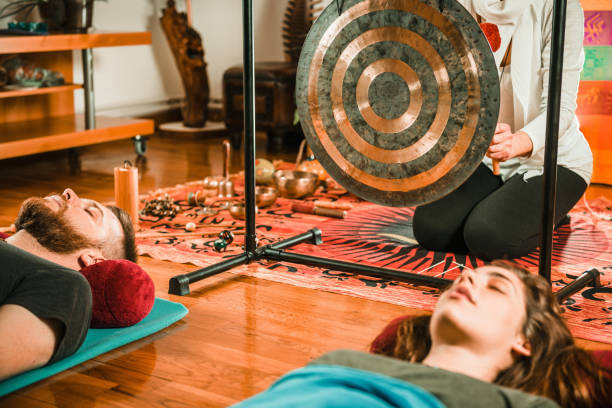
Gong in sound therapy
Creating a safe and supportive environment for sound healing sessions
Creating a safe and supportive environment is crucial for successful sound healing sessions, especially when working with individuals experiencing post-traumatic stress. This responsibility falls on both the sound healer and the healthcare professional involved in the treatment process.
Sound healers should ensure that the physical space is conducive to relaxation and healing. This may involve dimming the lights, using soft and comfortable cushions or chairs, and playing soothing music before the session begins. It is essential to minimize outside distractions, such as noise or interruptions, to create a serene atmosphere.
Healthcare professionals can contribute to the creation of a safe environment by being present and attentive during the session. Their role is to be a supportive presence, offering reassurance and guidance as needed. They may also assist in identifying any triggers or emotional reactions that arise during the session, providing the necessary support to navigate those experiences effectively.
In the upcoming blog section, we will explore specific techniques for creating a safe and supportive environment during sound healing sessions. Stay tuned as we dive deeper into the power of sound healing in the treatment of post-traumatic stress.
The importance of ongoing support and self-care for individuals with post-traumatic stress
The importance of ongoing support and self-care for individuals with post-traumatic stress cannot be overstated. Sound healing sessions can be incredibly powerful, but they are just one component of a comprehensive healing journey.
After a sound healing session, it is crucial for individuals with post-traumatic stress to have access to ongoing support. This can come in the form of therapy, counseling, or support groups specifically tailored to their needs. These resources provide a safe space for individuals to process their experiences, express their emotions, and receive guidance from trained professionals.
In addition to seeking external support, self-care practices are essential for individuals with post-traumatic stress. This may involve engaging in activities that bring joy and relaxation, such as spending time in nature, practicing mindfulness, or pursuing creative outlets. Taking care of one’s physical health through exercise, proper nutrition, and adequate rest is also crucial for overall well-being.
By prioritizing ongoing support and self-care, individuals with post-traumatic stress can continue their healing journey beyond sound healing sessions. In the next blog section, we will delve deeper into the various support avenues and self-care practices that can empower individuals to take control of their healing process. Stay tuned!
Harnessing the power of sound healing to transform lives
In conclusion, sound healing is a powerful tool that can greatly contribute to the healing journey of individuals with post-traumatic stress. However, it is important to recognize that sound healing is just one part of a comprehensive approach to healing. Ongoing support and self-care are crucial elements that should not be overlooked.
Seeking support through therapeutic interventions, counseling, or support groups tailored to the needs of individuals with post-traumatic stress is essential. These resources provide a safe space to process experiences, express emotions, and receive guidance from professionals who specialize in trauma.
Additionally, prioritizing self-care practices is vital for overall well-being. Engaging in activities that bring joy and relaxation, practicing mindfulness, and pursuing creative outlets can all contribute to healing. Taking care of one’s physical health through exercise, proper nutrition, and adequate rest is also crucial.
By embracing ongoing support and implementing self-care practices, individuals with post-traumatic stress can empower themselves to continue their healing journey beyond sound healing sessions. It is through this comprehensive approach that they can harness the true power of sound healing and transform their lives.
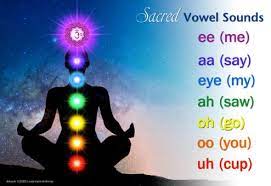
Self-advocacy is a transformative journey that involves finding and unleashing the power within. One powerful tool in this journey is the use of sacred vowels – Uh, Ew, Oh, Ah, Eye, AA, and EE. These vowels have a profound impact on our mind, body, and spirit, enabling healing, relaxation, and self-healing. By toning these sacred vowels, we can tap into the power of our breath and find our voice by speaking our truth. In this article, we will explore the transformative power of self-advocacy through toning sacred vowels and how it can lead to personal growth and empowerment.
The Importance of Self-Advocacy: Unlocking Personal Transformation
Self-advocacy is not only important, but it is crucial for our personal growth and transformation. It is the process of speaking up for ourselves, asserting our needs, and standing up for what we believe in. By practicing self-advocacy, we are taking ownership of our own lives and directing our paths towards the fulfillment of our dreams and aspirations. It allows us to break free from limiting beliefs, societal expectations, and the opinions of others. Through self-advocacy, we are able to unleash our authentic selves and tap into our true potential. It empowers us to make choices that align with our values and desires, ultimately leading us down a path of self-discovery, empowerment, and personal transformation. By toning sacred vowels, we can enhance our self-advocacy journey by connecting with our inner power and finding the courage to use our voice.
Toning Sacred Vowels: Unleashing Ancient Techniques for Inner Growth
Toning sacred vowels is an ancient technique that can greatly enhance our journey of self-advocacy and inner growth. The power of sound and vibration has been recognized in various cultures throughout history as a means of connecting with our inner selves and the universe. By toning sacred vowels, we can tap into the transformative energy that lies within us and unlock our true potential.
The act of toning sacred vowels involves vocalizing specific vowel sounds with intention and focus. Each vowel resonates with different aspects of our being, such as our emotions, thoughts, and physical body. By toning these vowels, we can release stagnant energy, clear blockages, and open ourselves up to new possibilities.
As we embark on our self-advocacy journey, toning sacred vowels can help us connect with our inner power and find the courage to use our voice. It allows us to access deeper levels of self-awareness, enabling us to understand our needs, desires, and boundaries more clearly. Toning sacred vowels can also help us express ourselves with confidence and authenticity, as we align our thoughts and actions with our true selves.
Incorporating toning sacred vowels into our self-advocacy practice can create a harmonious balance between our body, mind, and spirit. It can amplify our intentions, strengthen our resolve, and propel us forward on our path of personal transformation.
In the next section, we will delve deeper into the specific sacred vowels and their meanings, as well as explore different techniques for incorporating toning into our self-advocacy journey. Stay tuned!
Finding Your Voice: Discovering the Power of Self-Expression
One of the key aspects of self-advocacy is the ability to express ourselves authentically and confidently. Finding our voice is an essential part of this process, as it enables us to communicate our needs, desires, and boundaries effectively. Toning sacred vowels can be a powerful tool in helping us discover and strengthen our voice.
Each sacred vowel carries a unique vibration and energy that resonates with different aspects of our being. In the next section, we will explore the meanings and qualities associated with specific vowels and how they can support our journey of self-expression.
By incorporating toning into our self-advocacy practice, we can tap into the transformative power of sound and vibration. Through the intentional vocalization of sacred vowels, we can connect with our inner power and unlock our true potential.
Stay tuned as we dive deeper into the world of sacred vowels and uncover the profound impact they can have on our self-expression and personal growth.
Cultivating Inner Harmony: The Role of Mind-Body Connection in Advocacy
Self-advocacy is not just about finding our voice; it also requires us to nurture a deep sense of inner harmony. The mind-body connection plays a significant role in this process, as our thoughts and emotions directly influence our ability to advocate for ourselves effectively.
When our mind and body are in sync, we experience a state of balance and alignment. This allows us to approach advocacy from a place of clarity, confidence, and authenticity. Taking care of our physical and mental well-being becomes essential in order to harness the full power of self-advocacy.
In the upcoming section, we will explore various practices and techniques that can help cultivate this mind-body connection. From mindfulness and meditation to movement and breathwork, we will uncover the tools that can support us in maintaining inner harmony as we navigate the journey of self-advocacy.
Join us as we delve into the transformative role of the mind-body connection and discover how it can empower us to become unstoppable advocates for ourselves and others.
Embracing Change: Harnessing the Transformative Potential of Self-Advocacy
In this section, we will explore the transformative potential of self-advocacy in embracing change. Change is inevitable, and as we navigate through life, we often encounter situations that require us to adapt and evolve. Self-advocacy provides us with the tools and mindset to embrace these changes with resilience and grace.
By advocating for ourselves, we gain a sense of empowerment and agency in our lives. We learn to identify our needs, communicate them effectively, and take decisive action. This newfound ability allows us to navigate through transitions and challenges with confidence, knowing that we have the power to shape our own destinies.
In the upcoming blog posts, we will delve deeper into the specific ways in which self-advocacy can help us embrace change. From building resilience and coping mechanisms to fostering a growth mindset, we will uncover the transformative potential of self-advocacy in navigating life’s twists and turns.
Join us as we embark on this journey of self-discovery and learn how self-advocacy can be our compass in navigating the ever-changing landscapes of our lives. Together, we can unlock the power within and unleash our fullest potential.
Conclusion: Empowering Yourself and Others Through Self-Advocacy
In conclusion, self-advocacy is not just about empowering ourselves but also about empowering others. When we advocate for ourselves, we set an example for others to do the same. By speaking up for our needs and boundaries, we inspire those around us to do the same.
Self-advocacy is a journey of self-discovery and growth. It requires us to examine our values, beliefs, and aspirations. Through this process, we gain a deeper understanding of who we are and what we want from life. We become more resilient, adaptable, and open to change.
By toning sacred vowels, we tap into the power within and unleash our fullest potential. We become the architects of our own destinies, charting the course of our lives with intention and purpose. So let us embrace the transformative journey of self-advocacy, knowing that through it, we can create positive change not only in our own lives but also in the lives of those around us.
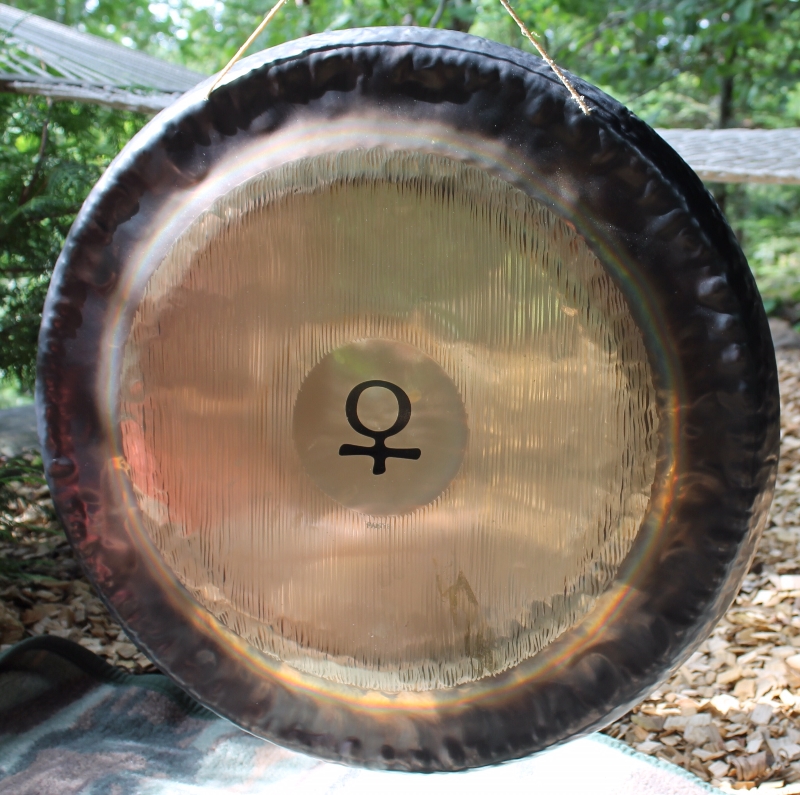
As we reach the monumental milestone of Day 30 in the Venus Gong Challenge, it is important to reflect on the journey we have embarked upon. This challenge has been about more than just physical exercise; it has been a quest for inner peace, tranquility, and empowerment. We have embraced the qualities of the Warrior, the Divine Feminine, and the Goddess within ourselves.
But the journey doesn’t end here. Just as the Gong has continued to sound each day, we too must continue on our path to inner peace. In this blog, we will explore the ways in which we can sustain our newfound sense of peace, transform our lives, and embrace the power that lies within us. Let us continue this journey together, and discover the true essence of our being
Recap of the Venus Gong Challenge
During our 30-day Venus Gong Challenge, we have experienced a profound transformation both physically and mentally. We have learned to listen to our bodies, connect with our breath, and find solace in the repetitive sound of the Gong. This challenge has been a reminder that inner peace is not something that can be achieved overnight, but rather a lifelong journey.
We have embraced the qualities of the Warrior, the Divine Feminine, and the Goddess within ourselves. Through our daily practice, we have cultivated strength, grace, and compassion. We have confronted our fears, faced our limitations, and pushed beyond what we thought was possible.
It is now time to reflect on the lessons we have learned and the growth we have experienced. Take a moment to acknowledge your accomplishments and recognize the shifts that have occurred within you. Remember, this is not the end, but rather a stepping stone towards continued inner peace.
In the next section, we will explore practical strategies and tools to sustain our newfound sense of peace, transform our lives, and embrace the power that lies within us. Let us continue this journey together, supporting and inspiring one another every step of the way
As we reach the final day of our Venus Gong Challenge, it’s time to reflect on the rewards we have reaped through our pursuit of inner peace. Throughout this 30-day journey, we have witnessed significant transformations in our physical and mental well-being. Our dedication to listening to our bodies, connecting with our breath, and embracing the sound of the Gong has brought us closer to a state of inner peace.
Take a moment to appreciate the accomplishments and growth you have experienced. Notice how your strength, grace, and compassion have blossomed. Acknowledge the fears you have confronted, the limitations you have surpassed, and the barriers you have broken down.
But remember, this is not the end of the road. It is merely a milestone on our path to continued inner peace. In the upcoming section, we will explore practical strategies and tools to sustain our newfound sense of peace and harness the power that lies within us.
Let us continue this journey together, supporting and inspiring one another every step of the way. Stay tuned for the next section, where we dive deeper into the ways we can transform our lives and create lasting peace within ourselves
Celebrating milestones on your journey to tranquility
As we continue on our path to inner peace, it’s important to take a moment and celebrate the milestones we have achieved so far. Each step forward, no matter how small, deserves recognition and celebration.
Reflect on the progress you have made and the challenges you have overcome. Recognize the moments of strength, clarity, and resilience that have propelled you towards a state of tranquility. Celebrate your commitment to self-discovery and personal growth.
Remember, the journey to inner peace is not linear; there will be ups and downs, moments of doubt and uncertainty. But by acknowledging and celebrating our milestones, we foster a sense of gratitude and motivation to keep moving forward.
Take time to honor and appreciate the transformations you have experienced. Whether it’s a shift in mindset, a newfound sense of balance, or a deeper connection with yourself and others, acknowledge these achievements and let them fuel your ongoing journey towards lasting serenity.
In the next section, we will explore practical strategies and techniques to integrate into our daily lives, empowering us to sustain our inner peace and navigate life’s challenges with grace. So stay tuned and keep celebrating your progress as we continue this transformative journey together
Consistency is key when it comes to finding inner peace. Throughout this Venus Gong Challenge, we have explored numerous techniques and strategies to cultivate tranquility and navigate life’s challenges with grace. But the real progress lies in our ability to practice these techniques consistently.
Committing to a daily practice of meditation, mindfulness, or any other method that resonates with you is essential for deepening our connection with ourselves and finding lasting serenity. Consistency allows us to strengthen our skills, develop a deeper understanding of our thoughts and emotions, and create new habits that support our journey towards inner peace.
It can be tempting to give up or become complacent when we don’t see immediate results, but it is during these moments that we must remind ourselves of the power of consistency. Small steps taken daily, over time, can lead to profound transformations.
So, as we move forward on our path to inner peace, let us embrace the power of consistency. Stay committed to your daily practice, even on the days when it feels challenging. Trust in the process and the transformative effects it can have on your overall well-being.
In the next section, we will dive deeper into specific techniques and practices that can help cultivate consistency in our journey towards inner peace. Stay tuned and continue to celebrate your progress, for each step forward is a testament to your dedication and resilience
Maintaining inner peace is an ongoing journey that extends beyond the duration of this Venus Gong Challenge. While the challenge has provided us with a structured framework to cultivate consistency, it is important to continue practicing these techniques even after its completion.
One way to maintain inner peace is to establish a daily routine that incorporates mindfulness and reflection. Set aside a specific time each day to engage in activities that promote tranquility, such as meditation, journaling, or engaging in creative pursuits. By making these practices a part of your daily routine, you reinforce the habit of seeking inner peace.
Additionally, surround yourself with a supportive community. Connect with like-minded individuals who share your values and aspirations for inner peace. Participate in workshops, retreats, or online forums where you can learn from others’ experiences and receive guidance when needed.
Remember, inner peace is a lifelong pursuit. While the challenge may have come to an end, the path continues. Embrace each day as an opportunity to deepen your connection with yourself, and stay committed to the practices that bring you serenity. With consistency and dedication, you can create a life filled with lasting peace and harmony
As we reach the final stretch of the Venus Gong Challenge, it is essential to embrace the transformation that has taken place within us. Throughout these 30 days, we have delved deep into our inner selves, uncovering layers of emotions, beliefs, and experiences that may have hindered our path to inner peace.
Now, it is time to fully embrace the changes we have undergone and integrate them into our daily lives. Take a moment to reflect on the insights gained, the breakthroughs experienced, and the lessons learned. Allow yourself to celebrate the progress made and acknowledge the growth that has occurred.
Embracing the transformation within also means letting go of any lingering doubts or self-limiting beliefs that may arise. Trust that you are capable of maintaining the inner peace you have cultivated. Have faith in your ability to navigate through challenges and know that you have the resilience to bounce back from any setbacks.
Remember, transformation is a continuous process. As we move beyond the Venus Gong Challenge, it is essential to carry the spirit of transformation with us every day. Embrace the opportunities for growth that present themselves, and allow your inner peace to radiate outwards, positively influencing those around you.
Stay tuned for the next section, where we will explore the power of gratitude in our ongoing journey towards inner peace
As we conclude our 30-day Venus Gong Challenge, we can affirm that our journey towards inner peace is not limited to this timeframe. It is a lifelong commitment that requires consistent effort and dedication.
Throughout this challenge, we have learned valuable lessons about ourselves, our emotions, and our ability to cultivate peace within. We have experienced transformation and growth, and now it is time to carry these changes forward.
Continue to embrace the insights gained during this challenge and integrate them into your daily life. Practice self-compassion and forgiveness when setbacks occur, knowing that it is all part of the journey.
Remember to prioritize self-care and make time for activities that nourish your mind, body, and soul. Surround yourself with positive influences and seek support when needed.
In this ongoing journey towards inner peace, gratitude is a powerful tool to incorporate into our lives. Stay tuned for the next section as we explore the transformative power of gratitude and its significance in maintaining a peaceful state of mind.
























 The Harmonious Sound Journey