Watching sunrise throught a lens ball – Riviera Romagnola
In the hustle and bustle of modern life, finding moments of tranquility and self-reflection is more vital than ever. The latest podcast episode offers a sanctuary for the soul, inviting listeners to embark on a meditative journey designed to foster inner peace, cultivate compassion, and connect with one’s higher self.
The episode begins by delving into the practice of Loving Kindness Meditation, an ancient technique aimed at nurturing compassion for oneself and others. The guided meditation encourages listeners to use breathwork and positive affirmations to ease anxiety and cultivate a caring mindset. This segment is not only a soothing experience but also an educational one, as it teaches techniques to still the mind and invites a gentle, non-straining approach to meditation.
Moving deeper into the realm of mindfulness, the Mountain Meditation visualization is introduced. This powerful exercise instills a sense of stability and calm by comparing oneself to a mountain that remains unwavering despite the ever-changing weather. Such a visualization promotes resilience and equanimity, empowering listeners to face life’s challenges with grace and fortitude.
The episode’s centerpiece is the Guided Higher Self Meditation, which takes listeners on an introspective journey through time and into the realm of their spiritual dimension. Here, one can connect with their higher self and receive profound insights into their life’s purpose. The meditation culminates in seven transformative messages about self-love, positivity, and the significance of meditation and play in one’s life.
Further exploring the theme of inner strength, the episode guides listeners through a body scan meditation followed by the visualization of an inner sanctuary—a personal retreat symbolizing peace and acceptance. This chapter of the podcast emphasizes the power of creating a haven within, where one can always retreat to find grounding and love, regardless of external circumstances.
The podcast concludes by reflecting on the importance of solitude and inner silence. It encourages listeners to reconnect with their true self, release external pressures, and embrace the peace that resides within. This final chapter serves as a gentle reminder of the transformative power of introspective solitude in rediscovering joy and authenticity.
By the end of the episode, listeners are left with a comprehensive understanding of the transformative power of meditation. The practical guidance and visualizations provided throughout offer valuable tools for those seeking to enhance their daily lives with mindfulness and self-awareness.
In today’s fast-paced world, such practices are not just beneficial but essential for mental health and emotional well-being. This episode serves as a reminder that the sanctuary we seek is not found in the outside world but within the quietude of our inner landscape.
In our latest podcast episode, we delve into a transformative journey of meditation and manifestation, a path that promises to lead listeners toward a more peaceful, abundant, and fulfilling life. As the episode unfolds, we’re reminded of the essential nature of self-care and how it’s not merely a luxury, but an inherent right. By sharing personal anecdotes and actionable advice, the episode emphasizes how even the simplest acts can form the bedrock of a nourishing daily routine.
The power of saying ‘no’ is presented as a profound affirmation of self-worth, reinforcing the notion that our time and energy are precious. In this modern era, where life often feels like a relentless rush, the episode serves as a reminder to pause, breathe, and reconnect with the joys of life—be it through a solitary walk, a session on a biomat, or the simple pleasure of a stroll with a pet.
Listeners are taken through the intimate details of creating a personal sanctuary—a space for solace and healing. With guided meditations, the episode leads us to tap into the therapeutic potential of visualization and breathwork. Here, the practice is not only a source of comfort but a powerful tool for managing life’s challenges with grace.
The journey continues with a foray into the realm of manifestation, particularly concerning financial prosperity. The episode offers a unique perspective, presenting the inner world as a mold for the outer reality. Through grounding guided meditations, listeners are encouraged to align their intentions with the energy of the universe, setting goals, and cultivating a state of readiness to embrace the abundance they deserve.
One of the most compelling aspects of the episode is its focus on self-awareness and the interconnectedness of all things. By acknowledging our unity with the earth and the shared elements that compose our bodies and the environment, the episode fosters a profound connection with both the self and the world around us.
As the episode comes to a close, it touches on the importance of deep breathing as a mechanism for nurturing self-love. Listeners are guided through exercises that not only supply oxygen but also trigger the parasympathetic nervous system, ushering in a state of rest and rejuvenation. This segment serves as a capstone to the episode, highlighting the role of mindful practices in fostering an intentional state of relaxation and self-appreciation.
This podcast episode stands as a beacon for those seeking to navigate the tumultuous seas of life with a sense of calm and purpose. It’s an invitation to step into a sanctuary within, to cultivate an enduring peace, and to manifest a life that resonates with the richness of one’s innermost desires. Through a combination of practical advice, guided exercises, and soul-stirring reflections, listeners are equipped with the knowledge and tools to transform their lives from the inside out.
Embracing the lessons from this episode can lead to a deeper understanding of oneself and the universe, enabling us to live with more harmony, love, and joy. It is an empowering message that resonates with anyone looking to enhance their wellbeing and embrace the abundance of life.
This song was channeled from my connection to the angelic realm.
The song is called “Angel Beauty: Spirit Guided Song” and it is the most beautiful music you’ll ever hear. It is a beautiful song that was created with a connection to angels and spirit guides.
What is Angel Beauty: Spirit Guided Song?
Angel Beauty: Spirit Guided Song is a beautiful piece of music that was channeled from my connection to the angelic realm. The song is based on the premise that we are all connected to spirit guides who can help us on our journey through life. The song is designed to help us connect with our spirit guides and receive their guidance. It is a powerful tool that can help us heal emotionally and spiritually.
Why is Angel Beauty: Spirit Guided Song the most beautiful music you’ll ever hear?
The beauty of this song comes from its ability to touch our hearts and souls. It is a song that is full of love and light, and it can help us to feel connected to the angelic realm. This song can help us to remember our connection to the angels, and it can help us to feel their presence in our lives. It is a reminder that we are never alone, and that we always have help available to us. The song is also incredibly powerful, and it can help us to heal emotionally and spiritually. It is a reminder that we are loved and supported, and that we are never alone.
The healing power of music
The healing power of music is well-documented, and many studies have shown the positive effects of music on our health. Music can help to reduce stress, anxiety, and depression. It can also help to improve sleep, increase energy levels, and boost our immune system. Music can touch our hearts and souls, and it can be a powerful tool in our journey to wellness.
Music as a form of communication
Music is a universal language that can help us to communicate with each other and with the world around us. It can help us to express our emotions, and it can help us to connect with others. Music can also help to heal, and it can be a powerful tool in our journey to wellness.
The benefits of listening to Angel Beauty: Spirit Guided Song
Listening to this song can help us to feel connected to the angelic realm. It can help us to remember our connection to the angels, and it can help us to feel their presence in our lives. This song can also help us to heal emotionally and spiritually. It is a reminder that we are loved and supported, and that we are never alone.
To wrap things up
Angel Beauty: Spirit Guided Song is the most beautiful music you’ll ever hear. It is a beautiful song that was created with a connection to angels and spirit guides. The song is designed to help us connect with our spirit guides and receive their guidance. It is a powerful tool that can help us heal emotionally and spiritually. If you are looking for a beautiful song to help you connect with your spirit guides, I highly recommend Angel Beauty: Spirit Guided Song. You can listen to it at the following link:
Introduction: Unveiling the Enigmatic World of Sound Healing
Sound healing is an ancient practice that has been used for centuries to promote physical, mental, and emotional well-being. It involves using sound vibrations to restore balance and harmony to the body and mind. Despite its long history, sound healing has remained largely unknown to the general public. However, in recent years, there has been a growing interest in this ancient practice, and it is now gaining recognition as a powerful and effective healing modality. In this blog, we will explore the current state of sound healing, uncover its untold secrets, and discuss its potential benefits for overall health and well-being.
The Historical Context of Sound Healing: Unraveling its Ancient Origins and Traditions
Sound healing is not a new concept; in fact, it has been practiced for thousands of years across various cultures and civilizations. To truly understand the current state of sound healing, it is crucial to explore its historical context and unravel its ancient origins and traditions.
1. Ancient Origins: Sound healing traces its roots back to ancient civilizations such as Egypt, India, and Greece. In ancient Egypt, sound was considered a vital force that could rejuvenate the body and soul. The Egyptians used special instruments like the sistrum, a small musical rattle, and the harp to create soothing and healing sounds. Similarly, in India, the practice of using sound as a healing tool can be found in ancient texts like the Vedas and the Upanishads. The Greeks also recognized the therapeutic potential of sound and music, with renowned philosophers like Pythagoras exploring the mathematical and harmonic aspects of music.
2. Traditional Practices: Sound healing has been an integral part of traditional healing practices in many cultures. For example, in Chinese medicine, the use of specific sounds and vibrations has been used to balance the body’s energy and promote healing. Traditional Tibetan Buddhism also incorporates sound healing through chanting and the use of symbolic instruments such as singing bowls and bells. Indigenous cultures around the world have their own unique sound healing practices, often involving rhythmic drumming, chanting, or playing traditional instruments. These ancient traditions highlight the deep-rooted belief in the power of sound to restore harmony and well-being.
3. Modern Resurgence: While sound healing may have faded into obscurity for a period of time, it has experienced a resurgence in recent years. This resurgence can be attributed to a growing interest in alternative and holistic healing modalities. People are seeking natural and non-invasive ways to enhance their well-being, and sound healing offers a unique approach. Additionally, advancements in technology have allowed for a deeper understanding of the therapeutic effects of sound waves on the body and mind. This has led to the development of innovative sound healing techniques and instruments that are scientifically designed to promote relaxation, reduce stress, and support overall health.
By exploring the historical context of sound healing, we can appreciate its rich heritage and understand why it continues to captivate and inspire people today. From ancient civilizations to modern-day enthusiasts, the power of sound to heal and transform remains an enduring and essential aspect of human existence. In the next section, we will delve deeper into the science behind sound healing and explore how it works on a physiological and psychological level.
The Science behind Sound Healing: Understanding the Mechanisms and Benefits
In the previous section, we explored the rich historical context of sound healing, tracing its origins back to ancient civilizations and traditional healing practices. Now, let us delve deeper into the science behind sound healing and the mechanisms through which it brings about its benefits.
1. The Power of Vibrations: At its core, sound healing relies on the fundamental concept that everything in the universe is in a state of vibration. Every cell, organ, and system within our bodies has its own unique vibrational frequency. When we are exposed to certain frequencies or vibrations, they can resonate with and influence our physical, emotional, and energetic states. Sound healing utilizes specific frequencies and vibrations to bring about harmony and balance within the body.
2. Resonance and Entrainment: One of the key mechanisms through which sound healing works is resonance. Resonance occurs when an object or system vibrates in response to an external stimulus that carries a similar frequency. When we are exposed to sound vibrations that resonate with the natural frequencies of our body, our cells and systems can entrain or synchronize with those vibrations. This can promote a sense of relaxation, reduce stress, and support overall well-being.
3. The Relaxation Response: Sound healing has been shown to activate the body’s relaxation response, which induces a state of deep relaxation and reduces the stress response. When we are exposed to soothing sounds and gentle vibrations, our nervous system shifts from the sympathetic mode (fight or flight) to the parasympathetic mode (rest and digest). This shift promotes relaxation, lowers heart rate and blood pressure, and enhances the body’s natural healing mechanisms.
4. Brainwave Entrainment: Another fascinating aspect of sound healing is its ability to influence brainwave activity. Different frequencies of sound can entrain the brainwaves to specific states, such as alpha (relaxed but alert), theta (deep relaxation and meditation), or delta (deep sleep). By listening to soundscapes or instruments that produce these frequencies, we can induce desired states of consciousness and support deep relaxation and inner exploration.
5. Emotional Release and Resolving Blockages: Sound healing has the potential to facilitate emotional release and help resolve energetic blockages within the body. Sound vibrations can penetrate deeply into our tissues and energy centers, allowing for the release of stored emotions, trauma, and tension. This can promote emotional well-being, balance the energy flow, and support overall healing.
The benefits of sound healing are wide-ranging and encompass physical, emotional, and spiritual aspects of our being. From reducing stress and promoting relaxation to supporting energy flow and emotional release, sound healing offers a holistic approach to well-being. In the next section, we will explore different techniques and modalities of sound healing and how they can be incorporated into a wellness practice.
Contemporary Applications of Sound Healing: Exploring its Utilization in Modern Wellness Practices
In the previous section, we delved into the science behind sound healing and the mechanisms through which it brings about its benefits. Now, let us explore the contemporary applications of sound healing and how it is being utilized in modern wellness practices.
1. Sound Baths and Meditation: One of the most popular applications of sound healing in modern wellness practices is through sound baths and meditation. Sound baths typically involve lying down in a comfortable position while being immersed in a soothing symphony of sound created by various instruments such as singing bowls, gongs, and chimes. The vibrations and frequencies produced by these instruments help induce a deep state of relaxation, reduce stress, and promote overall well-being. Sound meditation, on the other hand, involves using sound as the focal point of meditation to facilitate mindfulness and inner exploration.
2. Sound Therapy: Sound therapy is a therapeutic approach that utilizes the power of sound vibrations to address specific physical, emotional, or energetic imbalances. In sound therapy sessions, practitioners use specific frequencies and tones to target areas of concern or imbalance within the body. This can involve using tuning forks, sound tables, or specialized sound healing instruments. Sound therapy has been found to be effective in alleviating conditions such as chronic pain, insomnia, anxiety, and depression.
3. Sound Massage: Sound massage, also known as vibroacoustic therapy, combines the therapeutic benefits of sound with the physical touch of massage. During a sound massage session, the client lies on a massage table equipped with transducers that emit low-frequency vibrations. These vibrations are synchronized with specific sound frequencies, creating a deeply relaxing and harmonizing experience. Sound massage is known to promote relaxation, relieve tension, and enhance overall well-being.
4. Sound Healing in Yoga and Movement Practices: Sound healing is increasingly being incorporated into yoga and movement practices to enhance the mind-body connection and deepen the transformative effects of these practices. Chanting mantras, toning, and using singing bowls or other sound instruments during yoga classes or movement workshops can help participants deepen their focus, release tension, and tap into their inner wisdom. This integration of sound and movement creates a synergistic and holistic experience of healing and self-exploration.
5. Sound Healing in Healthcare Settings: Sound healing is also finding its place in healthcare settings, where it is being used as a complementary therapy to support patients’ well-being and healing. Hospitals, clinics, and wellness centers are introducing sound healing sessions as adjunct therapies for conditions such as chronic pain, cancer, and mental health disorders. The soothing sounds and vibrations help reduce anxiety, promote relaxation, and create a healing environment for patients.
The utilization of sound healing in modern wellness practices is opening up new possibilities for holistic well-being and self-care. By incorporating sound vibrations and frequencies into various modalities and settings, practitioners are harnessing the power of sound to enhance relaxation, promote healing, and support overall wellness. In the next section, we will explore the effectiveness of sound healing and its potential benefits for different individuals and populations.
Sound Healing Techniques: Delving into Various Modalities and Instruments Used
In the previous section, we explored the contemporary applications of sound healing in modern wellness practices. Now, let’s delve into the different sound healing techniques and the various modalities and instruments used in this ancient practice.
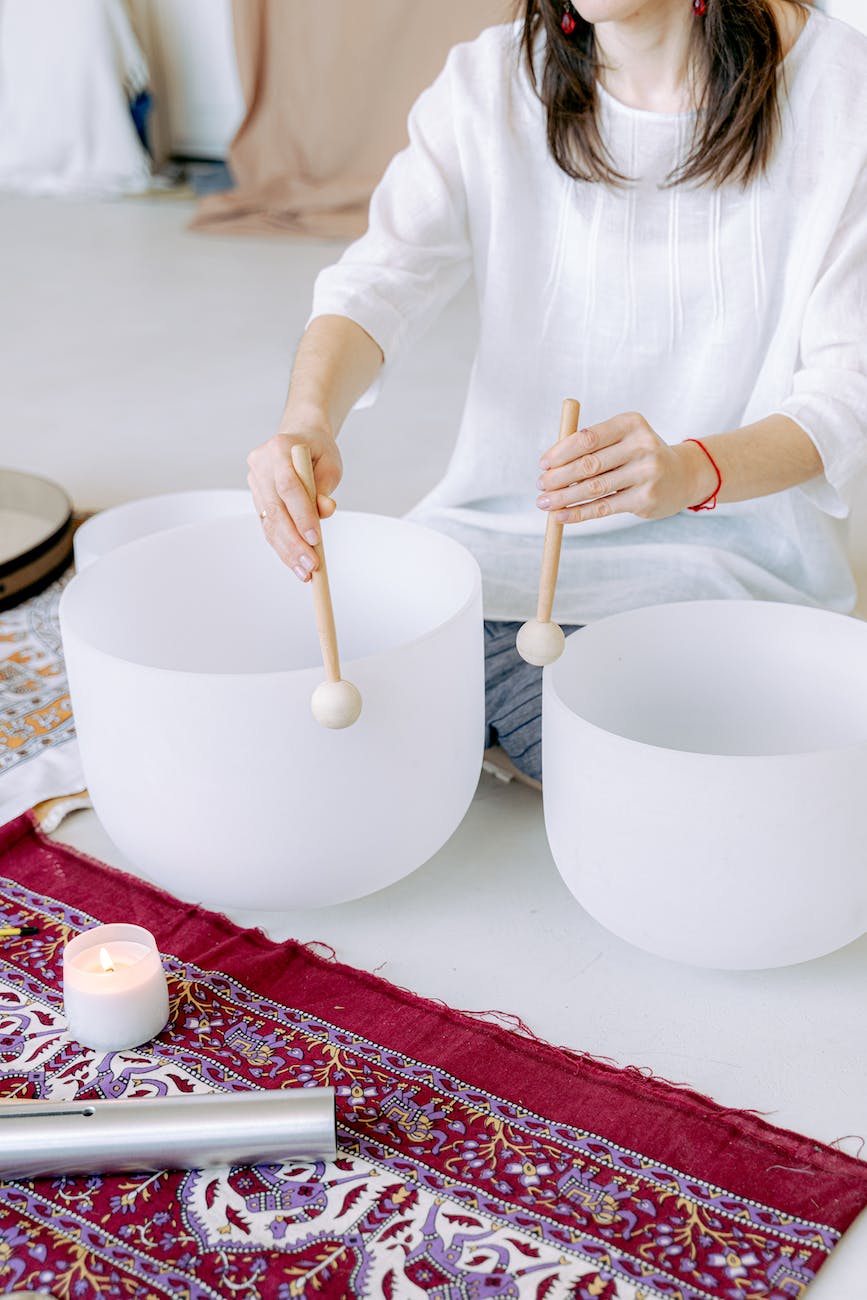
1. Singing Bowls: Singing bowls are one of the most commonly used instruments in sound healing. These bowls, often made of metal, produce soothing and resonant sounds when struck or played with a mallet. The vibrations and frequencies of singing bowls help to relax the mind and body, release tension, and promote a state of deep relaxation and healing.
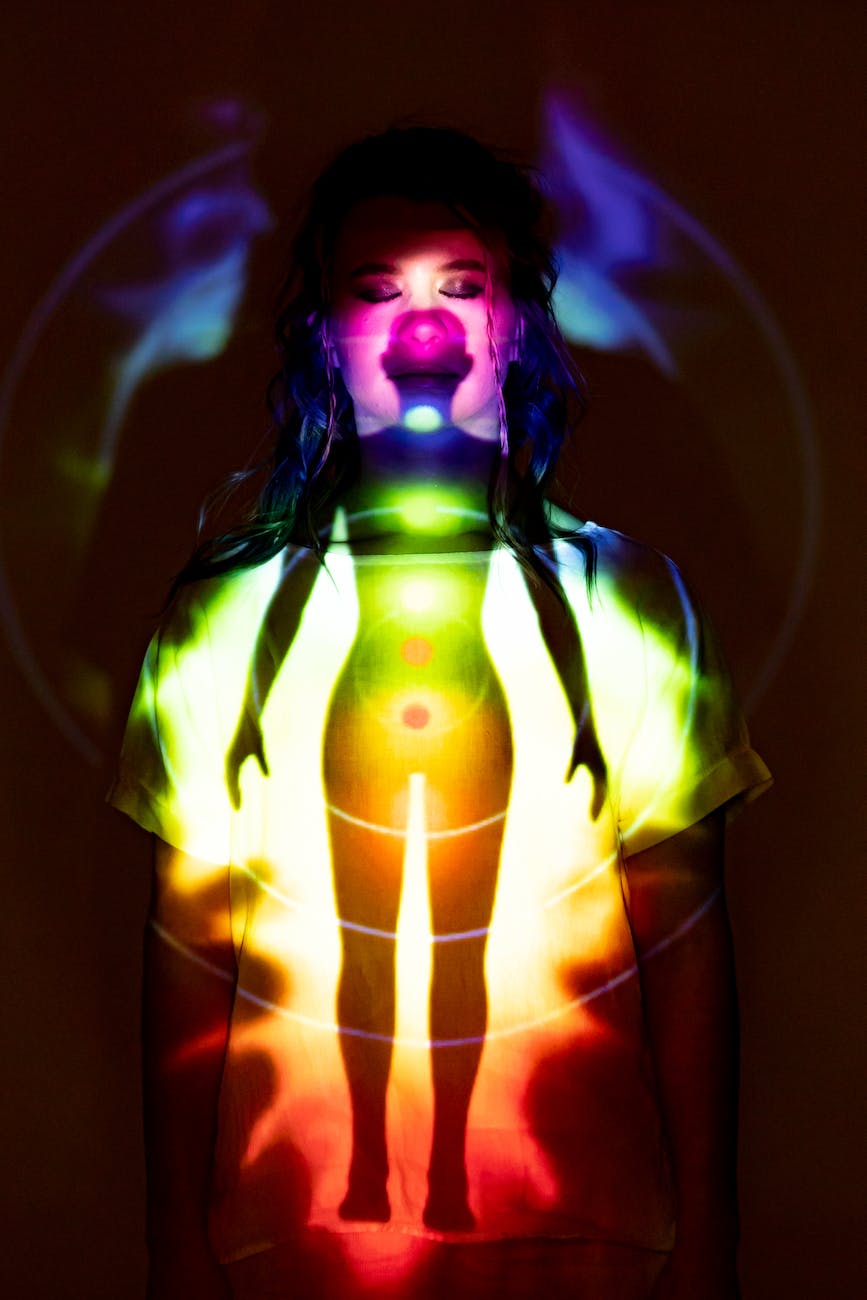
2. Tuning Forks: Tuning forks are another popular instrument used in sound healing. These metal forks produce pure tones when struck. By placing the tuning forks on or near specific points on the body, practitioners can stimulate the body’s natural healing response and restore balance to the energy centers, or chakras, of the body. Tuning forks are also used for diagnosing and addressing energetic imbalances.
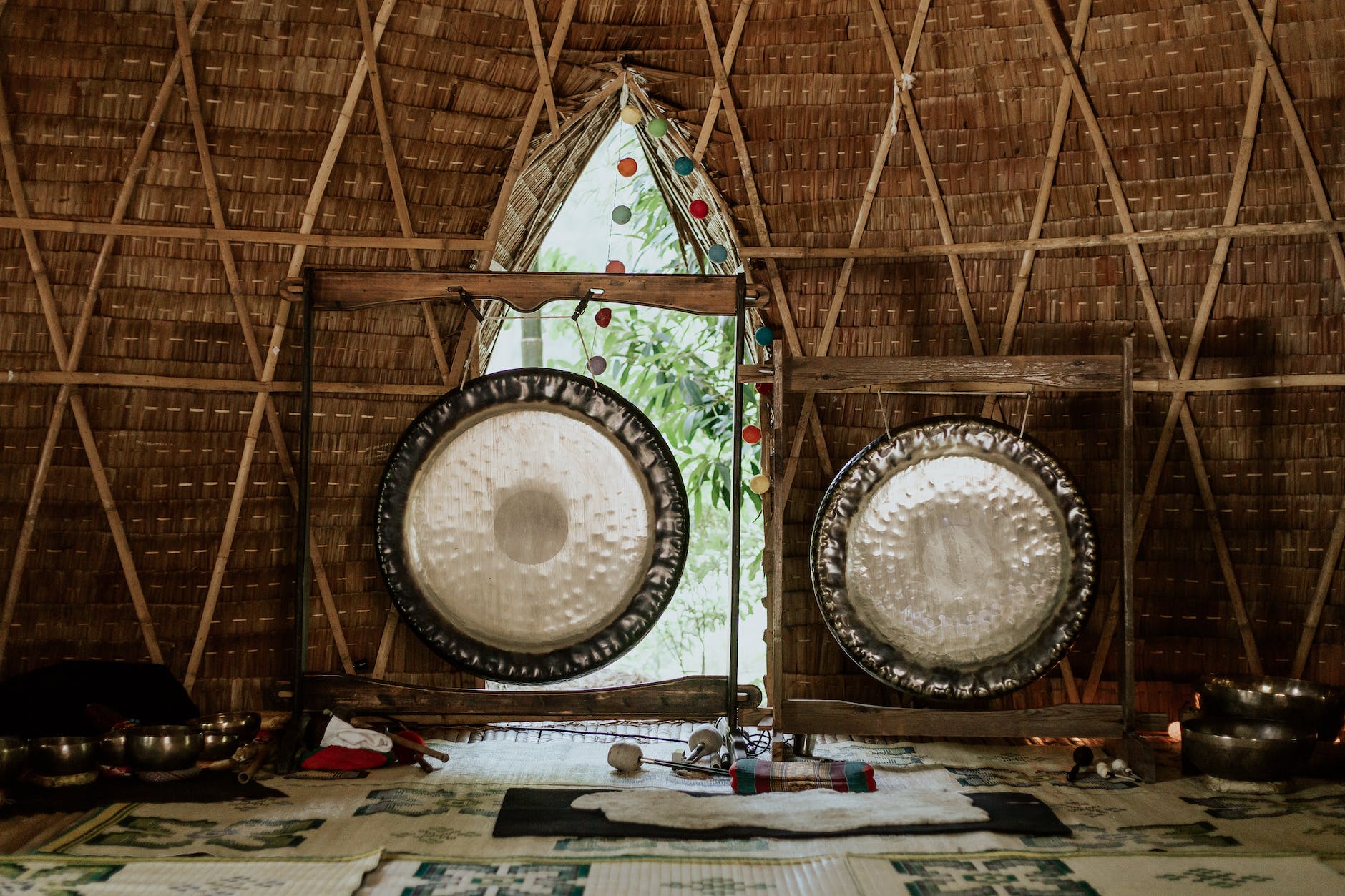
3. Gongs: Gongs are large, circular metal instruments that produce a wide range of harmonic tones and vibrations when struck. The powerful and transformative sound of gongs helps to release blockages, clear stagnant energy, and create a sense of spaciousness and expansion. Gong baths, which involve being immersed in the resonant sounds of gongs, are particularly popular for inducing deep relaxation and facilitating emotional release.
4. Chimes and Bells: Chimes and bells are often used in sound healing to create gentle and melodic tones. These instruments produce high-frequency sounds that help to uplift and purify the energy in a space. Chimes and bells can be used to clear stagnant energy, promote mental clarity, and create a sense of harmony and balance.
5. Drumming: Drumming has been used for centuries as a powerful sound healing tool. The rhythmic beats and vibrations of the drum help to synchronize brainwaves, induce a meditative state, and release emotional tension. Drum circles, where participants play drums together, are a popular form of group sound healing and community building.
6. Voice and Mantras: The human voice is a potent instrument for sound healing. By chanting mantras or toning specific sounds or vowels, practitioners can tap into the power of their own voice to create healing vibrations. The vibrations produced by the voice help to balance the energy centers, release emotional blockages, and promote relaxation and well-being.
7. Nature Sounds: Nature sounds, such as the sound of waves, birdsong, or gentle rain, are often used in sound healing to create a calming and nurturing environment. These sounds help to evoke a sense of connection with the natural world and facilitate deep relaxation and restoration.
8. Sound Baths and Soundscapes: Sound baths and soundscapes are immersive experiences where a variety of instruments and sounds are played together to create a multi-dimensional and deeply transformative experience. Participants lie down or sit comfortably and allow the vibrations and frequencies of the sounds to wash over them, creating a state of deep relaxation, rejuvenation, and inner exploration.
These are just a few examples of the many modalities and instruments used in sound healing. Each instrument and technique has its unique qualities and benefits, and practitioners often combine different modalities to create a customized and holistic healing experience.
In the next section, we will explore the therapeutic benefits of sound healing and its potential to promote overall well-being and self-transformation.
Overcoming Skepticism: Addressing Misconceptions and Criticisms Surrounding Sound Healing
While sound healing has gained popularity in recent years, there are still skeptics and critics who question its effectiveness. In this section, we will address some of the common misconceptions and criticisms surrounding sound healing, shedding light on the true potential and benefits of this ancient practice.
1. Lack of scientific evidence: One of the main criticisms of sound healing is the perceived lack of scientific evidence supporting its claims. While it is true that there is limited scientific research specifically focused on sound healing, there is a growing body of research exploring the effects of sound and vibration on the human body and mind. Studies have shown that sound therapy can reduce stress, alleviate pain, promote relaxation, and improve mood. Additionally, anecdotal evidence from individuals who have experienced the benefits of sound healing firsthand cannot be dismissed.
2. Placebo effect: Skeptics often argue that the positive effects reported by individuals who undergo sound healing are simply due to the placebo effect, rather than any inherent properties of the sound itself. While the placebo effect may play a role in any form of therapy, the profound experiences and transformations witnessed by many sound healing practitioners suggest that there is more to it than mere suggestion. Sound healing works at a deep energetic level, facilitating the release of emotional blockages, and promoting overall well-being.
3. Lack of regulation and standardized training: Another criticism of sound healing is the lack of regulation and standardized training for practitioners. Unlike other healthcare professions, there is no universally recognized certification or licensing for sound healing practitioners. While this may be a valid concern, it is important to note that many sound healing practitioners undergo extensive training and study in various modalities, including the proper and safe use of sound healing instruments. It is recommended to seek out practitioners who have received training from reputable sources and have years of experience in the field.
4. Cultural appropriation: Sound healing draws inspiration from various ancient traditions and cultures, which has led to concerns about cultural appropriation. Critics argue that the commercialization and commodification of sound healing instruments and practices can be disrespectful to the cultural origins of these practices. It is crucial to approach sound healing with cultural sensitivity and respect, acknowledging the roots of these traditions and honoring their significance.
Despite these criticisms, sound healing continues to gain recognition and acceptance as a powerful tool for holistic well-being. The experiences and testimonials of individuals who have undergone sound healing cannot be ignored, and there is a growing interest in integrating sound healing into mainstream healthcare practices.
In the next section, we will explore the therapeutic benefits of sound healing in more detail, discussing its potential to promote physical, emotional, and spiritual healing.
The Future of Sound Healing: Emerging Trends and Innovations in the Field
As sound healing gains more recognition and acceptance, the field is constantly evolving with emerging trends and innovations. Here, we will explore some of the exciting developments and future possibilities for sound healing.
1. Integrating technology: Technology has the potential to revolutionize the practice of sound healing. With the advancements in virtual reality (VR) and augmented reality (AR), practitioners can create immersive and transformative healing experiences. Imagine being able to enter a virtual sound healing environment that transports you to a serene natural setting or a sacred space with resonating sounds, enhancing the therapeutic effects of the session. Additionally, wearable devices that utilize sound frequencies and vibrations can provide personalized and targeted healing experiences.
2. Scientific research: As the demand for scientific evidence supporting the efficacy of sound healing continues to grow, more research studies are being conducted to explore its effects on the human body and mind. This research will not only provide a better understanding of the mechanisms behind sound healing but also help establish standardized protocols and guidelines for its practice. The integration of sound healing into evidence-based healthcare systems and the collaboration between sound healing practitioners and researchers will further enhance its credibility and recognition.
3. Sound healing in healthcare settings: Traditional healthcare systems are beginning to recognize the potential benefits of sound healing and are incorporating it into their practices. Hospitals, clinics, and wellness centers are integrating sound healing therapies alongside conventional treatments to enhance patient well-being and support the healing process. This integration can range from providing sound healing sessions as complementary therapies to incorporating sound healing techniques into rehabilitation programs and pain management protocols. As the evidence base grows, we can expect to see sound healing become a more integral part of mainstream healthcare.
4. Personalized sound healing experiences: Just as each individual is unique, their healing needs and preferences can vary significantly. The future of sound healing lies in personalized experiences tailored to meet the specific needs of each individual. By utilizing technologies like biofeedback and genetic profiling, sound healing practitioners can create customized soundscapes and therapeutic interventions that address an individual’s physical, emotional, and spiritual needs. This personalized approach has the potential to enhance the effectiveness and efficiency of sound healing practices.
5. Collaborations with other modalities: Sound healing is not limited to standalone practices. The future of sound healing involves collaborations with other healing modalities such as acupuncture, massage therapy, yoga, and energy healing. By combining different modalities, practitioners can create synergistic and holistic approaches to healing, providing a more comprehensive and integrated healing experience for individuals seeking well-being and balance.
In conclusion, the future of sound healing holds great promise and potential. With advancements in technology, increased scientific research, integration into healthcare settings, personalized experiences, and collaborations with other modalities, sound healing is poised to take center stage in the field of holistic well-being. As we continue to explore the untapped potential of this ancient practice, sound healing will undoubtedly shape the future of healthcare and contribute to the overall well-being of individuals worldwide.
Embracing the Transformative Power of Sound Healing
In conclusion, the practice of sound healing is experiencing an exciting evolution as it becomes more recognized and accepted in various fields. With the integration of technology, scientific research, healthcare settings, personalized experiences, and collaborations with other modalities, sound healing is positioned to make a significant impact on the future of holistic well-being.
The advancements in technology, such as virtual reality and wearable devices, offer practitioners the ability to create immersive and transformative healing experiences. These technologies can transport individuals to serene environments or sacred spaces, enhancing the therapeutic effects of sound healing sessions. Additionally, wearable devices that utilize sound frequencies and vibrations can provide personalized and targeted healing experiences.
Scientific research is playing a crucial role in establishing the efficacy of sound healing. By conducting more studies and exploring the effects of sound healing on the human body and mind, researchers are not only deepening our understanding of this ancient practice but also paving the way for standardized protocols and guidelines. This integration of sound healing into evidence-based healthcare systems will further enhance its credibility and recognition.
Traditional healthcare settings are also beginning to embrace sound healing. Hospitals, clinics, and wellness centers are incorporating sound healing therapies alongside conventional treatments to support patient well-being and the healing process. The integration can range from providing complementary therapies to incorporating sound healing techniques into rehabilitation programs and pain management protocols. As the evidence base grows, sound healing is expected to become an integral part of mainstream healthcare.
One of the most exciting aspects of the future of sound healing is its potential for personalized experiences. By utilizing technologies like biofeedback and genetic profiling, practitioners can create customized soundscapes and therapeutic interventions that address an individual’s unique needs. This personalized approach enhances the effectiveness and efficiency of sound healing practices, leading to more profound and targeted results.
Furthermore, collaborations with other modalities bring new dimensions to sound healing. By combining practices such as acupuncture, massage therapy, yoga, and energy healing, practitioners can create synergistic and holistic approaches to healing. These collaborations provide a more comprehensive and integrated healing experience for individuals seeking well-being and balance.
In embracing the transformative power of sound healing, we are entering an era where ancient traditions are merging with modern innovations. As we continue to explore the untapped potential of sound healing, it is clear that this ancient practice will shape the future of healthcare and contribute to the overall well-being of individuals worldwide. By recognizing its worth and embracing its transformative qualities, we have the opportunity to unlock the full potential of sound healing and its ability to heal, restore, and elevate our lives.







 The Harmonious Sound Journey