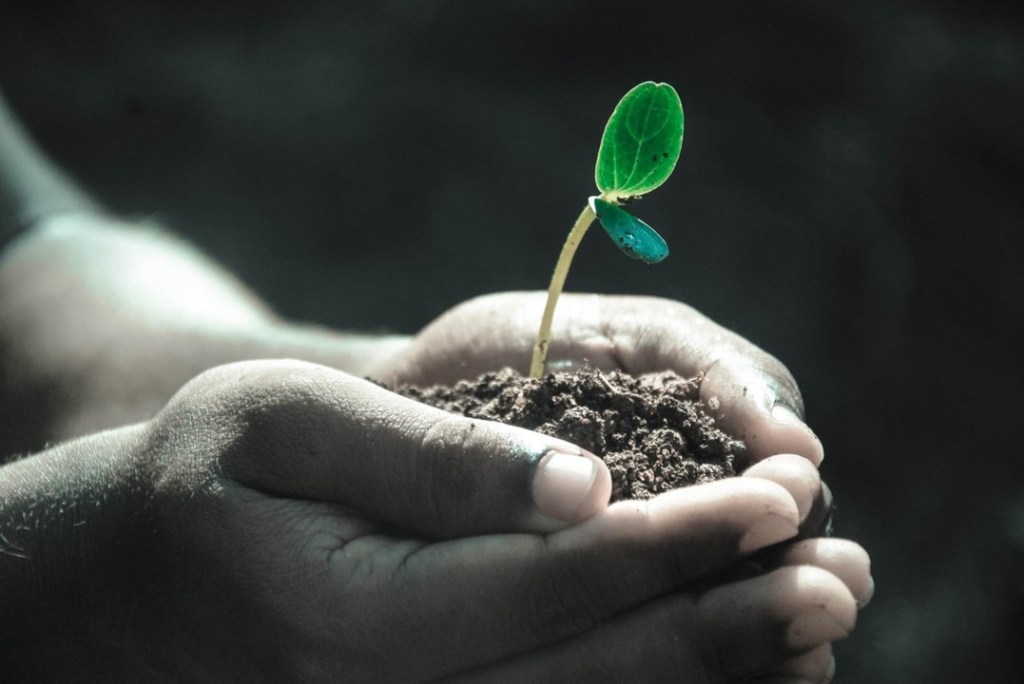
Aspiration for change and ambition for improvement and success as a metaphor for growth and transformation as a butterfly casting a shadow of a flying bird with 3D illustration elements.
In the alchemy of transformation, We delve deep into the shadows of our souls, To uncover the hidden gold within, To transmute our pain into wisdom, To turn our suffering into strength.
The process is not easy, It requires courage and perseverance, To face our fears head on, To confront our demons with love, To embrace the darkness as part of the journey.
We must be willing to let go, Of old beliefs and patterns that no longer serve us, To shed our old skin like a snake, And emerge anew, reborn and transformed, Like the phoenix rising from the ashes.
The alchemy of transformation is not for the faint of heart, It requires us to be willing to do the work, To look within and face our own shadows, To do the inner work necessary for growth.
But in the end, the rewards are great, For through the alchemy of transformation, We find our true selves, Our authentic selves, Our highest selves.
We become the masters of our own destiny, The creators of our own reality, The alchemists of our own lives, Transforming lead into gold, Turning our wounds into wisdom.
So let us embrace the alchemy of transformation, Let us dive deep into the cauldron of our souls, And emerge as shining beacons of light, Radiating love and strength, Transformed and reborn.
In our latest podcast episode, we delve deep into the heart of what it means to be truly empowered and emotionally liberated. We embark on a mindful odyssey, guiding our listeners to reclaim their inner strength and serenity, to embrace the art of letting go, and to awaken the spiritual warrior within.
The journey of empowerment is one that resonates deeply with many. It is about understanding and embracing the divine power that resides within each of us. Our episode begins with an exploration of the emotional weight we all carry, and the realization that our strength is much greater than we often give ourselves credit for. It’s about uncovering resilience in the face of life’s emotional tempests and recognizing that, despite the difficulties, we have an incredible capacity to persevere.
Our inspiring guest imparts a potent message of empowerment, urging listeners to see themselves as both warriors and goddesses. The episode isn’t merely a narrative—it’s a transformative experience, inviting you to breathe deeply and feel empowered, knowing you are eternally connected to the cosmos and grounded in your own power.
As the sound of Tibetan singing bowls fills the air, we are reminded of the harmony and balance that can be achieved through mindfulness and emotional release. Our guest speaks to the sanctity of the individual, to the intrinsic worth that exists within each of us. The conversation shifts towards cultivating an unshakable self-worth through the mindful release of emotions and the cultivation of a deep sense of pleasure that is our birthright.
The chapter summaries provide a glimpse into the various stages of the episode, each one an integral part of the overall journey. From acknowledging and releasing difficult emotions to grounding oneself in the present, the summaries set the stage for a profound exploration of self-discovery.
Our transcript samples from key chapters offer powerful affirmations and mindfulness practices designed to strengthen the listener’s resilience and capacity to handle life’s challenges. By tuning into the body and acknowledging emotions without becoming entangled in their stories, we teach listeners to train their minds to recognize that they are indeed capable and okay.
The episode’s narrative weaves through the pains and difficulties we’ve all faced, acknowledging the small frustrations and larger experiences of grief and tragedy that have brought us to this moment. It’s a celebration of our natural resiliency and a reminder that we are capable of navigating through life’s storms.
In closing, the episode surrounds listeners with the comforting presence of spiritual guides and the healing vibrations of sound therapy. It is a moment of perfect presence, a reminder that everything is okay, and a testament to the unconditional love and acceptance that we all deserve.
This podcast episode is not just a mental voyage; it’s a call to action, a beckoning to embrace the warrior goddess within, to harness the goddess energy for unbounded empowerment, and to stand firmly in the knowledge of one’s own sacredness and power. It’s an invitation to step into a life of emotional liberation and to live as the divine force you truly are.
In our latest podcast episode, “Symphony of Self-Love: A Meditative Journey with Poetry and Sound,” we invite you to embark on a deeply personal and transformative experience. The episode serves as a sanctuary for listeners to foster an attitude of self-care and compassion. By integrating the gentle cadence of guided meditation with the resonant vibrations of gongs and Tibetan singing bowls, the episode creates an auditory embrace that uplifts the spirit.
The practice of self-love is central to our wellbeing, yet it’s often neglected in the hustle of daily life. This session focuses on the transformative power of self-love meditation, guiding you through breathing exercises that promote relaxation and a peaceful state of mind. The significance of self-love in our daily lives cannot be overstated—it is the foundation upon which we build our self-esteem and the lens through which we view our worth. Through visualization techniques, the episode encourages listeners to cultivate a loving attitude towards themselves and to choose actions that reflect this, such as opting for nutritious foods and embracing quiet moments.
Additionally, the episode seamlessly incorporates a poem titled “Journey Inside Yourself,” which encapsulates the essence of introspection and the strength found within. The poem serves as a beacon, encouraging listeners to navigate their path with love and courage. It highlights themes of rebirth, personal truth, and the empowering realization that within each of us lies a profound depth of love and potential.
Meditation and poetry are powerful tools for self-discovery and healing. By combining these elements, the podcast offers a unique opportunity to connect with oneself on a deeper level. Listeners are encouraged to let go of negative self-talk and to embrace positive affirmations that reinforce their intrinsic value and capacity for love.
The episode is not only a guide to self-love but also an invitation to make intentional choices that support our physical and emotional health. Through the act of listening and engaging with the content, individuals are prompted to reflect on their own self-care practices and to make space for growth and self-compassion.
By providing an accessible way to practice mindfulness and self-love, the podcast aims to reach individuals seeking to enhance their mental and emotional wellbeing. It is a resource for those looking to find peace amid chaos and to embrace the beauty of their inner world.
As you immerse yourself in this auditory journey, you’ll find that the echoes of peace and empowerment linger long after the episode ends. It is a testament to the enduring power of self-love and the profound impact that mindful practices can have on our lives.
We hope that listeners will carry the lessons and serenity from this episode with them, nurturing a symphony of self-love that resonates in every aspect of their lives. Tune in to discover how the harmonious medley of guidance, music, and poetry can uplift your spirit and inspire a lasting practice of self-love and introspection.
Embark on a transformative journey where the art of self-love becomes not just a practice but a symphony for the soul. With every breath in this guided meditation, discover a sanctuary within yourself, a place where serenity meets self-compassion. Breathe in deeply, inviting calmness, and let each exhale release the thoughts holding you back from truly embracing the love you deserve. Our latest session is a blend of intentional breathing exercises and sensory grounding, designed to cultivate an empowering attitude towards self-care, from the foods we choose to the quiet moments we allow ourselves.
As you settle into this auditory embrace, I’ll be intertwining my own creative expressions with our practice, including the resonant vibrations of gongs and Tibetan singing bowls. Imagine starting your day not just with tranquility but with a piece of my soul shared through a heartfelt poem, “Journey Inside Yourself.” This poetic musing captures the essence of introspection and the strength found within, encouraging you to navigate your path with love and courage. Let the harmonious medley of guidance, music, and poetry uplift your spirit, and may you carry the echoes of this peace throughout your day.
Living with your authentic self, A journey of discovery and growth, Embracing all that makes you unique, Unraveling layers of masks and falsehoods, Unveiling the true essence within.
It begins with a quiet whisper, A gentle urging from deep within, To peel back the veneer of expectations, To cast off the shackles of conformity, And stand boldly in your own truth.
It’s not always an easy path to tread, For society’s pressures can be strong, But the rewards of authenticity are boundless, A sense of freedom and inner peace, A connection to your soul’s deepest desires.
Living authentically means honoring your values, Staying true to your beliefs and principles, Even when it’s not the popular choice, Even when it requires courage and conviction, Knowing that your integrity is worth more than approval.
It means embracing your flaws and imperfections, Seeing them not as weaknesses, but as strengths, For they make you human, relatable, real, And in their acceptance, you find liberation, No longer weighed down by the burden of perfection.
Living authentically is a practice of self-love, Of treating yourself with kindness and compassion, Of listening to your body, mind, and spirit, And giving yourself the care and attention you deserve, For you are worthy of love, just as you are.
It’s about trusting your intuition, Following the whispers of your heart, Even when logic and reason protest, For your inner wisdom knows the way, And will lead you to the life you were meant to live.
Living authentically is a journey of self-discovery, Of uncovering the layers of conditioning, That have shaped your beliefs and behavior, And choosing to rewrite your story, In alignment with your true essence.
It’s about being vulnerable and authentic, Openly expressing your thoughts and feelings, Without fear of judgment or rejection, Knowing that your truth is a gift, That can inspire and empower others.
Living authentically is a revolutionary act, A rebellion against the status quo, A declaration of independence from societal norms, And a reclaiming of your own power and agency, To live life on your own terms.
So embrace the wild, untamed essence within, Let it guide you on the path to authenticity, And revel in the freedom that comes, From living as your true, authentic self, For it is a gift to be cherished and celebrated.
“Ascend within: The Journey to Higher Self” is a transformative song from the album “Healing with Neptune Gong” by Sound Alchemist Julie Jewels Smoot. This powerful composition takes listeners on a profound journey of peace, self-healing, and personal transformation. Through the ethereal vibrations of the Neptune Gong, Julie Jewels Smoot guides listeners on a path of inner exploration and connection with their higher selves. Dive into the depths of this soul-stirring musical experience and unlock the transformative power within you.
The importance of personal growth
As we embark on the journey to our higher selves, personal growth becomes a pivotal aspect of our transformation. It is through personal growth that we are able to shed our old patterns, beliefs, and limitations that have kept us stagnant and disconnected from our true essence.
Personal growth empowers us to explore and expand our potential, enhancing our self-awareness and inner wisdom. It allows us to break free from the constraints of society and embrace our unique individuality. Through personal growth, we cultivate a deep sense of self-acceptance and self-love, laying the foundation for a fulfilling and authentic life.
By investing in our personal growth, we open ourselves up to endless possibilities and opportunities for self-exploration and self-mastery. So let us embark on this transformational journey to ascend within and discover the limitless potential that resides within our higher selves.
Self-reflection and awareness
Self-reflection and awareness are integral components of personal growth on the journey to our higher selves. Taking the time to pause, analyze, and understand ourselves is a powerful practice that allows us to uncover our true desires, needs, and values. Through self-reflection, we gain a deeper understanding of our thoughts, emotions, and behaviors, enabling us to make conscious choices that align with our authentic selves.
Self-awareness goes hand in hand with self-reflection. It involves having an objective perception of ourselves, acknowledging our strengths and weaknesses, and recognizing how we impact others. By cultivating self-awareness, we become more attuned to our intuition, making it easier to navigate challenges and make decisions that serve our highest good.
Engaging in practices such as journaling, meditation, and mindfulness can enhance our self-reflection and awareness abilities. These practices provide an opportunity to observe our thoughts and emotions without judgment, allowing for self-discovery and growth.
In the next blog section, we will explore additional tools and practices that can help us deepen our self-reflection and awareness as we continue our journey to higher self-realization. Stay tuned!
Setting goals for self-improvement
Setting goals for self-improvement is a vital step on the journey to our higher selves. By defining what we want to achieve and grow in, we create a clear path for personal development. Setting goals allows us to focus our energy and efforts on specific areas of our lives that require attention and nurturing.
When it comes to setting goals, it is important to make them SMART: Specific, Measurable, Achievable, Relevant, and Time-bound. This ensures that our goals are realistic and attainable, increasing our motivation and commitment to achieving them.
Additionally, regularly reviewing and adjusting our goals is key to staying on track. As we evolve and grow, our aspirations may change, and it’s essential to adapt our goals accordingly. Remember, the journey toward higher self-realization is dynamic and ever-evolving, and our goals should reflect that.
In the next section, we will delve into practical tips for setting and pursuing our self-improvement goals effectively. So, stay tuned to learn more about taking action and propelling ourselves toward our higher selves.
Seeking guidance and mentorship
On the journey to our higher selves, seeking guidance and mentorship can be incredibly beneficial. Connecting with someone who has walked a similar path and achieved personal growth can provide invaluable insights and support. A mentor can offer guidance, wisdom, and accountability as we work towards our self-improvement goals.
When looking for a mentor, it’s important to consider someone who aligns with our values and aspirations. They should have the expertise and experience we seek, but also possess the willingness to invest time and energy in our growth.
Remember, mentorship is a two-way street. It’s not just about receiving guidance, but also actively engaging and learning from our mentor. Building a strong relationship based on trust and mutual respect is crucial for its success.
In the upcoming section, we will explore effective ways to find and engage with mentors who can accelerate our journey towards higher self-realization. So, stay tuned as we delve into the power of mentorship and how it can propel us towards reaching our fullest potential.
Overcoming challenges and embracing setbacks
In the journey to our higher selves, we must be prepared to face challenges and setbacks along the way. These obstacles are not roadblocks but rather opportunities for growth and self-discovery. It is through overcoming challenges that we develop resilience and strength.
When faced with a setback, it’s important to remember that failure is not permanent. It is merely a temporary setback that can provide valuable lessons and insights. Embrace the opportunity to learn from your failures and use them as stepping stones towards your higher self.
To overcome challenges, it’s crucial to maintain a positive mindset and cultivate self-belief. Surround yourself with supportive individuals who can offer encouragement and guidance. Seek out resources such as books, podcasts, and workshops that can provide you with the tools and strategies to navigate through difficulties.
Remember, the journey to higher self-realization is not a linear path. It’s okay to stumble and make mistakes. What matters is how you bounce back and continue moving forward towards a better version of yourself.
In the next section, we will explore practical strategies for overcoming challenges and embracing setbacks on your journey to higher self. So, stay tuned as we dive deeper into the realm of personal growth and resilience.
Celebrating achievements and continued growth
After navigating through challenges and setbacks, it’s important to take the time to acknowledge and celebrate your achievements along the journey to your higher self. Recognizing your progress and how far you’ve come is essential for maintaining motivation and momentum.
Celebrate both big and small victories. Whether it’s completing a challenging task, reaching a milestone, or overcoming a personal fear, each achievement is a testament to your growth and development. Take a moment to reflect on the skills, knowledge, and resilience you have gained throughout the process.
At the same time, remember that personal growth is a continuous journey. There is always room for improvement and further expansion of your potential. Embrace a mindset of ongoing growth and be open to new opportunities for development.
Celebrate not only the destination but also the journey itself. Each step you take towards your higher self is an opportunity for personal transformation and self-discovery. Embrace the process, learn from your experiences, and continue to strive for greatness.
In the next section, we will discuss the importance of self-care and self-compassion in nurturing your higher self. So stay tuned as we delve deeper into the practices that will support your continued growth and self-realization.
Embracing the journey toward higher self
As you continue on your journey toward your higher self, it’s important to fully embrace the process and all that it entails. Transformation and self-discovery don’t happen overnight; they require time, effort, and dedication.
Embrace the ups and downs that come with personal growth. Understand that setbacks and challenges are a natural part of the journey. Instead of viewing them as failures, see them as opportunities for learning and growth. Reflect on what you can take away from each experience and use it to propel yourself forward.
Remember to be patient with yourself. Personal growth is a lifelong journey, and it’s important to give yourself the time and space to evolve and change. Be gentle and compassionate with yourself, celebrating your successes along the way.
In our next section, we will explore the different practices of self-care and self-compassion that will support you in nurturing your higher self. Stay tuned as we dive deeper into the importance of taking care of yourself through mindfulness, self-reflection, and self-love.
The Neptune Gong Challenge is open to anyone who wishes to participate. All you need is a Neptune Gong and a willingness to explore. Each day, I will provide a short prompt or exercise to help you get the most out of your gong practice. I hope you will join me on this journey of self-discovery!
Soften Your Edges
Softening your edges is about being open and flexible enough to adjust to the environment without becoming overwhelmed or defensive. In today’s exercise, we will be using the Neptune Gong to gently move energy through our bodies, helping us to achieve a sense of calmness, connection with our inner selves, and a feeling of openness.
Before you begin, you will need a Neptune Gong and three cushions or yoga mats. Lie down on your back with your feet spread apart and your palms up. Make sure that your head, neck, and shoulders are supported by the cushions. Place the Neptune Gong at the top of your head, being careful that the surface is flat.
Start by setting an intention. Visualize the energy within you and around you becoming soft, flexible, and open. As you hit the Gong, take deep breaths in and out, imagining the sound vibrating through your body and softening the edges of your energy. Allow yourself to open up to this expanded energy and explore the sensations that emerge.
Once you have finished, take a few moments to sit up and take in this new energy. As you focus on maintaining this openness, set the intention to keep this feeling of lightness and expansion with you throughout the day.
What does it mean to soften your edges?
Softening your edges is a metaphor that expresses the need to become more flexible and remain open to the environment without being overwhelmed or defensive. Softening your edges means stepping outside of one’s comfort zone – both mentally and physically – to expand your boundaries, grow, have new experiences, and learn new things.
To soften your edges means to be open to change and accept new things with enthusiasm and gratitude. It means being flexible and adaptive, rather than rigid and resistant to change. It allows for room for personal growth, trying new things, and experiencing the unknown. It’s about trusting yourself and knowing that you can handle what comes your way.
Overall, softening your edges can help you accept yourself as you are, free from worries and stress. It will help you realize and understand that no matter what obstacles or changes come your way, you can handle them, and you will grow in the process.
How can you soften your edges?
Softening your edges can start by recognizing change as necessary for growth and being proactive about it. Here are four tips to help you soften your edges:
1. Dialog with Your Inner Voice: Start being more open and honest with yourself. Acknowledge your thoughts and feelings without judging yourself. Letting your inner self be heard is an important step in learning to be more flexible and adaptive to change.
2. Mindful Thinking: Develop the ability to pause and take a step back when faced with challenging situations, and to give thought to possible solutions. Practicing mindful thinking can help you remain open and positive toward the unknown.
3. Allow for Uncertainty: Rather than focusing on the uncertainty, focus on the potential. Uncertainty does not have to be a negative thing – it can open new avenues and teach you valuable lessons.
4. Embrace Change: When faced with change, try to see the opportunity for growth and new experiences. Start to embrace the unknown, and understand that embracing change can be incredibly liberating.
Ultimately, softening your edges is not just about being open and receptive to change, but about being open to growth and different experiences as well. While it may be a challenge to start, with dedication and practice, you’ll eventually find that embracing change and the unknown will greatly expand your life. with has completely different beliefs or values. It is important to approach the conversation with empathy and be willing to empathize with the other’s views.
Have Flexible Goals:
Define the must-haves, but also be willing to be flexible on certain things. Expect that plans and objectives can, and will, change and be prepared to respond accordingly.
Belief in Yourself: Belief in yourself, your capabilities and your judgment. Know that you can grow, evolve and be flexible with your choices and beliefs.
Tradition holds that 285 Hz is a frequency that promotes the healing and regeneration of tissues and organs in the body. It may boost the immune system as well. These physical properties make 285 an ideal frequency for rejuvenating the body, soul, and mind. Sound Alchemist Julie Jewels Smoot has dedicated her life to harnessing the power of sound and vibration for transformation and healing. In this blog, she explores the potential of the 285 Hz Solfeggio frequency and how it can unlock your full potential. Join us on this transformative journey and discover the power of sound for personal growth and self-discovery.
Understanding the Science behind Solfeggio Frequencies
To fully grasp the power and potential of the 285 Hz Solfeggio frequency, it is essential to delve into the scientific background that supports its effects on the body and mind.
Solfeggio frequencies are based on the ancient musical scale known as Just Intonation. This scale is believed to have been used by early philosophers and musicians to create harmonious and healing sounds. Each frequency within the Solfeggio scale corresponds to a specific energy center or chakra within the body.
Scientific research has demonstrated the profound impact that sound frequencies can have on our physical and emotional well-being. It is believed that when the body’s energy centers are brought into alignment through the use of Solfeggio frequencies, it can lead to a state of balance and harmony.
In the next section, we will explore the specific benefits and transformative effects that the 285 Hz frequency can have on your personal growth and self-discovery. Stay tuned as we dive deeper into the potential of this remarkable frequency.
Why 285 HZ Solfeggio Frequency is Key for Personal Transformation
Now that we have established an understanding of the scientific basis behind Solfeggio frequencies, let’s focus specifically on why the 285 Hz frequency is crucial for personal transformation.
The 285 Hz Solfeggio frequency resonates with the energy center known as the root chakra, which is located at the base of the spine. This chakra is associated with feelings of stability, grounding, and security. When this energy center is out of balance, it can manifest as feelings of fear, anxiety, and lack of control.
By listening to and harnessing the power of the 285 Hz frequency, you can begin to restore balance and alignment to the root chakra. This, in turn, can help you feel more grounded, secure, and connected to the present moment. It can also assist in releasing any deep-seated fears or traumas that may be holding you back from reaching your full potential.
In the following section, we will discuss practical ways to incorporate the 285 Hz Solfeggio frequency into your daily life and how it can amplify your personal growth journey. Stay tuned to unlock the transformative power of this frequency.
Techniques for Harnessing the Power of 285 HZ Solfeggio Frequency
In this section, we will explore some practical techniques for incorporating the 285 Hz Solfeggio frequency into your daily life to unlock its transformative power. Here are a few ways you can harness the energy of this frequency:
1. Meditation: Find a quiet space, close your eyes, and focus your attention on the sound of the 285 Hz frequency. Allow its vibrations to resonate within you, visualizing the energy flowing into your root chakra, bringing stability and grounding.
2. Sound Bath: Create a relaxing atmosphere by playing music or nature sounds infused with the 285 Hz frequency. Lie down or sit comfortably, allowing the soothing vibrations to wash over you, promoting deep relaxation and healing.
3. Affirmations and Visualization: While listening to the 285 Hz frequency, repeat positive affirmations related to stability, security, and personal transformation. Visualize yourself embodying these qualities, releasing fears and embracing your full potential.
Remember, consistency is key when working with Solfeggio frequencies. Incorporate these techniques into your daily routine to experience the profound effects of the 285 Hz frequency on your personal growth journey. Stay tuned for more insights on harnessing the power of Solfeggio frequencies in our next blog section.
Maximizing the Benefits: How to Incorporate 285 HZ Solfeggio Frequency in Daily Life
In order to fully maximize the benefits of the 285 Hz Solfeggio frequency, it is important to incorporate it into your daily life in various ways. Here are a few suggestions on how to do so:
1. Morning Ritual: Start your day by listening to music or meditation tracks that include the 285 Hz frequency. Allow it to set the tone for the day ahead, promoting stability and grounding from the moment you wake up.
2. Personal Space: Create a dedicated space in your home where you can immerse yourself in the healing vibrations of the 285 Hz frequency. Set up a comfortable meditation corner or an area where you can listen to sound baths regularly.
3. Mindful Activities: Incorporate the 285 Hz frequency into mindful activities such as yoga, journaling, or even during your workout sessions. This will enhance your focus and intention while engaging in these activities, facilitating personal transformation.
Remember, the key is to make the 285 Hz frequency a consistent part of your daily routine. By integrating it into various aspects of your life, you will unlock its full potential and experience profound positive changes. Stay tuned for more tips and insights on harnessing the power of Solfeggio frequencies in our upcoming blog section.
Testimonials and Success Stories: Real-Life Transformations with 285 HZ Solfeggio Frequency
As promising as the 285 Hz Solfeggio frequency may sound, you may still have some doubts about its effectiveness. In this next blog section, we will look at real-life testimonials and success stories from individuals who have experienced transformative effects by incorporating the 285 Hz frequency into their daily lives.
These stories will shed light on the various ways in which this frequency has helped people overcome challenges, increase self-awareness, and reach their full potential. From improved mental clarity to enhanced emotional well-being, these testimonials will demonstrate the power of the 285 Hz frequency in facilitating personal growth and transformation.
So, if you’re hungry for inspiration, stay tuned for this compelling section where we’ll share these incredible success stories. Prepare to be amazed at the possibilities that await you with the 285 Hz Solfeggio frequency.
Exploring Further: Other Solfeggio Frequencies for Holistic Well-being
Now that we have delved into the transformative power of the 285 Hz Solfeggio frequency, let’s take a moment to expand our knowledge and explore other frequencies in the Solfeggio scale that can contribute to your holistic well-being.
The Solfeggio scale consists of nine frequencies, each believed to have its own unique benefits and healing properties. From the 174 Hz frequency that aids in reducing pain and inflammation to the 963 Hz frequency that stimulates higher consciousness and spiritual connection, these frequencies offer a wide range of potential benefits.
In the next section, we will uncover the secrets and benefits of each frequency in the Solfeggio scale. By understanding the power behind each frequency, you will be equipped with the knowledge needed to unlock your full potential and harness the transformative effects of these ancient tones.
Get ready to embark on a journey of healing and self-discovery as we dive into the world of other Solfeggio frequencies for holistic well-being. Stay tuned!
Embrace Your True Potential with 285 HZ Solfeggio Frequency
In conclusion, embracing the power of the 285 Hz Solfeggio frequency can truly unlock your full potential and bring about transformative change in your life. By aligning with this frequency, you can experience a deep sense of peace, harmony, and balance.
Remember, the 285 Hz frequency is just one of the nine frequencies in the Solfeggio scale, each with their own set of benefits and healing properties. Exploring these other frequencies can further enhance your holistic well-being and lead to profound personal growth.
So, take the time to delve into the world of Solfeggio frequencies and discover the immense power they hold. Embrace your true potential, harness the transformative effects of these ancient tones, and unlock a life of abundance, joy, and fulfillment.
Now that you understand the potential of the 285 Hz frequency, it’s time to dive deeper into the other frequencies in the Solfeggio scale. Stay tuned as we explore these frequencies in the next blog section and learn how they can contribute to your overall well-being.
The Enneagram is a powerful tool for personal growth and self-discovery, and one type that stands out for its loyalty is Type Six, also known as The Loyalist. These individuals are steadfast and devoted, remaining loyal to their friends, beliefs, and even challenging the status quo. In this blog, we will unravel the secrets of the Enneagram and explore how understanding and embracing The Loyalist type can lead to personal growth and transformation. Join us as we delve into the complexities of this personality type and discover how it can impact our lives. Navy Veteran and Sound Alchemist Julie Jewels Smoot, who embodies the spirit of loyalty, will share her insights and experiences along the way.
What is the Enneagram and why is it significant?
The Enneagram is a dynamic personality system that goes beyond simple categorizations. It identifies nine primary types, each representing distinct patterns of thinking, feeling, and behaving. What sets the Enneagram apart is its ability to uncover the underlying motivations and fears that drive our actions. By understanding these inner workings, we can gain profound insights into ourselves and others, leading to personal growth and transformation.
The significance of the Enneagram lies in its capacity to provide a roadmap for self-discovery. It allows us to uncover our blind spots, revealing our strengths and areas for development. By shining a light on our core motivations and beliefs, the Enneagram empowers us to break free from self-imposed limitations and engage in more fulfilling relationships.
Unlock the secrets of the Enneagram and embark on a journey of self-discovery. In the next section, we will explore The Loyalist type in greater depth, unraveling the intricacies of their loyal nature and the transformative potential it holds.
Exploring the Loyalist Type: Traits and Characteristics
In this section, we will delve deeper into the traits and characteristics of the Loyalist type within the Enneagram framework. The Loyalist, also known as Type Six, is known for their inherent sense of loyalty and commitment. They strive to create a secure and structured environment, often seeking guidance and reassurance from others.
Loyalists tend to be cautious and skeptical, constantly on the lookout for potential threats and dangers. Their fear of being abandoned or betrayed drives them to seek support from others, forming strong bonds and alliances. Their reliability and dependability make them valuable team players and trusted friends.
However, the Loyalist’s loyalty can sometimes manifest as anxiety and overthinking. They may have a tendency to second-guess themselves or seek validation from others. It is important for Loyalists to cultivate self-trust and confidence, learning to rely on their own judgment.
Next, we will explore the transformative potential of the Loyalist’s loyal nature and how it can foster personal growth and resilience. Stay tuned for the next section as we unravel the secrets of the Loyalist type within the Enneagram.
Harnessing the Power of the Loyalist Type for Personal Growth
In this section, we will discuss how the loyal nature of the Loyalist type within the Enneagram can be harnessed for personal growth and resilience.
One of the key strengths of the Loyalist is their unwavering commitment and loyalty. They are incredibly reliable, always willing to lend a helping hand and go the extra mile for those they care about. This loyalty can be channeled into personal growth by cultivating trust and belief in oneself.
By recognizing their own capabilities and strengths, Loyalists can become more confident in their decision-making and reduce their tendency to seek validation from others. They can learn to trust their instincts and rely on their own judgment, fostering a sense of self-confidence and independence.
Additionally, the Loyalist’s cautious nature can serve as a valuable tool for personal growth. By recognizing their fears and anxieties, Loyalists can confront and address them head-on. This can lead to personal growth and the ability to navigate uncertain situations with resilience.
In the next section, we will explore practical strategies and techniques for Loyalists to harness the power of their loyalty and transform it into personal growth and resilience. Stay tuned as we unravel the secrets of the Loyalist type within the Enneagram framework.
Unraveling the Secrets of the Enneagram: Tools and Resources
In this next section, we are going to dive deeper into the Enneagram framework and explore various tools and resources that can help Loyalists maximize their personal growth and resilience.
Firstly, understanding the Enneagram in more detail is crucial. Loyalists can benefit from delving into books, podcasts, and workshops that provide comprehensive insights into their personality type. These resources can deepen their understanding of their own tendencies, strengths, and areas for improvement.
Additionally, practicing self-reflection and journaling can be powerful tools for Loyalists. By setting aside dedicated time to reflect on their thoughts, emotions, and behaviors, Loyalists can gain valuable insights into their patterns, triggers, and areas of growth.
Furthermore, seeking support from a professional Enneagram coach or therapist can be immensely beneficial. These experts can provide guidance, offer practical strategies tailored to the Loyalist type, and help navigate any challenges that may arise during the personal growth journey.
Lastly, connecting with a community of like-minded individuals can provide Loyalists with a sense of belonging and understanding. Online forums, social media groups, and local Enneagram study groups can serve as platforms for sharing experiences, gaining insights, and receiving support from others on a similar path.
By utilizing these tools and resources, Loyalists can unlock the full potential of their loyalty and experience profound personal growth and resilience. Stay tuned for the next section, where we will provide specific techniques and practices that can empower Loyalists on their journey of self-discovery and transformation.
Applying the Enneagram to Daily Life: Practical Tips for Personal Development
In this next section, we will explore practical tips and techniques that Loyalists can incorporate into their daily lives to facilitate personal development. By applying the Enneagram framework, Loyalists can navigate challenges, enhance their self-awareness, and cultivate healthier behaviors.
1. Awareness of triggers: Loyalists are prone to anxiety and worry. By identifying the situations, people, or thoughts that trigger these feelings, Loyalists can develop strategies to manage their responses better. This may involve using grounding techniques, practicing deep breathing exercises, or reframing negative thoughts.
2. Embracing change: Loyalists often resist change and prefer stability. However, personal growth requires stepping out of the comfort zone. Loyalists can challenge themselves by seeking new experiences, trying different perspectives, or taking calculated risks. Gradually exposing themselves to change can help Loyalists build resilience and adaptability.
3. Setting boundaries: Loyalists tend to overcommit and prioritize others’ needs over their own. Establishing healthy boundaries is crucial for self-care and personal growth. Loyalists can practice saying no, delegating tasks, and allocating time for self-care activities. This empowers them to prioritize their own well-being and avoid burnout.
4. Developing trust: Loyalists often struggle with trust issues, both with themselves and others. Building trust starts with cultivating self-compassion and self-acceptance. Loyalists can also work on fostering open and honest communication in their relationships, allowing trust to grow organically.
By incorporating these practical tips into their daily lives, Loyalists can harness the power of the Enneagram to cultivate personal growth and resilience. In the next section, we will explore specific Enneagram practices tailored to the Loyalist personality type. Stay tuned for more!
Embracing Personal Growth through the Loyalist’s Perspective
In this next section, we will delve deeper into personal growth practices from the perspective of a Loyalist. As Loyalists, you have a unique set of strengths, challenges, and growth opportunities. By understanding and embracing these aspects, you can unlock your true potential.
1. Utilizing research and information: Loyalists have a natural curiosity and thirst for knowledge. Use this strength to your advantage by diving deep into research and gathering information about topics that align with your interests. By becoming well-informed, you can make more confident decisions, alleviate anxiety, and gain a sense of control.
2. Cultivating a support network: Loyalists thrive when they have a supportive community around them. Invest time in building meaningful connections with like-minded individuals who understand your loyalty and insecurities. Surrounding yourself with a network of trusted friends, mentors, or support groups can provide you with the encouragement and reassurance you need to embark on your personal growth journey.
3. Practicing self-compassion: Loyalists have high expectations for themselves and often criticize their own actions. Cultivate self-compassion by embracing your vulnerabilities and acknowledging that mistakes are part of the growth process. Treat yourself with kindness, patience, and forgiveness as you navigate through challenges and setbacks.
4. Building resilience: Loyalists have a natural ability to anticipate potential dangers and plan for contingencies. Use this strength to build resilience by proactively preparing for challenges and setbacks. Embrace the mindset that failures are opportunities for growth and learning. Recognize that setbacks are not indicative of your worth or capabilities but rather stepping stones towards personal growth.
By embracing these practices tailored for Loyalists, you will unlock your full potential and experience profound personal growth. In the next section, we will explore specific exercises and techniques designed to help you further integrate these practices into your daily life. Stay tuned to continue unraveling the secrets of the Enneagram for personal growth!
Embracing the Enneagram for Personal Growth
In conclusion, understanding and embracing the Enneagram from the perspective of a Loyalist can have a transformative impact on your personal growth journey. By utilizing research and information, cultivating a support network, practicing self-compassion, and building resilience, you can unlock your true potential and experience profound growth.
Remember, the Enneagram is a tool that provides deep insights into our personality patterns, motivations, and behaviors. It is not meant to box us in or limit our potential. Instead, it serves as a guide for self-awareness and self-improvement. By integrating the practices tailored specifically for Loyalists, you can navigate through life’s challenges with greater confidence and inner strength.
As we continue our exploration of the Enneagram, the next section will dive into specific exercises and techniques designed to help you further integrate these practices into your daily life. Stay tuned to continue unraveling the secrets of the Enneagram for personal growth.
Sporty man on the mountain peak looking on mountain valley with sunbeams at colorful sunset in autumn in Europe. Landscape with traveler, foggy hills, forest in fall, amazing sky and sunlight in fall
In the journey of life, there are those who wander. They roam the world, seeking solace and meaning in the midst of chaos and uncertainty. This phenomenon is beautifully captured in the famous quote, “Not all who wander are lost.” Navy Veteran and Sound Alchemist Julie Jewels Smoot understands this sentiment well, as she has navigated her own traumas and found her purpose through wandering. In this professional exploration, we delve into the soul of wanderers, examining the power of wandering as a means to heal, find oneself, and make meaning out of life’s unfortunate events. Join us as we unravel the profound connection between wandering and self-discovery.
The meaning behind the famous quote
The quote “Not all who wander are lost” is often attributed to J.R.R. Tolkien. While it has become a popular phrase amongst wanderers, it holds a deeper meaning beyond the surface. For wanderers, the quote represents a profound understanding that the act of exploring and wandering does not necessarily indicate a lack of direction or purpose. Instead, it signifies a pursuit of personal growth, self-discovery, and a search for meaning.
Wanderers possess a unique perspective, as they embrace the unknown and find solace in the journey itself. Through their travels, they develop a heightened sense of curiosity, resilience, and adaptability. In this constant state of exploration, they allow themselves to be open to new experiences, relationships, and ideas. It is through these encounters that wanderers often find the answers they seek and forge a deeper connection with themselves and the world around them.
Join us as we explore further into the inner workings of wanderers and the profound impact their wandering souls have on their lives.
The characteristics of wanderers
Wanderers possess a unique set of characteristics that distinguish them from the rest. Their constant thirst for exploration and adventure fuels their actions and shapes their worldview. Here are some key characteristics of wanderers:
a) Independence: Wanderers are self-reliant individuals who have learned to trust their intuition and make decisions on their own. They have the confidence to navigate unfamiliar territories and face challenges head-on.
b) Open-mindedness: Wanderers have a natural inclination to embrace different cultures, ideas, and ways of life. Their open-mindedness allows them to learn from their experiences and gain a broader perspective on the world.
c) Resilience: The journey of a wanderer is not without obstacles. Whether it’s getting lost in an unfamiliar city or facing language barriers, wanderers possess the resilience to overcome adversity and find creative solutions.
d) Curiosity: Wanderers are driven by a deep sense of curiosity. They are constantly seeking to expand their knowledge, explore new places, and meet new people. This curiosity fuels their desire for personal growth and self-discovery.
e) Appreciation for the present moment: Wanderers understand the value of living in the present. They know that life is a collection of moments, and they savor each experience, whether big or small.
Understanding these characteristics helps us grasp the essence of wanderers and their unique approach to life. In the upcoming sections, we will delve deeper into the motivations behind their wandering souls and the transformative impact it has on their lives. So, let us continue this journey of exploration and gain a deeper understanding of the soul of wanderers.
The benefits of wandering
While wanderers may appear to have a carefree and spontaneous lifestyle, there are numerous benefits that come with indulging in the wanderlust spirit. The act of wandering itself can have transformative effects on one’s personal and professional life.
a) Self-discovery: Wandering allows individuals to step out of their comfort zones and explore new environments. In doing so, they have the opportunity to discover their true passions, strengths, and weaknesses. The process of self-discovery leads to personal growth and a deeper understanding of oneself.
b) Cultural immersion: Interacting with various cultures and communities during their travels broadens a wanderer’s perspective. They gain a firsthand understanding of different values, traditions, and ways of life. This exposure fosters tolerance, empathy, and an appreciation for diversity.
c) Enhanced creativity: New surroundings, sights, and experiences stimulate the creative mind. Wanderers often find inspiration in their wanderings, which can lead to innovative ideas and solutions in their personal and professional endeavors.
d) Adaptability and flexibility: Navigating unfamiliar territories requires the ability to adapt to new situations and challenges. Wanderers become adept at handling unexpected circumstances, making quick decisions, and finding solutions on the go. These skills are highly valuable in both personal and professional settings.
e) Broadened network: Meeting people from different backgrounds and cultures expands a wanderer’s social and professional network. These connections can lead to exciting opportunities, collaborations, and lifelong friendships.
In understanding the benefits of wandering, we gain a clearer picture of why wanderers choose to embark on their journeys. They seek personal growth, cultural immersion, and a life filled with adventure and inspiration. Join me in the next section as we delve into the motivations behind their wanderlust and the transformative impact it has on their lives.
The challenges faced by wanderers
While the wanderlust spirit may sound incredibly appealing, it is not without its fair share of challenges. Wanderers face a unique set of obstacles that can test their resilience and determination. Understanding and appreciating these challenges will provide us with a deeper insight into the soul of wanderers.
a) Unpredictability: One of the most significant challenges faced by wanderers is the inherent unpredictability of their lifestyle. From last-minute changes in travel plans to unexpected hurdles in foreign countries, wanderers must be prepared to adapt and go with the flow. This constant state of uncertainty can be both exciting and nerve-wracking.
b) Loneliness: Traveling solo or constantly moving from one place to another can be isolating. Wanderers often find themselves far away from their support network, navigating unfamiliar territories on their own. While this solitude can offer moments of introspection and self-discovery, it can also lead to feelings of loneliness.
c) Financial constraints: Financing their wanderings can be a significant challenge for wanderers. Often relying on various sources of income, such as freelance work, remote jobs, or savings, they must carefully manage their finances to sustain their adventurous lifestyle.
d) Balancing relationships: Maintaining relationships while constantly on the move can be difficult. Strained friendships and long-distance relationships are common among wanderers. Finding a balance between pursuing their wanderlust and nurturing connections with loved ones requires careful consideration and communication.
e) Risk and safety: Traveling to unfamiliar places always carries some level of risk. Wanderers must navigate potential safety concerns, language barriers, and cultural differences to ensure their well-being. Staying informed, taking necessary precautions, and making smart decisions are essential for their safety.
By acknowledging the challenges that wanderers face, we gain a more comprehensive understanding of their unique journey. Join me in the next section as we explore the coping mechanisms and strategies wanderers employ to overcome these obstacles and continue embracing the soul of wanderlust.
Strategies for embracing wanderers in professional settings
As the popularity of remote work and flexible schedules continues to rise, more professionals are embracing their wanderlust spirit and incorporating it into their careers. This trend presents both challenges and opportunities for employers and colleagues in traditional work environments.
a) Flexible work arrangements: To accommodate wanderers in professional settings, it is essential to provide flexible work arrangements such as remote work options or flexible hours. This allows wanderers to continue pursuing their passion for travel while fulfilling their professional responsibilities.
b) Effective communication: Maintaining open and effective communication channels is crucial when working with wanderers. Utilizing technology such as video conferencing and project management tools can help bridge the physical distance and keep everyone connected and informed.
c) Embracing diversity of perspectives: Wanderers bring a unique perspective to the table due to their diverse cultural experiences. Employers and colleagues should value and embrace this diversity, recognizing it as an opportunity for growth and innovation within the team.
d) Mentoring and support systems: Providing mentorship opportunities and support systems can greatly benefit wanderers in professional settings. Mentors can offer guidance and advice on navigating both the professional challenges and the personal hurdles that may arise from their wanderlust lifestyle.
e) Encouraging work-life integration: Rather than considering work and travel as separate entities, encouraging a healthy work-life integration can foster productivity and fulfillment. Emphasizing the importance of work-life balance while appreciating the value of new experiences and personal growth can help wanderers thrive in their professional pursuits.
By implementing these strategies, employers and colleagues can create an inclusive and supportive environment for wanderers. In the next section, we will delve deeper into the benefits that professionals with wanderlust bring to organizations and the broader perspective they offer in the workplace.
The importance of creating a supportive environment for wanderers
In the professional world, creating a supportive environment for wanderers is of utmost importance. When wanderers are provided with the necessary support and resources, they are more likely to thrive in their careers and make valuable contributions to their organizations.
One key aspect of creating a supportive environment is to establish clear expectations and goals. By effectively communicating the requirements of the job and setting realistic targets, wanderers can better plan their travel schedules and meet their professional obligations. This clarity allows both the individual and the team to work together harmoniously.
Additionally, offering professional development opportunities tailored to wanderers can help them grow and advance in their careers. This can include workshops or training sessions that focus on remote work skills, time management, and effective communication while traveling. By investing in their professional growth, organizations can retain top talent and ensure that wanderers feel valued and supported.
Finally, fostering a culture of understanding and empathy within the workplace is crucial. Colleagues and managers should recognize and appreciate the unique circumstances faced by wanderers, including the challenges of working in different time zones or balancing work commitments with travel plans. By demonstrating empathy and a willingness to accommodate these circumstances, organizations can build strong relationships and enhance teamwork.
In the upcoming section, we will explore some inspiring stories and examples of how organizations have successfully created supportive environments for wanderers and the positive impact it has had on their overall productivity and success. Stay tuned!
Embracing the soul of wanderers in the professional world
In conclusion, embracing the soul of wanderers in the professional world is not only beneficial for individuals but also for organizations as a whole. By creating a supportive environment that includes clear expectations and goals, professional development opportunities, and a culture of understanding and empathy, organizations can tap into the unique talents and perspectives that wanderers bring.
Through inspiring stories and examples, we have seen how organizations have successfully implemented these strategies and witnessed the positive impact it has had on productivity and success. From increased creativity to higher employee satisfaction and retention rates, it is clear that when wanderers feel supported, they can thrive in their careers and make significant contributions.
So, let us continue to embrace the soul of wanderers and recognize the value they bring to the professional world. By doing so, we not only create a more inclusive and supportive workplace but also foster an environment where all individuals can reach their full potential. Let us celebrate the wanderers and appreciate the untapped possibilities they hold.
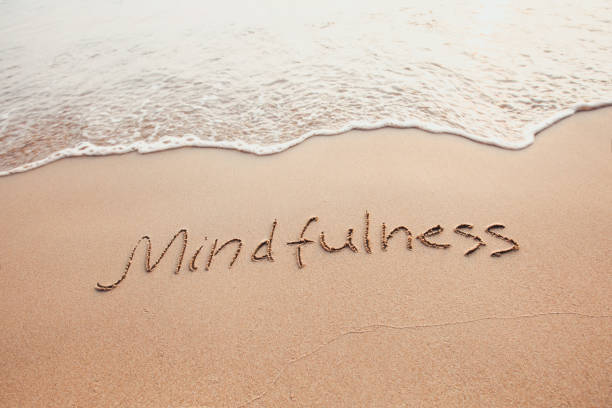
mindfulness concept, mindful living, text written on the sand of beach
The Importance of Mindfulness Techniques in Sound Bath and Guided Meditation Practice
Are you looking to enhance your sound bath and guided meditation practice? Look no further! In this blog, we will explore mindfulness techniques specifically designed to optimize relaxation during your sound bath and guided meditation sessions. Whether you are new to these practices or a seasoned practitioner, these techniques will help you deepen your experience and find peace, harmony, and transformation within. Join us on this journey of self-love, self-healing, and self-compassion as we delve into the world of mindful sound baths and guided meditation. Let’s create a space of tranquility and find optimal relaxation together.
Understanding the Benefits of Sound Bath and Guided Meditation for Relaxation
Before we dive into the techniques that will help enhance your sound bath and guided meditation practice, let’s take a moment to explore the incredible benefits of these practices for relaxation.
Sound baths, often using instruments like crystal bowls or gongs, create a soothing and immersive auditory experience that helps calm the mind and relax the body. The vibrations from the instruments can gently massage your cells, releasing tension and promoting deep relaxation.
Guided meditation, on the other hand, offers a structured approach to relaxation by guiding your focus and attention. It allows you to quiet your thoughts, reduce stress, and achieve a state of inner calm and peace.
When combined, sound baths and guided meditation offer a powerful tool for relaxation. Not only do these practices allow you to disconnect from the outside world and find solace within, but they also have numerous physical and mental health benefits.
Sound baths and guided meditation have been shown to reduce anxiety, improve sleep quality, enhance concentration, and boost overall well-being. They can also help manage chronic pain, lower blood pressure, and reduce symptoms of depression.
In our next blog section, we will delve into specific mindfulness techniques that can amplify the benefits of your sound bath and guided meditation practice. Stay tuned for practical tips that will take your relaxation journey to new heights.
Exploring Mindfulness Techniques to Enhance Your Practice
Now that we understand the incredible benefits of sound bath and guided meditation for relaxation, it’s time to explore mindfulness techniques that can take your practice to the next level. These techniques will not only help deepen your relaxation experience but also foster a greater sense of awareness and presence.
1. Breath Awareness: One of the fundamental aspects of mindfulness is focusing on your breath. During your sound bath or guided meditation session, pay attention to each inhale and exhale. Notice the sensation of your breath entering and leaving your body. This simple technique can help anchor you in the present moment and calm the mind.
2. Body Scan: A body scan is an excellent way to cultivate body awareness and relaxation. Start by bringing your attention to your toes and gradually move up through every part of your body, noticing any sensations or areas of tension. As you scan each body part, consciously release any tension you may be holding, allowing a deep sense of relaxation to wash over you.
3. Non-Judgmental Awareness: Mindfulness is about observing without judgment. As you engage in your sound bath or guided meditation practice, notice any thoughts or emotions that arise, and let them pass without attaching any judgment or importance to them. Simply observe and bring your attention back to the present moment and the sounds or guided meditation.
By incorporating these mindfulness techniques into your sound bath and guided meditation practice, you can enhance your relaxation experience and reap even greater benefits for your overall well-being. Stay tuned for the next section, where we’ll explore more ways to optimize your practice for optimal relaxation.
a. Breathing Techniques for Deep Relaxation
In our previous section, we discussed the importance of breath awareness in enhancing your sound bath and guided meditation practice. Now, let’s delve deeper into specific breathing techniques that can further enhance your relaxation experience.
1. Deep Belly Breathing: This technique involves taking slow, deep breaths, filling your belly with air. As you inhale, allow your belly to expand fully, and as you exhale, feel your belly contract. Deep belly breathing encourages relaxation by activating the body’s natural relaxation response and slowing down the breath, signaling to your body and mind that it’s time to let go of tension and stress.
2. Progressive Muscle Relaxation Breathing: This technique combines deep breathing with progressive muscle relaxation. Start by taking a deep breath in, and as you exhale, tense your muscles in one area of your body, such as your shoulders or hands. Then, as you inhale, release that tension, allowing your muscles to relax. Move on to another area and repeat the process. This technique helps release physical tension and creates a deeper sense of relaxation throughout your entire body.
Practicing these breathing techniques during your sound bath or guided meditation sessions can help you achieve a state of deep relaxation and calmness. In the next section, we’ll explore visualization techniques that can further enhance your practice. Stay tuned!
b. Body Scan Meditation for Increased Awareness
In our quest for optimal relaxation during sound baths and guided meditation, it is crucial to cultivate a heightened awareness of our bodies. Body scan meditation is a powerful technique that can assist us in achieving this state of increased awareness.
During body scan meditation, you slowly move your attention through different parts of your body, observing any sensations or tensions that arise. By mindfully scanning your body from head to toe, you become more attuned to its subtle signals and can address areas of tension or discomfort.
To start, find a comfortable position and close your eyes. Begin by focusing your attention on your breath, allowing yourself to relax into the present moment. Then, slowly direct your awareness to your feet, noticing any sensations or feelings in this area. Move your attention gradually up your legs, hips, abdomen, chest, arms, hands, neck, and head, pausing at each area to observe any physical sensations.
With practice, body scan meditation can help you become more attuned to your body’s needs and promote a deeper sense of relaxation. In the next section, we will explore the power of affirmations in enhancing your sound bath and guided meditation practice. Stay tuned!
c. Cultivating Non-Judgmental Presence through Mindful Observation
In our journey to enhance our sound bath and guided meditation practice, it is essential to cultivate a non-judgmental presence through mindful observation. Often, our minds wander, passing judgments or labeling our thoughts and feelings as good or bad. This can hinder our ability to fully relax and experience the benefits of these practices.
Mindful observation involves observing our thoughts, emotions, and sensations without judgment or attachment. It encourages us to develop a curious and compassionate attitude towards our inner experiences, allowing them to come and go without clinging to them.
To practice mindful observation, start by finding a quiet and comfortable space to sit or lie down. Close your eyes and bring your attention to your breath, anchoring yourself in the present moment. As thoughts, emotions, or sensations arise, simply observe them without getting caught up in them. Notice the quality, intensity, and duration of these experiences, letting them pass through your awareness like clouds drifting across the sky.
By cultivating non-judgmental presence through mindful observation, we can deepen our relaxation and open ourselves to a more profound sense of peace and tranquility. In the upcoming section, we will explore the benefits of visualization techniques in enhancing your sound bath and guided meditation practice. Stay tuned for more!
Integrating Mindfulness into Sound Bath and Guided Meditation Sessions
Now that we have discussed the importance of cultivating non-judgmental presence through mindful observation, let’s explore how we can integrate mindfulness into our sound bath and guided meditation sessions for optimal relaxation.
One way to enhance mindfulness during these practices is by incorporating breath awareness. The breath serves as an anchor, bringing us back to the present moment whenever our minds wander. As you engage in a sound bath or guided meditation, pay close attention to the sensation of each inhale and exhale. Notice how the breath fills your body and the subtle changes that occur with each breath.
Another technique to deepen mindfulness is body scan meditation. During a sound bath or guided meditation, bring your awareness to different parts of your body, starting from the top of your head and gradually moving down to your toes. Pay attention to any sensations or areas of tension, allowing yourself to release physical and mental stress.
Additionally, you can incorporate mindful movement into your practice. Before or after a sound bath or guided meditation, engage in gentle stretches or yoga poses, focusing on the sensations in your body as you move. This helps bring mindfulness into your physical experience and enhances the mind-body connection.
By integrating mindfulness techniques into your sound bath and guided meditation sessions, you can take your relaxation to the next level. In the next section, we will explore the power of affirmations and positive self-talk in amplifying the benefits of these practices. Stay tuned!
a. Creating a Calm and Serene Environment
Creating a Calm and Serene Environment
In order to fully immerse yourself in a sound bath or guided meditation session, it is essential to create a calm and serene environment. By setting the stage for relaxation, you can enhance the effectiveness of these practices and deepen your mindfulness experience.
First and foremost, find a quiet and comfortable space where you can practice without any distractions. Clear the area of any clutter or visual stimuli that may draw your attention away from the present moment. Consider softening the lighting or using candles to create a soothing ambiance.
Next, choose an environment that supports relaxation. If possible, practice in a space that is naturally tranquil, such as a peaceful garden or a quiet room in your home. If you’re practicing indoors, consider using aromatherapy diffusers or scented candles to create a soothing scent in the room. Experiment with different essential oils like lavender or chamomile, known for their calming properties.
Additionally, consider incorporating elements of nature into your environment. You can bring in plants or flowers to create a sense of connection with the natural world. The soothing sound of a small water fountain or a nature-inspired background music playlist can also contribute to a serene atmosphere.
By intentionally creating a calm and serene environment for your sound bath and guided meditation practice, you are setting the stage for ultimate relaxation. In the next section, we will delve into the power of journaling as a tool for reflection and self-discovery during these practices. Stay tuned!
b. Choosing the Right Music and Instruments for Optimal Relaxation
Once you have created the perfect environment for your sound bath and guided meditation practice, the next step is to choose the right music and instruments to enhance your relaxation experience. The sounds you surround yourself with can have a profound impact on your state of mind and overall well-being.
When selecting music, opt for calming and soothing melodies that promote a sense of tranquility and inner peace. Look for instrumental tracks that feature gentle and repetitive rhythms, as well as nature-inspired sounds like flowing water or birdsong. The key is to choose music that resonates with you and helps you enter a deep state of relaxation.
In addition to music, consider incorporating various instruments into your practice. Popular choices include singing bowls, crystal bowls, chimes, and gongs. Each instrument produces unique vibrations that can help to balance the chakras and induce a meditative state. Experiment with different instruments to find the ones that resonate with you and enhance your relaxation experience.
Remember, the goal is to create a harmonious blend of sounds that facilitate deep relaxation and mindfulness. In the next section, we will explore the benefits of incorporating breathwork techniques into your sound bath and guided meditation practice. Stay tuned for valuable insights on how to take your relaxation journey to the next level.
c. Incorporating Visualizations and Affirmations for Deeper Connection
Once you have created the perfect environment and chosen the right music and instruments for your sound bath and guided meditation practice, you can further enhance your experience by incorporating visualizations and affirmations. Visualizations involve the use of mental imagery to create a relaxing and calming scene in your mind’s eye. Close your eyes and imagine yourself surrounded by nature, or visualize a peaceful and healing energy flowing through your body.
Affirmations, on the other hand, are positive statements that you repeat to yourself during your practice. These affirmations can be tailored to your specific needs and can help to counter any negative thoughts or beliefs that may arise. For example, you can repeat affirmations like “I am calm and at peace” or “I am worthy of relaxation and self-care”.
By incorporating visualizations and affirmations into your practice, you can cultivate a deeper sense of connection with yourself and your surroundings, further amplifying the relaxation and mindfulness experienced during your sound bath and guided meditation. In the next section, we will explore the role of breathwork techniques in promoting optimal relaxation and mindfulness. Stay tuned for valuable insights on how to deepen your relaxation journey even further.
Practicing Self-Care and Maintaining Consistency in Your Mindfulness Practice
Practicing self-care and maintaining consistency in your mindfulness practice are crucial aspects of enhancing your sound bath and guided meditation experience. It is important to prioritize yourself and your well-being by setting aside dedicated time for your practice regularly.
Consider creating a schedule or incorporating your practice into your daily routine to ensure that it becomes a consistent habit. This will help you to reap the full benefits of mindfulness, such as reduced stress and enhanced relaxation.
Additionally, practicing self-care goes beyond your meditation sessions. It involves taking care of your physical, mental, and emotional health. This can include activities such as engaging in regular exercise, eating nourishing foods, getting enough sleep, and engaging in activities that bring you joy and relaxation.
Remember that self-care looks different for everyone, so it is important to find what works best for you. By prioritizing self-care and maintaining consistency in your mindfulness practice, you will create a solid foundation for optimal relaxation and well-being. In the following section, we will discuss the importance of finding a mindful community and the benefits it can bring to your practice. Stay tuned for more valuable insights on enhancing your sound bath and guided meditation journey.
Seeking Professional Guidance and Support in Enhancing Your Sound Bath and Guided Meditation Practice
Seeking professional guidance and support can greatly enhance your sound bath and guided meditation practice. While practicing mindfulness on your own is beneficial, working with a qualified instructor or therapist can take your practice to a whole new level.
A professional can offer personalized guidance and tailor their approach to meet your specific needs and goals. They can help you deepen your practice, learn new techniques, and provide valuable feedback to ensure proper alignment and focus.
Furthermore, working with a professional can help you navigate any challenges or obstacles that may arise during your practice. They can provide support and guidance to help you overcome any mental or emotional barriers that may be inhibiting your relaxation and well-being.
Whether it’s attending workshops, seeking one-on-one sessions, or joining a group class, investing in professional guidance and support can be a transformative experience. It allows you to tap into the expertise of someone who has dedicated their career to helping others find peace and relaxation through mindfulness.
In the next section, we will explore the benefits of incorporating breathing exercises into your sound bath and guided meditation practice. Stay tuned for more valuable insights on enhancing your mindfulness techniques for optimal relaxation.
Embracing Mindfulness Techniques for Optimal Relaxation in Sound Bath and Guided Meditation
In conclusion, embracing mindfulness techniques in your sound bath and guided meditation practice can bring about incredible benefits for your overall relaxation and well-being. By seeking professional guidance and support, you can take your practice to the next level and truly optimize the benefits you receive.
Working with a qualified instructor or therapist allows you to receive personalized guidance tailored to your specific needs and goals. They can help you deepen your practice, teach you new techniques, and provide valuable feedback to ensure you are aligned and focused.
Incorporating breathing exercises into your practice is one effective technique that can enhance your relaxation experience. By focusing on your breath, you can cultivate a sense of calm and deep relaxation throughout your entire body. This technique can help you release stress, quiet your mind, and fully embrace the present moment.
So, if you’re looking to enhance your sound bath and guided meditation practice, consider investing in professional guidance, and explore the benefits of incorporating breathing exercises. By doing so, you can embark on a journey towards optimal relaxation and well-being.
Stay tuned for more valuable insights on mindfulness techniques in our future blog posts.


















 The Harmonious Sound Journey