A Time for Integration”, a soulful and transformative song created by the renowned sound alchemist, Julie Jewels Smoot. This musical masterpiece is designed to facilitate self-healing, grounding, emotional expression, release, and integration. With its captivating melody and powerful lyrics, “A Time for Integration” offers a unique and profound experience that resonates with the deepest parts of the human psyche. Whether you are seeking to overcome emotional blockages, find inner peace, or simply connect with your inner self, this song is the perfect tool to help you achieve your goals. So, if you are looking for a powerful and transformative musical experience, look no further than “A Time for Integration” by Julie Jewels Smoot. to connect, integrate and feel.
If you’re looking for a way to improve your meditation practice, you may want to consider a 528 Hz crystal singing bowl sound bath. This type of therapy can help to connect you with the vibrational frequency of love and promote feelings of well-being.
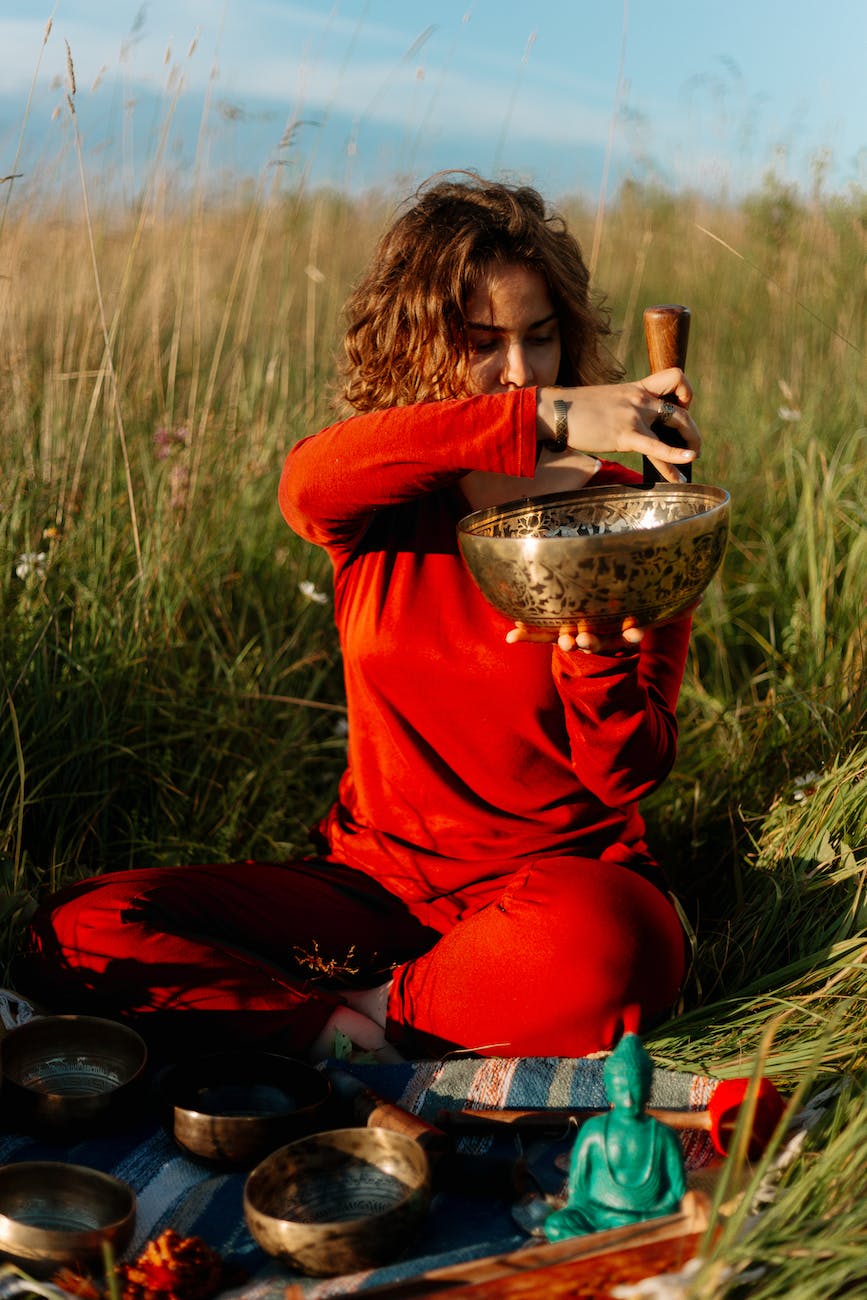
Crystal singing bowls are made from quartz crystal and produce a beautiful, high-quality sound when struck with a mallet. When played, the bowls emit a range of frequencies that can promote relaxation, stress relief, and improved sleep.
A 528 Hz sound bath can be an incredibly powerful experience that can help to deepen your meditation practice. If you’re looking for a way to connect with the frequency of love, a 528 Hz sound bath may be just what you need.
The Benefits of Sound Baths
Sound baths are a type of sound therapy that involves sitting or lying down in a comfortable position while listening to the sounds of crystal singing bowls. Sound baths can offer many benefits, including:
– Stress relief
– Improved sleep
– Increased feelings of well-being
– Pain relief
– Increased focus and concentration
Sound baths can be an excellent way to relax and promote a sense of calm. If you’re looking to improve your meditation practice, incorporating a sound bath into your routine can be a great way to do so.
How 528 Hz Can Help
528 Hz is known as the “frequency of love” and is believed to promote feelings of well-being, peace, and calm. When you listen to sounds produced at this frequency, it can help to connect you with the vibration of love. This frequency is also thought to help:
– Reduce stress
– Alleviate anxiety
– Boost immunity
– Enhance creativity
Incorporating a Bowl into Your Meditation Practice
If you’re interested in incorporating a sound bath into your meditation practice, there are a few things you should keep in mind. First, it’s important to find a comfortable place to sit or lie down. You may want to use a yoga mat or towel to help cushion your body. Next, you’ll want to make sure that you’re wearing comfortable clothing that won’t constrict your movement. Once you’re settled, you can begin to focus on your breath and allow the sounds of the bowl to wash over you. It’s important to remain aware of the sounds without getting lost in them. You may find it helpful to focus on a mantra or word to help keep you grounded.
Guidelines for Maximizing the Effectiveness of Sound Bath Meditation
There are a few things you can do to help ensure that you get the most out of your sound bath meditation:
– Make sure that you’re in a comfortable position.
– Focus on your breath and allow the sounds to wash over you.
– Remain aware of the sounds without getting lost in them.
– Use a mantra or word to help keep you grounded.
Conclusion
A 528 Hz crystal singing bowl sound bath can be a powerful way to improve your meditation practice. If you’re looking for a way to connect with the frequency of love and promote feelings of well-being, a sound bath may be just what you need.
Grief is a powerful emotion that can often feel overwhelming. It can be caused by the death of a loved one, the end of a relationship, or any other significant loss. Grief can also be a reaction to a traumatic event, such as war, natural disaster, or sexual assault.
While grief is a natural and normal response to loss, it can sometimes lead to serious mental health problems, such as depression, anxiety, and post-traumatic stress disorder (PTSD). If you are struggling to cope with grief, you may be looking for ways to ease your pain.
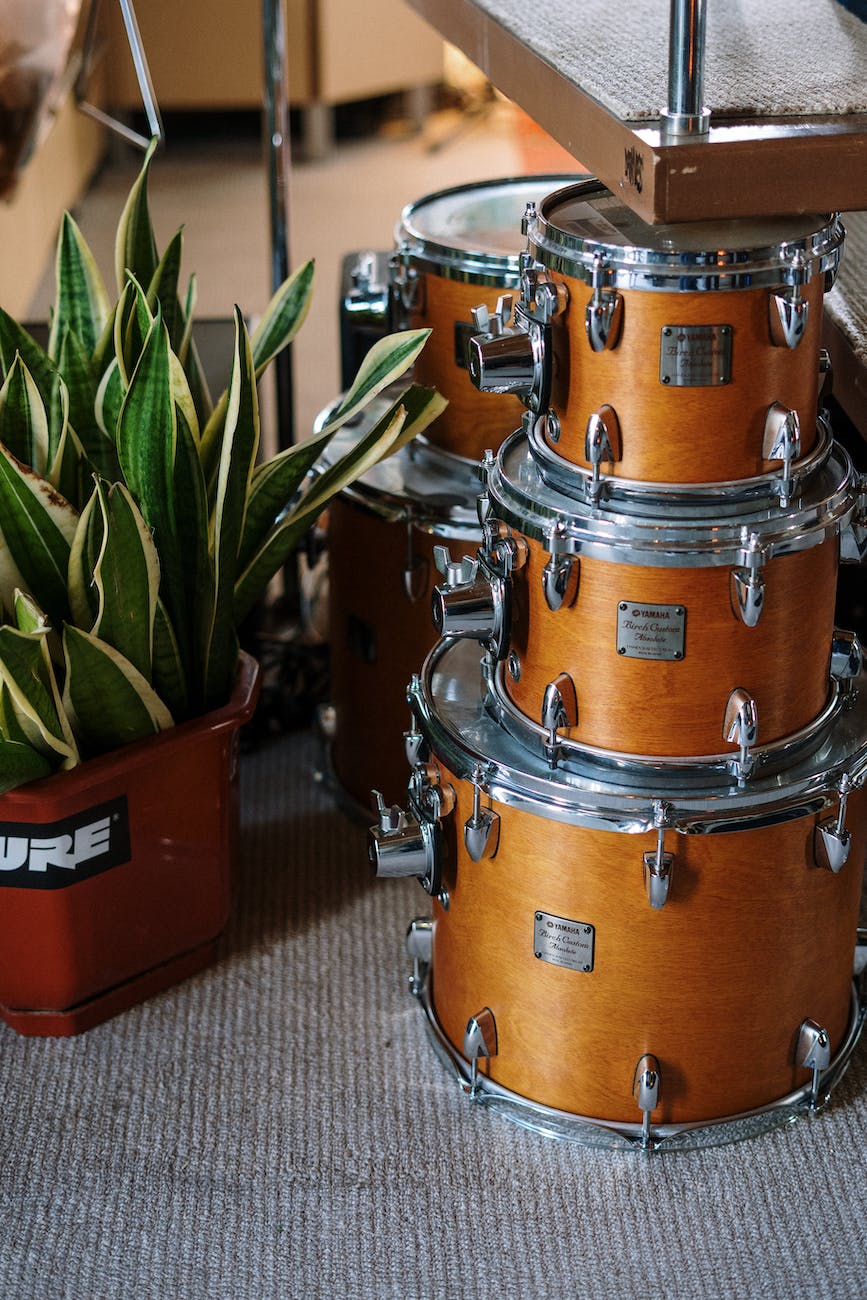
One treatment that is gaining popularity is drumming. Drumming is an ancient healing practice that has been used for centuries by cultures all over the world. It is a simple and effective way to connect with the present moment and release trauma from the body.
If you are interested in learning more about the power of drumming for grief and post-traumatic stress, keep reading!
The Scientific Power of Drumming
Research has shown that drumming can have a positive impact on mental and physical health. Drumming can reduce stress, anxiety, and depression. It can also help to improve sleep, boost the immune system, and increase energy levels. In one study, participants who underwent drumming therapy reported feeling more positive and had less anxiety and depression. Drumming can also help to reduce stress hormones, such as cortisol. Cortisol is a hormone that is released in response to stress. It is also known as the “stress hormone” because it can hurt the body. High levels of cortisol can lead to weight gain, high blood pressure, and a weaken immune system. Drumming can also help to release endorphins. Endorphins are hormones that are released by the brain in response to pain. They are also known as “happy hormones” because they can produce feelings of pleasure and euphoria. Endorphins can also help to improve mood, reduce stress, and boost immunity. In one study, cancer patients who underwent drumming therapy reported less pain, fatigue, and anxiety. They also had lower levels of cortisol. So, what is the science behind the power of drumming? Drumming can help to reduce stress and anxiety by altering the brainwaves. Brainwaves are electrical signals that are produced by the brain. There are four main types of brainwaves: beta, alpha, theta, and delta. Beta waves are associated with anxiety and stress. Alpha waves are associated with relaxation. Theta waves are associated with meditation and deep sleep. Delta waves are associated with healing. Drumming can help to shift the brainwaves from beta to alpha, and even theta. This can help to promote relaxation and a sense of well-being. Drumming can also help to release endorphins and reduce cortisol levels. This can help to improve mood, reduce pain, and boost immunity.
Drums for Grief and Trauma
If you are struggling with grief or trauma, you may be wondering if drumming can help. The good news is that drumming can be an effective treatment for both grief and trauma. Drumming can help to release emotions that are stored in the body. It can also help to reduce stress, anxiety, and depression. Drumming can also help to improve sleep, boost the immune system, and increase energy levels. One study found that cancer patients who underwent drumming therapy had less pain, fatigue, and anxiety. They also had lower levels of cortisol. Drumming can also help to release endorphins. Endorphins are hormones that are released by the brain in response to pain. They are also known as “happy hormones” because they can produce feelings of pleasure and euphoria. Endorphins can also help to improve mood, reduce stress, and boost immunity. In one study, participants who underwent drumming therapy reported feeling more positive and had less anxiety and depression. Drumming can also help to reduce stress hormones, such as cortisol. Cortisol is a hormone that is released in response to stress. It is also known as the “stress hormone” because it can hurt the body. High levels of cortisol can lead to weight gain, high blood pressure, and a weaken immune system. So, if you are struggling with grief or trauma, drumming may be a good option for you. Drumming can help to release emotions, reduce stress, and improve your overall health.
How to Use Drumming for Healing
If you are interested in using drumming for healing, there are a few things you should know. First, it is important to find a comfortable place to sit or lie down. You will also need a drum, such as a djembe, conga, or bongo. Start by closing your eyes and taking a few deep breaths. Focus on your breath and allow your body to relax. Once you are feeling relaxed, begin to gently tap the drum. You can tap the drum with your hands, a drumstick, or a mallet. Tap the drum at a comfortable pace. You can also vary the intensity of your taps. As you are tapping the drum, focus on your breath. Allow your mind to focus on the present moment. If your mind begins to wander, gently bring it back to your breath and the sound of the drum. Continue to tap the drum for 5-10 minutes. When you are finished, sit for a few moments and notice how you feel. Drumming is a simple and effective way to connect with the present moment and release trauma from the body. It is also a great way to reduce stress, anxiety, and depression. So, if you are struggling with grief or trauma, give drumming a try!
Feeling Strong and Confident is a guided meditation that is meant to bring you strength and confidence. Take about five minutes to listen to this meditation.
There are many ways to relax and unwind, but not all of them are effective for everyone. Some people find that aromatherapy helps to soothe their nerves, while others find that Reiki is more effective for them. The good news is that you don’t have to choose between the two! Reiki and aromatherapy are the perfect combos for relaxation.
Reiki is a life force energy that is in every living thing. Reiki practitioners use a technique called palm healing or hands-on healing through which a “universal energy” is said to be transferred through the palms of the practitioner to the patient to encourage emotional or physical healing.
Aromatherapy, on the other hand, is the practice of using essential oils to promote physical and psychological well-being. Aromatherapy can be used in several ways, such as through diffusers, massages, or baths.
So, why not combine the two for the ultimate relaxation experience? Keep reading to learn more about how Reiki and aromatherapy can work together
What is Reiki?
Reiki is a form of alternative medicine that was developed in 1922 by a Japanese Buddhist, Mikao Usui. It is based on the idea that there is an unseen “life force energy” that flows through us and is responsible for our health and well-being. Reiki practitioners use a technique called palm healing or hands-on healing through which they are said to transfer this universal energy to the patient. The idea is that this will help to encourage emotional or physical healing. There is no scientific evidence to support the claim that Reiki can heal anything, but many people believe in its power and there is some anecdotal evidence to suggest that it may be helpful for conditions such as anxiety, stress, and pain.
What is Aromatherapy?
Aromatherapy is the practice of using essential oils to promote physical and psychological well-being. Essential oils are extracts from plants that contain the plant’s aromatic compounds. Aromatherapy can be used in several ways, such as through diffusers, massages, or baths. The idea is that the aromatic compounds in the essential oils will be absorbed through the skin or inhaled, and then they will work on the body in several ways. For example, some essential oils are said to have a calming effect, while others may boost energy levels. There is some scientific evidence to support the claim that aromatherapy can be helpful for conditions such as anxiety, stress, and insomnia, but more research is needed.
How does Reiki and Aromatherapy Work Together?
Reiki and aromatherapy both work by promoting relaxation. Reiki does this by said to balance the life force energy in the body, while aromatherapy does this by using essential oils that have a calming effect. The two therapies can be used together in many ways. For example, you could use a diffuser to fill the room with the scent of lavender oil while you receive a Reiki session. Or you could add a few drops of essential oil to your bathtub before soaking in it for a relaxing experience. Some benefits of Reiki and Aromatherapy some benefits have been associated with Reiki and aromatherapy, both when used separately and when used together. These benefits include:
– Reducing stress and anxiety
-inducing relaxation
– improving sleep
– reducing pain
– boosting energy levels
How to Incorporate Reiki and Aromatherapy into Your Life
If you’re interested in trying Reiki and aromatherapy, there are a few things you can do to get started. If you want to try Reiki, you can find a certified practitioner in your area. It’s important to make sure that the practitioner you choose is certified and has experience. If you want to try aromatherapy, you can purchase essential oils and a diffuser or bath salts from a health food store or online. Start with one or two oils and see how you like them before purchasing more.
Conclusion
Reiki and aromatherapy are both relaxation therapies that can be used together for an, even more, relaxing experience. If you’re looking to reduce stress and anxiety or improve your sleep, Reiki and aromatherapy may be worth a try.
Sound Alchemist Julie Jewels Smoot has experienced her fair share of hardships. Using music as an outlet, she’s been able to come to terms with these experiences and use them to shape her unique sound. Here we present 7 of the most genuine quotes by Sound Alchemist Julie Jewels Smoot that illustrate the depth of knowledge she’s accumulated throughout her journey. Through her words, one can learn how much pain she has endured, yet also grasp a sense of purpose and strength that comes with knowing it all.
“When you’re in the flow and you’re just playing to have fun and being in the moment – that’s when the good music comes out.”
In this quote, Julie Jewels Smoot is talking about the creative process of music making. When she’s in the creative flow, she can create her best work. It’s at this moment that she’s able to find her flow and produce the music that speaks to her heart. This flow state is something that can be attained by any musician, and it’s a powerful tool for both creativity and personal growth. When a musician is in the flow state, their creativity is unlocked, and the possibilities are endless. It’s almost like an out-of-body experience, as the musicians are letting go of any preconceived notions and simply allowing the music to come through them. It is in this moment that Julie Jewels Smoot truly believes the best music can be created. It’s a form of self-expression that speaks to our soul, allowing us to express feelings that words can’t describe.
“I want to make music that people can feel, that can touch them emotionally.”
This quote by Julie Jewels Smoot speaks to why she makes music. For her, it’s not just a way to express herself or share her feelings, it’s also a way to connect with others on a deeper level. She wants her music to not just entertain and make people bop their heads, but to touch their hearts and make them feel something. Through her music, Julie Jewels Smoot can take people on a journey and make them feel the same emotions she feels when she’s making music. It’s a form of communication that speaks volumes, even without words. She hopes her music will inspire and give strength to others, no matter what they’re going through. This form of self-expression allows her to reach as many people as possible and share her message, her story, and her soul.
“I think the biggest reward for me, as an artist, is to know that I’ve positively touched somebody’s life.”
For Julie Jewels Smoot, her music is more than just a creative outlet, it’s also an opportunity to make a real impact on the lives of the people who listen to it. She’s passionate about helping others and making the world a better place. So whenever she gets feedback that her music has made a difference in somebody’s life, she cherishes those moments and considers them her biggest reward. It’s through music that Julie Jewels Smoot has been able to connect with people on a personal level, and it’s those connections that drive her to make more music. She desires to share her story and make a real difference in the lives of those who listen to her music. It’s these connections that make it worthwhile for her to keep making music.
“I make music from the heart, and I am as vulnerable as possible.”
This quote reflects Julie Jewels Smoot’s creativity and openness to expressing herself through music. She knows that her music can be a powerful tool for self-healing, and self-expression and is willing to be vulnerable to authentically express herself. She knows that music is a direct reflection of herself and takes pride in the heart and soul she infuses into her music. For Julie Jewels Smoot, it’s important to make sure her music is honest and of her creation. To her, it’s not about making perfect music, but rather creating music that reflects who she is and comes straight from the heart. She understands that vulnerability is key to creating meaningful music and is willing to take that risk to make sure her music is genuine.
“I just want to make good music that hopefully will make people feel good.”
This quote sums up why Julie Jewels Smoot makes music. To her, it’s not about making perfect music or music that gets praised by critics. Her ultimate goal is to make music that makes people feel good. She hopes that her music will bring hope and positivity, even in the darkest of times. To Julie Jewels Smoot, music is more than just entertainment, it’s something that can truly transform people for the better. She hopes her music will be a balm for the soul, something that brings joy and motivation to those who listen.
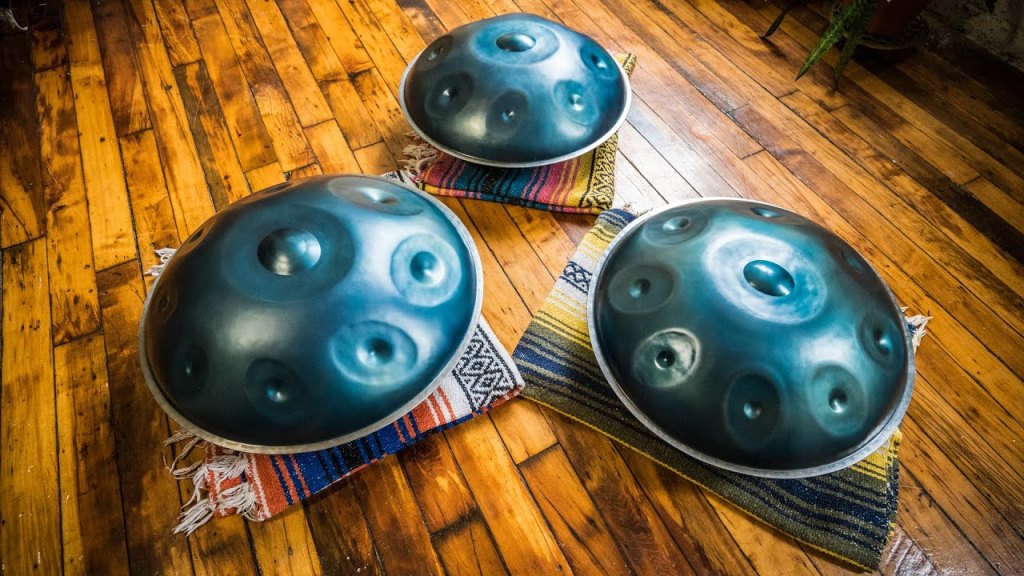
“I pour my heart and soul into my music. There have been times when I am playing the Gong or hand pan where tears flow.”
This quote speaks to Julie Jewels Smoot’s commitment to authenticity. In her words, “I want people to feel like they can relate to the music I’m making”. She wants her music to be a reflection of her heart and soul and a source of connection for those who listen. Her music is a labor of love and it’s something she takes seriously. She takes the time to create lyrics that truly come from the heart and have something meaningful to say. To her, the whole process of writing, recording, and performing is a way for her to connect to people on a deeper level.
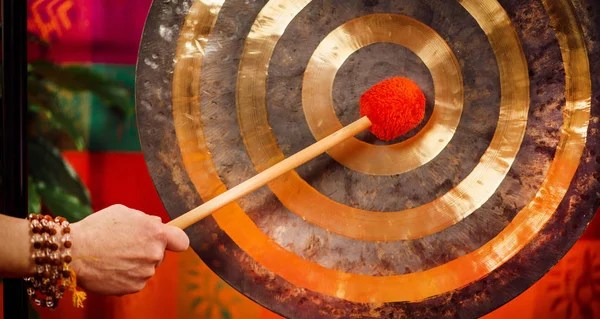
“Grief has a way of changing everything. Grief led me to play the Heart Gong. The Heart Gong is a special gong that is used to help people heal from grief. It is said to have a magical way of easing the pain and helping people to move on”
I never thought that I would become an accredited Sound Alchemist. But after I played the Heart Gong, I felt a deep connection to the healing power of sound. I knew that I had to share this with others.
Now, I help people to heal from grief with the power of sound. I use the Heart Gong and other sound healing techniques to help people move on from their loss.
Conclusion:
Sound Alchemist Julie Jewels Smoot’s sincere quotes give us a glimpse into her creative process and why she chooses to pursue music. Through her music, she hopes to spread positivity, bring joy, and be a source of connection for people around the world. These seven quotes are just a small sample of the heartfelt musings of Julie Jewels Smoot. I encourage you to explore her music and discover just how much her music can touch your soul.
Solfeggio frequencies are musical tones with reputed healing properties, believed to be based on a 6-tone scale used in ancient Gregorian chants. The 9 active frequencies are: 174 Hz, 285 Hz, 396 Hz, 417 Hz, 528 Hz, 639 Hz, 711 Hz, 852 Hz, and 963 Hz.
These frequencies are thought to potentially balance the mind, body, emotions, and spirit. They may also be able to improve concentration, memory, and focus. Keep reading to learn everything you need to know about solfeggio frequencies and how they might be used to improve your health!
The history and origin of solfeggio frequencies
The origins of solfeggio frequencies go back as far as the 11th century when they were used by the Benedictine monks in the ancient Gregorian chant. These chants used a six-note scale that ultimately formed the basis of this frequency system. Free-flowing melodies and patterns were used to express spiritual concepts and emotions. However, the use of the solfeggio frequencies was largely forgotten until it was rediscovered in 1974 by Dr. Joseph Puleo, a naturopathic physician. He uncovered them after analyzing the Book of Numbers in the Bible. Upon his discovery, he worked with musician and composer, Dr. Leonard Horowitz to spread the word about these special frequencies.
How do solfeggio frequencies work?
Solfeggio frequencies are believed to feel our energy fields and restore balance on both physical and spiritual levels. They are believed to vibrate at specific frequencies that can promote peace, harmony, balance, and relaxation. When these frequencies are introduced to the body, they can help to loosen blocked energy and restore the body to a healthy equilibrium. The frequencies can stimulate the release of hormones and neurotransmitters, helping to balance the body’s autonomic nervous system. Studies have even shown that these frequencies can help improve emotional and mental clarity, reduce stress and anxiety, and increase the natural production of endorphins.
The benefits of using solfeggio frequencies
There are many benefits to using solfeggio frequencies, both physical and emotional. Improved emotional health is a primary benefit, as the frequencies can help to create emotional balance, reduce stress and anxiety, and boost your mood and motivation. They can also improve cognitive functioning, allowing you to focus better and think more clearly. Physical benefits include improved sleep quality, reduced inflammation and pain relief, improved immunity, and improved digestion. They are also believed to stimulate the body’s natural healing response, allowing it to restore itself to a balanced state.
How to use solfeggio frequencies
So how do you use solfeggio frequencies? The simplest way is to listen to them. You can purchase recordings of the frequencies or stream them online. Listening to these frequencies regularly can allow your body to restore itself to optimal health. They can also be used in meditation and relaxation, either with audio recordings or by singing the tones yourself. As for timing, the best time to use solfeggio frequencies is in the morning or after periods of particularly high stress.
Are there any risks associated with using solfeggio frequencies?
No known risks have been associated with the use of solfeggio frequencies. However, those who are prone to seizures should take caution when using solfeggio frequencies, as the vibrations can sometimes trigger seizure activity. It’s also important to remember that if you’re feeling worse after listening to the frequencies, that can be an indication that something deeper is going on and should be investigated further.
To sum things up
Overall, solfeggio frequencies can be a powerful tool for restoring balance and improving health on physical, emotional, and spiritual levels. By introducing these frequencies to the body, the body can be stimulated to naturally release certain hormones and neurotransmitters to restore balance and equilibrium. Additionally, they can improve cognitive functioning, reduce stress and anxiety, and improve sleep quality. These frequencies can be used in meditation and relaxation, or simply listen to in your spare time. It’s important to keep in mind, however, that those prone to seizures should take extra caution when using solfeggio frequencies, as the vibrations can sometimes trigger seizure activity.
The fourteenth day of the Venus Gong Challenge is all about softening your edges. This may sound like a strange concept, but it is very important. When we soften our edges, we can vibrate at a higher frequency. This allows us to attract more harmony and resonance into our lives.
The main way to soften your edges is through breathwork. We will be using a simple breathing technique called the “3-3-3 Breath.” This breath is powerful because it helps us to connect with our higher selves. It also helps to open up the heart chakra and allows us to feel more self-love and self-compassion.
So, why is it important to soften our edges? There are many reasons. When we soften our edges, we can:
– Raise our vibration
– Attract more harmony into our lives
– Feel more self-love and self-compassion
– Experience more joy and happiness
If you are looking for a way to improve your life and attract more positive vibes, then be sure to try out this 3-3-3 Breath technique.
Here’s how to do it:
1. Find a quiet and comfortable place to sit or lie down
2. Close your eyes and take a deep breath through your nose for a count of three.
3. Hold your breath for a count of three.
4. Exhale through your mouth for a count of three.
5. Repeat this pattern of inhaling, holding, and exhaling for a few minutes, focusing on your breath and the sensation of the air moving in and out of your body.
6. If your mind starts to wander, gently bring it back to your breath. As you continue this breathwork, imagine yourself softening around the edges of your being. Visualize any hardness or sharpness in your energy field melting away, leaving behind soft and gentle energy. Allow yourself to feel the warmth, love and compassion in your heart center. By doing this practice, you will begin to experience a shift in your energy field. You will feel less burdened by negative emotions and experiences from the past. You will be more open and receptive to new opportunities, relationships, and experiences. Keep up this practice consistently, and watch as your life transforms into one filled with joy and abundance.
Available on Modern Sound Healing with Julie Jewels Smoot, on Spotify, Anchor, and my Soundcloud account.
Emotions are a natural and essential part of our lives
Welcome to Day 17 of the 30-Day Gong Challenge!
Our emotions are a natural and essential part of our lives. They help us make decisions, express ourselves, and navigate our relationships. However, we often try to suppress our emotions, especially negative ones. We may think that we shouldn’t feel angry, sad, or afraid. But the reality is that these emotions are a normal part of life. It’s okay to feel them. It’s essential to our well-being.
Today’s challenge is to allow yourself to feel your emotions. Don’t try to push them away. Simply allow yourself to experience them fully. Notice how they feel in your body and mind. Explore them without judgment. And see what happens when you simply allow yourself to feel.
Our emotions can be our guideposts
Emotions are a natural part of our lives. Some, we may feel them more deeply than others, but they are still part of us. And we need to learn to accept and embrace them.
Our emotions can be our guides because they can tell us a lot about ourselves. They can signal to us when something needs to be addressed and what our needs and values may be. However, too many of us have learned to suppress our emotions instead of allowing ourselves to feel them. We do this because we think that these emotions are not acceptable or desirable.
But our emotions are a part of us and we need to learn to listen to them. We need to learn to recognize and understand our emotions so we can use them as signposts to help us navigate our lives.
So today, challenge yourself to pay attention to your emotions. Don’t stifle or suppress them, but rather allow yourself to observe them and recognize what they are trying to tell you. And if you want, you can even jot down your emotions in a journal or a piece of paper and review them later on.
Allowing ourselves to feel our emotions can be challenging
For many of us, allowing ourselves to feel our emotions can be challenging. It might feel scary, overwhelming, or even embarrassing. We might be worried that our feelings are too intense and are scared of being judged because of it.
However, we need to overcome this fear and allow ourselves to feel our emotions. Allow yourself to be vulnerable and understand that it is okay to not be okay sometimes.
If we can take a step back and pause to observe our emotions, we can be more mindful and gain a better understanding of what we’re feeling. Identifying our emotions can help us to make a plan on how we could best manage them. Talking it out with a friend or a therapist can also help to relieve our feeling of overwhelm and understand more about our emotions.
By taking our time and allowing ourselves to feel whatever emotion it is that we’re feeling, we’re more likely to come out the other side stronger, with deeper insight into ourselves and how we react to situations. So, it is important to acknowledge our emotions and take the time to process them. Over time, we can gain a better understanding of ourselves and how we process emotions.
When we allow ourselves to feel our emotions, we can move through them more easily
When we allow ourselves to feel our emotions, instead of resisting them or trying to suppress them, we can learn to identify them and process them more easily. This will allow us to move through our emotions more efficiently and find a resolution or solution more quickly.
By allowing ourselves to feel our emotions, we can become aware of our triggers and learn to manage them better. We can also create more meaningful relationships with ourselves and others as we learn to better understand and express our feelings.
In addition, allowing ourselves to feel and process our emotions can help us to build our emotional resilience and self-awareness, as well as our coping skills. This can help us to manage stress and difficult situations more effectively.
Ultimately, by allowing ourselves to feel our emotions and take the time to process them, we can develop a healthier relationship with ourselves and the world around us.
Allow yourself to feel your emotions today, and every day
Allow yourself to feel your emotions today and every day. Acknowledge and express your feelings so that you can better process them and let them pass.
Take a few moments throughout the day to check in to assess how you are feeling emotionally. Identify the emotions and recognize them, even if they are uncomfortable. Accept and allow them to be there, and don’t try to push them away.
Giving voice to your emotions can help you work through them instead of letting them linger and grow. Talk to friends, family, or a therapist about them; writing them down can also help. Focusing on your emotions for better understanding can help to heal and complete the process.
Try to address and understand how your emotions flow together and how they are linked to each other, as this can help unlock deeply hidden feelings. Through self-reflection, you can find the deeper, underlying causes of your emotions and work through them.
By allowing yourself to feel your emotions today and every day, you can create more meaningful relationships with yourself and others, while developing emotional resilience and coping skills to manage stress and difficult situations.
Available on Modern Sound Healing with Julie Jewels Smoot, Amazon, and my soundcloud account.





 The Harmonious Sound Journey