Embarking on a spiritual journey can be a deeply personal and transformative experience. It is a time of self-reflection, growth, and connection to a higher power or purpose. While there are many practices and techniques to enhance one’s spiritual journey, one that has gained significant popularity in recent years is Sacred Yoni Guided Meditation. This guided meditation is specifically designed to cultivate a sacred and intimate relationship with one’s own feminine essence, embracing the power and wisdom of the yoni. In this blog post, we will explore what entails and how it can enhance your spiritual journey.
A Sacred Yoni Guided Meditation
Welcome to the Sacred Yoni Guided Meditation. Find a quiet and comfortable space where you can fully relax and connect with your body. Take a moment to find a comfortable seated position, either on a cushion or a chair, ensuring your spine is straight and your shoulders are relaxed.
Let’s start by taking a deep breath in through your nose, filling your belly with air, and exhaling fully through your mouth. Take a few more deep breaths in this way, allowing yourself to let go of any tension or stress you may be holding onto.
Now, bring your awareness to your yoni, the sacred space within you. Close your eyes and place your palms gently over your yoni area. Take a moment to feel the warmth and energy emanating from this part of your body.
As you sit here, imagine a soft and warm golden light surrounding your yoni, creating a protective cocoon. This light is divine energy, nurturing and healing. Feel this warm light energizing your yoni, filling it with love and compassion.
Now, let’s take a moment to honor and celebrate your yoni. Reflect on all the joy, pleasure, and life that it has brought you. Send gratitude and love to your yoni for being a sacred vessel of creation and pleasure.
As you continue to breathe deeply, let go of any negative or limiting beliefs you may hold about your yoni. Consciously release any shame or guilt that may be weighing you down. Allow yourself to fully accept and embrace the sacredness of your yoni.
Visualize a beam of bright white light entering your yoni from above. This light represents divine wisdom and healing. See it gently flowing through your yoni, cleansing and purifying any stagnant or negative energy. Feel this light restoring balance and harmony to your yoni.
Now, imagine a lotus flower gently opening within your yoni. The lotus symbolizes purity and enlightenment. As the lotus blooms, feel a sense of opening and expansion within yourself. Allow yourself to fully receive the love and healing energy that is flowing through your yoni.
Take a few moments to silently affirm positive affirmations to yourself, such as “My yoni is sacred. I am worthy of pleasure and love.” Repeat these affirmations with intention and belief.
When you are ready, slowly bring your awareness back to your body, gently moving your fingers and toes. Take a deep breath in and exhale fully. Open your eyes, knowing that you have connected with the power and sacredness of your yoni today.
Remember to carry this sense of sacredness and love with you throughout your day. Allow it to guide you in honoring and nurturing your yoni in all aspects of your life.
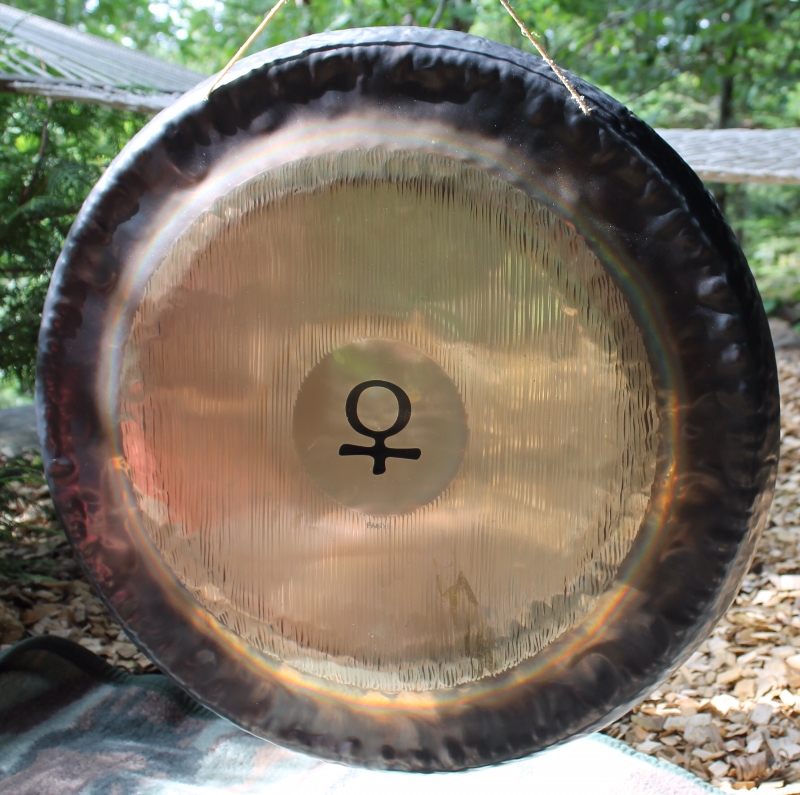
Introducing the Day 1 of 30 Day Venus Gong Challenge, a transformative experience crafted by renowned Sound Alchemist Julie Jewels Smoot. This unique program is designed to empower and awaken the divine feminine within. Immerse yourself in the enchanting sounds of the Venus Gong as it resonates through your being, creating a harmonious balance and connection with your inner self. Over the course of 30 days, you will embark on a journey of self-discovery and empowerment, guided by Julie Jewels Smoot’s expertise and passion for sound healing. Through daily practice, you will tap into the powerful energy of the divine feminine, unlocking your true potential and embracing your authentic self. Join the Day 1 of 30 Day Venus Gong Challenge and experience the profound transformation that awaits you on this empowering path towards self-realization.
Healing from trauma is a deeply personal and challenging journey, but there are powerful practices that can support and empower survivors on their path to recovery. One such practice is the Sacred Yoni Meditation, a powerful and transformative technique that can help release trauma stored in the body and promote healing. This meditation not only provides a safe space for survivors to process their emotions and experiences, but also cultivates courage, compassion, and a deep connection with oneself. If you are on a journey of healing and are looking for a powerful tool to support your recovery, this blog will introduce you to the Sacred Yoni Meditation and its potential to bring healing and empowerment into your life.
Understanding the Power of Yoni Meditation in Trauma Recovery
The power of the Sacred Yoni Meditation in trauma recovery cannot be overstated. By understanding the significance of this practice, survivors can unlock their potential for healing and empowerment.
The yoni, often referred to as the sacred space or the divine feminine, holds immense power and wisdom. Trauma can often leave its imprint on the body, creating a sense of disconnect and pain. The Sacred Yoni Meditation works by creating a loving and nurturing space in which survivors can reconnect with their bodies and release stored trauma. It allows survivors to become more attuned to their emotions, sensations, and needs, fostering a deep sense of self-compassion and understanding.
Through consistent practice, survivors can begin to restore balance and harmony to their yoni, cultivating a profound sense of empowerment. This meditation opens the doors to embracing one’s personal power, reclaiming their sense of agency, and transforming their trauma into strength.
In the following section, we will explore the step-by-step process of the Sacred Yoni Meditation and the profound impact it can have on trauma recovery. Stay tuned for the practical tools and techniques that can support you on your healing journey.
Creating a Safe and Sacred Space for Your Yoni Meditation Practice
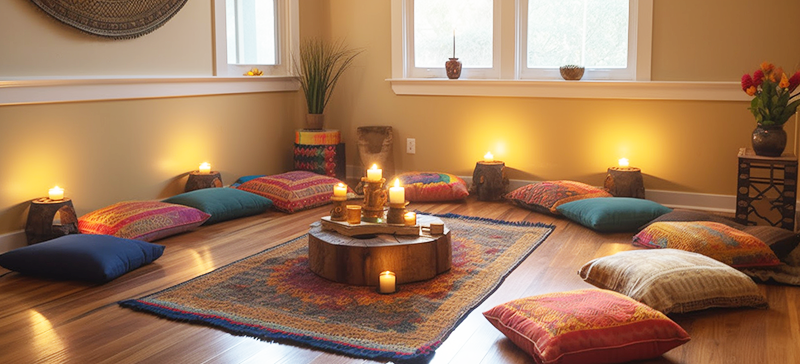
Creating a safe and sacred space is crucial when practicing the Sacred Yoni Meditation for trauma recovery. It is important to find a peaceful and private environment where you feel comfortable and secure. This space can be a bedroom, a dedicated meditation room, or even a secluded spot in nature.
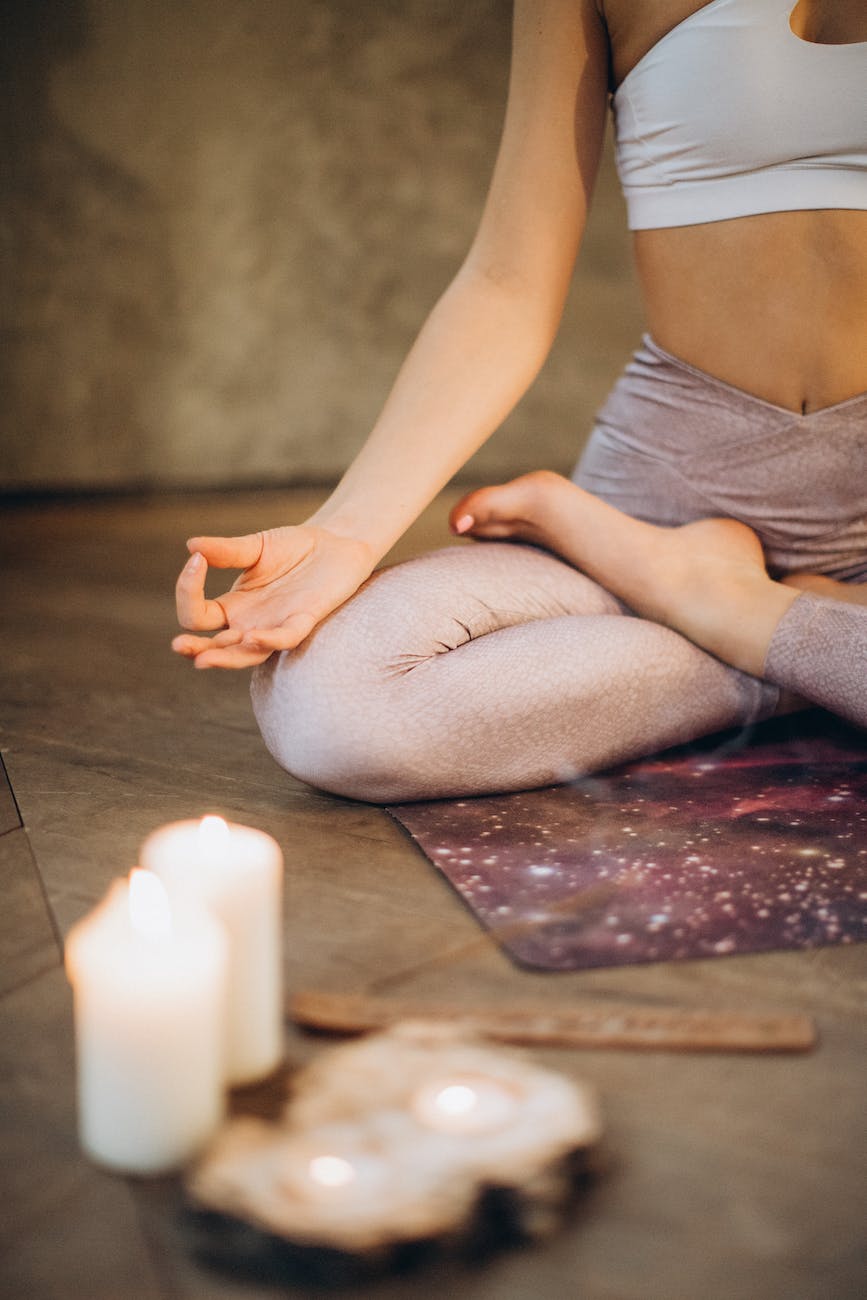
Start by clearing any clutter or distractions from your chosen space. Light candles or incense, play soft and soothing music, and consider incorporating elements that evoke a sense of sacredness, such as crystals or flowers. This will help create an atmosphere conducive to deep relaxation and connection to your yoni.
Before beginning the meditation, take a few moments to ground yourself. Close your eyes, take a few deep breaths, and visualize a warm, protective bubble surrounding you. Set an intention for your practice, such as healing, release, or empowerment.
Remember, this is your sacred space, your sanctuary for healing. Treat it with the utmost respect and love. By creating a safe and sacred space, you are setting the foundation for a transformative and empowering yoni meditation practice.
In the next section, we will delve into the step-by-step process of the Sacred Yoni Meditation, guiding you through each stage of the practice. Get ready to embark on a journey of healing and empowerment as we dive deeper into this powerful technique.
Guided Yoni Meditation: Connecting with Your Inner Strength and Resilience
We will explore the guided yoni meditation that allows you to tap into your inner strength and resilience. This practice aims to help you heal and empower yourself, allowing you to release trauma and reclaim your personal power.
1. Find a comfortable position: Start by finding a comfortable position to sit or lie down. Close your eyes and take a few deep breaths to center yourself.
2. Connect with your breath: Focus your attention on your breath, allowing it to become slow and steady. As you inhale, imagine the breath flowing into your yoni, infusing it with healing energy. As you exhale, visualize any tension or trauma leaving your body.
3. Visualize a golden light: Imagine a golden light radiating from your heart center and flowing down into your yoni. This light represents your inner strength and resilience. Feel the warmth and power of this light as it fills your entire being.
4. Release and let go: Take a moment to reflect on any trauma or negative emotions that may be stored in your yoni. As you inhale, visualize these energies dissolving and releasing from your body. As you exhale, affirm your intention to let go and release what no longer serves you.
5. Cultivate self-love and acceptance: Shift your focus to self-love and acceptance. Imagine a soft, pink light enveloping your yoni, radiating love and compassion. Embrace your body with kindness, acknowledging its strength and beauty.
6. Affirm your inner strength: Repeat empowering affirmations that resonate with you. For example, “I am strong,” “I am resilient,” or “I am worthy of healing.” Let these affirmations permeate your being, reaffirming your inner strength and resilience.
7. Express gratitude: Before closing the meditation, take a moment to express gratitude for your body and the healing process you are embarking on. Thank yourself for creating this safe and sacred space for healing and empowerment.
Remember, this guided yoni meditation is a tool for your healing journey. Practice it regularly, allowing yourself to experience the transformative power it holds. Trust in your inner strength and resilience as you continue to heal and empower yourself.
Nurturing Self-Compassion and Self-Love through Yoni Meditation
Now that you have learned the basics of yoni meditation for trauma recovery, let’s delve into how this practice can nurture self-compassion and self-love. By engaging in a regular yoni meditation practice, you are creating a sacred space for cultivating a deep connection with yourself and embracing all aspects of your being.
As you engage in yoni meditation, focus on breathing love and tenderness into your yoni. Imagine a warm, gentle energy flowing into this sacred space, enveloping it with compassion and acceptance. With each breath, allow yourself to let go of any self-judgment or negative beliefs you may hold about your body or sexuality.
During the meditation, take the time to connect with the sensations and emotions that arise within your yoni. Instead of pushing them away or labeling them as good or bad, simply observe and hold space for them. This practice of non-judgment and self-acceptance fosters self-compassion, allowing you to meet yourself with kindness and understanding.
As you continue to practice yoni meditation, you may also find it helpful to incorporate affirmations that nurture self-love. Repeat phrases like “I am worthy of love and pleasure,” “I embrace my yoni with unconditional acceptance,” or “I honor the divine feminine within me.” These affirmations can help cultivate a deep sense of self-worth and appreciation for your body and its natural capabilities.
Remember, the healing journey takes time and patience. Be gentle with yourself as you navigate your trauma recovery. Yoni meditation can serve as a powerful tool to support your healing process, reminding you of your resilience, beauty, and innate wisdom. Through this practice, you can nurture self-compassion and self-love, paving the way towards a more empowered and fulfilling life.
Harnessing the Transformative Energy of Your Yoni for Healing
When it comes to harnessing the transformative energy of your yoni for healing, it is essential to understand the powerful connection between your physical body and your energetic being. The yoni, or the sacred space between your legs, holds immense potential for healing and empowerment when approached with intention and reverence.
One way to tap into this transformative energy is through the practice of yoni breathwork. By consciously directing your breath into your yoni, you are infusing it with life force energy, promoting circulation, and stimulating the release of stagnant emotions or trauma held in this area. As you exhale, feel any tension or heaviness leaving your body, creating space for healing and renewal.
In addition to yoni breathwork, incorporating yoni crystals or yoni eggs into your practice can further support your healing journey. These natural stones are believed to have unique energetic properties that can assist in the release of emotional blockages and the restoration of balance in your yoni. By connecting with the crystal’s energy and setting clear intentions, you can amplify the healing effects of your yoni meditation practice.
Remember, healing is a deeply personal and individual process. What works for one person may not work for another. Listen to your body and trust your intuition as you explore the various tools and techniques available to you. Your yoni has the innate wisdom to guide you towards your own unique path of healing and empowerment. Embrace its transformative energy and allow it to guide you towards a life of wholeness and authenticity.
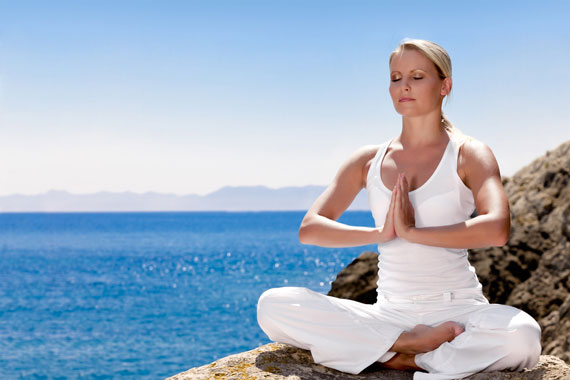
Silhouette of a meditating young woman sitting in lotus position
Integrating Yoni Meditation into Your On going Trauma Recovery Journey
Integrating yoni meditation into your ongoing trauma recovery journey can be a powerful tool for healing and empowerment. As you continue on your path of healing, it is important to remember that trauma recovery is a lifelong process, and it may require a combination of different healing modalities.
Yoni meditation can be incorporated into your daily self-care routine as a way to connect with your body, release tension, and cultivate a sense of grounding and centering. Begin by finding a quiet and comfortable space where you feel safe and supported. Allow yourself to tune in to the subtle sensations and energies within your yoni, noticing any areas of tightness or discomfort.
As you engage in yoni breathwork, visualize your breath flowing into your yoni, infusing it with nurturing and healing energy. As you exhale, imagine any residual trauma or emotions being released and transformed. This practice can help to create space for healing, restoring balance and harmony to your yoni and overall well-being.
Incorporating yoni crystals or yoni eggs into your meditation practice can further enhance the healing process. Choose crystals that resonate with your specific needs and intentions. Spend time cleansing and charging your crystal, infusing it with your energy and intentions. During your meditation, hold the crystal in your hand or place it on your yoni, allowing its healing energy to flow through you.
Remember, yoni meditation is a personal journey, and it is important to listen to your body and honor your own unique process. Be gentle with yourself as you navigate the ups and downs of trauma recovery. Celebrate each step forward, no matter how small, and be patient with yourself as you continue to heal and empower yourself through the sacred practice of yoni meditation.
Excited woman raising arms at sunset celebrating
Embrace the Transformation and Empowerment on Your Healing Path
As you conclude this blog on yoni meditation for trauma recovery, take a moment to reflect on the journey you have embarked on. Healing from trauma is not an easy or linear process, but by incorporating yoni meditation into your self-care routine, you have taken a powerful step towards embracing transformation and empowerment.
Remember that healing is a lifelong journey, and it is essential to be patient and gentle with yourself. The practice of yoni meditation allows you to connect with your body, release tension, and cultivate a sense of grounding and centering. Through breathwork and visualization, you can create space for healing, restoring balance and harmony within.
Furthermore, incorporating yoni crystals or eggs can enhance the healing process, harnessing their unique energies and intentions. Choose crystals that resonate with your specific needs, and allow their healing energy to flow through you.
Embrace each step forward, no matter how small, and celebrate the progress you have made. Trust in the wisdom and resilience of your body and honor your unique healing process. Embrace the transformation and empowerment that yoni meditation can bring to your life as you continue on your healing path.
Are you ready to take your daily practice to the next level? If so, then you’re in luck! Sound Alchemist Julie Jewels Smoot has created a 30 Day Venus Gong Challenge that will enhance your daily practice and help you master the healing sounds of the Venus Gong. In her powerful books, “Goddess Frequencies” and “Awakening the Divine Feminine,” Julie shares her wisdom and expertise on harnessing the healing power of the Venus Gong for sacred yoni and awakening the divine feminine. And if that’s not enough, she also has an album titled “Venus Gong: Embracing the Divine Feminine” that you can listen to and heal. Get ready to transform your practice and embrace the healing power of the Venus Gong!
The benefits of incorporating sound healing into daily practice
Incorporating sound healing into your daily practice can have numerous benefits for your overall well-being. The use of healing sounds, such as those produced by the Venus Gong, can help to restore balance and harmony within the body, mind, and spirit.
One of the key benefits of sound healing is its ability to reduce stress and promote relaxation. The soothing vibrations and frequencies emitted by the Venus Gong can help to calm the nervous system, release tension, and melt away any built-up stress or anxiety.
Additionally, sound healing can enhance meditation and mindfulness practices. The resonant tones of the Venus Gong can act as a focal point, allowing you to deepen your state of relaxation and achieve a heightened sense of awareness.
Furthermore, sound healing has been shown to stimulate the body’s natural healing processes. The vibrations produced by the Venus Gong can help to improve circulation, promote cellular regeneration, and support the immune system.
By incorporating the healing sounds of the Venus Gong into your daily practice, you can experience these benefits and more. Stay tuned for the next blog section, where we will explore different techniques for incorporating sound healing into your daily routine.
Understanding the healing properties of the Venus Gong
The Venus Gong is a powerful instrument that possesses unique healing properties. Understanding these properties can enhance your daily practice and maximize the benefits of sound healing.
Firstly, the Venus Gong is known for its ability to balance energy and restore harmony within the body. Each strike of the gong emits a rich, full-bodied sound that penetrates deep into the energetic layers of the body, promoting a sense of equilibrium and alignment.
Secondly, the Venus Gong is associated with the heart chakra, which is responsible for love, compassion, and emotional well-being. When played, the gentle vibrations of the gong resonate with the heart center, helping to release any blockages and open the heart to experiencing greater levels of love and compassion.
Moreover, the Venus Gong has been found to enhance creativity and intuition. Its ethereal tones stimulate the right hemisphere of the brain, awakening dormant artistic abilities and expanding one’s capacity for intuitive insights.
By understanding these healing properties of the Venus Gong, you can tailor your daily practice to address specific areas of your well-being. In the next blog section, we will delve deeper into techniques for incorporating the Venus Gong into your self-care routine.
Techniques for using the Venus Gong in your daily practice
Now that we have explored the healing properties of the Venus Gong, let’s dive into some practical techniques to incorporate this powerful instrument into your daily practice.
One technique is the Gong Bath, where you can immerse yourself in the soothing vibrations of the Venus Gong. Find a tranquil space where you won’t be disturbed and lie down comfortably. Close your eyes and focus on your breath as the Gong is played. Allow the vibrations to wash over you, releasing tension and promoting deep relaxation.
Another technique is to use the Venus Gong during meditation. As you sit in a comfortable position, strike the Gong gently and observe the reverberations. Allow the sound to guide your focus and help you enter a deeper state of presence and mindfulness.
You can also incorporate the Venus Gong into your yoga or qigong practice. Use it as a signal to transition between postures or movements, allowing the vibrations to enhance the energetic flow and harmony within your practice.
Experiment with these techniques and feel free to explore your own unique ways of incorporating the Venus Gong into your daily routine. Remember, the key is to be open and receptive to the healing and transformative power of sound. Stay tuned for our next blog section where we will discuss the potential benefits of combining the Venus Gong with other complementary healing modalities.
Enhancing your meditation practice with the Venus Gong
Incorporating the Venus Gong into your meditation practice can greatly enhance your experience and deepen your connection to the present moment. The gentle and soothing vibrations of the Gong can help quiet the mind, relax the body, and promote a sense of inner stillness.
To begin, find a quiet and comfortable space where you can sit undisturbed. Place the Venus Gong within reach, ensuring that it is secured safely and will not be a distraction during your meditation. Close your eyes and take a few deep breaths to center yourself.
When you are ready, gently strike the Gong with a mallet. Allow the sound and vibrations to wash over you, becoming fully immersed in the experience. As the sound fades, let your attention shift to the sensations in your body and the rhythm of your breath.
As you continue with your meditation, let the vibrations of the Gong guide your focus. Notice how the sound resonates within you, bringing a sense of calm and grounding. Allow any thoughts or distractions to simply pass through your awareness, returning your attention to the present moment and the peaceful reverberations of the Gong.
You may choose to strike the Gong again at various intervals during your meditation, or simply let the initial sound carry you into a state of deep relaxation. Experiment with different techniques and see what feels most beneficial for you.
Incorporating the Venus Gong into your meditation practice can create a profound sense of harmony and presence. It can serve as a reminder to let go of stress, worries, and the constant chatter of the mind, allowing you to fully immerse yourself in the stillness and tranquility that meditation offers.
Stay tuned for our next blog section, where we will explore how the Venus Gong can enhance your yoga practice and bring a new level of balance and flow to your movements.
Incorporating the Venus Gong into energy healing sessions
In addition to its benefits in meditation and yoga, the Venus Gong can also be a powerful tool in energy healing sessions. The vibrations of the Gong can help to open and balance the energy centers in the body, promoting healing and relaxation.
During an energy healing session, place the Gong within the space or close to the client, ensuring that it is secure and will not cause any disruptions. As the session begins, gently strike the Gong to initiate the vibrations.
As the Gong resonates, the soothing sound and vibrations can help the client to let go of tension and release blocked energy. The healing vibrations of the Gong can work in harmony with the energy healing techniques being used, amplifying their effectiveness.
Throughout the session, continue to strike the Gong at different intervals, allowing the vibrations to wash over the client and enhance their healing experience. Pay attention to any shifts in the energy and tune in to the client’s reactions and responses.
Incorporating the Venus Gong into energy healing sessions can add an additional dimension to the healing process, promoting deep relaxation, balance, and restoration. Stay tuned for our next blog section, where we will explore how the Venus Gong can enhance sound therapy practices and promote overall well-being.
The importance of proper training and certification in using the Venus Gong
When incorporating the Venus Gong into energy healing sessions, it is crucial to have proper training and certification. Working with sound healing instruments requires a comprehensive understanding of their use and potential effects on the client’s energy field.
Proper training ensures that you have the knowledge and skills to create a safe and effective healing environment. It allows you to confidently navigate various energy centers in the body and choose appropriate techniques to address specific issues.
Certification provides validation and credibility to your practice. It demonstrates to clients that you have undergone rigorous training and met the necessary standards to use the Venus Gong as a healing tool.
To obtain the right training and certification, research reputable programs and workshops that specialize in sound healing. Look for experienced instructors who have a deep understanding of the Venus Gong and its healing properties.
Remember, investing in proper training and certification will not only enhance your own practice but also provide a higher level of care and support to your clients.
In conclusion, mastering the healing sounds of the Venus Gong is a transformative and powerful tool in your daily practice. However, it is important to emphasize the significance of proper training and certification in order to use this instrument effectively and responsibly.
Through reputable programs and workshops, you can learn from experienced instructors who have a deep understanding of the Venus Gong and its healing properties. This will not only enhance your own practice but also provide a higher level of care and support to your clients.
By investing in the right training and certification, you can have the knowledge and skills to create a safe and effective healing environment. This will allow you to confidently navigate the various energy centers in the body and choose appropriate techniques to address specific issues.
So, take the time and effort to research and find the best training program for you. With the proper education, you can truly harness the power of the Venus Gong and elevate your daily practice to new heights.
The transformative power of healing with Solfeggio Frequencies has gained significant interest in recent years. These frequencies, specifically the 528Hz frequency, also known as the Love Frequency or Miracle Tone, have been found to have powerful effects on the human body. Studies have shown that this frequency can reduce stress hormones, increase energy levels, and promote balance and self-confidence. In combination with the balancing and tuning of the Solar Plexus Chakra, the benefits of the 528Hz Solfeggio Frequency are truly miraculous. In this blog, we will explore the various benefits and applications of this frequency, as well as its connection to the 7 Chakras. Join us on this journey of healing and transformation!
The Science behind Solfeggio Frequencies
Solfeggio Frequencies have a profound effect on our bodies and minds, but what is the science behind it? Many researchers believe that these frequencies work by resonating with the natural vibrations of the body, bringing it back into a state of harmony and balance. The 528Hz frequency, in particular, has been found to stimulate the repair and rejuvenation processes within our cells, promoting a sense of overall well-being.
Studies have also shown that exposure to Solfeggio Frequencies can influence brainwave activity, leading to a state of deep relaxation and heightened awareness. This state, known as the “alpha state,” is associated with enhanced creativity, intuition, and spiritual connection.
In addition, the vibration of Solfeggio Frequencies is believed to help clear energetic blockages and balance the body’s energy centers, known as the Chakras. By resonating with specific frequencies, we can align and heal these energy centers, leading to a greater sense of vitality and wholeness.
In the next section, we will delve deeper into the specific benefits and applications of Solfeggio Frequencies, exploring how they can be used to enhance our lives and support our well-being. Stay tuned!
Understanding the Healing Properties of Solfeggio Frequencies
Now that we have a basic understanding of how Solfeggio Frequencies work, let’s take a closer look at their specific healing properties and potential applications. These frequencies have been found to have a wide range of benefits, both physically and emotionally.
Physically, Solfeggio Frequencies have been shown to help reduce stress and anxiety, lower blood pressure, and alleviate pain. The vibrations emitted by these frequencies can have a calming effect on the nervous system, promoting a sense of relaxation and overall well-being.
Emotionally, Solfeggio Frequencies can help with emotional healing and inner transformation. They are believed to work on a deep subconscious level, allowing us to release emotional blockages and traumas that may be holding us back. By promoting a state of balance and harmony, these frequencies can enhance our emotional resilience and promote a greater sense of inner peace.
In the next section, we will explore different ways to incorporate Solfeggio Frequencies into our daily lives and harness their transformative power. Stay tuned for practical tips and techniques to experience the benefits for yourself!
How to Incorporate Solfeggio Frequencies into Your Healing Practice
Now that we understand the healing properties of Solfeggio Frequencies, let’s explore how we can incorporate them into our daily lives and harness their transformative power. There are several ways you can integrate these frequencies into your healing practice.
One simple method is to listen to Solfeggio Frequency music or tones during meditation or relaxation sessions. You can find a wide variety of recordings online that are specifically designed to align with the different frequencies. By immersing yourself in these sounds, you can enhance your meditation experience and invite healing on a deeper level.
Another way to incorporate Solfeggio Frequencies is through sound therapy sessions. Many holistic practitioners offer sound healing sessions that utilize specific frequencies to address different physical and emotional ailments. These sessions often involve the use of singing bowls, tuning forks, or other instruments that produce the desired frequencies.
Additionally, you can integrate Solfeggio Frequencies into your daily routines by using frequency-embedded crystals or essential oils. Certain crystals and oils are said to resonate with specific frequencies, amplifying their healing effects. Incorporating these tools into your self-care rituals can help you tap into the transformative power of Solfeggio Frequencies throughout the day.
In the final section of this series, we will explore the potential challenges and misconceptions surrounding Solfeggio Frequencies, and how to navigate them. Stay tuned for valuable insights and tips to maximize the benefits of these powerful healing tools!
Real-life Success Stories: The Power of Solfeggio Frequencies
In this section, we will delve into real-life success stories of individuals who have experienced the transformative power of Solfeggio Frequencies. These stories serve as a testament to the effectiveness of incorporating these frequencies into our healing journeys.
One such story comes from Karen, a middle-aged woman who had been struggling with chronic anxiety for years. After incorporating Solfeggio Frequency music into her daily meditation practice, Karen noticed a significant reduction in her anxiety levels. The soothing tones helped calm her mind and create a sense of inner peace that she had never experienced before. Over time, Karen’s anxiety subsided, and she became more grounded and balanced.
Another inspiring story is that of Michael, who had been suffering from chronic pain due to a sports injury. Desperate for relief, he began attending sound healing sessions that utilized Solfeggio Frequencies. Through the vibrations of the singing bowls and tuning forks, Michael experienced a profound shift in his pain levels. The frequencies seemed to go deep into his body, releasing tension and promoting healing.
These success stories highlight the immense potential of Solfeggio Frequencies to facilitate healing and transformation in our lives. By integrating these frequencies into our daily practices, we open ourselves up to a world of profound healing possibilities.
In the next and final section of this series, we will address some of the common challenges and misconceptions surrounding Solfeggio Frequencies and provide practical tips on how to navigate them effectively. Stay tuned for valuable insights on maximizing the benefits of these powerful healing tools!
Tuning fork in sound therapy
Exploring Different Solfeggio Frequencies and their Benefits
Now that we have heard inspiring success stories about the transformative power of Solfeggio Frequencies, let’s delve deeper into the various frequencies and their specific benefits. Each frequency has its unique properties and effects on our mind, body, and spirit. By understanding these frequencies, we can harness their potential for healing and personal growth.
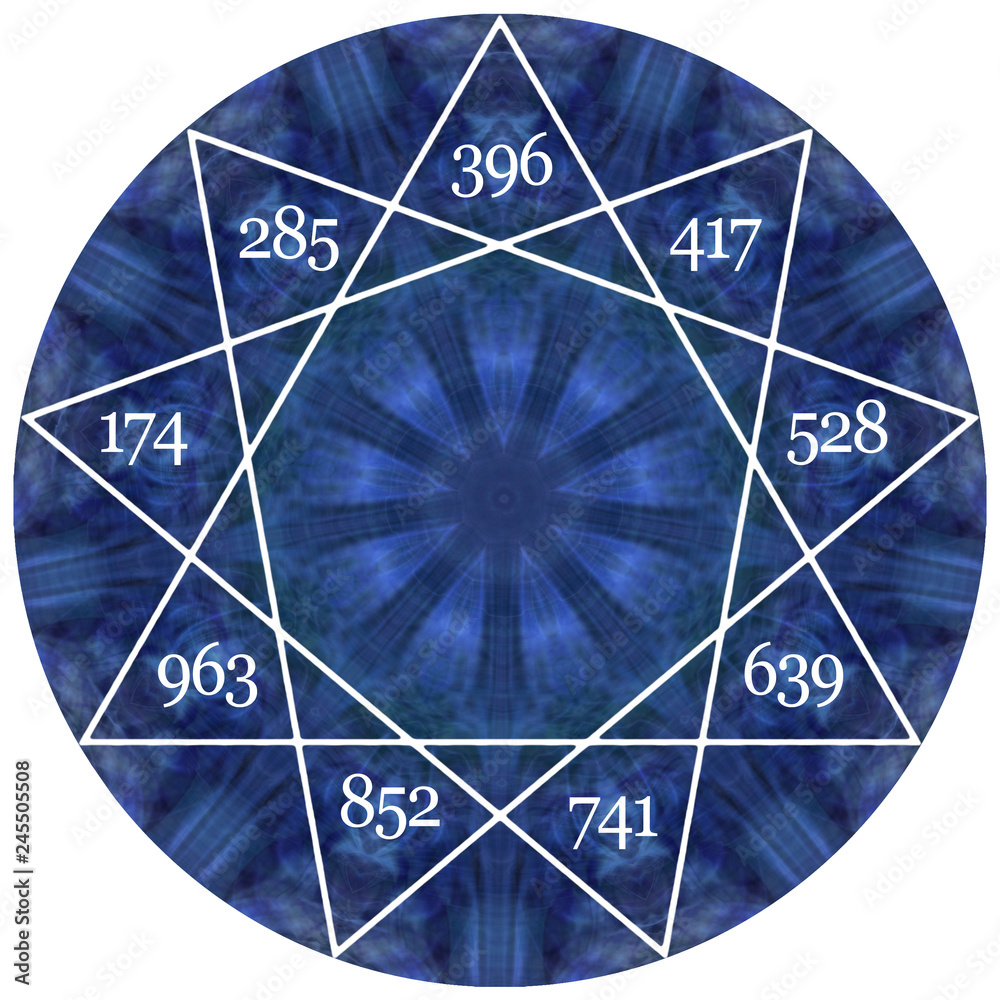
The Solfeggio Frequencies include six main tones: 396 Hz, 417 Hz, 528 Hz, 639 Hz, 741 Hz, and 852 Hz. Each frequency is believed to resonate with a specific aspect of our being and contribute to our overall well-being.
For example, the 396 Hz frequency is associated with releasing fear and guilt, while the 528 Hz frequency is known as the “Miracle” frequency, often used for DNA repair and transformation. The 639 Hz frequency is believed to enhance relationships and promote emotional healing, while the 741 Hz frequency is linked to improving intuition and problem-solving abilities. Lastly, the 852 Hz frequency is associated with spiritual awakening and connecting with higher consciousness.
By understanding the different frequencies and their benefits, we can tailor our use of Solfeggio Frequencies to address specific areas of our lives that require healing or transformation. Experimenting with different frequencies can help us discover which ones resonate with us the most and yield the best results.
In the final section of this series, we will explore practical tips on how to incorporate Solfeggio Frequencies into our daily routines, ensuring we maximize their healing potential. Stay tuned for valuable insights on integrating these frequencies seamlessly into your life and experiencing their profound benefits.
Conclusion: Harnessing the Transformative Power of Healing with Solfeggio Frequencies
Now that we have delved into the various frequencies of Solfeggio Frequencies and their specific benefits, it’s clear that these frequencies hold immense potential for healing and personal growth. By understanding each frequency’s unique properties, we can harness their transformative power to address specific areas of our lives that require healing or transformation.
Experimenting with different frequencies is key to finding the ones that resonate with us the most and yield the best results. Whether it is releasing fear and guilt with the 396 Hz frequency, repairing and transforming our DNA with the 528 Hz frequency, enhancing relationships with the 639 Hz frequency, improving intuition and problem-solving abilities with the 741 Hz frequency, or awakening our spirituality with the 852 Hz frequency, each frequency can contribute to our overall well-being.
Incorporating Solfeggio Frequencies into our daily routines is an effective way to maximize their healing potential. In the final section of this series, we will explore practical tips on how to seamlessly integrate these frequencies into our lives, so stay tuned for valuable insights on harnessing the transformative power of healing with Solfeggio Frequencies.
In today’s fast-paced and stressful world, taking care of ourselves and cultivating self-love and self-compassion is more important than ever. Meditation has emerged as a powerful tool to achieve this, allowing us to find inner peace, balance, and a deep sense of self-acceptance. Guided meditation and mindfulness practices have proven to be effective in promoting self-love and self-compassion, as they help us connect with our inner selves and foster a greater sense of appreciation and kindness towards ourselves. In this blog, we will explore the key benefits of meditation for self-love and self-compassion, and provide practical tips and techniques to incorporate meditation into your daily routine.
The Importance of Self-Love and Self-Compassion in Today’s Busy World
In today’s fast-paced and demanding world, it’s easy to get caught up in the hustle and forget to prioritize our own well-being. However, the importance of self-love and self-compassion cannot be emphasized enough, especially in times of stress. When we love and accept ourselves unconditionally, we are better equipped to handle challenges and setbacks with grace and resilience.
Self-love and self-compassion go hand in hand with meditation. As we sit in stillness and silence, we create a space within ourselves to listen to our needs and desires. We become more attuned to our emotions and thoughts, allowing us to respond to ourselves with kindness and understanding.
Practicing self-love and self-compassion through meditation also helps us cultivate a sense of worthiness and deservingness. We start to believe that we are deserving of love, care, and happiness – just as much as anyone else. This belief becomes the foundation on which we build a life centered around self-care, self-acceptance, and self-compassion.
Stay tuned for our next blog post, where we will delve deeper into the practical techniques to nurture self-love and self-compassion through meditation. Remember, taking time for yourself is not selfish, it’s a necessary step towards a healthier, happier you.
How Meditation Can Foster Self-Love and Self-Compassion
In this blog post, we will explore how meditation can foster self-love and self-compassion. When we engage in a regular meditation practice, we create a safe and nurturing space for ourselves to connect with our inner selves and cultivate a sense of love and compassion.
Through meditation, we learn to observe our thoughts and emotions without judgment. We become aware of our self-talk and can gently redirect any negative or self-critical thoughts toward more loving and compassionate ones. This shift in mindset allows us to treat ourselves with kindness and understanding.
Furthermore, meditation helps us develop a deeper understanding of ourselves. As we sit in stillness and silence, we become more attuned to our needs and desires. We gain insights into our strengths, weaknesses, and areas where we need self-care and attention. This awareness enables us to take the necessary steps to nurture ourselves and practice self-love.
In addition, meditation enhances our ability to be present in the moment. By grounding ourselves in the here and now, we let go of worries about the past or future and focus on the present moment. This mindfulness cultivates self-compassion as we learn to accept ourselves fully, flaws and all.
Overall, meditation can be a powerful tool in fostering self-love and self-compassion. By practicing regularly, we can create a strong foundation of love and compassion for ourselves, which radiates into all aspects of our lives.
In the next blog post, we will discuss practical techniques that you can incorporate into your meditation practice to nurture self-love and self-compassion. Stay tuned to discover how you can deepen your relationship with yourself through meditation. Remember, you deserve love and compassion, and meditation can help you cultivate that within yourself.
Starting Your Meditation Practice: Tips and Techniques
To incorporate meditation into your daily routine, it is important to start with a strong foundation. Making time for your practice is crucial, and consistency is key. Set aside a specific time each day when you can dedicate yourself to meditation without interruptions.
Finding a quiet and comfortable space is essential to create a conducive environment for meditation. Choose a spot where you can sit or lie down comfortably, ensuring that your body is relaxed and supported.
As you begin your practice, it may be helpful to start with shorter meditation sessions, gradually increasing the duration as you become more comfortable. Set a timer for yourself to maintain a structured practice and prevent distractions.
Focus your attention on your breath or a specific point of concentration, such as a mantra or visualization. This helps anchor your mind and bring it into the present moment.
If you find it challenging to sit still for extended periods, consider incorporating movement meditation into your practice. Activities like walking or yoga can bring mindfulness into motion and help cultivate self-compassion.
Remember, meditation is a personal journey, and there is no right or wrong way to do it. The goal is to find what works best for you and to approach your practice with patience and kindness.
Stay tuned for our next blog post, where we will explore different meditation techniques you can try to enhance your self-love and self-compassion journey.
Creating a Sacred Space for Meditation and Self Reflection
Creating a sacred space for meditation and self-reflection is an important aspect of incorporating meditation into your daily routine. It is a space where you can escape the distractions and noise of everyday life and find solace within yourself.
When choosing a location for your sacred space, opt for an area that feels peaceful and inviting. It could be a corner of a room, a cozy nook, or even a spot in your backyard. The key is to create an environment that resonates with you and promotes a sense of calm.
Consider decorating your sacred space with items that hold personal significance or inspire tranquility. This could include candles, crystals, plants, or inspiring artwork. The idea is to surround yourself with objects that bring you joy and help you create a serene atmosphere.
Furthermore, it can be beneficial to incorporate elements that engage your senses. Soft lighting, soothing scents, and calming music can enhance the ambiance and deepen your meditation experience.
By dedicating a specific area solely for your meditation and self-reflection practice, you are nurturing your commitment to self-love and self-compassion. This sacred space becomes a sanctuary where you can fully immerse yourself in the present moment and reconnect with your inner self.
In our next blog post, we will explore different meditation techniques that can further enrich your journey towards self-love and self-compassion. Stay tuned!
The Benefits of Regular Meditation for Self Love and Self Compassion
Regular meditation practice offers numerous benefits when it comes to cultivating self-love and self-compassion. Taking the time to check in with yourself through meditation allows you to become more aware of your thoughts, emotions, and physical sensations. This heightened awareness fosters a deeper sense of self-understanding and acceptance.
Meditation also helps to quiet the inner critic and create space for self-compassion to flourish. By observing your thoughts without judgment during meditation, you can learn to approach yourself with kindness and understanding in your daily life.
Additionally, meditation encourages the development of a calm and non-reactive mind. This means that when faced with challenging situations or negative self-talk, you are better equipped to respond with self-compassion rather than self-criticism.
The regular practice of meditation also promotes a sense of inner peace and contentment. This peaceful state allows you to connect with your innermost desires and aspirations, helping you to uncover your true values and passions.
In our next blog post, we will delve into specific meditation techniques that can aid in the cultivation of self-love and self-compassion. Stay tuned to discover these valuable tools on your journey towards a more loving and compassionate relationship with yourself.
Incorporating Mindfulness into Your Daily Life for Lasting Results
Incorporating mindfulness into your daily life is a crucial step towards experiencing lasting results in cultivating self-love and self-compassion. While meditation provides a sacred space for self-reflection, mindfulness extends that awareness to every moment of your day.
Begin by bringing mindfulness to simple activities such as eating, walking, or even washing the dishes. Focus on each sensation and fully engage in the present moment, letting go of distractions and judgments.
As you integrate mindfulness into your routine, you’ll start noticing a profound shift in your perception and reaction to stressful situations. Instead of getting caught up in negative thoughts or self-doubt, you’ll become more attuned to your emotions and respond with kindness and understanding.
Remember, self-love and self-compassion cannot be fully achieved in one meditation session alone. It requires continuous practice and a commitment to being mindful in all aspects of your life. So, let’s explore practical techniques and tips to help you embody mindfulness and witness the transformative power it has to offer. Stay tuned for the next blog post!
Overcoming Challenges in Your Meditation Practice to Cultivate Self-Love
Welcome back! In our previous section, we discussed how incorporating mindfulness into your daily life is essential for cultivating self-love and self-compassion. Now, let’s delve deeper into overcoming challenges in your meditation practice to further enhance your journey toward self-love.
Meditation may seem effortless at first, but it does come with its fair share of obstacles. Distractions, restless thoughts, and a wandering mind can all hinder your progress. However, it’s important to remember that these challenges are normal, and with the right mindset, you can overcome them.
One effective way to tackle these obstacles is to establish a consistent meditation routine. Find a time and place where you can have uninterrupted practice, free from distractions. Start with short sessions and gradually increase the duration as your focus strengthens.
Furthermore, if you find your mind wandering during meditation, don’t get discouraged. Instead, gently bring your attention back to your breath or chosen point of focus. Remember, meditation is a process of training and redirecting your attention. With practice, you’ll develop the ability to anchor yourself in the present moment despite external or internal distractions.
In our next blog post, we’ll explore additional strategies to help you overcome challenges in your meditation practice and deepen your self-love and self-compassion. Stay tuned for valuable tips and insights to support your journey toward inner healing and growth.
The Power of Self-Reflection and Journaling in Conjunction with Meditation
Welcome back to our blog series on meditation and self-love! In our previous section, we discussed how to overcome challenges in your meditation practice. Now, let’s explore the power of self-reflection and journaling in conjunction with meditation.
Self-reflection is the practice of looking inward and examining our thoughts, emotions, and actions. It allows us to gain insight into ourselves, our experiences, and our patterns. When combined with meditation, self-reflection deepens our understanding of self-love and self-compassion.
One way to incorporate self-reflection into your meditation practice is through journaling. After each meditation session, take a few minutes to write down your thoughts, emotions, and any insights that arose. This process not only helps you to process and release any emotions or thoughts that may have surfaced during your meditation, but it also provides an opportunity for self-discovery and self-compassion.
In your journal, you can also explore self-reflective prompts such as “What does self-love mean to me?”, “How can I be more compassionate towards myself?”, or “What are some limiting beliefs I need to release?”. By engaging in this practice, you create space for growth, healing, and nurturing your relationship with yourself.
In our next blog post, we will delve deeper into the practice of self-reflection and journaling, offering more guidance and tips to enhance your self-love and self-compassion journey. Stay tuned for an exploration of this powerful combination that will empower you to cultivate a deeper connection with yourself.
Welcome back to our blog series on meditation and self-love. In the previous section, we explored the power of self-reflection and journaling in conjunction with meditation. Now, let’s conclude our discussion by delving deeper into how meditation can ultimately lead us to embrace unconditional self-love and self-compassion.
Through consistent meditation practice, we develop the skill of observing our thoughts and emotions without judgment. This ability allows us to cultivate a sense of compassion towards ourselves, acknowledging that we are human and that it is natural to experience challenges and setbacks. By embracing self-compassion, we learn to treat ourselves with kindness and understanding, just as we would a dear friend.
Meditation also helps us to uncover our true selves, letting go of societal expectations and embracing our authentic selves. As we explore our thoughts, emotions, and experiences through meditation, we gain a deeper understanding of who we are and what truly matters to us. This self-discovery leads to a greater sense of self-acceptance and self-love.
Ultimately, by incorporating meditation into our lives, we open ourselves up to a profound journey of self-love and self-compassion. Along the way, we may stumble and face challenges, but through the practice of meditation, we learn to embrace these obstacles with a sense of grace and compassion. So, let’s continue on this path, nurturing our relationship with ourselves and cultivating unconditional self-love and self-compassion.
Do you feel like you think too much, or that your thoughts are driving you crazy? Mantra Meditation may be one way to help. Mantra meditation tends to slow down the mind, and cool out the thinking process. Many people report it to leave them feeling centered, refreshed, and relaxed.



















 The Harmonious Sound Journey