
Tag: Heart Gong
-
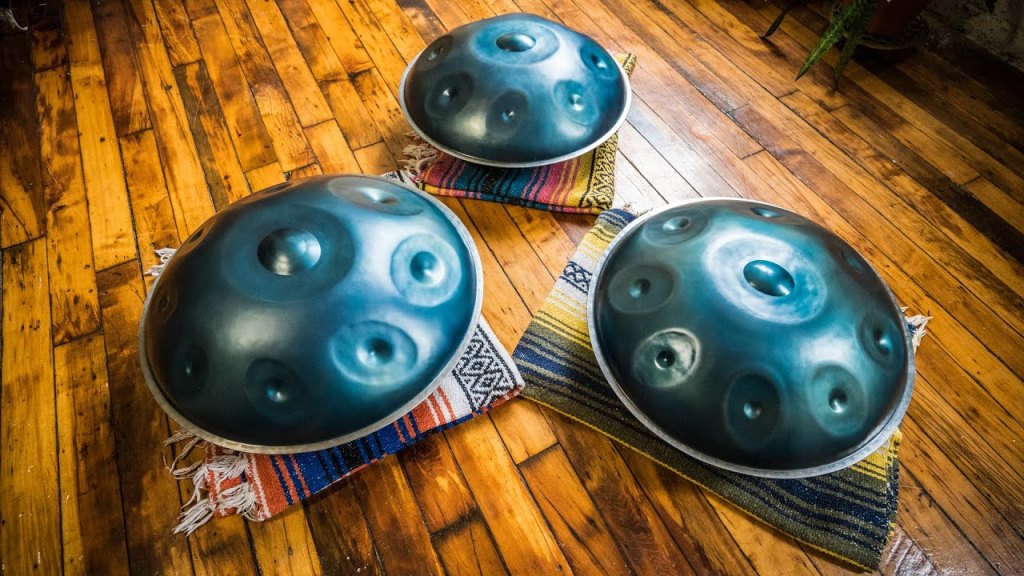
In stillness of mind, the healing begins,
As gentle vibrations resonate within.
A symphony of notes, like whispers of peace,
The hand pan’s melody, brings sweet release.
With every touch, the hands create,
A soothing balm, to alleviate.
The rhythm dances, through fingertips,
Healing the soul, with gentle flips.
Each metallic tone, a healing embrace,
Unraveling pain, leaving no trace.
The vibrations flow, like a gentle stream,
Soothing the wounds, renewing the dream.
In the hand pan’s embrace, all sorrows depart,
As melodies mend, and mend every heart.
With every stroke, a healing is found,
In the music’s embrace, peace does abound.
So let the hand pan’s healing touch,
Guide you to a place, where worries hush.
In its harmonies, find solace and rest,
Healing the spirit, at its very best.
-

Introduction to Gong Healing and Sound Therapy
In a fast-paced world filled with stress and anxiety, finding moments of peace and relaxation has become essential for maintaining our well-being. One powerful tool that has gained popularity in recent years is the practice of gong healing. Gong healing, also known as sound therapy, utilizes the vibrations and frequencies produced by specific gongs, such as the Chiron Gong, Heart Gong, Jupiter Gong, Neptune Gong, and Sidereal Moon Gong, to induce deep relaxation, enhance self-healing, and promote a sense of peace within. From the ancient traditions of the East to the modern practices of the West, gong healing has garnered attention for its profound benefits on the mind, body, and spirit. In this blog, we will explore the origins and techniques of gong healing, as well as delve into the transformative effects it can have on your overall well-being. So take a deep breath, and let the journey begin.
The Science Behind Gong Healing: How Sound Therapy Benefits the Body, Mind, Spirit and Emotions
Gong healing, or sound therapy, has been used for centuries as a means to promote healing and well-being. But how does it work? The science behind gong healing lies in the power of sound vibrations.
When the gongs are struck, they produce a range of frequencies that resonate with the body. These vibrations stimulate the body’s natural healing mechanisms, promoting deep relaxation and reducing stress. As the sound waves penetrate the body, they can help to release tension and blockages, allowing energy to flow freely again.
But the benefits of sound therapy extend beyond just the physical. The power of sound can also have a profound impact on our mental, emotional, and spiritual well-being. The vibrations created by the gongs can help to quiet the mind, promoting a state of meditation and inner peace. This can lead to improved focus, clarity, and a greater sense of connection to oneself and the world around them.
In addition, sound therapy has been shown to have a positive effect on our emotional state. The vibrations of the gongs can help to release stuck emotions and create a sense of balance and harmony within. This can bring about a greater sense of self-awareness and the ability to navigate through life’s challenges with more ease.
Overall, gong healing offers a holistic approach to well-being by addressing the body, mind, spirit, and emotions. In the next section, we will explore the specific ways in which sound therapy can benefit each of these areas, providing a comprehensive understanding of how gong healing can support your overall health and happiness. So, let’s dive in and discover the transformative effects of sound therapy on the body, mind, spirit, and emotions.
Healing Frequencies: How Gong Therapy Balances and Restores Energy
In the realm of sound therapy, gong healing holds a unique position as a powerful tool for balancing and restoring energy. This ancient practice harnesses specific frequencies to promote healing and harmonize the body’s energy centers, known as chakras.
Each chakra corresponds to different aspects of our physical, emotional, and spiritual well-being. When these energy centers are blocked or imbalanced, it can manifest as physical illness, emotional distress, or a general sense of disconnection.
Gong therapy works by emitting specific frequencies that resonate with each chakra, helping to clear blockages and restore balance. For example, the deep, low-frequency vibrations of the gong are believed to resonate with the root chakra, which is associated with grounding, stability, and a sense of safety. As the gong’s vibrations penetrate the body, they help to release any stagnant energy or emotional blockages in this area, allowing for a greater sense of security and stability.
Similarly, the higher-frequency vibrations of the gong are believed to resonate with the crown chakra, which is associated with spirituality, wisdom, and connection to a higher power. By stimulating this chakra, gong therapy can help to deepen one’s spiritual connection, enhance intuition, and promote a sense of transcendence.
In addition to balancing and restoring individual chakras, gong therapy also has a broader effect on the overall energy field of the body. This can help to improve overall vitality, boost the immune system, and support the body in its natural healing processes.
So, whether you are seeking physical, emotional, or spiritual healing, gong therapy offers a powerful method for restoring balance and promoting well-being. In the next section, we will delve deeper into the profound effects of gong healing on the body, exploring its ability to reduce pain, support healthy sleep, and enhance overall vitality. Stay tuned to uncover the full scope of how sound therapy can transform your health and wellness journey.
The Many Benefits of Gong Healing: From Stress Reduction to Improved Sleep
In this section, we will discuss the many benefits of gong healing and how it can positively impact your overall well-being. Gong therapy has been recognized for its ability to reduce stress and promote deep relaxation, making it an effective tool for managing anxiety. As the vibrations of the gong penetrate the body, they help to release tension and promote a state of calm.
Furthermore, gong healing has also been found to improve sleep quality. By creating a soothing environment and promoting relaxation, gong therapy can help regulate sleep patterns and enhance the overall quality of rest. For those struggling with insomnia or other sleep disorders, incorporating gong therapy into their routine can bring about significant improvements.
In addition to reducing stress and improving sleep, gong healing has also been shown to have a positive impact on mental and emotional well-being. The deep vibrations of the gong can help release emotional blockages, allowing for a greater sense of emotional balance and clarity. Many people have reported feeling a sense of inner peace and a heightened sense of well-being after a gong healing session.
Stay tuned for the next section, where we will dive deeper into the physical benefits of gong healing, exploring its potential to reduce pain, support the immune system, and enhance overall vitality.
Gong Healing Techniques: Exploring Different Methods and Instruments
Gong healing is a versatile therapy that involves various techniques and instruments to maximize its benefits. In this section, we will explore different methods and instruments commonly used in gong healing sessions.
One popular technique is known as “gong bath,” where the practitioner creates a surround sound experience by playing multiple gongs simultaneously. This method envelops the listener in a rich tapestry of sound vibrations, promoting a deep meditative state and facilitating healing on a holistic level.
Another technique is “gong pulsation,” which involves rhythmic and precise strikes on the gong surface. This technique creates a pulsating effect that resonates with the body’s natural energy flow, helping to release stagnant energy and revitalize the body’s systems.
Various gong instruments, such as the Sun Gong or the Wind Gong, can also produce different effects and frequencies. The Sun Gong, for example, is known for its bright and uplifting tones, while the Wind Gong offers a more complex and mystical sound profile.
By experimenting with different techniques and instruments, gong healers can tailor their sessions to meet the specific needs and preferences of their clients. In the next section, we will delve into the scientific explanations behind these healing effects and discuss the fascinating interplay between sound therapy and the human body. Stay tuned!
Finding a Qualified Gong Healing Practitioner: Tips for Choosing the Right Expert
Finding a qualified gong healing practitioner is essential to ensuring a safe and effective healing experience. While there is no standardized certification for gong healing, there are certain qualities and credentials to look for when choosing the right expert.
First and foremost, it is important to find a practitioner who has received formal training in gong healing techniques. Look for individuals who have completed courses or workshops with reputable gong healing schools or organizations. These programs typically cover topics such as the history and theory of sound therapy, gong playing techniques, and the therapeutic applications of gong healing.
Additionally, consider the practitioner’s experience and track record. Look for reviews or testimonials from previous clients to gain insight into their effectiveness and professionalism. A good gong healing practitioner should have a solid understanding of the human body, as well as the ability to create a safe and nurturing environment during sessions.
It is also worth exploring any additional certifications or complementary healing modalities the practitioner may have. Many gong healers have backgrounds in fields such as energy healing, meditation, or traditional medicine, which can enhance their skills and broaden the scope of their practice.
Finally, trust your instincts. Schedule a consultation or initial session with the practitioner to get a sense of their approach and demeanor. Pay attention to how comfortable and connected you feel during the interaction, as this can greatly impact the overall efficacy of the healing experience.
In the final section of this series, we will discuss the potential risks and precautions associated with gong healing, as well as provide tips for maximizing the benefits of your sessions.
Integrating Gong Healing into Your Wellness Routine: How to Make Sound Therapy a Regular Practice
In the final section of this series, we will discuss how you can integrate gong healing into your wellness routine. Making sound therapy a regular practice can offer long-term benefits for your physical, emotional, and spiritual well-being.
One way to incorporate gong healing into your routine is by scheduling regular sessions with a qualified practitioner. Depending on your specific needs and goals, this may involve weekly, bi-weekly, or monthly sessions. Consistency is key to experiencing the full benefits of sound therapy.
Another way to make gong healing a regular practice is to create a sacred space in your home where you can immerse yourself in the healing vibrations of the gong. Designate a quiet and comfortable area where you can set up your gong or listen to recorded gong healing sessions. Consider using essential oils, candles, or other relaxation aids to enhance the ambiance of your space.
In addition to regular sessions and creating a home practice, consider incorporating other wellness activities that complement gong healing. This may include practices such as yoga, meditation, breathwork, or journaling. Combining these modalities can help to deepen the healing experience and amplify its effects.
Remember, gong healing is a personal journey, and what works for one person may not work for another. Be open to experimenting with different approaches and techniques to find what resonates with you the most. Trust your intuition and listen to your body’s responses to determine what feels right for you.
By integrating gong healing into your wellness routine and making it a regular practice, you can tap into the power of sound therapy to achieve profound levels of healing, balance, and transformation.
The Future of Gong Healing: The Growing Popularity and Recognition of Sound Therapy
As the field of holistic healing continues to gain recognition and acceptance, sound therapy, including gong healing, is experiencing a surge in popularity. The profound benefits of sound therapy have captivated both individuals seeking alternative healing methods and professionals in the field of health and wellness.
Gong healing sessions are now widely available in wellness centers, spas, and holistic retreats. Many individuals are incorporating gong healing into their self-care routines, recognizing its potential to enhance overall well-being.
Moreover, scientific research further validates the effectiveness of sound therapy, shedding light on its therapeutic mechanisms and physiological impact. Studies have shown that sound healing can reduce stress levels, boost the immune system, improve sleep quality, and alleviate symptoms of anxiety and depression.
Not only is sound therapy gaining popularity among individuals, but it is also being integrated into various healthcare settings. Hospitals, clinics, and rehabilitation centers are implementing sound therapy as a complementary treatment option for patients, recognizing its ability to promote relaxation, reduce pain, and support overall healing.
As the demand for sound therapy continues to grow, we can expect further advancements in the field. Continued research, innovation, and collaboration among practitioners and scientists will contribute to the refinement and expansion of sound healing practices.
In conclusion, the future of gong healing and sound therapy is bright, as more people recognize its profound benefits and professionals continue to explore its potential. By embracing this ancient healing modality and incorporating it into our wellness routines, we can tap into the transformative power of sound and unlock new levels of well-being and harmony. Stay tuned for more updates and insights on the fascinating world of sound therapy.
-
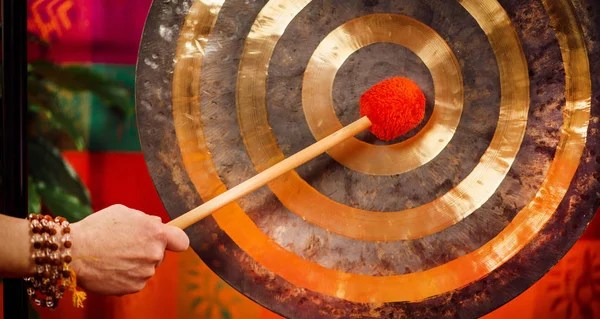
Emotions are a natural and essential part of our lives
Welcome to Day 17 of the 30-Day Gong Challenge!
Our emotions are a natural and essential part of our lives. They help us make decisions, express ourselves, and navigate our relationships. However, we often try to suppress our emotions, especially negative ones. We may think that we shouldn’t feel angry, sad, or afraid. But the reality is that these emotions are a normal part of life. It’s okay to feel them. It’s essential to our well-being.
Today’s challenge is to allow yourself to feel your emotions. Don’t try to push them away. Simply allow yourself to experience them fully. Notice how they feel in your body and mind. Explore them without judgment. And see what happens when you simply allow yourself to feel.
Our emotions can be our guideposts
Emotions are a natural part of our lives. Some, we may feel them more deeply than others, but they are still part of us. And we need to learn to accept and embrace them.
Our emotions can be our guides because they can tell us a lot about ourselves. They can signal to us when something needs to be addressed and what our needs and values may be. However, too many of us have learned to suppress our emotions instead of allowing ourselves to feel them. We do this because we think that these emotions are not acceptable or desirable.
But our emotions are a part of us and we need to learn to listen to them. We need to learn to recognize and understand our emotions so we can use them as signposts to help us navigate our lives.
So today, challenge yourself to pay attention to your emotions. Don’t stifle or suppress them, but rather allow yourself to observe them and recognize what they are trying to tell you. And if you want, you can even jot down your emotions in a journal or a piece of paper and review them later on.
Allowing ourselves to feel our emotions can be challenging
For many of us, allowing ourselves to feel our emotions can be challenging. It might feel scary, overwhelming, or even embarrassing. We might be worried that our feelings are too intense and are scared of being judged because of it.
However, we need to overcome this fear and allow ourselves to feel our emotions. Allow yourself to be vulnerable and understand that it is okay to not be okay sometimes.
If we can take a step back and pause to observe our emotions, we can be more mindful and gain a better understanding of what we’re feeling. Identifying our emotions can help us to make a plan on how we could best manage them. Talking it out with a friend or a therapist can also help to relieve our feeling of overwhelm and understand more about our emotions.
By taking our time and allowing ourselves to feel whatever emotion it is that we’re feeling, we’re more likely to come out the other side stronger, with deeper insight into ourselves and how we react to situations. So, it is important to acknowledge our emotions and take the time to process them. Over time, we can gain a better understanding of ourselves and how we process emotions.
When we allow ourselves to feel our emotions, we can move through them more easily
When we allow ourselves to feel our emotions, instead of resisting them or trying to suppress them, we can learn to identify them and process them more easily. This will allow us to move through our emotions more efficiently and find a resolution or solution more quickly.
By allowing ourselves to feel our emotions, we can become aware of our triggers and learn to manage them better. We can also create more meaningful relationships with ourselves and others as we learn to better understand and express our feelings.
In addition, allowing ourselves to feel and process our emotions can help us to build our emotional resilience and self-awareness, as well as our coping skills. This can help us to manage stress and difficult situations more effectively.
Ultimately, by allowing ourselves to feel our emotions and take the time to process them, we can develop a healthier relationship with ourselves and the world around us.
Allow yourself to feel your emotions today, and every day
Allow yourself to feel your emotions today and every day. Acknowledge and express your feelings so that you can better process them and let them pass.
Take a few moments throughout the day to check in to assess how you are feeling emotionally. Identify the emotions and recognize them, even if they are uncomfortable. Accept and allow them to be there, and don’t try to push them away.
Giving voice to your emotions can help you work through them instead of letting them linger and grow. Talk to friends, family, or a therapist about them; writing them down can also help. Focusing on your emotions for better understanding can help to heal and complete the process.
Try to address and understand how your emotions flow together and how they are linked to each other, as this can help unlock deeply hidden feelings. Through self-reflection, you can find the deeper, underlying causes of your emotions and work through them.
By allowing yourself to feel your emotions today and every day, you can create more meaningful relationships with yourself and others, while developing emotional resilience and coping skills to manage stress and difficult situations.
Available on Modern Sound Healing with Julie Jewels Smoot, Amazon, and my soundcloud account.
-

Customer satisfaction is the cornerstone of any successful business. In today’s competitive marketplace, it is more important than ever for companies to understand and meet the needs of their customers. One emerging trend in customer satisfaction is the use of modern sound healing techniques. Julie Jewels Smoot, a renowned expert in the field, has been at the forefront of this movement and has helped countless businesses unlock the secrets to customer satisfaction through the power of sound. In this blog, we will take a deep dive into the world of modern sound healing and explore how it can transform the customer experience.
The power of sound healing in customer satisfaction
Sound healing has emerged as a powerful technique for enhancing customer satisfaction in various industries. By incorporating sound therapy into customer experiences, businesses can tap into the inherent connection between sound and emotions, creating a more immersive and memorable customer journey.
1. Creating a Relaxing Atmosphere: Sound healing techniques, such as ambient music, nature sounds, or Tibetan singing bowls, can be used to establish a calming and welcoming environment. By reducing stress and anxiety levels, customers are more likely to feel at ease and enjoy their interactions with the business.
2. Enhancing Emotional Connection: Sound can evoke emotions and memories, making it a powerful tool for building an emotional connection with customers. Businesses can strategically use sound to create positive associations and reinforce their brand image. For example, playing a signature tune or sound logo can trigger customer recognition and loyalty.
3. Personalizing the Customer Experience: Sound healing can be tailored to meet individual customer preferences. By offering customizable sound options, such as personalized playlists or ambient soundscapes, businesses can cater to the unique tastes and needs of each customer. This personal touch creates a sense of exclusivity and makes customers feel valued.
4. Facilitating Mindfulness and Focus: In today’s fast-paced world, customers appreciate moments of mindfulness and opportunities to disconnect from distractions. Sound healing techniques, such as guided meditation sessions or binaural beats, can help customers relax, focus, and engage more deeply with the products or services being offered.
5. Promoting Healing and Well-being: Sound can promote physical and emotional healing. By incorporating sound therapy elements, businesses can contribute to the well-being of their customers. For example, a spa or wellness center may use sound healing techniques during massages or relaxation sessions to enhance the overall therapeutic experience.
6. Differentiating from Competitors: In a competitive marketplace, businesses are constantly looking for ways to differentiate themselves. Integrating sound healing techniques into customer experiences can be a unique selling proposition that sets a business apart from its competitors. Customers are likely to remember and appreciate the innovative approach, leading to increased customer satisfaction and loyalty.
In conclusion, modern sound healing techniques offer a myriad of possibilities for enhancing customer satisfaction. By leveraging the power of sound, businesses can create a more relaxing atmosphere, forge emotional connections, personalize the customer experience, foster mindfulness, promote healing, and differentiate from competitors. As the importance of customer satisfaction continues to grow, incorporating sound healing into business strategies can be a game-changer for driving customer loyalty and success in the modern marketplace.
Understanding the modern techniques of sound healing with Julie Jewels Smoot
In this section, we will delve deeper into the modern techniques of sound healing with Julie Jewels Smoot, a renowned expert in the field. As a sound healing practitioner, Julie has dedicated her life to studying and mastering the art of using sound vibrations to promote healing and well-being.
1. Sound Baths and Vibrational Healing:
One of the most popular modern techniques of sound healing is the sound bath. Sound baths involve immersing oneself in the healing vibrations produced by various instruments such as singing bowls, gongs, and chimes. These vibrations penetrate deeply into the body, promoting relaxation, reducing stress, and balancing the energy centers.
2. Tuning Fork Therapy:
Tuning forks are precision-crafted metal instruments that produce specific frequencies when struck. In sound healing, tuning forks are utilized to restore harmony and balance to the body’s energy fields. By placing the vibrating tuning forks on or near specific points on the body, Julie can stimulate the flow of energy and facilitate healing.
3. Voice and Mantra:
The human voice is a powerful tool in sound healing. Julie utilizes vocal techniques and mantras to create specific frequencies and vibrations that resonate with different energy centers in the body. Chanting sacred sounds and mantras can help release emotional blockages, promote clarity of mind, and support overall well-being.
4. Crystal Singing Bowls:
Crystal singing bowls are a modern addition to the sound healing toolkit. These bowls, made from quartz crystal, produce pure and powerful tones when played. Each bowl is tuned to a specific frequency, corresponding to different energy centers in the body. When played, the crystal singing bowls create a harmonious and resonant sound that promotes relaxation and healing.
5. Sound and Guided Meditation:
Combining sound healing with guided meditation techniques can enhance the healing experience. Julie incorporates guided meditation practices into her sound healing sessions to help participants relax, focus their minds, and deepen their connection to the healing vibrations.
6. Sound and Aromatherapy:
Another modern technique that Julie employs is the combination of sound healing with aromatherapy. By using essential oils during sound healing sessions, she creates a multi-sensory experience that enhances the healing effects. The combination of sound and aromatherapy can promote deep relaxation, uplift the mood, and facilitate emotional healing.
Julie Jewels Smoot’s innovative approach to sound healing combines ancient wisdom with modern techniques, creating a holistic and transformative healing experience. Through her expertise and dedication, she has helped countless individuals experience the profound benefits of sound healing.
In the next section, we will explore the scientific principles behind sound healing and how it affects the body, mind, and spirit.
The captivating journey to unlocking customer satisfaction through sound healing
In this section, we will embark on a captivating journey toward unlocking customer satisfaction through sound healing. Julie Jewels Smoot, a renowned expert in the field, will guide us through the transformative experience of using sound vibrations to promote healing and well-being.
1. Understanding Customer Satisfaction:
Before diving into the specifics of how sound healing can enhance customer satisfaction, it is important to explore what exactly customer satisfaction entails. Customer satisfaction goes beyond simply meeting the expectations of customers; it involves exceeding their expectations and leaving a lasting positive impression. By providing a unique and memorable experience, businesses can foster a sense of loyalty and build long-term relationships with their customers.
2. The Power of Sound Healing:
Sound healing is a holistic approach to well-being that utilizes the vibrational frequencies of sound to promote physical, mental, and emotional healing. By using various techniques and instruments, Julie Jewels Smoot harnesses the power of sound to create a harmonious environment that resonates with the needs of customers. The transformative effects of sound healing can enhance the overall customer experience and contribute to their satisfaction.
3. Creating a Relaxing Atmosphere:
One of the key elements in unlocking customer satisfaction through sound healing is the creation of a relaxing atmosphere. Julie utilizes techniques such as sound baths, tuning fork therapy, and guided meditation to help customers unwind, reduce stress, and achieve a state of deep relaxation. By immersing customers in a soothing environment, businesses can create a positive and memorable experience that leaves a lasting impression.
4. Supporting Emotional Healing:
Emotional well-being is a vital aspect of customer satisfaction. Sound healing techniques, such as voice and mantra work, can help release emotional blockages, promote clarity of mind, and support overall emotional healing. By addressing customers’ emotional needs, businesses can create an empathetic and supportive environment that enhances customer satisfaction.
5. Enhancing the Mind-Body Connection:
The mind-body connection plays a crucial role in customer satisfaction. Sound healing techniques, like crystal singing bowls and sound therapy combined with aromatherapy, can help customers achieve a state of balance and harmony. By integrating these techniques into the customer experience, businesses can foster a sense of well-being and enhance the mind-body connection, contributing to customer satisfaction.
6. Customizing the Experience:
To unlock customer satisfaction in the realm of sound healing, customization is key. Every customer is unique, with individual needs and preferences. By understanding and tailoring the sound healing experience to each customer, businesses can provide a personalized and memorable journey that exceeds expectations and fosters satisfaction.
Julie Jewels Smoot’s captivating journey towards unlocking customer satisfaction through sound healing demonstrates the profound impact it can have on customers’ well-being and overall experience. By harnessing the power of sound vibrations and creating a relaxing and transformative environment, businesses can create a truly exceptional customer journey that resonates long after the experience is over.
In the next section, we will explore the scientific principles behind sound healing and how it affects the body, mind, and spirit.
How Julie Jewels Smoot harnesses the secrets of customer satisfaction
In this section, we will delve into how Julie Jewels Smoot harnesses the secrets of customer satisfaction through her expertise in sound healing. By understanding the needs and desires of her clients, Julie can create a transformative experience that goes beyond traditional healing methods.
1. A Deep Understanding of Individual Needs:
Julie Jewels Smoot recognizes that each individual is unique, with their own specific needs and desires. Through careful listening and observation, she can gain a deep understanding of what her clients are seeking in terms of healing and well-being. By taking the time to connect with her clients on a personal level, Julie can tailor her sound healing sessions to their specific needs, ensuring a truly personalized experience.
2. Creating a Safe and Supportive Space:
Julie understands the importance of creating a safe and supportive space for her clients to explore their healing journey. Through her warm and compassionate presence, she instills a sense of trust and comfort in her clients, allowing them to fully open themselves up to the healing power of sound. By establishing this safe space, Julie ensures that her clients feel valued and respected throughout their journey toward healing and satisfaction.
3. Skillful Use of Sound Healing Techniques:
Julie Jewels Smoot has honed her skills in a wide range of sound healing techniques, allowing her to provide a diverse and comprehensive healing experience for her clients. Whether she is using crystal singing bowls, guided voice and mantra work, or tuning fork therapy, Julie’s expertise ensures that each session is tailored to address her clients’ specific goals and needs. By skillfully applying these techniques, Julie is able to create a deeply transformative and satisfying experience for her clients.
4. Incorporating Mindfulness and Intention:
Mindfulness and intention play a crucial role in the sound healing sessions facilitated by Julie. She encourages her clients to approach the experience with an open and receptive mindset, allowing them to fully immerse in the present moment. By incorporating mindfulness practices and setting clear intentions, Julie helps her clients to cultivate a deeper connection with themselves and the healing vibrations of sound. This mindful approach enhances the overall satisfaction and transformative potential of the sound healing sessions.
5. The Power of Emotional Support:
One of the secrets to unlocking customer satisfaction in sound healing lies in providing emotional support. Julie Jewels Smoot recognizes that emotional well-being is intricately linked to overall satisfaction and healing. Through her empathetic and compassionate approach, Julie creates a space where clients feel safe to express and release any emotional blockages or challenges they may be facing. By providing this emotional support, Julie helps her clients to achieve a greater sense of well-being and satisfaction through the power of sound healing.
Through her deep understanding of individual needs, her creation of a safe and supportive space, her skillful use of sound healing techniques, her incorporation of mindfulness and intention, and her provision of emotional support, Julie Jewels Smoot harnesses the secrets of customer satisfaction in her sound healing practice. By offering a truly personalized and transformative experience, Julie ensures that her clients not only leave feeling satisfied but also empowered and deeply connected to their inner well-being.
In the next section, we will explore the scientific principles that underpin sound healing and how these principles contribute to the overall satisfaction and well-being of clients.
Elevating customer experience through the art of sound healing
In this section, we will explore how the art of sound healing can elevate the customer experience and contribute to overall satisfaction and well-being. Julie Jewels Smoot’s expertise in sound healing allows her to create a transformative experience that goes beyond traditional healing methods. By understanding the needs and desires of her clients, Julie can tailor her sound healing sessions to provide a truly personalized and satisfying customer experience.
1. Creating a Sacred Space:
Julie recognizes the importance of creating a sacred space for her clients to embark on their healing journey. Through her attention to detail and intentionality, she sets up a tranquil environment that promotes relaxation and inner peace. From soft lighting to comfortable seating arrangements, every aspect of the space is carefully designed to enhance the overall customer experience.
2. Intention Setting:
Before each sound healing session, Julie invites her clients to set intentions for their healing journey. This process allows clients to focus their energy and attention on their specific goals and desires. By incorporating intention-setting into the session, Julie creates a sense of purpose and direction, enhancing the overall satisfaction and effectiveness of the healing experience.
3. Engaging the Senses:
Julie understands that engaging the senses is a powerful way to elevate the customer experience. During her sound healing sessions, she incorporates various sensory elements such as the soothing sounds of crystal singing bowls, gentle aromatherapy, and soft textures through blankets or cushions. By stimulating multiple senses, Julie creates a multi-dimensional experience that deepens the connection between the client and the healing vibrations of sound.
4. Personalized Sound Healing Journey:
Julie’s deep understanding of individual needs allows her to tailor each sound healing session to the unique requirements of her clients. Whether it’s addressing physical pain, emotional blockages, or spiritual growth, Julie customizes her approach to meet the specific goals and intentions of her clients. This personalized journey ensures that clients feel seen, heard, and understood, ultimately leading to a higher level of satisfaction and fulfillment.
5. Post-Session Guidance:
After a sound healing session, Julie provides post-session guidance and support to her clients. This may include self-care practices, recommendations for continued healing, or resources for further exploration. By offering ongoing support, Julie ensures that her clients can integrate the benefits of the sound healing experience into their daily lives, leading to long-lasting satisfaction and well-being.
Through the creation of a sacred space, intention setting, sensory engagement, personalized healing journeys, and post-session guidance, Julie Jewels Smoot elevates the customer experience through the art of sound healing. Her commitment to providing a holistic and transformative experience ensures that clients not only leave feeling satisfied but also empowered and deeply connected to their inner well-being.
In the next section, we will explore the scientific principles that underpin sound healing and how these principles contribute to the overall satisfaction and well-being of clients.
The transformative effects of modern sound healing on customer satisfaction
In this section, we will dive deeper into the transformative effects of modern sound healing on customer satisfaction. Julie Jewels Smoot’s expertise in sound healing allows her to create a truly unique and personalized experience that goes beyond traditional healing methods. By harnessing the power of sound, Julie can unlock the secrets to customer satisfaction and promote overall well-being.
1. Enhanced Relaxation and Stress Reduction:
One of the primary benefits of sound healing is its ability to induce deep relaxation and reduce stress. Through the soothing sounds of crystal singing bowls, Julie creates a harmonious environment that allows clients to unwind and release tension. The vibrational frequencies produced by the bowls resonate with the body, promoting a state of calmness and tranquility. This deep relaxation not only provides immediate relief from stress but also enhances overall satisfaction and well-being.
2. Emotional Healing and Release:
Sound healing has a profound impact on emotional well-being. By working with specific frequencies and vibrations, Julie is able to address the emotional blockages and traumas that may be hindering personal growth and satisfaction. The transformative power of sound allows clients to release suppressed emotions, heal past wounds, and cultivate a sense of emotional balance and fulfillment. Through this emotional healing process, customers experience a heightened sense of satisfaction and empowerment.
3. Increased Mindfulness and Self-Awareness:
Sound healing also promotes mindfulness and self-awareness, which are essential components of customer satisfaction. Through the use of sound, Julie helps clients to cultivate a deeper connection with themselves and their inner well-being. The meditative nature of sound healing sessions allows individuals to be fully present in the moment, enhancing their ability to understand and meet their own needs. This increased mindfulness and self-awareness contribute to a greater sense of satisfaction and fulfillment.
4. Physical Healing and Pain Relief:
In addition to its emotional and mental benefits, sound healing can also facilitate physical healing and pain relief. The vibrations produced by crystal singing bowls stimulate the body’s natural healing mechanisms, promoting the flow of energy and restoring balance. This can have a profound impact on physical ailments and discomfort, leading to a greater sense of satisfaction and well-being. Whether it’s addressing chronic pain or promoting overall physical wellness, sound healing plays a crucial role in enhancing customer satisfaction.
5. Spiritual Growth and Connection:
Sound healing has long been associated with spiritual growth and inner transformation. Julie’s expertise in this field allows her to create a sacred space for clients to explore their spiritual journey and connect with their higher selves. Through the transformative power of sound, individuals can deepen their spiritual practice, expand their consciousness, and cultivate a greater sense of purpose and fulfillment. The spiritual growth experienced through sound healing contributes to a profound level of customer satisfaction and overall well-being.
By harnessing the transformative effects of sound healing, Julie Jewels Smoot elevates the customer experience and unlocks the secrets to satisfaction and well-being. Through relaxation and stress reduction, emotional healing and release, increased mindfulness and self-awareness, physical healing and pain relief, and spiritual growth and connection, Julie empowers her clients to achieve a higher level of satisfaction and live a more fulfilling life.
In the next section, we will explore the scientific principles that underpin sound healing and how these principles contribute to the overall satisfaction and well-being of clients.
Conclusion: Julie Jewels Smoot’s pioneering approach to customer satisfaction through sound healing.
In this section, we have delved deeper into the transformative effects of modern sound healing on customer satisfaction. Julie Jewels Smoot’s expertise in sound healing allows her to create a truly unique and personalized experience that goes beyond traditional healing methods. By harnessing the power of sound, Julie can unlock the secrets to customer satisfaction and promote overall well-being.
Throughout our exploration, we have discovered that sound healing offers a range of benefits that contribute to customer satisfaction. First and foremost, sound healing induces deep relaxation and reduces stress, providing immediate relief and enhancing overall well-being. The soothing sounds of crystal singing bowls create a harmonious environment that allows clients to unwind and release tension, promoting a state of calmness and tranquility.
Moreover, sound healing has a profound impact on emotional well-being. By working with specific frequencies and vibrations, Julie is able to address emotional blockages and traumas, allowing clients to release suppressed emotions, heal past wounds, and cultivate emotional balance and fulfillment. Through this emotional healing process, customers experience a heightened sense of satisfaction and empowerment.
Furthermore, sound healing promotes mindfulness and self-awareness, which are essential components of customer satisfaction. Julie helps clients to cultivate a deeper connection with themselves and their inner well-being, allowing them to be fully present in the moment and better understand and meet their own needs. This increased mindfulness and self-awareness contribute to a greater sense of satisfaction and fulfillment.
In addition to its emotional and mental benefits, sound healing also facilitates physical healing and pain relief. The vibrations produced by crystal singing bowls stimulate the body’s natural healing mechanisms, promoting the flow of energy and restoring balance. Whether addressing chronic pain or promoting overall physical wellness, sound healing plays a crucial role in enhancing customer satisfaction.
Lastly, sound healing has long been associated with spiritual growth and inner transformation. Julie’s expertise in this field allows her to create a sacred space for clients to explore their spiritual journey, connect with their higher selves, and cultivate a greater sense of purpose and fulfillment. The spiritual growth experienced through sound healing contributes to a profound level of customer satisfaction and overall well-being.
Through her pioneering approach to sound healing, Julie Jewels Smoot elevates the customer experience and unlocks the secrets to satisfaction and well-being. By providing relaxation and stress reduction, emotional healing and release, increased mindfulness and self-awareness, physical healing and pain relief, and spiritual growth and connection, Julie empowers her clients to achieve a higher level of satisfaction and live a more fulfilling life.
In the next section, we will explore the scientific principles that underpin sound healing and how these principles contribute to the overall satisfaction and well-being of clients.
-

Photo by Los Muertos Crew on Pexels.com Sound healing has been practiced for centuries in various cultures around the world, but it is only recently that science has begun to uncover the true power and potential of sound vibrations for healing and well-being. In the latest breakthroughs in sound healing research, scientists and therapists are discovering how specific frequencies and vibrations can positively impact our physical, mental, and emotional health. From treating chronic pain and reducing anxiety to improving sleep and enhancing cognitive function, the findings of these studies are revolutionizing the field of sound healing. This blog explores the latest research and breakthroughs in sound healing and how they can be applied to enhance our overall well-being.
Sound healing research: a promising field
In recent years, sound healing research has emerged as a promising field, with numerous studies investigating the potential benefits of sound vibrations on our health and well-being. Scientists and therapists have delved into the intricate relationship between specific frequencies, vibrations, and their impact on our physical, mental, and emotional states.
One area of sound healing research focuses on the treatment of chronic pain. Studies have shown that certain frequencies can help alleviate pain by stimulating the release of endorphins, our body’s natural painkillers. By exposing individuals to specific sound vibrations, researchers have observed a reduction in pain levels and an improvement in overall comfort.
Another exciting area of exploration is the use of sound healing in reducing anxiety. Research has demonstrated that soothing sound frequencies can promote a deep sense of relaxation and calmness, helping individuals manage feelings of stress and anxiety. By incorporating sound healing techniques into therapeutic practices, therapists have witnessed a significant decrease in anxiety symptoms and an improved sense of well-being among patients.
Furthermore, sound healing research has shown promise in improving sleep quality. Studies have revealed that certain frequencies and vibrations can help regulate brainwave patterns, leading to a more restful and rejuvenating sleep experience. By employing sound healing techniques, individuals struggling with insomnia or sleep disorders have reported improved sleep duration and quality, resulting in enhanced overall health and vitality.
Moreover, advancements in sound healing research have shed light on its potential to enhance cognitive function. Specific sound frequencies have been found to stimulate brain activity, improve focus, and boost memory retention. By harnessing the power of sound vibrations, researchers are exploring innovative ways to optimize cognitive performance and support individuals with conditions such as ADHD or age-related cognitive decline.
These breakthrough findings in sound healing research are revolutionizing the field and opening up a world of possibilities for improving our overall well-being. As scientists and therapists continue to delve into this promising field, it is becoming increasingly evident that sound vibrations have the potential to unlock a multitude of health benefits. Whether it’s managing chronic pain, reducing anxiety, enhancing sleep, or boosting cognitive function, the power of sound healing is proving to be a valuable asset in promoting a healthier and more harmonious life.
In the next section, we will delve into the specific research studies that have propelled the field of sound healing forward and explore how their findings are shaping the future of this transformative practice. Stay tuned as we uncover the latest breakthroughs and their implications for incorporating sound healing into our daily lives.
Understanding the power of vibrations
Vibrations have long been recognized for their therapeutic effects on the human body and mind. From ancient civilizations to modern-day research, the study of vibrations and their impact on our well-being has continued to evolve.
1. Resonance and Healing – One key concept in understanding the power of vibrations is resonance. Resonance occurs when an object or system vibrates at its natural frequency in response to an external stimulus. This phenomenon has been observed in various healing practices, such as Tibetan singing bowls or tuning forks. The vibrations emitted by these instruments are believed to create a resonance within our bodies, promoting relaxation, balance, and healing.
2. Cellular Communication – Vibrations also play a crucial role in cellular communication within our bodies. Every cell in our body emits its own vibration, and when these vibrations are in harmony, our body functions optimally. However, imbalances in these vibrations can lead to physical and emotional disharmony. Through sound healing, specific frequencies and vibrations are used to restore balance and promote the healthy functioning of our cells.
3. Brainwave Entrainment – Another fascinating aspect of vibrations is their ability to influence our brainwave patterns. Different frequencies of sound can entrain our brainwaves, which refers to the synchronization of electrical activity in our brains. For example, low-frequency vibrations can induce a state of relaxation, while higher frequencies can enhance focus and concentration. By utilizing sound healing techniques with specific frequencies, we can entrain our brainwaves to achieve desired mental states.
4. Emotional Release – It is well-known that vibrations can elicit emotional responses. Just think about how certain songs or musical compositions can evoke strong emotions within us. This phenomenon has been harnessed in sound healing practices, where vibrations are used to release emotional blockages and promote emotional well-being. By resonating with our emotions, sound vibrations can help us process and release stagnant or negative emotions, leading to a greater sense of emotional balance and healing.
5. Energetic Alignment – Vibrations also have an impact on our energetic field, including our chakras and auras. Chakras are energy centers within the body, and when they are balanced and aligned, we experience optimal physical, emotional, and spiritual well-being. Through the use of specific frequencies and vibrations, sound healing can help to clear and balance our chakras, facilitating the flow of energy throughout our entire system. This energetic alignment strengthens our overall vitality and promotes a sense of harmony within ourselves.
Understanding the power of vibrations is key to unlocking the full potential of sound healing. By utilizing specific frequencies and vibrations, we can tap into the innate healing capabilities of our bodies and minds. From promoting relaxation and balance to facilitating emotional release and energetic alignment, the therapeutic effects of vibrations are limitless.
In the next section, we will explore the latest research studies that have shed light on the specific mechanisms behind the healing power of vibrations. Stay tuned as we delve into the cutting-edge discoveries that are shaping the future of sound healing and its applications in promoting overall well-being.
New breakthroughs in sound healing techniques
The field of sound healing is constantly evolving, with breakthroughs and techniques being discovered that further enhance its effectiveness in promoting wellness and healing. Researchers and practitioners are continuously exploring innovative methods to harness the power of vibrations and utilize them for therapeutic purposes. In this section, we will delve into some of the latest advancements in sound healing techniques that are shaping the future of this field.
1. Binaural Beats: Binaural beats are a form of sound therapy that involves playing two slightly different frequencies in each ear, which then create a third phantom frequency within the brain. This phenomenon leads to a synchronization of brainwaves, allowing the listener to experience a desired mental state, such as deep relaxation or heightened focus. Recent research has shown promising results in using binaural beats for various purposes, including reducing anxiety, improving sleep quality, and enhancing cognitive performance.
2. Solfeggio Frequencies: Solfeggio frequencies are a set of ancient musical frequencies that are believed to have profound healing effects on the body and mind. Each frequency is associated with specific attributes and benefits, such as spiritual awakening, emotional healing, and physical rejuvenation. Recent studies have explored the therapeutic potential of solfeggio frequencies, revealing their ability to promote relaxation, reduce stress, and restore energetic balance within the body.
3. Sound Bath Therapy: Sound bath therapy has gained popularity in recent years as a powerful tool for relaxation and stress reduction. During a sound bath session, participants immerse themselves in a soothing and immersive sound experience created by various instruments, such as singing bowls, gongs, and drums. The vibrations produced by these instruments resonate throughout the body, helping to calm the nervous system, release tension, and induce a state of deep relaxation. Ongoing research is shedding light on the physiological and psychological benefits of sound bath therapy, highlighting its potential for improving overall well-being.
4. Biofield Tuning: Biofield tuning is a unique sound healing technique that focuses on the body’s biofield, which consists of electromagnetic energy fields surrounding and permeating the body. By using tuning forks or other resonant tools, practitioners can detect and correct imbalances within the biofield, promoting energetic alignment and healing. This modality has shown promising results in addressing various physical and emotional issues, including chronic pain, trauma, and stress-related conditions.
5. Neurofeedback with Sound: Neurofeedback is a technique that aims to train and regulate brainwave activity to promote optimal brain function. In recent years, researchers have combined neurofeedback with sound therapy to enhance its effectiveness. By integrating sound stimuli into the neurofeedback protocol, individuals can receive real-time auditory feedback that helps them regulate their brainwaves more effectively. This innovative approach has shown promise in treating conditions such as ADHD, anxiety, and depression.
These are just a few examples of the exciting breakthroughs in sound healing techniques that are pushing the boundaries of this field. As research continues to unfold, we can expect to see even more innovative approaches and applications of sound therapy in promoting overall well-being. The future of sound healing looks promising, with the potential to revolutionize the way we approach health and wellness. Stay tuned as we explore further advancements and discoveries in the next section.
The impact on physical and mental well-being
The latest breakthroughs in sound healing techniques have shown tremendous potential in improving both physical and mental well-being. As researchers and practitioners continue to explore the power of vibrations, the effects of sound therapy are being recognized and acknowledged in various areas of healthcare. In this section, we will delve into the impact of sound healing on physical and mental well-being.
1. Stress Reduction: One of the key benefits of sound healing is its ability to reduce stress. The soothing and immersive sound experience created during sound bath therapy helps to calm the nervous system, release tension, and induce a state of deep relaxation. Studies have shown that this relaxation response not only reduces stress levels but also promotes a sense of calmness and overall mental well-being.
2. Pain Management: Sound healing techniques such as biofield tuning have shown promise in addressing chronic pain. By detecting and correcting imbalances within the body’s biofield, practitioners can promote energetic alignment and alleviate pain symptoms. This non-invasive approach to pain management offers an alternative to traditional methods and has the potential to improve the quality of life for individuals suffering from chronic pain conditions.
3. Improved Sleep Quality: Sound therapy, particularly the use of binaural beats, has been found to enhance sleep quality. By synchronizing brainwaves and inducing a desired mental state, binaural beats can help individuals achieve a deeper and more restful sleep. This is particularly beneficial for those who struggle with insomnia or other sleep disorders, as sound healing provides a natural and non-pharmacological solution.
4. Emotional Well-being: Sound healing techniques, such as the use of solfeggio frequencies, have shown promising results in promoting emotional healing and balance. Each frequency is associated with specific attributes and benefits, such as spiritual awakening and emotional release. By incorporating these frequencies into sound therapy sessions, individuals can experience a profound shift in their emotional well-being, leading to increased self-awareness and a greater sense of inner peace.
5. Cognitive Enhancement: Research has also explored the cognitive benefits of sound healing, particularly with the use of binaural beats. By synchronizing brainwaves and promoting a desired mental state, binaural beats have been found to enhance cognitive performance, including focus, memory, and creativity. This has significant implications for individuals looking to boost their productivity or improve their cognitive abilities.
Overall, the impact of sound healing on physical and mental well-being is vast and varied. From stress reduction to pain management and improved sleep quality, sound therapy offers a holistic approach to wellness. As research continues to unfold and more advancements are made in the field, we can expect to see even greater applications and benefits of sound healing in promoting overall well-being. In the next section, we will explore specific case studies and testimonials that highlight the transformative effects of sound healing.
Practical applications and success stories
The impact of sound healing techniques on physical and mental well-being has led to numerous practical applications and success stories. Researchers and practitioners have explored various avenues to incorporate sound healing into traditional healthcare settings, as well as alternative and complementary therapies. In this section, we will delve into some practical applications and highlight success stories that demonstrate the transformative effects of sound healing.
1. Hospitals and Healthcare Facilities: Sound healing has gained recognition in hospitals and healthcare facilities as a complementary therapy to support patients’ physical and emotional well-being. In integrative medicine departments, sound therapy is used alongside conventional treatments to reduce anxiety, promote relaxation, and improve pain management. Patients undergoing chemotherapy, surgery, or other medical procedures have reported reduced stress levels and increased comfort during their treatments through the use of sound healing techniques.
2. Mental Health and Psychotherapy: The powerful effects of sound healing on emotional well-being have made it an appealing modality in mental health and psychotherapy settings. Therapists and psychologists integrate sound therapy into their practice to facilitate emotional release, trauma healing, and stress reduction. The use of specific frequencies and vibrations helps individuals access deeper states of consciousness, explore their emotions, and promote self-awareness. Success stories abound in the field of mental health, with clients reporting breakthroughs, increased resilience, and improved overall mental well-being.
3. Education and Learning Environments: Sound healing techniques have also found practical applications in educational settings. By incorporating specific frequencies and rhythms, teachers and educators create an environment conducive to learning, focus, and concentration. Research has shown that certain frequencies can enhance cognitive abilities, memory retention, and information processing. Teachers have reported improved student engagement, reduced anxiety, and enhanced learning outcomes through the integration of sound healing techniques into the classroom.
4. Performance Enhancement: Sound healing is not limited to healthcare and educational settings. Athletes, musicians, and performers have embraced sound therapy as a means to enhance their performance and improve their overall well-being. By incorporating specific frequencies and vibrations into their training routines, individuals can optimize their physical and mental states, promote flow states, and reduce performance anxiety. Success stories from professional athletes, musicians, and performers highlight the significant impact sound healing has had on their abilities, focus, and overall performance.
5. Personal Growth and Spirituality: Beyond practical applications, sound healing has become a transformative practice for personal growth and spirituality. Individuals seeking self-discovery, inner peace, and spiritual awakening have turned to sound therapy as a powerful tool. Through immersive sound experiences, meditation, and exploration of different frequencies, individuals report profound shifts in their consciousness, increased self-awareness, and a deeper connection with their spirituality. Success stories in this realm showcase the transformative potential of sound healing in facilitating personal growth and spiritual development.
As the field of sound healing continues to evolve, more practical applications and success stories are emerging. From hospitals and mental health settings to education and personal growth, sound therapy offers a versatile and transformative approach to well-being. The next section will explore ongoing research and future directions in sound healing, shedding light on the exciting possibilities that lie ahead.
Future directions in sound healing research
As sound healing gains recognition and popularity, researchers continue to explore new avenues and possibilities for its application. Here are some of the future directions in sound healing research that hold promise for further understanding and leveraging the power of vibrations:
1. Neuroscientific Studies: Advancements in neuroscientific research provide an opportunity to deepen our understanding of the neurological mechanisms underlying sound healing. Researchers are using techniques such as functional magnetic resonance imaging (fMRI) and electroencephalography (EEG) to study the brain wave patterns and neural responses during sound healing sessions. By mapping the brain’s activity, scientists aim to unravel how sound vibrations affect different regions of the brain, leading to therapeutic effects and enhanced well-being.
2. Specific Frequency Exploration: While researchers have identified certain frequencies that have been found to induce relaxation, reduce stress, and promote healing, there is still much to explore in terms of specific frequencies and their targeted effects. Future research may focus on uncovering the precise frequencies that are most effective for conditions such as chronic pain, depression, anxiety, and cognitive disorders. By understanding the relationship between specific frequencies and their therapeutic benefits, sound healing can be tailored to individual needs and conditions.
3. Sound and Energy Medicine Integration: Integrating the principles of sound healing with energy medicine modalities, such as acupuncture, Reiki, and Ayurveda, holds promise for enhancing overall well-being. Research in this area can explore how combining sound vibrations with energy-based therapies can synergistically amplify the healing effects and promote balance in the body’s subtle energy systems. This interdisciplinary approach may pave the way for integrated healing practices that address the physical, emotional, and energetic aspects of well-being.
4. Digital Sound Healing Technologies: The advancement of technology, particularly in the realm of digital sound processing, opens up new possibilities for sound healing research and practice. Researchers can explore the use of virtual reality (VR) and augmented reality (AR) technologies to create immersive sound healing experiences that enhance relaxation, focus, and emotional well-being. Additionally, the development of advanced sound healing devices and mobile applications can make sound therapy more accessible to a wider audience.
5. Culturally Diverse Sound Healing Practices: Sound healing traditions exist across various cultures around the world, each with its unique practices and instruments. Future research can delve into the diverse cultural perspectives on sound healing and investigate the specific therapeutic effects associated with different traditions. This exploration can contribute to a more comprehensive understanding of sound healing’s cross-cultural applications and enrich the field by incorporating diverse approaches and perspectives.
6. Evidence-based Practices and Standardization: As the field of sound healing evolves, there is a growing need for evidence-based practices and standardization of protocols. Research can play a crucial role in establishing scientific standards for sound healing methodologies, ensuring quality control, and validating the efficacy of different techniques. By rigorously studying the effects of sound healing interventions using well-designed clinical trials and longitudinal studies, researchers can strengthen the credibility of the field and promote its integration into conventional healthcare systems.
By continuing to explore these future directions, sound healing research can expand our knowledge of vibrations’ transformative power and contribute to the integration of sound healing into mainstream medicine, wellness practices, and personal growth modalities. The emerging possibilities in sound healing hold the potential to revolutionize the way we approach health, well-being, and personal transformation in the years to come.
Conclusion
The future of sound healing research is filled with exciting possibilities and advancements. As researchers delve deeper into understanding the power of vibrations, they are exploring various avenues to enhance its effectiveness and application. Neuroscientific studies using advanced imaging techniques aim to unravel the neurological mechanisms behind sound healing and its therapeutic effects. The exploration of specific frequencies and their targeted effects can lead to tailored sound healing interventions for different conditions. Integrating sound healing with energy medicine modalities holds promise for comprehensive well-being. The advancement of digital sound processing technology opens up new possibilities for immersive sound healing experiences. Exploring culturally diverse sound healing practices enriches the field and promotes cross-cultural applications. The establishment of evidence-based practices and standardization ensures quality control and integration into healthcare systems.
By continuing to research these future directions, sound healing can revolutionize the way we approach health, well-being, and personal transformation. The transformative power of vibrations has the potential to shape the future of mainstream medicine, wellness practices, and personal growth modalities. As we unlock the mysteries of sound healing, we embark on a journey toward a harmonious and balanced future where sound becomes an integral part of our holistic well-being.
-

Photo by Arina Krasnikova on Pexels.com Sound healing has gained considerable popularity in recent years, with more and more people turning to this alternative therapy for relaxation and wellness. As a result, the market for sound healing products and services has been rapidly evolving, incorporating new technologies and strategies to meet the growing demand. In this blog, we will explore the cutting edge of sound healing marketing, unveiling the latest trends that are shaping the industry and offering new opportunities for practitioners and businesses alike. Whether you are a sound healer or simply interested in this emerging field, join us as we delve into the exciting world of sound healing marketing.
The importance of staying current in sound healing marketing
In the fast-paced and ever-evolving world of sound healing marketing, practitioners and businesses must stay current with the latest trends and strategies. Adapting to the changing landscape of the industry is essential to remain competitive and effectively reach target audiences. Here are some reasons why staying current in sound healing marketing is of utmost importance:
1. Meeting Customer Expectations: As sound healing gains popularity, more consumers are becoming aware of and interested in this alternative therapy. They seek out practitioners and businesses that are up-to-date with the latest techniques, technologies, and trends in sound healing. By staying current, practitioners and businesses can meet customer expectations and provide high-quality services that resonate with their target audience.
2. Enhancing Brand Reputation: Being seen as a leader and innovator in sound healing marketing can greatly enhance a practitioner or business’s reputation. By staying current, they can showcase their expertise and knowledge in the field, positioning themselves as trusted and reliable sources of sound healing services. This can lead to increased credibility, customer trust, and ultimately, a strong brand reputation.
3. Creating Differentiation: With the rise in popularity of sound healing, the market has become more saturated with practitioners and businesses offering similar services. Staying current in sound healing marketing allows practitioners and businesses to differentiate themselves from competitors. By incorporating the latest trends and strategies, they can offer unique and innovative approaches to sound healing, attracting and retaining customers who are looking for something new and exciting.
4. Maximizing Marketing Effectiveness: Sound-healing marketing is constantly evolving, with new platforms, tools, and techniques emerging regularly. By staying current, practitioners and businesses can take advantage of these advancements to maximize the effectiveness of their marketing efforts. They can leverage new digital platforms, utilize targeted advertising strategies, and engage with their audience through various channels, ensuring their marketing messages resonate with their intended audience.
5. Embracing Innovation: The field of sound healing is continually evolving, with new research and discoveries being made. Staying current in sound healing marketing allows practitioners and businesses to embrace innovation and incorporate the latest findings into their services and marketing efforts. This not only keeps them at the forefront of the industry but also allows them to offer cutting-edge sound healing experiences to their clients.
In conclusion, staying current in sound healing marketing is vital for practitioners and businesses to remain relevant, competitive, and successful in the evolving landscape of the industry. By keeping up with the latest trends, techniques, and technologies, they can meet customer expectations, enhance their reputation, differentiate themselves from competitors, maximize marketing effectiveness, and embrace innovation.
Trend #1: Social media integration
Social media integration is a key trend in sound healing marketing, offering practitioners and businesses the opportunity to connect with their target audience in a more meaningful and engaging way. With the widespread use of social media platforms, such as Facebook, Instagram, and Twitter, integrating these channels into sound healing marketing strategies can yield significant benefits. Here are some reasons why social media integration is a trend worth noting:
1. Increased Reach and Visibility: Social media platforms have billions of daily active users, providing a vast audience for sound healing practitioners and businesses to reach. By integrating social media into their marketing efforts, they can expand their reach and increase their visibility among potential customers. Posting engaging content, such as sound healing tips, testimonials, and updates, can attract the attention of users who may not have been exposed to sound healing otherwise.
2. Direct Engagement with Target Audience: Social media allows for direct and immediate engagement with the target audience. Practitioners and businesses can respond to comments, messages, and inquiries in real-time, creating a sense of connection and building trust with their audience. They can also initiate conversations, ask questions, and gather feedback, gaining valuable insights into the preferences and needs of their target market.
3. Building a community: Social media integration enables sound healing practitioners and businesses to create and nurture a community around their brand. By sharing relevant and valuable content, they can attract like-minded individuals who are interested in sound healing. This sense of community fosters engagement, loyalty, and advocacy, as members connect with each other and with the practitioner or business.
4. Showcasing Expertise and Authenticity: Social media platforms provide an opportunity for practitioners and businesses to showcase their expertise and authenticity in sound healing. By sharing informative and educational content, such as articles, videos, and podcasts, they can position themselves as trusted authorities in the field. They can also give a glimpse into their own sound healing practices, offering a more personal and authentic connection with their audience.
5. Leveraging User-Generated Content: Social media integration allows practitioners and businesses to leverage user-generated content, which is content created and shared by their customers or followers. This can include testimonials, reviews, photos, and videos of sound healing experiences. By sharing and showcasing user-generated content, practitioners and businesses can enhance their credibility and social proof, as potential customers see real people benefiting from their services.
6. Targeted Advertising Opportunities: Social media platforms offer robust advertising capabilities, allowing practitioners and businesses to target specific demographics, interests, and locations. By utilizing targeted advertising, they can reach audiences who are most likely to be interested in sound healing and increase the effectiveness of their marketing campaigns.
In summary, social media integration is a trend that sound healing practitioners and businesses should embrace to amplify their reach, engage with their audience, build a community, showcase expertise, leverage user-generated content, and take advantage of targeted advertising opportunities. By effectively integrating social media into their marketing strategies, they can stay at the forefront of the industry and attract and retain loyal customers.
Trend #2: Influencer marketing
Influencer marketing has emerged as a powerful trend in sound healing marketing, offering practitioners and businesses the opportunity to leverage the reach and influence of popular individuals within the field. Here are some reasons why influencer marketing is a trend worth considering:
1. Access to a Targeted Audience: Influencers have built a loyal and engaged following within the sound healing community. By partnering with them, practitioners and businesses can gain access to a targeted audience that is already interested in sound healing. This targeted approach increases the likelihood of reaching individuals who are more likely to be interested in their services.
2. Authentic Recommendations: Influencers are known for their authenticity and credibility. They have established themselves as experts or enthusiasts in the sound healing field, and their recommendations carry weight with their followers. When an influencer promotes a practitioner or business, it is seen as a genuine endorsement, which can lead to increased trust and interest from their audience.
3. Increased Brand Awareness: Collaborating with influencers can significantly boost brand awareness. By featuring practitioners or businesses on their social media platforms, influencers expose their audience to new products, services, and experiences. This exposure helps expand the reach of the practitioner or business, resulting in increased visibility and potential customer acquisition.
4. Social Proof and Trust Building: Influencers have already established a level of trust with their followers. When they recommend a practitioner or business, it serves as social proof and helps build trust with potential customers. The endorsement from a trusted influencer can reassure individuals who may be skeptical about sound healing, leading to increased interest and conversion.
5. Content Creation and Storytelling: Influencers are skilled content creators. Partnering with them allows practitioners and businesses to tap into their creativity and storytelling abilities. Influencers can create engaging and informative content, such as blog posts, videos, or social media posts, showcasing the benefits of sound healing and highlighting the practitioner or business’s unique offerings.
6. Long-Term Partnerships: Building long-term partnerships with influencers can provide sustained marketing benefits. By nurturing relationships with influencers, practitioners and businesses can create ongoing collaborations and campaigns that keep their brand consistently in front of their target audience. This continuity can lead to increased brand loyalty and customer retention.
7. Measurable ROI: Influencer marketing can offer a measurable return on investment (ROI) through various tracking and analytics tools. Practitioners and businesses can track the performance of influencer campaigns, monitor engagement, track conversions, and measure the impact of influencer collaborations on their business goals. This data-driven approach allows for the efficient allocation of marketing resources and the optimization of future campaigns.
In summary, influencer marketing is a trend that sound healing practitioners and businesses should consider incorporating into their marketing strategies. It provides access to a targeted audience, authentic recommendations, increased brand awareness, social proof and trust building, content creation opportunities, long-term partnerships, and measurable ROI. By strategically partnering with influencers, practitioners and businesses can elevate their marketing efforts and achieve broader reach and impact within the sound healing community.
Trend #3: Online courses and webinars
In addition to influencer marketing, another cutting-edge trend in sound healing marketing is the rise of online courses and webinars. These digital platforms offer practitioners and businesses the opportunity to share their expertise and knowledge with a global audience, expanding their reach and impact within the sound healing community. Here are some key reasons why online courses and webinars are becoming increasingly popular:
1. Accessibility: Online courses and webinars eliminate geographical limitations, allowing individuals from around the world to access and participate in sound healing teachings. This accessibility is particularly beneficial for practitioners and businesses who may not have a physical location or who want to reach a wider audience beyond their local community.
2. Flexibility: Online courses and webinars provide flexibility in terms of scheduling and pace of learning. Participants can access the content at their own convenience, allowing them to fit their learning around their personal and professional commitments. This flexibility makes it easier for individuals to engage with sound healing teachings and commit to their own personal development.
3. Interactive Learning: Online courses and webinars offer interactive learning experiences, enabling participants to actively engage with the material. Through live Q&A sessions, discussion forums, and interactive exercises, participants can ask questions, share experiences, and receive personalized guidance from instructors. This interactive element enhances the learning process and fosters a sense of community among participants.
4. Expert Instruction: Online courses and webinars are often led by experienced practitioners and teachers within the sound healing field. Participants have the opportunity to learn directly from experts who have in-depth knowledge and practical experience. This expert instruction ensures high-quality content and enhances the credibility of the course or webinar.
5. Diverse Content: Online courses and webinars cover a wide range of topics within the realm of sound healing. Participants can choose courses or webinars that align with their specific interests and learning goals. Whether it’s learning about specific sound healing modalities, exploring the science behind sound therapy, or discovering practical techniques for self-healing, there is a diverse range of content available to cater to different interests and needs.
6. Certification and Accreditation: Many online courses and webinars offer certification or accreditation upon completion. This is particularly beneficial for individuals who want to enhance their professional credentials or pursue sound healing as a career. Certifications and accreditations provide validation and recognition of the participant’s knowledge and skills, increasing their credibility within the industry.
7. Networking Opportunities: Online courses and webinars often foster a community of like-minded individuals who share a passion for sound healing. Participants have the opportunity to connect with fellow learners, share insights, and build valuable relationships within the sound healing community. These networking opportunities can lead to collaborations, mentorship opportunities, and a sense of belonging within the field.
In conclusion, online courses and webinars are a powerful trend in sound healing marketing. They offer accessibility, flexibility, interactive learning experiences, expert instruction, diverse content, certification opportunities, and networking possibilities. By embracing and leveraging these digital platforms, practitioners and businesses can effectively share their knowledge, attract a global audience, and contribute to the growth and advancement of the sound healing industry.
Trend #4: Personalized experiences
In addition to the rise of online courses and webinars, personalized experiences are another cutting-edge trend in sound healing marketing. Personalization involves tailoring sound healing offerings to meet the unique needs and preferences of individual clients. By providing customized experiences, practitioners and businesses can create deep connections with their audience and enhance their overall satisfaction. Here are some key reasons why personalized experiences are becoming increasingly popular:
1. Individualized Approach: Personalized experiences allow practitioners to take an individualized approach to sound healing. This means considering each client’s specific goals, challenges, and preferences when designing and delivering sessions. By understanding and addressing the unique needs of each client, practitioners can create more meaningful and impactful healing experiences.
2. Tailored Recommendations: Personalization enables practitioners to provide tailored recommendations for sound healing modalities, techniques, and tools that are best suited to each client. This personalized guidance can help clients make informed decisions and optimize their healing journey.
3. Enhanced Engagement: Personalized experiences foster a deeper level of engagement between clients and practitioners. By recognizing and responding to individual preferences, practitioners can create a sense of trust and connection that encourages clients to fully embrace the healing process.
4. Customized Soundscapes: Personalization allows for the creation of customized soundscapes that resonate with each client’s unique preferences and needs. By incorporating specific instruments, frequencies, and tones, practitioners can create a sonic environment that promotes relaxation, balance, and healing.
5. Individualized Support: Personalized experiences extend beyond the session itself. Practitioners can provide ongoing support and guidance tailored to each client’s progress and needs. This may include personalized recommendations for self-care practices, resources, and continued learning opportunities.
6. Emotional Connection: Personalized experiences help foster an emotional connection between clients and practitioners. By acknowledging and addressing individual emotions, practitioners can create a safe and supportive space for clients to explore and heal their emotional well-being.
7. Long-term Relationships: By offering personalized experiences, practitioners can build long-term relationships with their clients. This creates a sense of loyalty and trust, leading to repeat bookings, referrals, and positive word-of-mouth marketing.
In conclusion, personalized experiences are an essential trend in sound healing marketing. By tailoring sound healing offerings to meet the unique needs and preferences of individual clients, practitioners and businesses can create deeper connections, enhance engagement, and foster long-term relationships. By embracing personalization, the sound healing industry can continue to evolve and provide transformative experiences for individuals seeking healing, relaxation, and personal growth.
Conclusion: Embracing the future of sound healing marketing
As we look to the future of sound healing marketing, it is evident that personalized experiences will play a crucial role. By tailoring sound healing offerings to meet the unique needs and preferences of individual clients, practitioners and businesses can create deep connections, enhance engagement, and foster long-term relationships with their audience.
The rise of online courses and webinars has already paved the way for personalized experiences in the sound healing industry. Practitioners are now able to take an individualized approach to sound healing, considering each client’s specific goals, challenges, and preferences when designing and delivering sessions. By understanding and addressing the unique needs of each client, practitioners can create more meaningful and impactful healing experiences.
Personalization also allows practitioners to provide tailored recommendations for sound healing modalities, techniques, and tools that are best suited to each client. This personalized guidance helps clients make informed decisions and optimize their healing journey.
Furthermore, personalized experiences foster a deeper level of engagement between clients and practitioners. By recognizing and responding to individual preferences, practitioners can create a sense of trust and connection that encourages clients to fully embrace the healing process.
In addition to individualized support during sessions, personalized experiences extend beyond the session itself. Practitioners can provide ongoing support and guidance tailored to each client’s progress and needs. This may include personalized recommendations for self-care practices, resources, and continued learning opportunities.
Emotional connection is another crucial aspect of personalized experiences. By acknowledging and addressing individual emotions, practitioners create a safe and supportive space for clients to explore and heal their emotional well-being.
By offering personalized experiences, practitioners can build long-term relationships with their clients. This creates a sense of loyalty and trust, leading to repeat bookings, referrals, and positive word-of-mouth marketing.
In conclusion, embracing personalized experiences is essential for the future of sound healing marketing. By tailoring sound healing offerings to meet the unique needs and preferences of individual clients, practitioners and businesses can create deeper connections, enhance engagement, and foster long-term relationships. By embracing personalization, the sound healing industry can continue to evolve and provide transformative experiences for individuals seeking healing, relaxation, and personal growth.
-

Photo by Pixabay on Pexels.com Introduction: Unveiling the Enigmatic World of Sound Healing
Sound healing is an ancient practice that has been used for centuries to promote physical, mental, and emotional well-being. It involves using sound vibrations to restore balance and harmony to the body and mind. Despite its long history, sound healing has remained largely unknown to the general public. However, in recent years, there has been a growing interest in this ancient practice, and it is now gaining recognition as a powerful and effective healing modality. In this blog, we will explore the current state of sound healing, uncover its untold secrets, and discuss its potential benefits for overall health and well-being.
The Historical Context of Sound Healing: Unraveling its Ancient Origins and Traditions
Sound healing is not a new concept; in fact, it has been practiced for thousands of years across various cultures and civilizations. To truly understand the current state of sound healing, it is crucial to explore its historical context and unravel its ancient origins and traditions.
1. Ancient Origins: Sound healing traces its roots back to ancient civilizations such as Egypt, India, and Greece. In ancient Egypt, sound was considered a vital force that could rejuvenate the body and soul. The Egyptians used special instruments like the sistrum, a small musical rattle, and the harp to create soothing and healing sounds. Similarly, in India, the practice of using sound as a healing tool can be found in ancient texts like the Vedas and the Upanishads. The Greeks also recognized the therapeutic potential of sound and music, with renowned philosophers like Pythagoras exploring the mathematical and harmonic aspects of music.
2. Traditional Practices: Sound healing has been an integral part of traditional healing practices in many cultures. For example, in Chinese medicine, the use of specific sounds and vibrations has been used to balance the body’s energy and promote healing. Traditional Tibetan Buddhism also incorporates sound healing through chanting and the use of symbolic instruments such as singing bowls and bells. Indigenous cultures around the world have their own unique sound healing practices, often involving rhythmic drumming, chanting, or playing traditional instruments. These ancient traditions highlight the deep-rooted belief in the power of sound to restore harmony and well-being.
3. Modern Resurgence: While sound healing may have faded into obscurity for a period of time, it has experienced a resurgence in recent years. This resurgence can be attributed to a growing interest in alternative and holistic healing modalities. People are seeking natural and non-invasive ways to enhance their well-being, and sound healing offers a unique approach. Additionally, advancements in technology have allowed for a deeper understanding of the therapeutic effects of sound waves on the body and mind. This has led to the development of innovative sound healing techniques and instruments that are scientifically designed to promote relaxation, reduce stress, and support overall health.
By exploring the historical context of sound healing, we can appreciate its rich heritage and understand why it continues to captivate and inspire people today. From ancient civilizations to modern-day enthusiasts, the power of sound to heal and transform remains an enduring and essential aspect of human existence. In the next section, we will delve deeper into the science behind sound healing and explore how it works on a physiological and psychological level.
The Science behind Sound Healing: Understanding the Mechanisms and Benefits
In the previous section, we explored the rich historical context of sound healing, tracing its origins back to ancient civilizations and traditional healing practices. Now, let us delve deeper into the science behind sound healing and the mechanisms through which it brings about its benefits.
1. The Power of Vibrations: At its core, sound healing relies on the fundamental concept that everything in the universe is in a state of vibration. Every cell, organ, and system within our bodies has its own unique vibrational frequency. When we are exposed to certain frequencies or vibrations, they can resonate with and influence our physical, emotional, and energetic states. Sound healing utilizes specific frequencies and vibrations to bring about harmony and balance within the body.
2. Resonance and Entrainment: One of the key mechanisms through which sound healing works is resonance. Resonance occurs when an object or system vibrates in response to an external stimulus that carries a similar frequency. When we are exposed to sound vibrations that resonate with the natural frequencies of our body, our cells and systems can entrain or synchronize with those vibrations. This can promote a sense of relaxation, reduce stress, and support overall well-being.
3. The Relaxation Response: Sound healing has been shown to activate the body’s relaxation response, which induces a state of deep relaxation and reduces the stress response. When we are exposed to soothing sounds and gentle vibrations, our nervous system shifts from the sympathetic mode (fight or flight) to the parasympathetic mode (rest and digest). This shift promotes relaxation, lowers heart rate and blood pressure, and enhances the body’s natural healing mechanisms.
4. Brainwave Entrainment: Another fascinating aspect of sound healing is its ability to influence brainwave activity. Different frequencies of sound can entrain the brainwaves to specific states, such as alpha (relaxed but alert), theta (deep relaxation and meditation), or delta (deep sleep). By listening to soundscapes or instruments that produce these frequencies, we can induce desired states of consciousness and support deep relaxation and inner exploration.
5. Emotional Release and Resolving Blockages: Sound healing has the potential to facilitate emotional release and help resolve energetic blockages within the body. Sound vibrations can penetrate deeply into our tissues and energy centers, allowing for the release of stored emotions, trauma, and tension. This can promote emotional well-being, balance the energy flow, and support overall healing.
The benefits of sound healing are wide-ranging and encompass physical, emotional, and spiritual aspects of our being. From reducing stress and promoting relaxation to supporting energy flow and emotional release, sound healing offers a holistic approach to well-being. In the next section, we will explore different techniques and modalities of sound healing and how they can be incorporated into a wellness practice.
Contemporary Applications of Sound Healing: Exploring its Utilization in Modern Wellness Practices
In the previous section, we delved into the science behind sound healing and the mechanisms through which it brings about its benefits. Now, let us explore the contemporary applications of sound healing and how it is being utilized in modern wellness practices.
1. Sound Baths and Meditation: One of the most popular applications of sound healing in modern wellness practices is through sound baths and meditation. Sound baths typically involve lying down in a comfortable position while being immersed in a soothing symphony of sound created by various instruments such as singing bowls, gongs, and chimes. The vibrations and frequencies produced by these instruments help induce a deep state of relaxation, reduce stress, and promote overall well-being. Sound meditation, on the other hand, involves using sound as the focal point of meditation to facilitate mindfulness and inner exploration.
2. Sound Therapy: Sound therapy is a therapeutic approach that utilizes the power of sound vibrations to address specific physical, emotional, or energetic imbalances. In sound therapy sessions, practitioners use specific frequencies and tones to target areas of concern or imbalance within the body. This can involve using tuning forks, sound tables, or specialized sound healing instruments. Sound therapy has been found to be effective in alleviating conditions such as chronic pain, insomnia, anxiety, and depression.
3. Sound Massage: Sound massage, also known as vibroacoustic therapy, combines the therapeutic benefits of sound with the physical touch of massage. During a sound massage session, the client lies on a massage table equipped with transducers that emit low-frequency vibrations. These vibrations are synchronized with specific sound frequencies, creating a deeply relaxing and harmonizing experience. Sound massage is known to promote relaxation, relieve tension, and enhance overall well-being.
4. Sound Healing in Yoga and Movement Practices: Sound healing is increasingly being incorporated into yoga and movement practices to enhance the mind-body connection and deepen the transformative effects of these practices. Chanting mantras, toning, and using singing bowls or other sound instruments during yoga classes or movement workshops can help participants deepen their focus, release tension, and tap into their inner wisdom. This integration of sound and movement creates a synergistic and holistic experience of healing and self-exploration.
5. Sound Healing in Healthcare Settings: Sound healing is also finding its place in healthcare settings, where it is being used as a complementary therapy to support patients’ well-being and healing. Hospitals, clinics, and wellness centers are introducing sound healing sessions as adjunct therapies for conditions such as chronic pain, cancer, and mental health disorders. The soothing sounds and vibrations help reduce anxiety, promote relaxation, and create a healing environment for patients.
The utilization of sound healing in modern wellness practices is opening up new possibilities for holistic well-being and self-care. By incorporating sound vibrations and frequencies into various modalities and settings, practitioners are harnessing the power of sound to enhance relaxation, promote healing, and support overall wellness. In the next section, we will explore the effectiveness of sound healing and its potential benefits for different individuals and populations.
Sound Healing Techniques: Delving into Various Modalities and Instruments Used
In the previous section, we explored the contemporary applications of sound healing in modern wellness practices. Now, let’s delve into the different sound healing techniques and the various modalities and instruments used in this ancient practice.
1. Singing Bowls: Singing bowls are one of the most commonly used instruments in sound healing. These bowls, often made of metal, produce soothing and resonant sounds when struck or played with a mallet. The vibrations and frequencies of singing bowls help to relax the mind and body, release tension, and promote a state of deep relaxation and healing.
2. Tuning Forks: Tuning forks are another popular instrument used in sound healing. These metal forks produce pure tones when struck. By placing the tuning forks on or near specific points on the body, practitioners can stimulate the body’s natural healing response and restore balance to the energy centers, or chakras, of the body. Tuning forks are also used for diagnosing and addressing energetic imbalances.
3. Gongs: Gongs are large, circular metal instruments that produce a wide range of harmonic tones and vibrations when struck. The powerful and transformative sound of gongs helps to release blockages, clear stagnant energy, and create a sense of spaciousness and expansion. Gong baths, which involve being immersed in the resonant sounds of gongs, are particularly popular for inducing deep relaxation and facilitating emotional release.
4. Chimes and Bells: Chimes and bells are often used in sound healing to create gentle and melodic tones. These instruments produce high-frequency sounds that help to uplift and purify the energy in a space. Chimes and bells can be used to clear stagnant energy, promote mental clarity, and create a sense of harmony and balance.
5. Drumming: Drumming has been used for centuries as a powerful sound healing tool. The rhythmic beats and vibrations of the drum help to synchronize brainwaves, induce a meditative state, and release emotional tension. Drum circles, where participants play drums together, are a popular form of group sound healing and community building.
6. Voice and Mantras: The human voice is a potent instrument for sound healing. By chanting mantras or toning specific sounds or vowels, practitioners can tap into the power of their own voice to create healing vibrations. The vibrations produced by the voice help to balance the energy centers, release emotional blockages, and promote relaxation and well-being.
7. Nature Sounds: Nature sounds, such as the sound of waves, birdsong, or gentle rain, are often used in sound healing to create a calming and nurturing environment. These sounds help to evoke a sense of connection with the natural world and facilitate deep relaxation and restoration.
8. Sound Baths and Soundscapes: Sound baths and soundscapes are immersive experiences where a variety of instruments and sounds are played together to create a multi-dimensional and deeply transformative experience. Participants lie down or sit comfortably and allow the vibrations and frequencies of the sounds to wash over them, creating a state of deep relaxation, rejuvenation, and inner exploration.
These are just a few examples of the many modalities and instruments used in sound healing. Each instrument and technique has its unique qualities and benefits, and practitioners often combine different modalities to create a customized and holistic healing experience.
In the next section, we will explore the therapeutic benefits of sound healing and its potential to promote overall well-being and self-transformation.
Overcoming Skepticism: Addressing Misconceptions and Criticisms Surrounding Sound Healing
While sound healing has gained popularity in recent years, there are still skeptics and critics who question its effectiveness. In this section, we will address some of the common misconceptions and criticisms surrounding sound healing, shedding light on the true potential and benefits of this ancient practice.
1. Lack of scientific evidence: One of the main criticisms of sound healing is the perceived lack of scientific evidence supporting its claims. While it is true that there is limited scientific research specifically focused on sound healing, there is a growing body of research exploring the effects of sound and vibration on the human body and mind. Studies have shown that sound therapy can reduce stress, alleviate pain, promote relaxation, and improve mood. Additionally, anecdotal evidence from individuals who have experienced the benefits of sound healing firsthand cannot be dismissed.
2. Placebo effect: Skeptics often argue that the positive effects reported by individuals who undergo sound healing are simply due to the placebo effect, rather than any inherent properties of the sound itself. While the placebo effect may play a role in any form of therapy, the profound experiences and transformations witnessed by many sound healing practitioners suggest that there is more to it than mere suggestion. Sound healing works at a deep energetic level, facilitating the release of emotional blockages, and promoting overall well-being.
3. Lack of regulation and standardized training: Another criticism of sound healing is the lack of regulation and standardized training for practitioners. Unlike other healthcare professions, there is no universally recognized certification or licensing for sound healing practitioners. While this may be a valid concern, it is important to note that many sound healing practitioners undergo extensive training and study in various modalities, including the proper and safe use of sound healing instruments. It is recommended to seek out practitioners who have received training from reputable sources and have years of experience in the field.
4. Cultural appropriation: Sound healing draws inspiration from various ancient traditions and cultures, which has led to concerns about cultural appropriation. Critics argue that the commercialization and commodification of sound healing instruments and practices can be disrespectful to the cultural origins of these practices. It is crucial to approach sound healing with cultural sensitivity and respect, acknowledging the roots of these traditions and honoring their significance.
Despite these criticisms, sound healing continues to gain recognition and acceptance as a powerful tool for holistic well-being. The experiences and testimonials of individuals who have undergone sound healing cannot be ignored, and there is a growing interest in integrating sound healing into mainstream healthcare practices.
In the next section, we will explore the therapeutic benefits of sound healing in more detail, discussing its potential to promote physical, emotional, and spiritual healing.
The Future of Sound Healing: Emerging Trends and Innovations in the Field
As sound healing gains more recognition and acceptance, the field is constantly evolving with emerging trends and innovations. Here, we will explore some of the exciting developments and future possibilities for sound healing.
1. Integrating technology: Technology has the potential to revolutionize the practice of sound healing. With the advancements in virtual reality (VR) and augmented reality (AR), practitioners can create immersive and transformative healing experiences. Imagine being able to enter a virtual sound healing environment that transports you to a serene natural setting or a sacred space with resonating sounds, enhancing the therapeutic effects of the session. Additionally, wearable devices that utilize sound frequencies and vibrations can provide personalized and targeted healing experiences.
2. Scientific research: As the demand for scientific evidence supporting the efficacy of sound healing continues to grow, more research studies are being conducted to explore its effects on the human body and mind. This research will not only provide a better understanding of the mechanisms behind sound healing but also help establish standardized protocols and guidelines for its practice. The integration of sound healing into evidence-based healthcare systems and the collaboration between sound healing practitioners and researchers will further enhance its credibility and recognition.
3. Sound healing in healthcare settings: Traditional healthcare systems are beginning to recognize the potential benefits of sound healing and are incorporating it into their practices. Hospitals, clinics, and wellness centers are integrating sound healing therapies alongside conventional treatments to enhance patient well-being and support the healing process. This integration can range from providing sound healing sessions as complementary therapies to incorporating sound healing techniques into rehabilitation programs and pain management protocols. As the evidence base grows, we can expect to see sound healing become a more integral part of mainstream healthcare.
4. Personalized sound healing experiences: Just as each individual is unique, their healing needs and preferences can vary significantly. The future of sound healing lies in personalized experiences tailored to meet the specific needs of each individual. By utilizing technologies like biofeedback and genetic profiling, sound healing practitioners can create customized soundscapes and therapeutic interventions that address an individual’s physical, emotional, and spiritual needs. This personalized approach has the potential to enhance the effectiveness and efficiency of sound healing practices.
5. Collaborations with other modalities: Sound healing is not limited to standalone practices. The future of sound healing involves collaborations with other healing modalities such as acupuncture, massage therapy, yoga, and energy healing. By combining different modalities, practitioners can create synergistic and holistic approaches to healing, providing a more comprehensive and integrated healing experience for individuals seeking well-being and balance.
In conclusion, the future of sound healing holds great promise and potential. With advancements in technology, increased scientific research, integration into healthcare settings, personalized experiences, and collaborations with other modalities, sound healing is poised to take center stage in the field of holistic well-being. As we continue to explore the untapped potential of this ancient practice, sound healing will undoubtedly shape the future of healthcare and contribute to the overall well-being of individuals worldwide.
Embracing the Transformative Power of Sound Healing
In conclusion, the practice of sound healing is experiencing an exciting evolution as it becomes more recognized and accepted in various fields. With the integration of technology, scientific research, healthcare settings, personalized experiences, and collaborations with other modalities, sound healing is positioned to make a significant impact on the future of holistic well-being.
The advancements in technology, such as virtual reality and wearable devices, offer practitioners the ability to create immersive and transformative healing experiences. These technologies can transport individuals to serene environments or sacred spaces, enhancing the therapeutic effects of sound healing sessions. Additionally, wearable devices that utilize sound frequencies and vibrations can provide personalized and targeted healing experiences.
Scientific research is playing a crucial role in establishing the efficacy of sound healing. By conducting more studies and exploring the effects of sound healing on the human body and mind, researchers are not only deepening our understanding of this ancient practice but also paving the way for standardized protocols and guidelines. This integration of sound healing into evidence-based healthcare systems will further enhance its credibility and recognition.
Traditional healthcare settings are also beginning to embrace sound healing. Hospitals, clinics, and wellness centers are incorporating sound healing therapies alongside conventional treatments to support patient well-being and the healing process. The integration can range from providing complementary therapies to incorporating sound healing techniques into rehabilitation programs and pain management protocols. As the evidence base grows, sound healing is expected to become an integral part of mainstream healthcare.
One of the most exciting aspects of the future of sound healing is its potential for personalized experiences. By utilizing technologies like biofeedback and genetic profiling, practitioners can create customized soundscapes and therapeutic interventions that address an individual’s unique needs. This personalized approach enhances the effectiveness and efficiency of sound healing practices, leading to more profound and targeted results.
Furthermore, collaborations with other modalities bring new dimensions to sound healing. By combining practices such as acupuncture, massage therapy, yoga, and energy healing, practitioners can create synergistic and holistic approaches to healing. These collaborations provide a more comprehensive and integrated healing experience for individuals seeking well-being and balance.
In embracing the transformative power of sound healing, we are entering an era where ancient traditions are merging with modern innovations. As we continue to explore the untapped potential of sound healing, it is clear that this ancient practice will shape the future of healthcare and contribute to the overall well-being of individuals worldwide. By recognizing its worth and embracing its transformative qualities, we have the opportunity to unlock the full potential of sound healing and its ability to heal, restore, and elevate our lives.
-

Photo by Rifqi Ramadhan on Pexels.com Sound healing is an ancient practice that involves using sound and vibrations to promote healing and relaxation. In recent years, there has been a growing movement within the sound healing community to make the practice more sustainable and environmentally friendly. This blog will explore how the world of sound healing is going green, from the use of recycled and ethically-sourced instruments to the implementation of eco-friendly practices in sound healing sessions. Join us as we delve into the sustainable soundscapes of the future.
The importance of sustainable practices in sound healing
The importance of sustainable practices in sound healing cannot be overstated. As individuals become more conscious of the impact their actions have on the environment, the sound healing community must adopt eco-friendly practices.
One of the main reasons sustainable practices are crucial in sound healing is the connection between sound and nature. Sound healing often involves using natural elements, such as singing bowls made from organic materials, or incorporating recordings of natural sounds into sessions. By embracing sustainability, practitioners can align their practices with the earth’s natural rhythms and promote a deeper sense of healing and connection.
Additionally, sustainable practices in sound healing contribute to the overall well-being of both individuals and the planet. By using recycled and ethically-sourced instruments, practitioners reduce their carbon footprint and support responsible sourcing practices. This ensures that the materials used in sound healing sessions are obtained in a way that does not harm the environment or exploit communities.
Furthermore, implementing eco-friendly practices in sound healing sessions can create a more harmonious and nurturing environment for participants. For example, utilizing energy-efficient lighting, natural materials in space, and reducing waste through recycling and composting can enhance the overall experience and create a sense of harmony with the earth.
Lastly, embracing sustainability in sound healing can inspire and educate others to take similar steps toward a greener future. By leading by example, sound healers can encourage their clients and communities to adopt sustainable practices in all areas of life, fostering a collective consciousness for positive change.
In conclusion, sustainable practices are of utmost importance in the world of sound healing. By incorporating eco-friendly materials, implementing sustainable techniques, and supporting responsible sourcing, sound healers can create a more harmonious and healing environment for both individuals and the planet. As the world embraces sustainability, the sound healing community must continue to innovate and evolve in order to create sustainable soundscapes for the future.
Incorporating eco-friendly materials and technologies
One of the key aspects of sustainable soundscapes is the incorporation of eco-friendly materials and technologies in sound healing practices. By choosing environmentally conscious materials and utilizing sustainable technologies, sound healers can reduce their carbon footprint and promote a more harmonious relationship with the earth.
1. Organic and ethically sourced instruments: Sound healing often involves the use of various instruments like singing bowls, drums, and rattles. By selecting instruments made from organic materials and obtained through ethical sourcing practices, sound healers can ensure that their tools are in alignment with their sustainable principles. Choosing sustainably harvested wood, recycled metals, or handcrafted instruments made by local artisans can contribute to the eco-friendliness of sound healing practices.
2. Natural and recycled materials in the space: The physical space where sound healing sessions take place can also be designed to support sustainability. By incorporating natural and recycled materials, sound healers can create a nurturing environment that aligns with the natural world. Utilizing bamboo, reclaimed wood, natural fabrics, and non-toxic paints and finishes can promote a sense of harmony and contribute to a healthier indoor environment.
3. Energy-efficient lighting and technology: Sound healing spaces often require lighting and technology for optimum functionality. By opting for energy-efficient lighting solutions, such as LED bulbs or natural daylighting, sound healers can reduce energy consumption and minimize their environmental impact. Additionally, utilizing energy-efficient sound systems and electronic equipment can further enhance the sustainability of sound healing practices.
4. Recycling and waste reduction: Implementing recycling and waste reduction practices is vital in creating sustainable soundscapes. Providing clearly labeled recycling bins, encouraging participants to bring their water bottles or cups, and minimizing single-use items can help reduce waste during sound healing sessions. Composting organic materials, such as used sage or palo santo, can also contribute to a more sustainable approach.
5. Green energy sources: Consideration should be given to the energy sources used to power sound healing spaces. Exploring renewable energy options, such as solar or wind power, can help minimize reliance on fossil fuels and decrease the environmental footprint associated with energy consumption.
By incorporating these eco-friendly materials and technologies into sound healing practices, the sound healing community can lead by example and inspire others to adopt sustainable practices in their own lives. Sustainable soundscapes not only benefit the individual participants but also contribute to the overall well-being of the planet. As the world continues to embrace sustainability, the sound healing community must prioritize eco-friendly practices and continue to innovate to create a greener future.
Supporting local and ethical sound healing practitioners
In addition to incorporating eco-friendly materials and technologies, another crucial aspect of sustainable soundscapes is supporting local and ethical sound healing practitioners. By doing so, individuals can contribute to the overall well-being of their communities and promote the values of sustainability and social responsibility.
1. Choosing local practitioners: When seeking sound healing services, individuals can prioritize local practitioners over those from distant locations. Supporting local practitioners not only reduces the carbon footprint associated with long-distance travel but also contributes directly to the local economy. By choosing local practitioners, individuals can help sustain their communities and foster a sense of connection and trust within the sound healing network.
2. Seeking ethical practices: Ethical considerations should also be taken into account when selecting sound healing practitioners. It is important to research and ensure that practitioners follow ethical guidelines and prioritize the well-being and consent of their clients. This includes obtaining proper certifications and training, maintaining client confidentiality, and creating a safe and inclusive space for all individuals seeking sound healing services.
3. Collaborating with local organizations: Individuals can support local and ethical sound healing practitioners by collaborating with local organizations and wellness centers. By partnering with these organizations, individuals can promote events, workshops, and sessions led by local practitioners. This not only provides visibility and opportunities for local practitioners but also encourages the growth and development of the local sound healing community.
4. Hosting community events: Organizing and participating in community events focused on sound healing can also support local practitioners and create a sense of unity within the community. These events can be held in collaboration with local businesses, community centers, or even in outdoor spaces. By hosting such events, individuals can provide a platform for local practitioners to showcase their skills, connect with the community, and raise awareness about the benefits of sound healing.
5. Providing fair compensation: Fair compensation is essential in supporting local and ethical sound healing practitioners. Individuals should value and acknowledge the expertise and dedication of practitioners by paying them a fair price for their services. This not only helps practitioners sustain their livelihood but also reinforces the importance of sound healing as a valued profession within the community.
By actively supporting local and ethical sound healing practitioners, individuals can contribute to the growth and development of sustainable soundscapes. This creates a positive impact not only on the practitioners themselves but also on the wider community. Through collaboration, community engagement, and fair compensation, individuals can ensure the longevity and sustainability of sound healing practices in their local areas.
Engaging in conscious sound healing practices
Engaging in conscious sound healing practices is an essential aspect of creating sustainable soundscapes. By adopting conscious sound healing practices, individuals can deepen their healing journey, promote environmental sustainability, and contribute to the well-being of their communities.
1. Cultivating self-awareness: Engaging in conscious sound healing practices begins with cultivating self-awareness. This involves taking the time to tune in to your own needs, emotions, and energy levels before engaging in sound healing practices. By understanding your inner landscape, you can better choose the right sounds and techniques that resonate with your unique needs and intentions.
2. Honoring the environment: Conscious sound healers understand the interconnectedness of all beings and strive to honor the environment in their practices. This includes using eco-friendly instruments and equipment, such as sustainably sourced and ethically made sound healing tools. Additionally, conscious sound healers take measures to minimize waste, reduce their carbon footprint, and support eco-friendly initiatives in the sound healing community.
3. Respecting cultural traditions: Sound healing draws from diverse cultural traditions and practices. Engaging in conscious sound healing means respecting and honoring the cultural origins of various techniques and instruments. Conscious practitioners take the time to understand the cultural context behind the sounds they use and ensure that they are used respectfully and appropriately.
4. Creating safe and inclusive spaces: Conscious sound healing practices prioritize creating safe and inclusive spaces for all individuals seeking healing. This includes respecting boundaries, consent, and confidentiality. Conscious practitioners foster an atmosphere of trust and respect, where individuals from all backgrounds and identities feel welcome and supported in their healing journey.
5. Continuing education and self-reflection: Engaging in conscious sound healing practices also involves a commitment to continuous learning and self-reflection. Conscious practitioners seek to expand their knowledge and skills through ongoing education, workshops, and training. They also reflect on their own biases and limitations, striving to provide the most inclusive and transformative healing experiences possible.
By engaging in conscious sound healing practices, individuals can not only deepen their healing but also contribute to the sustainability and integrity of the sound healing community. Through self-awareness, environmental consciousness, cultural respect, inclusive spaces, and ongoing learning, conscious sound healers help shape a future where sound healing is not only effective but also ethical and sustainable.
Collaborating with nature for healing and rejuvenation
In addition to cultivating self-awareness and practicing environmental sustainability, conscious sound healers understand the powerful connection between nature and healing. By actively collaborating with nature, individuals can tap into its innate healing and rejuvenating qualities, enhancing the effectiveness of their sound healing practices.
1. Outdoor sound healing: Taking sound healing practices outdoors can have transformative effects on both the individual and the environment. Immersing oneself in natural surroundings, whether it’s a serene forest, a peaceful beach, or a tranquil meadow, can deepen the healing experience. The combination of natural sounds, such as rustling leaves, chirping birds, and flowing water, alongside intentional sound healing techniques, creates a harmonious synergy that promotes relaxation and rejuvenation.
2. Nature-inspired soundscapes: Conscious sound healers draw inspiration from the sounds of nature, incorporating them into their practices. By utilizing instruments that mimic the sounds of rain, wind, or waves, practitioners can create soundscapes that resonate with the healing vibrations of the natural world. These nature-inspired soundscapes not only enhance the therapeutic effects but also serve as a reminder of our interconnectedness with the earth and its healing powers.
3. Vibrational alignment with nature: Just as sound healing involves working with frequencies and vibrations, conscious practitioners recognize the importance of aligning their vibrations with those of nature. By attuning themselves to the natural rhythms and vibrations present in the environment, individuals can create a harmonious resonance that facilitates deep healing and energetic realignment. This may involve meditation or intention-setting practices that promote a sense of unity with the natural world.
4. Nature-based rituals: Integrating nature-based rituals into sound healing practices can further enhance the healing process. For example, incorporating elements such as crystals, flowers, or plant essences into sound healing sessions can amplify the healing vibrations and facilitate a deeper connection with nature. Rituals like smudging, using sacred herbs, or setting intentions with natural objects can also help individuals establish a sacred space and foster a stronger connection with the healing energies of the earth.
5. Eco-friendly practices: Collaborating with nature for healing also extends to adopting eco-friendly practices in sound healing. Conscious practitioners prioritize using sustainable and ethically sourced sound healing tools and instruments. They strive to minimize waste, recycle materials, and support eco-conscious initiatives within their practice. By aligning their actions with the principles of environmental sustainability, conscious sound healers actively contribute to the preservation and well-being of the natural world.
By collaborating with nature for healing and rejuvenation, conscious sound healers tap into the profound wisdom and inherent healing powers of the natural world. By integrating outdoor practices, nature-inspired soundscapes, vibrational alignment, nature-based rituals, and eco-friendly practices, individuals can experience a deeper sense of connection, balance, and well-being in their sound healing journeys. Ultimately, this collaboration with nature not only enhances the healing process but also promotes a sustainable and harmonious future for both individuals and the planet.
Conclusion: Building a greener future for sound healing
The world of sound healing is embracing sustainable practices in order to create a greener future. By actively collaborating with nature, sound healers are enhancing the effectiveness of their practices while also supporting environmental sustainability. Through outdoor sound healing, nature-inspired soundscapes, vibrational alignment with nature, nature-based rituals, and eco-friendly practices, individuals can experience a deeper sense of connection, balance, and well-being.
Taking sound healing practices outdoors allows for a transformative experience for both the individual and the environment. Immersing oneself in the natural surroundings of a serene forest, peaceful beach, or tranquil meadow deepens the healing experience. By combining natural sounds, such as rustling leaves, chirping birds, and flowing water, with intentional sound healing techniques, a harmonious synergy is created that promotes relaxation and rejuvenation.
Conscious sound healers draw inspiration from the sounds of nature, incorporating them into their practices. Using instruments that mimic the sounds of rain, wind, or waves, practitioners create soundscapes that resonate with the healing vibrations of the natural world. These nature-inspired soundscapes not only enhance the therapeutic effects but also serve as a reminder of our interconnectedness with the earth and its healing powers.
Vibrational alignment with nature is another important aspect of conscious sound healing. By attuning themselves to the natural rhythms and vibrations present in the environment, individuals create a harmonious resonance that facilitates deep healing and energetic realignment. This may involve meditation or intention-setting practices that promote a sense of unity with the natural world.
Nature-based rituals further enhance the healing process in sound healing practices. Incorporating elements such as crystals, flowers, or plant essences amplifies the healing vibrations and fosters a deeper connection with nature. Rituals like smudging, using sacred herbs, or setting intentions with natural objects help establish a sacred space and strengthen the connection with the healing energies of the earth.
Eco-friendly practices are an essential part of building a greener future for sound healing. Conscious sound healers prioritize using sustainable and ethically sourced sound healing tools and instruments. They strive to minimize waste, recycle materials, and support eco-conscious initiatives within their practice. By aligning their actions with the principles of environmental sustainability, conscious sound healers actively contribute to the preservation and well-being of the natural world.
By collaborating with nature for healing and rejuvenation, conscious sound healers tap into the profound wisdom and inherent healing powers of the natural world. Through the integration of outdoor practices, nature-inspired soundscapes, vibrational alignment, nature-based rituals, and eco-friendly practices, individuals can experience a deeper sense of connection, balance, and well-being in their sound healing journeys. Ultimately, this collaboration with nature not only enhances the healing process but also promotes a sustainable and harmonious future for both individuals and the planet.
-

In the depths of my being, a sacred flame,
The sacral chakra whispers my name.
A wellspring of emotions, untamed and free,
Yearning for balance, longing to be healed by me.
With gentle breath, I journey within,
To mend the wounds, release the din.
I embrace the shadows, the scars that reside,
With love and compassion, I choose to confide.
Through creative expression, I set my soul alight,
Igniting passion, igniting delight.
The vibrant hues of orange, swirling and bright,
Embodied in this moment, igniting my inner light.
I dance with the rhythm, the sensuality of life,
Embracing pleasure, releasing all strife.
The power of healing, it flows through my veins,
Reviving the essence, breaking free from chains.
I open my heart, embracing intimacy’s call,
Releasing old patterns, surrendering them all.
With forgiveness and grace, I set myself free,
Healing the sacral chakra, allowing love’s decree.
I am a vessel of healing, a beacon of light,
Embracing my truth, shining ever so bright.
With each breath, I align, I restore,
Healing the sacral chakra, forevermore.

 The Harmonious Sound Journey