Embarking on an inner journey can often be a transformative experience, one that leads to greater self-awareness, peace, and spiritual enlightenment. Our latest podcast episode, “Illuminating the Inner Journey: A Tapestry of Guided Meditations for Self-Discovery and Spiritual Wisdom,” is a treasure trove of meditative practices crafted to assist listeners in navigating the labyrinth of self through reflection and meditation.
The episode begins with a series of body scan guided meditations, which are essential in harmonizing the mind and body. This technique is particularly effective for inducing a state of calm and is accessible to all, regardless of experience with meditation. As listeners are guided through the visualization of energy flowing through the body, they are taught to use the power of the breath to maintain a connection between the body and mind. This foundational practice sets the tone for the episode, providing a method to regain calm, clarity, and confidence within minutes.
Another pivotal segment delves into the identification of core beliefs. This chapter goes beyond the surface level, urging listeners to recognize and challenge the deeper assumptions that may have rooted in childhood experiences. By fostering an environment for self-discovery, the meditation opens a path for listeners to explore their passions and gifts, thereby living more authentically. The positive impact of such authenticity is not just personal but also contributes to the world at large.
The guided angel meditation practice stands out as a unique experience that takes listeners on a meditative journey to connect with their higher self or quantum self. This chapter is not only about self-discovery but also about tapping into the wellspring of wisdom that lies within. Messages from the higher self often emphasize self-love and trusting one’s intuition—two pillars that are crucial for anyone seeking to align with their soul’s purpose.
As the episode progresses, the development of an inner guide meditation is introduced. Here, listeners are encouraged to cultivate mindfulness during challenging times and to recognize their inherent resilience. This chapter discusses how to navigate difficult emotions and choose a nurturing figure that resonates on a personal level. The historical context of seeking guidance from saints, angels, and spirit animals across different cultures is touched upon, highlighting the universal nature of this practice.
The concluding chapters of the podcast offer guided sleep relaxation techniques and a meditation focused on healing and relaxation through visualization. The episode closes with a self-love meditation that incorporates deep breathing exercises and the importance of nurturing positive self-talk. The final meditation focuses on body awareness, encouraging listeners to connect with the four elements within the body—earth, air, water, and fire—and to honor their breath as a tool for relaxation and self-compassion.
Overall, this podcast episode is a comprehensive guide for anyone looking to enhance their meditation practice and nourish their spirit. It promises not only relaxation but also an opportunity for profound self-exploration and the discovery of inner peace. With each guided meditation, listeners are equipped with techniques to face life’s challenges with a renewed sense of purpose and well-being. Thank you for joining us on this journey into sacredness and self-discovery.
In today’s fast-paced world, finding moments of peace can seem like a distant dream. But what if peace could be cultivated within us? Julie Jules, in her latest podcast episode, reveals how we can harness the ancient practices of deep breathing and chanting Om to navigate our way to tranquility and healing.
The episode begins by immersing us in a guided deep breathing relaxation session. Here, Julie introduces the concept of breathing as a form of self-compassion, an innate gift that’s been with us since our very first breath. The emphasis on purposeful breaths as a pathway to calmness sets the stage for a meditative experience that’s both grounding and enlightening. As listeners, we’re invited to honor our breath and, in doing so, open the doors to a deeper understanding of our body’s capacity for healing.
Following the breathing exercise, Julie guides us through a self-healing meditation with Om. This meditation is a journey through color visualization, where listeners are encouraged to fill their body with their favorite color as a symbol of healing energy. The visualization of color moving through the body serves as a powerful tool for fostering a connection between mind, body, and spirit. As the color infuses each body part, listeners experience a sense of rejuvenation, comfort, and happiness. The session culminates with the resonating sounds of a Tibetan singing bowl, which reinforces the meditation’s soothing and restorative effects.
The podcast not only offers a practical guided experience but also delves into the philosophy and benefits of mindful breathing and Om chanting. The discussion explores how these practices can alleviate stress, promote relaxation, and facilitate self-healing. Listeners learn that through consistent practice, they can tap into a wellspring of well-being and embark on a transformative journey towards a harmonious and healthier life.
Julie’s voice serves as a beacon, guiding us back to our innate healing potential. By the episode’s conclusion, we’re left with a sense of empowerment and a toolkit for managing life’s chaos through the art of relaxation. It’s a reminder that in the midst of our daily struggles, the power to find peace lies within our breath and voice.
In conclusion, this podcast episode is not just a temporary retreat but a lasting sanctuary for the mind and soul. With Julie’s guidance, we learn to paint peace with every inhale and harmonize our existence through the melody of Om. As we integrate these practices into our daily routine, we discover the healing hues of mindful breathing and the restorative power of meditation. It’s an intimate rendezvous with happiness and health that we can return to time and again. Namaste.
In the field of sound therapy, tuning forks play a crucial role in promoting healing, relaxation, and self-care. These simple yet powerful instruments emit specific frequencies and vibrations that have been known to bring about a sense of peace, tranquility, and inner balance. In this article, we will explore the importance of tuning forks in sound therapy, the different parts of tuning forks, and how they can be used for self-healing and enhancing overall well-being. So sit back, relax, and discover the transformative power of tuning forks.
The Science Behind Sound Therapy: Understanding the Role of Tuning Forks
Tuning forks are not just any ordinary musical instruments. They serve a significant purpose in the field of sound therapy, backed by scientific principles. Understanding the science behind sound therapy will help us grasp the essential role that tuning forks play in this practice.
When a tuning fork is struck, it produces a specific frequency and vibration that can resonate with the cells and tissues in our body. This process is known as resonance, where the vibrations of the tuning fork bring our body back into a state of harmony and balance.
The frequencies emitted by tuning forks can stimulate certain parts of our body, promoting relaxation, reducing stress, and even aiding in pain management. By using tuning forks, sound therapists can harness the power of sound waves to access deeper states of consciousness and facilitate healing on a physical, mental, and emotional level.
In the upcoming sections, we will delve further into the science behind sound therapy and explore the specific frequencies and techniques used with tuning forks. So, stay tuned for a deeper understanding of how tuning forks can transform your well-being.
Precision and Accuracy: How Tuning Forks Enhance Sound Therapy Treatments
Tuning forks are essential tools in sound therapy due to their precision and accuracy in producing specific frequencies. Unlike other musical instruments, tuning forks are designed to vibrate at a consistent frequency, ensuring reliable results in sound therapy treatments.
The precise frequencies emitted by tuning forks are carefully selected to target specific areas of the body, promoting healing and overall well-being. Whether it is targeting a specific chakra or addressing a particular ailment, tuning forks provide sound therapists with a reliable and effective method of treatment.
Furthermore, the accuracy of tuning forks allows for consistent and reproducible results, making it easier for sound therapists to track progress and adjust treatments accordingly. This precision enhances the effectiveness of sound therapy and ensures that clients receive the most appropriate and personalized care.
In the next section, we will explore the various frequencies used in sound therapy and discuss how tuning forks can be tailored to address different physical and emotional conditions. So, let’s dive deeper into the world of tuning forks and their transformative power in sound therapy.
Tuning fork in sound therapy
Versatility and Accessibility: Multiple Applications of Tuning Forks in Sound Therapy
Tuning forks offer a wide range of applications in the field of sound therapy, making them an incredibly versatile tool for practitioners. With different frequencies and techniques, tuning forks can be customized to address a variety of physical and emotional conditions.
One common application of tuning forks is the balancing of the body’s energy centers, known as chakras. Each chakra corresponds to a specific frequency, and by using the appropriate tuning fork, sound therapists can stimulate or calm these energy centers, promoting balance and harmony within the body.
Tuning forks can also be utilized to address specific physical ailments. For instance, a lower-frequency tuning fork may be used to relieve muscle tension or alleviate pain, while a higher-frequency fork can stimulate blood flow and accelerate healing processes.
Moreover, tuning forks can be incorporated into mindfulness and meditation practices, helping individuals achieve a deeper state of relaxation and enhance the overall therapeutic experience.
In the following section, we will explore some of the specific frequencies used in sound therapy and discuss their unique effects on the mind and body. Stay tuned to discover the fascinating world of sound frequencies and their transformative power in the field of sound therapy.
Selecting the Right Tuning Fork: Factors to Consider for Effective Therapy Sessions
Selecting the right tuning fork is crucial for conducting effective sound therapy sessions. Various factors should be taken into consideration to ensure that the desired therapeutic outcomes are achieved.
Firstly, it is important to consider the specific frequency required for the treatment. As mentioned earlier, each chakra corresponds to a unique frequency, so understanding the purpose of the therapy and the specific chakras that need balancing is essential. This knowledge will guide the selection of the appropriate tuning fork.
Secondly, the quality of the tuning fork is crucial. Investing in high-quality tuning forks ensures accurate and consistent frequencies, making the therapy more effective. Cheap or poorly made tuning forks can produce inaccurate sounds, undermining the therapeutic benefits.
Furthermore, the material and construction of the tuning fork should be considered. Different materials produce different tones and vibrations, which can have varying effects on the body. For example, titanium tuning forks are known for their strong and clear tones, while aluminum forks produce softer, more subtle vibrations.
Lastly, the size and weight of the tuning forks should be taken into account. Some practitioners may prefer larger, heavier forks for deeper vibrations, while others may opt for smaller, lighter ones for more precise and focused treatment.
By carefully considering these factors, sound therapists can ensure that they select the right tuning fork for each session, optimizing the therapeutic outcomes and enhancing the overall experience for their clients.
The Healing Effects of Sound Waves: Utilizing Tuning Forks for Stress Relief and Relaxation
In addition to their role in balancing the chakras, tuning forks are also widely used in the field of sound therapy for their healing effects on stress relief and relaxation. The vibrational frequencies produced by tuning forks have a profound impact on the body and mind, creating a sense of calm and promoting deep relaxation.
When a tuning fork is struck against a surface, it generates sound waves that travel through the air and into the body. These sound waves stimulate the body’s natural relaxation response, activating the parasympathetic nervous system and reducing the production of stress hormones such as cortisol. As a result, the body enters a state of deep relaxation, allowing for the release of tension and the alleviation of stress-related symptoms.
Additionally, the rhythmic vibrations produced by tuning forks have a meditative quality that can help quiet the mind and promote a sense of inner peace. This can be particularly beneficial for individuals who struggle with anxiety and find it difficult to relax.
Moreover, the healing effects of tuning forks extend beyond stress relief and relaxation. They can also help improve sleep quality, enhance mental focus, and support emotional well-being. The soothing sounds and gentle vibrations of the tuning forks have a harmonizing effect on the body’s energy centers, promoting balance and harmony throughout the entire system.
In conclusion, tuning forks play a vital role in sound therapy by providing a unique and effective way to promote relaxation, reduce stress, and support overall well-being. Incorporating tuning forks into sound therapy sessions can have transformative effects, helping individuals achieve a deep state of relaxation, peace, and balance.
Conclusion: Embracing the Power of Tuning Forks in Sound Therapy Practice
As we’ve explored in this blog, tuning forks hold immense importance in the field of sound therapy. Their ability to produce vibrational frequencies that promote relaxation, reduce stress, and support overall well-being cannot be understated. By incorporating tuning forks into sound therapy sessions, practitioners can tap into their transformative effects, allowing individuals to achieve a deep state of relaxation, peace, and balance.
The gentle vibrations and soothing sounds of the tuning forks not only quiet the mind and promote inner peace but also improve sleep quality, enhance mental focus, and support emotional well-being. With their harmonizing effect on the body’s energy centers, tuning forks offer a unique and effective approach to healing and wellness.
So, let’s embrace the power of tuning forks in our sound therapy practice, and unlock the full potential of these remarkable instruments for the benefit of ourselves and our clients alike. Together, we can create a harmonious and balanced world, one sound wave at a time.
Vibrational sound therapy, also known as sound healing, has gained popularity in recent years as a transformative method of unlocking the potential of vibrational therapy. This unique one-on-one service utilizes therapeutic singing bowls placed on the body to create a harmonious blend of tones and vibrations that induce a state of tranquility and act as a soothing massage for the nervous system. With the ability to retune your body, mind, and spirit, vibrational sound therapy encourages relaxation, healing, and overall wellness. Join renowned Sound Alchemist Julie Jewels Smoot as she delves into the power of sound healing and its profound effects on our well-being.
Understanding the power of sound healing
The power of sound healing lies in its ability to tap into the vibrational frequency of the body and create a harmonious balance within. By understanding the complex relationship between sound and our wellbeing, we can begin to appreciate the transformative effects of this therapy.
Sound vibrations have a profound impact on our physical, mental, and emotional states. When we are exposed to certain frequencies, our cells and organs can be stimulated or calmed, leading to a restoration of balance within the body. This can alleviate physical ailments, reduce stress, and enhance overall wellbeing.
Moreover, sound healing also has a profound impact on our emotional and spiritual states. The vibrations produced by singing bowls and other sound healing instruments can help us release emotional blockages, promote self-awareness, and facilitate deep relaxation. By immersing ourselves in the healing sounds, we can experience a profound sense of peace and connection.
In the next section, we will explore the various techniques used in sound healing and how they can be applied to unlock the full potential of vibrational therapy. Stay tuned as we embark on this transformative journey together.
The science behind vibrational therapy
While sound healing has been used for thousands of years as a form of therapy and relaxation, it is only recently that science has begun to uncover the underlying mechanisms behind its effectiveness. Over the years, researchers have conducted numerous studies to understand the science behind vibrational therapy and validate its transformative power.
One key aspect of vibrational therapy is the concept of entrainment. Entrainment refers to the process where the rhythm of a stronger vibration or frequency influences a weaker one, bringing them into sync. When exposed to specific sound frequencies, our brainwaves and bodily rhythms can synchronize with these vibrations, leading to a state of deep relaxation and balance.
Studies have shown that sound healing can have a direct impact on our nervous system. The vibrations generated by sound healing instruments, such as tuning forks or singing bowls, can stimulate the vagus nerve, which plays a crucial role in regulating our body’s stress response. This stimulation can result in reduced heart rate, lowered blood pressure, and a sense of calmness.
Furthermore, sound healing has been found to have a profound effect on our brainwaves. Different frequencies can elicit different brainwave patterns, such as alpha, theta, or delta waves. These brainwave patterns are associated with various states of consciousness, including relaxation, meditation, and deep sleep. By harnessing the power of specific frequencies, sound healing can help induce these desired states and promote overall wellbeing.
In the upcoming section, we will delve deeper into the techniques and practices used in sound healing. From chanting and vocal toning to the use of specific instruments, we will explore how each method can be utilized to unlock the full potential of vibrational therapy. Get ready to discover the fascinating world of sound healing and its transformative effects on our body, mind, and spirit.
Exploring the benefits of sound healing
In this section, we will explore the myriad benefits that sound healing can offer. From physical to emotional and spiritual, the transformative effects of vibrational therapy are far-reaching.
Physically, sound healing has been known to help reduce pain and inflammation. The vibrations produced by sound healing instruments can penetrate deep into our tissues and muscles, promoting relaxation and relieving tension. This can be particularly beneficial for those suffering from chronic pain conditions or recovering from injuries.
Emotionally, sound healing can support emotional release and healing. Through its ability to induce a state of deep relaxation, sound healing can help us let go of stress, anxiety, and emotional baggage. It can also facilitate the release of endorphins, the body’s natural feel-good hormones, promoting a sense of happiness and wellbeing.
Spiritually, sound healing can assist in connecting to our inner selves and higher consciousness. By aligning our vibrations with those of the universe, we can tap into a deeper sense of purpose and meaning. Sound healing can also be a powerful tool for meditation and mindfulness, helping us cultivate presence and a sense of inner peace.
In the next section, we will explore specific techniques and instruments used in sound healing, providing practical tips for incorporating this transformative therapy into your daily life. Stay tuned to unlock the full potential of vibrational therapy and experience the profound effects of sound healing.
Different modalities of sound healing
In this section, we will delve into the various modalities of sound healing that are commonly used to facilitate healing and transformation. There are several techniques and instruments that can be employed to harness the power of vibrational therapy.
One popular modality is the use of singing bowls. These unique instruments produce soothing and resonant tones when struck or played with a mallet. The vibrations emitted by the bowls can help to balance and restore the energy flow within our body and energy centers, known as chakras. Chakra healing through sound therapy can have a profound impact on our overall wellbeing.
Another effective technique is the use of tuning forks. By striking a tuning fork and placing it near different parts of the body, practitioners can stimulate specific energy centers and facilitate healing. Each tuning fork corresponds to a specific frequency or vibration that resonates with different aspects of our mind, body, and spirit.
Additionally, sound baths or sound therapy sessions are becoming increasingly popular. These sessions typically involve lying down in a comfortable position while being immersed in a soundscape created by various instruments such as gongs, drums, and crystal singing bowls. The vibrations and frequencies produced during a sound bath can induce a deeply meditative state, promoting relaxation, stress reduction, and holistic healing.
In the following section, we will provide tips on how to incorporate these sound healing modalities into your daily life. By embracing the power of vibrational therapy, you can tap into its transformative potential and experience profound positive changes in your physical, emotional, and spiritual well-being. Stay tuned to discover practical techniques for integrating sound healing into your lifestyle and unlock the full potential of this powerful therapy.
How to incorporate sound healing into your wellness routine
In the following section, we will provide tips on how to incorporate these sound healing modalities into your daily life. By embracing the power of vibrational therapy, you can tap into its transformative potential. Here are some practical techniques for integrating sound healing into your lifestyle:
1. Create a dedicated space: Set up a peaceful and comfortable space where you can practice sound healing. This could be a corner in your room or a spot in nature that resonates with you. Make sure it is a quiet and serene environment where you can fully immerse yourself in the healing sounds.
2. Start with a daily meditation practice: Begin your day by incorporating sound healing into your meditation routine. Before you start your meditation, play soothing sounds from singing bowls or listen to guided sound healing meditations. Allow the vibrations to calm your mind and open yourself up to the healing energy.
3. Experiment with different instruments: Try different sound healing instruments such as singing bowls, tuning forks, drums, or gongs. Each instrument carries its own unique vibrational qualities and can resonate with different parts of your being. Explore and find the instruments that resonate with you the most.
4. Attend sound healing workshops or classes: Join local sound healing workshops or classes to deepen your understanding and experience of vibrational therapy. These sessions often include guided meditations and hands-on practice with various instruments. It’s a great opportunity to learn from experienced practitioners and connect with like-minded individuals.
5. Incorporate sound baths into your self-care routine: Treat yourself to regular sound baths or sound therapy sessions. These immersive experiences can provide deep relaxation, release tension, and promote balance and harmony in your mind, body, and spirit. Look for sound healing practitioners or studios in your area that offer these sessions.
By incorporating sound healing into your wellness routine, you can tap into the transformative power of vibrational therapy and unlock its full potential. Stay tuned as we explore more ways to embrace sound healing in the next section.
Professional training and certifications in sound healing
While incorporating sound healing into your daily life can offer immense benefits, if you are looking to dive deeper into the world of vibrational therapy, professional training and certifications can provide a solid foundation for your practice.
Attending sound healing courses and workshops can deepen your knowledge and understanding of different sound healing modalities, techniques, and instruments. It allows you to learn from experienced practitioners and gain insights into the science behind sound therapy.
Professional certifications not only validate your expertise in the field but also provide you with the necessary tools and skills to work with clients or start your own sound healing practice. These certifications often cover topics such as sound healing theory, therapeutic applications of sound, ethics, and client care.
There are various training programs available, both online and in-person, that offer comprehensive sound healing education. Look for reputable organizations or institutions that offer accredited courses and certifications to ensure you receive quality training.
Investing in professional training and certifications demonstrates your commitment to sound healing as a legitimate therapeutic practice. It allows you to confidently share your knowledge and help others experience the transformative power of vibrational therapy. Stay tuned for the next section, where we will explore additional avenues for expanding your sound healing practice.
Case studies: Real-life examples of the transformative power of sound healing
In the world of sound healing, case studies are invaluable in showcasing the transformative power of vibrational therapy. Real-life examples help to illustrate the profound effects that sound healing can have on individuals dealing with a variety of physical, mental, and emotional challenges.
Case studies provide a deeper understanding of how sound healing interventions are tailored to address specific issues. They highlight the success stories, showcasing the positive outcomes and breakthroughs that clients experience through their sound healing journeys.
By sharing these case studies, practitioners can inspire others to explore sound healing as a viable and effective therapy. They also offer a tangible way to measure the impact of sound healing and to demonstrate its potential to bring about lasting change.
In the next section, we will delve into some compelling case studies that illuminate the power of sound healing in different contexts. These stories will showcase the broad range of applications and outcomes that can be achieved through this transformative therapy. Stay tuned for some inspiring and eye-opening examples!
Embracing the potential of vibrational therapy
In conclusion, the transformative power of sound healing is undeniable. Through case studies, we have seen how individuals have experienced profound shifts in their physical, mental, and emotional well-being. These real-life examples serve as powerful reminders of the impact that vibrational therapy can have on our lives.
By embracing the potential of vibrational therapy, we open ourselves up to a world of healing possibilities. Whether we are seeking relief from physical pain, release from emotional trauma, or a deeper connection to ourselves and the world around us, sound healing offers a unique and effective approach.
As we have explored in this blog, case studies provide us with a deeper understanding of how sound healing interventions can be tailored to address specific challenges. They give us hope, inspiration, and tangible evidence of the positive outcomes that can be achieved through this transformative therapy.
In our next and final section, we will summarize the key takeaways from our discussion and offer some final thoughts on the power of sound healing. Join us as we conclude this exploration into the world of vibrational therapy and discover how we can unlock our own potential through the healing power of sound.
In today’s fast-paced and stressful world, finding effective ways to achieve mind-body wellness is more crucial than ever. If you’re searching for transformative methods to improve your overall well-being, look no further than Yoga, Nia Technique, and Sound Healing. These powerful practices have been used for centuries to promote healing, relaxation, and self-discovery. From the gentle and steady movements of Yoga to the expressive and rhythmic Somatic movement of Nia Technique, and the soothing vibrations of Sound Healing through Gong baths and Hand pan Sound Healing Immersions, these modalities offer a holistic approach to achieving ultimate mind-body wellness. In this blog, you’ll explore the transformative power of these practices and discover how they can help you find balance, relieve stress, and unlock your inner potential. So, take a deep breath, and get ready to embark on a journey of transformation and self-discovery.
The Benefits of Yoga: Balancing the Mind, Body, and Spirit
Yoga is a powerful practice that has been embraced by millions around the world for its numerous benefits. Through a combination of physical postures, breathwork, and meditation, yoga offers a holistic approach to achieving ultimate mind-body wellness.
One of the key benefits of yoga is its ability to promote balance. The practice is designed to align and engage the body, mind, and spirit, creating a sense of harmony within. By focusing on proper alignment and mindful movement, yoga practitioners can develop strength, flexibility, and stability in both their physical and mental state.
In addition to physical benefits, yoga also helps to calm the mind and reduce stress. The intentional breathing techniques used in yoga help to activate the body’s relaxation response, allowing practitioners to release tension and find a sense of peace and tranquility.
Moreover, yoga is not just a physical exercise; it is a spiritual practice that invites self-reflection and inner growth. By cultivating mindfulness and self-awareness on the mat, practitioners can bring these qualities into their everyday lives, fostering a greater sense of clarity, compassion, and connection.
In the next section, we will delve deeper into the transformative benefits of the Nia Technique and how it can enhance mind-body wellness. So, roll out your mat and get ready to discover the power of yoga in achieving holistic well-being.
Nia Technique: Fusion Fitness for Enhanced Physical and Emotional Well-being
The Nia Technique is a unique fusion fitness practice that combines elements of dance, martial arts, and mindfulness. Created by Debbie Rosas and Carlos AyaRosas, Nia offers a revolutionary approach to fitness and wellness that integrates the body, mind, emotions, and spirit.
At its core, Nia aims to promote joy as a means of achieving ultimate physical and emotional well-being. Through a diverse range of movements and techniques, Nia encourages participants to explore their body’s natural way of moving and to express themselves authentically. This practice not only enhances cardiovascular fitness, strength, and flexibility but also cultivates self-expression and body awareness.
Furthermore, the Nia Technique incorporates mindfulness into its practice, creating a space for individuals to connect with their bodies on a deep level. By focusing on sensations and mindful movement, participants learn to listen to their body’s needs, honoring its limits and embracing its strengths.
In addition to the physical benefits, the Nia Technique can also have a transformative impact on one’s emotional well-being. The practice encourages self-acceptance, self-love, and a celebration of individuality. By connecting to their emotions and expressing themselves through movement, participants can experience a sense of freedom, release, and empowerment.
Whether you are a seasoned dancer or a fitness newbie, the Nia Technique offers a safe and inclusive space for individuals of all ages and fitness levels. So, put on some comfortable clothes, step onto the dance floor, and let Nia guide you towards enhanced physical and emotional well-being.
Stay tuned for the next section, where we will explore the healing power of sound and how it can complement your yoga and Nia practices for ultimate mind-body wellness.
Sound Healing: Harmonizing Vibrations for Deep Relaxation and Healing
Sound healing is an ancient practice that utilizes the power of sound vibrations to promote deep relaxation and healing. Whether through the use of singing bowls, gongs, or chanting, sound healing has been proven to have a profound impact on our mind, body, and spirit.
The vibrations produced by these sounds have the ability to penetrate every cell and organ in our body, creating a sense of harmony and balance. As we immerse ourselves in the soothing tones and rhythms, our brain waves start to slow down, inducing a state of deep relaxation. This promotes the release of stress and tension, allowing our body to enter a natural state of healing.
Integrating sound healing into your yoga and Nia practices can enhance the transformative effects of these modalities. The combination of movement, breath, and sound can help to deepen our connection to ourselves and the present moment. It allows us to release stuck energy, clear blockages, and awaken our innate healing abilities.
Stay tuned for the next section, where we will explore the different ways sound healing can be incorporated into your yoga and Nia practices for ultimate mind-body wellness.
Integrating Yoga, Nia Technique, and Sound Healing: A Holistic Approach to Wellness
In today’s fast-paced world, finding holistic approaches to wellness has become increasingly important. Yoga, Nia technique, and sound healing are three powerful modalities that, when integrated, can provide a comprehensive mind-body wellness experience.
By incorporating sound healing into your yoga and Nia practices, you can amplify the transformative effects of these modalities. The vibrations and frequencies produced by various sound instruments can complement the movement and breathwork in yoga and Nia, enhancing the overall experience.
During your yoga or Nia session, you can introduce singing bowls or gongs to create a soothing and immersive environment. The sound vibrations will penetrate deep into your cells, promoting relaxation, releasing tension, and allowing for a more profound mind-body connection.
Additionally, chanting or toning during your practice can help to activate different energy centers in your body, awakening your innate healing abilities. The vibrational frequencies generated through vocalization can clear energetic blockages, promote balance, and enhance overall well-being.
In the next section, we will explore specific techniques and practices for integrating sound healing into your yoga and Nia routines. Get ready to embark on a transformative journey towards ultimate mind-body wellness!
Testimonials: Personal Experiences of Transformation through Mind-Body Practices
In this section, we will hear from individuals who have experienced personal transformations through the integration of sound healing into their yoga and Nia routines. These testimonials serve as real-life examples of the power and effectiveness of this holistic approach to mind-body wellness.
1. Sarah, a dedicated yoga practitioner, shares how the introduction of singing bowls into her yoga practice has deepened her connection to her body and breath. She describes feeling a sense of peace and grounding as the vibrations from the bowls reverberate through her entire being.
2. Michael, a Nia enthusiast, explains how the use of toning and vocalization during his Nia sessions has helped him release emotional blockages and tap into a new level of self-expression. He credits the vibrational frequencies produced by his voice for creating a sense of release and liberation.
3. Emily, who struggled with anxiety, recounts her experience of attending a yoga and sound healing workshop. She found that the combination of yoga movements, singing bowls, and chanting helped her calm her mind and find a sense of inner peace she had never experienced before.
These testimonials highlight the transformative potential of integrating sound healing into yoga and Nia practices. Their stories can inspire and motivate individuals to explore this holistic approach to mind-body wellness for themselves.
In the next section, we will delve into the practical techniques and specific practices for incorporating sound healing into your yoga and Nia routines. Stay tuned for valuable insights and guidance on how to maximize the benefits of these powerful modalities.
Embracing the Power of Yoga, Nia Technique, and Sound Healing for Optimal Well-being
As we come to the end of our exploration into the transformative power of yoga, Nia technique, and sound healing, one thing becomes abundantly clear: the integration of these modalities can have profound effects on our mind, body, and spirit.
Through the testimonials shared in the previous section, we have witnessed firsthand the personal growth and healing that can occur when we embrace this holistic approach to wellness. Whether it’s the deepening of the mind-body connection through singing bowls in yoga, the release of emotional blockages through toning and vocalization in Nia, or the calming of the mind through chanting during sound healing workshops, each individual story is a testament to the transformative potential of these practices.
It is important to remember that we all have unique journeys and experiences, and what works for one person may not necessarily work for another. However, the beauty of yoga, Nia, and sound healing lies in their adaptability and versatility. They can be tailored to meet our individual needs and preferences, providing us with endless possibilities for personal growth and self-discovery.
By incorporating sound healing practices into our yoga and Nia routines, we tap into the power of vibration and frequency, allowing us to cultivate balance, harmony, and well-being on a deeper level. The healing sounds and movement patterns help to shift stagnant energy, release tension, and create space for new possibilities to emerge.
So, whether you are a dedicated yogi or a Nia enthusiast, I encourage you to explore the world of sound healing and discover how it can enhance your mind-body wellness journey. Attend a singing bowl meditation, experiment with toning during your Nia sessions, or seek out a sound healing workshop that incorporates chanting. The possibilities are endless, and the potential for transformation is limitless.
Incorporating sound healing into your yoga and Nia routines can open up new dimensions of self-awareness, inner peace, and personal growth. It is an invitation to dive deeper into the wellspring of your being, to connect with your body, mind, and spirit in a profound and transformative way.
As you embark on this journey, remember to approach it with an open mind and heart. Allow yourself to be curious, to explore, and to surrender to the healing power of sound. Embrace the transformative potential that awaits you, and let these ancient practices guide you towards ultimate mind-body wellness.
Thank you for joining us on this exploration into the transformative power of yoga, Nia technique, and sound healing. May your journey be filled with joy, vitality, and a deep sense of connection to yourself and the world around you.
Tradition holds that 285 Hz is a frequency that promotes the healing and regeneration of tissues and organs in the body. It may boost the immune system as well. These physical properties make 285 an ideal frequency for rejuvenating the body, soul, and mind. Sound Alchemist Julie Jewels Smoot has dedicated her life to harnessing the power of sound and vibration for transformation and healing. In this blog, she explores the potential of the 285 Hz Solfeggio frequency and how it can unlock your full potential. Join us on this transformative journey and discover the power of sound for personal growth and self-discovery.
Understanding the Science behind Solfeggio Frequencies
To fully grasp the power and potential of the 285 Hz Solfeggio frequency, it is essential to delve into the scientific background that supports its effects on the body and mind.
Solfeggio frequencies are based on the ancient musical scale known as Just Intonation. This scale is believed to have been used by early philosophers and musicians to create harmonious and healing sounds. Each frequency within the Solfeggio scale corresponds to a specific energy center or chakra within the body.
Scientific research has demonstrated the profound impact that sound frequencies can have on our physical and emotional well-being. It is believed that when the body’s energy centers are brought into alignment through the use of Solfeggio frequencies, it can lead to a state of balance and harmony.
In the next section, we will explore the specific benefits and transformative effects that the 285 Hz frequency can have on your personal growth and self-discovery. Stay tuned as we dive deeper into the potential of this remarkable frequency.
Why 285 HZ Solfeggio Frequency is Key for Personal Transformation
Now that we have established an understanding of the scientific basis behind Solfeggio frequencies, let’s focus specifically on why the 285 Hz frequency is crucial for personal transformation.
The 285 Hz Solfeggio frequency resonates with the energy center known as the root chakra, which is located at the base of the spine. This chakra is associated with feelings of stability, grounding, and security. When this energy center is out of balance, it can manifest as feelings of fear, anxiety, and lack of control.
By listening to and harnessing the power of the 285 Hz frequency, you can begin to restore balance and alignment to the root chakra. This, in turn, can help you feel more grounded, secure, and connected to the present moment. It can also assist in releasing any deep-seated fears or traumas that may be holding you back from reaching your full potential.
In the following section, we will discuss practical ways to incorporate the 285 Hz Solfeggio frequency into your daily life and how it can amplify your personal growth journey. Stay tuned to unlock the transformative power of this frequency.
Techniques for Harnessing the Power of 285 HZ Solfeggio Frequency
In this section, we will explore some practical techniques for incorporating the 285 Hz Solfeggio frequency into your daily life to unlock its transformative power. Here are a few ways you can harness the energy of this frequency:
1. Meditation: Find a quiet space, close your eyes, and focus your attention on the sound of the 285 Hz frequency. Allow its vibrations to resonate within you, visualizing the energy flowing into your root chakra, bringing stability and grounding.
2. Sound Bath: Create a relaxing atmosphere by playing music or nature sounds infused with the 285 Hz frequency. Lie down or sit comfortably, allowing the soothing vibrations to wash over you, promoting deep relaxation and healing.
3. Affirmations and Visualization: While listening to the 285 Hz frequency, repeat positive affirmations related to stability, security, and personal transformation. Visualize yourself embodying these qualities, releasing fears and embracing your full potential.
Remember, consistency is key when working with Solfeggio frequencies. Incorporate these techniques into your daily routine to experience the profound effects of the 285 Hz frequency on your personal growth journey. Stay tuned for more insights on harnessing the power of Solfeggio frequencies in our next blog section.
Maximizing the Benefits: How to Incorporate 285 HZ Solfeggio Frequency in Daily Life
In order to fully maximize the benefits of the 285 Hz Solfeggio frequency, it is important to incorporate it into your daily life in various ways. Here are a few suggestions on how to do so:
1. Morning Ritual: Start your day by listening to music or meditation tracks that include the 285 Hz frequency. Allow it to set the tone for the day ahead, promoting stability and grounding from the moment you wake up.
2. Personal Space: Create a dedicated space in your home where you can immerse yourself in the healing vibrations of the 285 Hz frequency. Set up a comfortable meditation corner or an area where you can listen to sound baths regularly.
3. Mindful Activities: Incorporate the 285 Hz frequency into mindful activities such as yoga, journaling, or even during your workout sessions. This will enhance your focus and intention while engaging in these activities, facilitating personal transformation.
Remember, the key is to make the 285 Hz frequency a consistent part of your daily routine. By integrating it into various aspects of your life, you will unlock its full potential and experience profound positive changes. Stay tuned for more tips and insights on harnessing the power of Solfeggio frequencies in our upcoming blog section.
Testimonials and Success Stories: Real-Life Transformations with 285 HZ Solfeggio Frequency
As promising as the 285 Hz Solfeggio frequency may sound, you may still have some doubts about its effectiveness. In this next blog section, we will look at real-life testimonials and success stories from individuals who have experienced transformative effects by incorporating the 285 Hz frequency into their daily lives.
These stories will shed light on the various ways in which this frequency has helped people overcome challenges, increase self-awareness, and reach their full potential. From improved mental clarity to enhanced emotional well-being, these testimonials will demonstrate the power of the 285 Hz frequency in facilitating personal growth and transformation.
So, if you’re hungry for inspiration, stay tuned for this compelling section where we’ll share these incredible success stories. Prepare to be amazed at the possibilities that await you with the 285 Hz Solfeggio frequency.
Exploring Further: Other Solfeggio Frequencies for Holistic Well-being
Now that we have delved into the transformative power of the 285 Hz Solfeggio frequency, let’s take a moment to expand our knowledge and explore other frequencies in the Solfeggio scale that can contribute to your holistic well-being.
The Solfeggio scale consists of nine frequencies, each believed to have its own unique benefits and healing properties. From the 174 Hz frequency that aids in reducing pain and inflammation to the 963 Hz frequency that stimulates higher consciousness and spiritual connection, these frequencies offer a wide range of potential benefits.
In the next section, we will uncover the secrets and benefits of each frequency in the Solfeggio scale. By understanding the power behind each frequency, you will be equipped with the knowledge needed to unlock your full potential and harness the transformative effects of these ancient tones.
Get ready to embark on a journey of healing and self-discovery as we dive into the world of other Solfeggio frequencies for holistic well-being. Stay tuned!
Embrace Your True Potential with 285 HZ Solfeggio Frequency
In conclusion, embracing the power of the 285 Hz Solfeggio frequency can truly unlock your full potential and bring about transformative change in your life. By aligning with this frequency, you can experience a deep sense of peace, harmony, and balance.
Remember, the 285 Hz frequency is just one of the nine frequencies in the Solfeggio scale, each with their own set of benefits and healing properties. Exploring these other frequencies can further enhance your holistic well-being and lead to profound personal growth.
So, take the time to delve into the world of Solfeggio frequencies and discover the immense power they hold. Embrace your true potential, harness the transformative effects of these ancient tones, and unlock a life of abundance, joy, and fulfillment.
Now that you understand the potential of the 285 Hz frequency, it’s time to dive deeper into the other frequencies in the Solfeggio scale. Stay tuned as we explore these frequencies in the next blog section and learn how they can contribute to your overall well-being.
In today’s fast-paced and stress-filled world, finding moments of calm and inner peace can be a challenge. However, there is a powerful tool that can help you achieve a state of tranquility and deep relaxation: the hand pan. This unique musical instrument has gained popularity in recent years for its ability to produce soothing and melodic sounds that resonate with the soul. In this guided meditation, we will explore the healing power of the hand pan and how it can guide you on a transformative journey of self-discovery and self-compassion. So, find a comfortable space, close your eyes, and let the captivating tones of the hand pan wash over you, bringing you closer to a state of inner peace and bliss.
The Benefits of Hand Pan Meditation
Hand pan meditation offers numerous benefits for the mind, body, and soul. As you immerse yourself in the captivating tones of the hand pan, you will begin to experience a deep sense of calm and relaxation. The gentle vibrations and harmonies produced by the instrument have a profound effect on your nervous system, helping to reduce anxiety and stress.
Moreover, hand pan meditation allows you to quiet the incessant chatter of your mind and enter a state of mindfulness. By focusing your attention on the mesmerizing sounds of the hand pan, you can let go of intrusive thoughts and worries, allowing yourself to be fully present in the moment.
This practice also promotes emotional healing and balance. The resonant frequencies of the hand pan can help release stuck emotions and create a sense of inner harmony. As you listen to the instrument’s melodic tunes, you may find yourself experiencing a range of emotions, from joy and serenity to grief and catharsis.
In addition, hand pan meditation can enhance your creativity and intuition. The ethereal sounds and vibrations of the instrument can inspire new ideas and insights, unlocking your creative potential. By deepening your connection to your intuition, you can gain valuable guidance and clarity in navigating life’s challenges.
Overall, hand pan meditation is a powerful practice that can bring about a profound sense of well-being and inner peace. Make it a regular part of your self-care routine, and watch as the transformative effects ripple through every aspect of your life.
How to Prepare for Hand Pan Meditation
Before you begin your hand pan meditation journey, it’s important to take a few moments to prepare yourself for the practice. Creating a calm and nurturing environment will enhance the benefits you receive from this powerful meditation technique.
1. Find a quiet space: Seek out a peaceful area where you can practice hand pan meditation without interruptions or distractions. This could be a dedicated meditation room, a cozy corner of your home, or even a serene outdoor spot in nature.
2. Set the mood: Consider dimming the lights or lighting candles to create a soothing ambiance. You may also want to diffuse calming essential oils or play soft background music to enhance the overall experience.
3. Get comfortable: Choose a comfortable seating position that allows you to relax and remain still during your meditation session. This could be sitting cross-legged on a cushion, using a meditation bench, or even lying down if that feels more comfortable for you.
4. Clear your mind: Take a few deep breaths to center yourself and let go of any tension or thoughts. Allow your mind to settle into the present moment, bringing your awareness to your breath and the sensations in your body.
By following these simple steps, you can create a nurturing space that supports your hand pan meditation practice. By dedicating this time and effort to your self-care, you are setting yourself up for a deeply transformative and enriching experience.
Guided Hand Pan Meditation Session
Now that you have created a nurturing space for your hand pan meditation practice, it’s time to embark on a guided meditation journey. The soothing and rhythmic sounds of the hand pan will guide you into a state of deep relaxation and tranquility.
Begin by taking a few minutes to settle into your chosen comfortable seating position. Close your eyes and bring your attention to your breath. Notice the sensation of the air flowing in and out of your body, allowing any tension or thoughts to melt away with each exhale.
As you start to feel more grounded and present, bring your awareness to the hand pan. Focus on the gentle vibrations and resonating tones that fill the space around you. Let the sounds wash over you, like waves lapping against the shore, carrying you deeper into relaxation.
As you continue to listen to the hand pan, allow your mind to become quiet and still. Release any attachment to thoughts or worries, simply being in the present moment with the music. Feel the vibrations of the hand pan reverberate within your body, creating a sense of harmony and balance.
As the hand pan melodies continue, visualize yourself in a serene natural setting. Imagine being surrounded by lush greenery, or sitting by a calm and peaceful body of water. Take in the beauty of your surroundings, feeling a deep connection with nature and the world around you.
Stay in this state of peaceful meditation for as long as feels comfortable to you. When you are ready to conclude your session, gently bring your attention back to your breath. Take a moment to express gratitude for the experience and the benefits it has brought you.
Remember, hand pan meditation is a practice that can be deepened with time and continued dedication. As you incorporate it into your routine, you will find that it becomes an invaluable tool for relaxation, stress reduction, and inner peace.
In the next section, we will explore some tips for integrating hand pan meditation into your daily life, helping you cultivate a sense of calm and mindfulness even outside of your formal meditation practice.
Deepening Your Hand Pan Meditation Practice
In order to deepen your hand pan meditation practice, it is important to establish a regular routine. Consistency is key when it comes to experiencing the full benefits of this powerful practice. Aim to set aside a specific time each day to dedicate to your meditation practice.
Find a quiet and comfortable space where you can practice without distractions. This could be a dedicated meditation room, a corner of your bedroom, or even a spot in nature where you feel at peace. Make sure to create a calming environment by dimming the lights, playing soft instrumental music, or lighting a scented candle.
Experiment with different hand pan melodies and tones to see which ones resonate with you the most. You can explore different genres of music or even create your own improvised melodies. Allow the hand pan to be your guide as you sink deeper into a state of relaxation.
Consider incorporating other mindfulness practices alongside your hand pan meditation. This could include deep breathing exercises, body scans, or gentle yoga stretches. These practices can help you to further quiet the mind and connect with your body on a deeper level.
Remember to be patient and gentle with yourself as you deepen your hand pan meditation practice. It is normal to have moments where your mind wanders or where you feel restless. Instead of getting frustrated, simply acknowledge those thoughts and gently bring your focus back to the hand pan and your breath.
Lastly, don’t hesitate to seek guidance from experienced meditation teachers or join a community of fellow hand pan meditators. Their insights and support can be invaluable in your journey towards a more peaceful and mindful existence.
In conclusion, deepening your hand pan meditation practice requires consistency, a nurturing environment, exploration of different melodies, and the incorporation of other mindfulness practices. Through dedication and patience, you can continue to cultivate a sense of calm, clarity, and inner peace in your daily life.
Incorporating Hand Pan Meditation into Daily Life
Incorporating hand pan meditation into your daily life can bring profound benefits and help you maintain a sense of calm and mindfulness throughout your day. As you deepen your practice, consider integrating hand pan meditation into your routine in the following ways:
1. Morning Meditation: Start your day off on the right foot by dedicating a few minutes to hand pan meditation. Find a quiet corner where you can sit comfortably and let the soothing sound of the hand pan wash over you. This will help you start your day with a sense of peace and clarity.
2. Breaks and Lunchtime Retreats: Instead of scrolling through your phone or mindlessly snacking during your breaks or lunchtime, use this time to recharge and refocus. Find a peaceful spot, bring your hand pan with you, and give yourself a mini-retreat. Allow the sound of the hand pan to clear your mind and recharge your energy.
3. Evening Wind Down: Before bed, wind down with a hand pan meditation session. Let the gentle melodies of the hand pan soothe your mind and release any tension from the day. This will help promote a restful night’s sleep and prepare you for the day ahead.
Remember, the key to incorporating hand pan meditation into your daily life is to make it a priority. Schedule dedicated time for your practice and be consistent. With time and commitment, you will experience the full benefits of hand pan meditation and find yourself living a more mindful and fulfilled life.
The Transformative Power of Hand Pan Meditation
Hand pan meditation has the power to transform your daily life in profound ways. By incorporating this practice into your routine, you can experience a deep sense of calm, mindfulness, and overall well-being. Whether you choose to start your day with a morning meditation, take breaks or lunchtime retreats with your hand pan, or wind down in the evening, the soothing sounds of the hand pan can clear your mind, release tension, and promote a restful night’s sleep.
Remember, consistency is key. Make hand pan meditation a priority in your schedule and commit to a regular practice. As you continue on this journey, you will find yourself living a more mindful and fulfilled life. Embrace the transformative power of hand pan meditation and watch as it brings peace and clarity to each moment of your day.
Hand pan meditation is a powerful and unique practice that can enhance your overall well-being. The soothing and melodic tones of the hand pan instrument create a meditative atmosphere that promotes relaxation, stress reduction, and mental clarity. This guided meditation will take you on a journey of self-discovery and inner peace, allowing you to tap into the healing power of music. So find a quiet and comfortable space, close your eyes, and let the enchanting sounds of the hand pan guide you to a state of deep relaxation and tranquility.
Understanding the benefits of meditation for well-being
Meditation has long been recognized for its numerous benefits in promoting overall well-being. From reducing stress and anxiety to improving focus and mental clarity, meditation offers a wide range of advantages for both our physical and mental health.
Hand pan meditation, in particular, takes this practice to a whole new level. The mesmerizing tones of the hand pan instrument create a unique and captivating meditative experience. As you allow yourself to be immersed in the soothing sounds, you can feel your stress melt away and your mind becoming more calm and centered.
Moreover, hand pan meditation helps in cultivating a sense of mindfulness and presence. By focusing on the melodies and rhythms of the instrument, you are able to shift your attention away from external distractions and into the present moment. This brings about a greater sense of clarity and peace.
In the next section, we will explore in more detail the specific ways in which hand pan meditation can enhance your well-being. Stay tuned!
The power of Hand Pan Meditation
Hand pan meditation has the power to transform your well-being in profound ways. Not only does it provide a soothing and calming experience, but it also has numerous physical and mental benefits.
Firstly, hand pan meditation has been shown to reduce stress levels. The melodic tones of the instrument stimulate the parasympathetic nervous system, which helps activate the body’s relaxation response. This leads to a decrease in cortisol levels and a sense of overall calmness and serenity.
Secondly, hand pan meditation improves focus and concentration. By allowing yourself to fully immerse in the rhythmic sounds and melodies, you train your mind to stay present and focused. This enhances your ability to concentrate on tasks and activities in your daily life.
Additionally, hand pan meditation promotes emotional well-being. The soothing tones of the instrument have a profound impact on our emotions, helping to alleviate feelings of anxiety and depression. It also stimulates the release of endorphins, the body’s natural feel-good hormones, promoting a sense of happiness and contentment.
In the next section, we will delve deeper into the transformative effects of hand pan meditation on mental, emotional, and physical well-being. Stay tuned to discover how this practice can enrich your life!
Choosing the right Hand Pan for your meditation practice
Now that we have explored the immense benefits of hand pan meditation, let’s discuss the importance of choosing the right instrument for your practice. The market offers a wide range of hand pans, each with their unique characteristics and qualities.
When selecting a hand pan, consider the scale or tuning that resonates with you the most. Each scale produces different emotions, so it’s essential to choose one that aligns with your desired meditation experience. Whether you prefer a soothing, gentle sound or a more vibrant and energizing tone, there is a hand pan for every individual preference.
Additionally, the craftsmanship and material of the hand pan are crucial factors to consider. Look for instruments made with high-quality steel, as this ensures durability and resonance. Pay attention to the design and craftsmanship, as they can add to the overall aesthetics and enhance your connection with the instrument.
Lastly, take the time to play and experience different hand pans before making your final decision. Attend workshops or visit musical instrument stores to get a feel for the instruments and find the one that resonates with you on a deeper level.
Choosing the right hand pan for your meditation practice can greatly enhance your overall experience and ensure that you reap the maximum benefits from your sessions. In the next section, we will explore various techniques and practices that can augment your hand pan meditation journey. Stay tuned for an enlightening exploration into deepening your connection with this beautiful instrument.
Creating a dedicated space for your Hand Pan Meditation
In order to fully immerse yourself in the practice of hand pan meditation, it is important to create a dedicated space that promotes relaxation and mindfulness. Having a designated area for your meditation practice can make a significant difference in the quality of your sessions.
First, find a quiet and peaceful corner of your home where you can set up your hand pan and any additional meditation props or accessories that you may have. This space should be free from distractions and allow you to focus solely on your practice.
Consider the lighting in your meditation space. Soft, warm lighting can create a soothing ambiance that supports a calm and tranquil atmosphere. You may want to use dimmable lights or candles to create a more intimate setting.
It is also beneficial to decorate your meditation space with elements that inspire tranquility and serenity. Incorporate items such as plants, crystals, or meaningful artwork to cultivate a sense of peace and mindfulness.
Lastly, make your meditation space comfortable and inviting. Use cushions or a meditation chair to support your posture and ensure a relaxed position during your practice. Consider adding a cozy blanket or shawl for added comfort.
By creating a dedicated space for your hand pan meditation, you are not only setting the stage for a more focused and fulfilling practice but also signaling to yourself the importance and value you place on this time for personal well-being. Stay tuned for the next section, where we will explore techniques to deepen your connection with the hand pan and enhance your meditation experience even further.
Incorporating Hand Pan Meditation into your daily routine
Now that you have created a dedicated space for your hand pan meditation, it’s time to explore how you can integrate this practice into your daily routine. Consistency is key when it comes to reaping the benefits of meditation, and finding a routine that works for you will help ensure that you make time for this valuable practice.
Start by determining the best time of day for your meditation sessions. Some individuals prefer to meditate first thing in the morning, while others find that an evening session helps them unwind and relax before bed. Experiment with different times and listen to your body to find the optimal time for you.
Next, consider the duration of your meditation sessions. Start with shorter sessions, such as 5-10 minutes, and gradually increase the duration as you become more comfortable. Remember, it’s not about the length of the session, but the quality of your presence and focus.
To make your hand pan meditation a daily habit, set a specific time in your schedule dedicated to this practice. Treat it as you would any other important appointment and prioritize it accordingly. You can set reminders on your phone or use calendar notifications to help you stay accountable.
As you incorporate hand pan meditation into your daily routine, allow yourself to fully immerse in the experience. Explore different hand pan melodies, experiment with various techniques, and let your body and mind connect with the soothing vibrations of the instrument. Embrace this time as an opportunity to nourish your well-being and find inner peace.
In the next section, we will delve into the incredible benefits of hand pan meditation on your physical and mental health. Stay tuned and discover how this practice can transform your overall well-being.
Finding guidance and support for your Hand Pan Meditation journey
Embarking on a new meditation practice can feel both exciting and daunting. Thankfully, there are resources available to support you on your Hand Pan Meditation journey. Whether you are a beginner or looking to deepen your practice, finding guidance and support from experienced practitioners can be invaluable.
One option is to seek out local meditation groups or studios that offer Hand Pan Meditation classes or workshops. Connecting with like-minded individuals can provide a sense of community and encouragement as you navigate your meditation practice. Additionally, attending guided sessions led by experienced teachers can help you refine your technique and deepen your understanding of the practice.
If you prefer a more individualized approach, you may consider working with a meditation coach or teacher one-on-one. This personalized guidance allows for tailored instruction and the opportunity to address any specific challenges or questions you may have.
Another avenue to explore is the vast array of online resources available. From guided meditation videos to written guides and tutorials, the internet offers a wealth of information and support for Hand Pan Meditation. Virtual communities and forums provide a platform to connect with fellow practitioners, share experiences, and seek advice.
Remember, finding guidance and support is not only about learning the “right” technique but also about fostering a sense of connection and accountability. Having someone to share your journey with can help inspire and motivate you to stay committed to your Hand Pan Meditation practice.
In the next section, we will discuss the profound impact Hand Pan Meditation can have on reducing stress and promoting overall well-being. Stay tuned to discover the transformative effects of this beautiful practice.
Embracing the transformative effects of Hand Pan Meditation
Once you have found guidance and support on your Hand Pan Meditation journey, you can begin to experience the profound impact this practice can have on your overall well-being. In today’s fast-paced world, stress has become a constant companion for many of us. The good news is that Hand Pan Meditation offers a powerful antidote to the pressures of everyday life.
When you surrender yourself to the soothing sounds of the hand pan, you allow your mind to enter a state of deep relaxation. As the notes reverberate within you, they have the remarkable ability to quiet the incessant chatter of the mind and induce a sense of calm and tranquility.
Regular practice of Hand Pan Meditation can help reduce stress levels and promote a more balanced emotional state. It allows you to cultivate mindfulness, enabling you to be fully present in the here and now, free from the worries of the past or anxieties about the future.
Moreover, Hand Pan Meditation has been shown to have a positive impact on physical health. The deep relaxation induced by the hand pan’s resonant tones can help reduce blood pressure, alleviate muscle tension, and promote better sleep. It is truly a holistic practice that nurtures both the mind and body.
In the next section, we will explore the spiritual benefits of Hand Pan Meditation and how it can deepen your connection with yourself and the world around you. Prepare to embark on a journey of self-discovery and transcendence through the gift of hand pan meditation.
Embrace the gift of Hand Pan Meditation for enhanced well-being
In today’s section, we will delve into the ways in which Hand Pan Meditation can enhance your overall well-being. With its ability to reduce stress, cultivate mindfulness, and promote physical health, this practice truly offers a gift to those who embrace it.
One of the most remarkable benefits of Hand Pan Meditation is its ability to reduce stress levels and promote a more balanced emotional state. By immersing yourself in the soothing sounds of the hand pan, you can quiet the incessant chatter of the mind and enter a state of deep relaxation. This sense of calm and tranquility not only helps you cope with the pressures of everyday life but also gives you the space to nurture your emotional well-being.
In addition, Hand Pan Meditation allows you to cultivate mindfulness. By focusing your attention on the resonant tones and vibrations of the hand pan, you can be fully present in the here and now. This mindfulness practice frees you from the worries of the past or anxieties about the future, allowing you to experience a greater sense of peace and contentment.
Furthermore, Hand Pan Meditation has been shown to have a positive impact on physical health. The deep relaxation induced by the hand pan’s resonant tones can help reduce blood pressure, alleviate muscle tension, and promote better sleep. By taking care of your physical well-being, you are better equipped to navigate the challenges of daily life.
In the next section, we will explore the spiritual benefits of Hand Pan Meditation and how it can deepen your connection with yourself and the world around you. Prepare to embark on a journey of self-discovery and transcendence through the gift of hand pan meditation.
Handpan is a term for a group of musical instruments that are classified as a subset of the steelpan.
The power of Hand Pan Meditation
Sound Alchemist Julie Jewels Smoot is an expert in the art of hand pan meditation, a practice that combines the soothing sounds of the hand pan with guided meditation to unlock inner peace and harmony. With a background in music therapy, Julie has dedicated her life to helping others find healing, peace, and tranquility through the power of sound. In this blog, we will explore the transformative benefits of hand pan meditation and how it can enhance our breath, strength, love, and self-healing. Join us on this journey of self-discovery and find your path to inner peace with the art of hand pan meditation.
The benefits of Hand Pan Meditation for inner peace and harmony
Hand pan meditation offers numerous benefits for achieving inner peace and harmony. The combination of mesmerizing hand pan sounds and guided meditation creates a unique experience that allows individuals to delve deep into a state of tranquility.
One of the main benefits of hand pan meditation is its ability to enhance our breath. The rhythmic patterns produced by the hand pan serve as a gentle reminder to focus on our breathing, promoting mindfulness and relaxation. This can help reduce stress and anxiety, allowing a sense of calm to wash over us.
Additionally, hand pan meditation strengthens our connection to ourselves and others. As we immerse ourselves in the beautiful melodies, we become more attuned to our own emotions and thoughts. This self-awareness enables us to cultivate love and compassion towards ourselves and those around us, fostering deeper relationships and a greater sense of harmony in our lives.
Furthermore, hand pan meditation has the power to facilitate self-healing. By aligning our mind, body, and soul through the vibrations and frequencies of the hand pan, we can release emotional blockages and find inner balance. The music acts as a catalyst, helping us tap into our own innate healing abilities.
In the next section, we will explore how to incorporate hand pan meditation into our daily lives and unlock its transformative potential. Stay tuned!
Understanding the Hand Pan: A versatile instrument for meditation
To fully appreciate the power of hand pan meditation, it is important to understand the instrument itself. The hand pan, also known as the hang drum, is a versatile percussive instrument that was first created in the year 2000. It is characterized by its unique shape and the harmonious and melodic sounds it produces.
The hand pan consists of a series of concave and convex steel pans, carefully tuned to produce specific notes. When played, the player uses their hands to strike or tap the different sections of the instrument, creating a mesmerizing and soothing sound. The notes produced by the hand pan are rich in harmonics, giving it a deeply resonant and ethereal quality.
The beauty of the hand pan lies in its ability to evoke emotions and induce a state of deep relaxation. Its gentle vibrations and soothing melodies have the power to transport us to a place of calm and tranquility. It is no wonder that the hand pan has become a popular instrument for meditation and sound healing practices.
In the next section, we will explore different techniques and practices for incorporating hand pan meditation into our daily lives.
The art of Hand Pan Meditation: Techniques and practices
Now that we have gained an understanding of the hand pan and its ability to create a serene environment, it’s time to delve into the techniques and practices of hand pan meditation. Whether you are new to meditation or have an existing practice, incorporating the hand pan into your routine can deepen your experience and help you unlock inner peace and harmony.
One technique to start with is to find a quiet and comfortable space where you can sit or lie down with your hand pan. Close your eyes and take a few deep breaths, allowing your body to relax. As you begin to play the hand pan, focus your attention on the sounds and vibrations it produces. Allow the gentle melodies to guide your breath, inhaling and exhaling in sync with the notes.
Another practice to explore is using the hand pan as a focal point for your meditation. Place it in front of you, with the intention of directing your focus solely on its melodies. As distractions arise, gently bring your attention back to the hand pan. This practice can aid in cultivating mindfulness and concentration.
Furthermore, you may choose to incorporate guided meditation or visualization techniques while playing the hand pan. As you follow the guidance of a meditation teacher or visualize positive images, the hand pan’s soothing sounds can enhance your ability to relax, reduce stress, and find inner balance.
Keep in mind that hand pan meditation is not about achieving a particular goal or outcome. It is an invitation to be present in the moment, embracing the transformative power of the instrument’s harmonies. As you explore different techniques and practices, remember that the true essence of hand pan meditation lies in allowing yourself to be fully absorbed in the music, allowing it to guide you towards serenity and a deeper connection with yourself.
In the upcoming section, we will discuss the benefits of hand pan meditation and how it can positively impact various aspects of our lives. Stay tuned!
Creating a peaceful space for Hand Pan Meditation
Creating a peaceful space for hand pan meditation is crucial in order to fully immerse yourself in the practice and reap its benefits. When selecting a location, consider a space that is free from distractions and noise. If possible, choose a room with soft lighting and minimal visual clutter. This will help create a serene atmosphere that promotes relaxation and focus.
Additionally, you can enhance your meditation space with elements that promote tranquility. Consider incorporating plants, candles, or soothing artwork to create a visually calming environment. You may also choose to use essential oils or incense to further stimulate your senses and create a peaceful ambiance.
Remember, the goal is to create a space that allows you to feel at ease and facilitates a deep connection with the hand pan’s melodies. By dedicating a specific area to your practice, you are signaling to yourself the importance and intentionality of your meditation sessions.
In the next section, we will explore the different techniques of hand pan playing that can deepen your meditation practice. So, stay tuned for more!
Deepening your practice: Incorporating mindfulness and breathing techniques
Deepening your hand pan meditation practice involves incorporating mindfulness and breathing techniques. Mindfulness is the practice of bringing your full attention and awareness to the present moment. In the context of hand pan meditation, mindfulness can enhance your connection with the instrument’s vibrations and melodies.
Start by focusing on your breath as you play the hand pan. Pay attention to the sensations in your body as you inhale and exhale. This will help you stay grounded and centered in the present moment.
Another technique to deepen your practice is to synchronize your breath with the rhythm of the hand pan. As you play a note, take a slow, deep breath in, and as you release the note, exhale slowly. This rhythmic breathing can help calm your mind and promote a greater sense of relaxation and harmony.
By incorporating mindfulness and breathing techniques into your hand pan meditation, you can elevate your experience and open yourself up to even deeper levels of inner peace and tranquility. Stay tuned for more tips on expanding your hand pan meditation practice!
The transformative effects of Hand Pan Meditation: Personal stories and testimonials
In this next section, we will be exploring the transformative effects of hand pan meditation through personal stories and testimonials. Many individuals have experienced profound changes in their lives after incorporating this practice into their daily routine.
One common theme shared by those who practice hand pan meditation is the deep sense of inner peace and harmony they experience. The combination of the soothing melodies and the meditative state achieved through playing the hand pan helps to quiet the mind and bring about a sense of calmness.
Individuals have reported feeling a greater sense of presence and connection to the present moment. By focusing on the vibrations and sensations produced by the hand pan, they are able to let go of distractions and worries, and fully immerse themselves in the beauty of the music.
Others have found that hand pan meditation has helped them manage stress and anxiety more effectively. The rhythmic breathing techniques used in conjunction with playing the hand pan create a state of relaxation, allowing the body and mind to enter a state of deep rest.
Some individuals have also experienced a heightened sense of creativity and self-expression through hand pan meditation. The intuitive nature of playing the instrument allows for a unique form of artistic expression, which can be deeply satisfying and fulfilling.
These personal accounts demonstrate the transformative power of hand pan meditation. By incorporating this practice into your own life, you too can experience the profound benefits it has to offer. In the next section, we will dive deeper into specific techniques and exercises that can enhance your hand pan meditation practice. Stay tuned!
Embracing the journey: Overcoming challenges and maintaining consistency
In this next section, we will explore some common challenges that individuals may face when incorporating hand pan meditation into their daily routine, as well as strategies to overcome these obstacles and maintain consistency.
One of the biggest challenges that people often encounter is finding the time to practice hand pan meditation regularly. In our busy lives, it can be difficult to carve out dedicated time for self-care and spiritual practices. However, it is essential to prioritize our mental and emotional well-being. Consider setting aside a specific time each day, even if it’s just for a few minutes, to engage in hand pan meditation. This consistent practice will help to deepen your connection with the instrument and enhance your overall experience.
Another challenge that individuals may face is mental resistance or wandering thoughts during meditation. It is natural for the mind to wander, especially when we are trying to quiet it. When this happens, gently bring your attention back to the sound and vibrations of the hand pan. Focus on the present moment and allow the music to guide you back into a state of stillness.
Furthermore, it is important to remember that hand pan meditation is a journey, not a destination. Like any new skill or practice, it takes time and patience to develop proficiency. Embrace the process and be compassionate with yourself as you navigate the learning curve. Celebrate small victories and acknowledge the progress you make along the way.
Finally, remember that consistency is key. It is better to practice for shorter periods of time consistently rather than engaging in long sessions irregularly. Set realistic goals for yourself, and gradually work towards increasing the duration of your practice as you become more comfortable.
In our next section, we will explore the concept of mindfulness and how it can enhance your hand pan meditation practice. Stay tuned for valuable insights and practical techniques to deepen your meditation experience.
Sharing the gift of Hand Pan Meditation: Hosting workshops and events
Once you have established a consistent hand pan meditation practice and experienced the profound benefits it brings, you may feel a strong desire to share this gift with others. Hosting workshops and events can be a wonderful way to introduce hand pan meditation to a wider audience and create a community of like-minded individuals who are seeking inner peace and harmony.
When planning a workshop or event, consider the specific goals and objectives you have in mind. Are you aiming to provide an introductory experience for beginners, or do you want to offer a more advanced session for those who are already familiar with hand pan meditation? Tailor your content and activities accordingly to ensure that participants get the most out of their experience.
For beginners, it is essential to provide an overview of the hand pan and its history, as well as an explanation of the basic techniques for playing. Encourage participants to explore the instrument and experiment with creating their own melodies. You can also incorporate guided meditations and visualization exercises to help them deepen their connection with the music.
For more experienced practitioners, consider offering workshops that delve into specific aspects of hand pan meditation, such as advanced playing techniques, improvisation, or incorporating other instruments into the practice. These sessions can provide opportunities for participants to expand their skills and explore new dimensions of their meditation practice.
When hosting workshops or events, create a warm and welcoming environment for participants. Set up a comfortable seating area and ensure that each participant has access to a hand pan or can bring their own. Provide clear instructions and guidance throughout the session, and allow for open discussions and sharing of experiences.
Remember to promote your workshop or event through various channels, such as social media, local community bulletin boards, and online forums dedicated to meditation and spiritual practices. Collaborate with other practitioners, musicians, or wellness centers to reach a wider audience and create a sense of community.
Hosting workshops and events can be a fulfilling and rewarding experience. It allows you to connect with others who share a similar interest and passion for hand pan meditation and create a space for collective healing and transformation. So, if you feel called to share the gift of hand pan meditation with the world, start planning your workshop or event and embark on this beautiful journey of spreading peace and harmony.
Embracing inner peace through the art of Hand Pan Meditation
In conclusion, the art of hand pan meditation offers a profound path to unlocking inner peace and harmony. Through consistent practice and sharing this gift with others, we can create a community of like-minded individuals seeking transformation and healing.
Hosting workshops and events allows us to introduce hand pan meditation to a wider audience. By tailoring the content and activities to cater to different skill levels, we can ensure that participants get the most out of their experience.
Whether you are a beginner or an experienced practitioner, these workshops provide opportunities to deepen your connection with the hand pan and explore new dimensions of your meditation practice.
Remember to create a warm and welcoming environment, promote your events effectively, and collaborate with others to reach a wider audience. By embracing the art of hand pan meditation and spreading peace and harmony, we can create a more connected and peaceful world.
So, embrace this beautiful journey of inner peace and continue to share the gift of hand pan meditation with the world.
mindfulness concept, mindful living, text written on the sand of beach
The Importance of Mindfulness Techniques in Sound Bath and Guided Meditation Practice
Are you looking to enhance your sound bath and guided meditation practice? Look no further! In this blog, we will explore mindfulness techniques specifically designed to optimize relaxation during your sound bath and guided meditation sessions. Whether you are new to these practices or a seasoned practitioner, these techniques will help you deepen your experience and find peace, harmony, and transformation within. Join us on this journey of self-love, self-healing, and self-compassion as we delve into the world of mindful sound baths and guided meditation. Let’s create a space of tranquility and find optimal relaxation together.
Understanding the Benefits of Sound Bath and Guided Meditation for Relaxation
Before we dive into the techniques that will help enhance your sound bath and guided meditation practice, let’s take a moment to explore the incredible benefits of these practices for relaxation.
Sound baths, often using instruments like crystal bowls or gongs, create a soothing and immersive auditory experience that helps calm the mind and relax the body. The vibrations from the instruments can gently massage your cells, releasing tension and promoting deep relaxation.
Guided meditation, on the other hand, offers a structured approach to relaxation by guiding your focus and attention. It allows you to quiet your thoughts, reduce stress, and achieve a state of inner calm and peace.
When combined, sound baths and guided meditation offer a powerful tool for relaxation. Not only do these practices allow you to disconnect from the outside world and find solace within, but they also have numerous physical and mental health benefits.
Sound baths and guided meditation have been shown to reduce anxiety, improve sleep quality, enhance concentration, and boost overall well-being. They can also help manage chronic pain, lower blood pressure, and reduce symptoms of depression.
In our next blog section, we will delve into specific mindfulness techniques that can amplify the benefits of your sound bath and guided meditation practice. Stay tuned for practical tips that will take your relaxation journey to new heights.
Exploring Mindfulness Techniques to Enhance Your Practice
Now that we understand the incredible benefits of sound bath and guided meditation for relaxation, it’s time to explore mindfulness techniques that can take your practice to the next level. These techniques will not only help deepen your relaxation experience but also foster a greater sense of awareness and presence.
1. Breath Awareness: One of the fundamental aspects of mindfulness is focusing on your breath. During your sound bath or guided meditation session, pay attention to each inhale and exhale. Notice the sensation of your breath entering and leaving your body. This simple technique can help anchor you in the present moment and calm the mind.
2. Body Scan: A body scan is an excellent way to cultivate body awareness and relaxation. Start by bringing your attention to your toes and gradually move up through every part of your body, noticing any sensations or areas of tension. As you scan each body part, consciously release any tension you may be holding, allowing a deep sense of relaxation to wash over you.
3. Non-Judgmental Awareness: Mindfulness is about observing without judgment. As you engage in your sound bath or guided meditation practice, notice any thoughts or emotions that arise, and let them pass without attaching any judgment or importance to them. Simply observe and bring your attention back to the present moment and the sounds or guided meditation.
By incorporating these mindfulness techniques into your sound bath and guided meditation practice, you can enhance your relaxation experience and reap even greater benefits for your overall well-being. Stay tuned for the next section, where we’ll explore more ways to optimize your practice for optimal relaxation.
a. Breathing Techniques for Deep Relaxation
In our previous section, we discussed the importance of breath awareness in enhancing your sound bath and guided meditation practice. Now, let’s delve deeper into specific breathing techniques that can further enhance your relaxation experience.
1. Deep Belly Breathing: This technique involves taking slow, deep breaths, filling your belly with air. As you inhale, allow your belly to expand fully, and as you exhale, feel your belly contract. Deep belly breathing encourages relaxation by activating the body’s natural relaxation response and slowing down the breath, signaling to your body and mind that it’s time to let go of tension and stress.
2. Progressive Muscle Relaxation Breathing: This technique combines deep breathing with progressive muscle relaxation. Start by taking a deep breath in, and as you exhale, tense your muscles in one area of your body, such as your shoulders or hands. Then, as you inhale, release that tension, allowing your muscles to relax. Move on to another area and repeat the process. This technique helps release physical tension and creates a deeper sense of relaxation throughout your entire body.
Practicing these breathing techniques during your sound bath or guided meditation sessions can help you achieve a state of deep relaxation and calmness. In the next section, we’ll explore visualization techniques that can further enhance your practice. Stay tuned!
b. Body Scan Meditation for Increased Awareness
In our quest for optimal relaxation during sound baths and guided meditation, it is crucial to cultivate a heightened awareness of our bodies. Body scan meditation is a powerful technique that can assist us in achieving this state of increased awareness.
During body scan meditation, you slowly move your attention through different parts of your body, observing any sensations or tensions that arise. By mindfully scanning your body from head to toe, you become more attuned to its subtle signals and can address areas of tension or discomfort.
To start, find a comfortable position and close your eyes. Begin by focusing your attention on your breath, allowing yourself to relax into the present moment. Then, slowly direct your awareness to your feet, noticing any sensations or feelings in this area. Move your attention gradually up your legs, hips, abdomen, chest, arms, hands, neck, and head, pausing at each area to observe any physical sensations.
With practice, body scan meditation can help you become more attuned to your body’s needs and promote a deeper sense of relaxation. In the next section, we will explore the power of affirmations in enhancing your sound bath and guided meditation practice. Stay tuned!
c. Cultivating Non-Judgmental Presence through Mindful Observation
In our journey to enhance our sound bath and guided meditation practice, it is essential to cultivate a non-judgmental presence through mindful observation. Often, our minds wander, passing judgments or labeling our thoughts and feelings as good or bad. This can hinder our ability to fully relax and experience the benefits of these practices.
Mindful observation involves observing our thoughts, emotions, and sensations without judgment or attachment. It encourages us to develop a curious and compassionate attitude towards our inner experiences, allowing them to come and go without clinging to them.
To practice mindful observation, start by finding a quiet and comfortable space to sit or lie down. Close your eyes and bring your attention to your breath, anchoring yourself in the present moment. As thoughts, emotions, or sensations arise, simply observe them without getting caught up in them. Notice the quality, intensity, and duration of these experiences, letting them pass through your awareness like clouds drifting across the sky.
By cultivating non-judgmental presence through mindful observation, we can deepen our relaxation and open ourselves to a more profound sense of peace and tranquility. In the upcoming section, we will explore the benefits of visualization techniques in enhancing your sound bath and guided meditation practice. Stay tuned for more!
Integrating Mindfulness into Sound Bath and Guided Meditation Sessions
Now that we have discussed the importance of cultivating non-judgmental presence through mindful observation, let’s explore how we can integrate mindfulness into our sound bath and guided meditation sessions for optimal relaxation.
One way to enhance mindfulness during these practices is by incorporating breath awareness. The breath serves as an anchor, bringing us back to the present moment whenever our minds wander. As you engage in a sound bath or guided meditation, pay close attention to the sensation of each inhale and exhale. Notice how the breath fills your body and the subtle changes that occur with each breath.
Another technique to deepen mindfulness is body scan meditation. During a sound bath or guided meditation, bring your awareness to different parts of your body, starting from the top of your head and gradually moving down to your toes. Pay attention to any sensations or areas of tension, allowing yourself to release physical and mental stress.
Additionally, you can incorporate mindful movement into your practice. Before or after a sound bath or guided meditation, engage in gentle stretches or yoga poses, focusing on the sensations in your body as you move. This helps bring mindfulness into your physical experience and enhances the mind-body connection.
By integrating mindfulness techniques into your sound bath and guided meditation sessions, you can take your relaxation to the next level. In the next section, we will explore the power of affirmations and positive self-talk in amplifying the benefits of these practices. Stay tuned!
a. Creating a Calm and Serene Environment
Creating a Calm and Serene Environment
In order to fully immerse yourself in a sound bath or guided meditation session, it is essential to create a calm and serene environment. By setting the stage for relaxation, you can enhance the effectiveness of these practices and deepen your mindfulness experience.
First and foremost, find a quiet and comfortable space where you can practice without any distractions. Clear the area of any clutter or visual stimuli that may draw your attention away from the present moment. Consider softening the lighting or using candles to create a soothing ambiance.
Next, choose an environment that supports relaxation. If possible, practice in a space that is naturally tranquil, such as a peaceful garden or a quiet room in your home. If you’re practicing indoors, consider using aromatherapy diffusers or scented candles to create a soothing scent in the room. Experiment with different essential oils like lavender or chamomile, known for their calming properties.
Additionally, consider incorporating elements of nature into your environment. You can bring in plants or flowers to create a sense of connection with the natural world. The soothing sound of a small water fountain or a nature-inspired background music playlist can also contribute to a serene atmosphere.
By intentionally creating a calm and serene environment for your sound bath and guided meditation practice, you are setting the stage for ultimate relaxation. In the next section, we will delve into the power of journaling as a tool for reflection and self-discovery during these practices. Stay tuned!
b. Choosing the Right Music and Instruments for Optimal Relaxation
Once you have created the perfect environment for your sound bath and guided meditation practice, the next step is to choose the right music and instruments to enhance your relaxation experience. The sounds you surround yourself with can have a profound impact on your state of mind and overall well-being.
When selecting music, opt for calming and soothing melodies that promote a sense of tranquility and inner peace. Look for instrumental tracks that feature gentle and repetitive rhythms, as well as nature-inspired sounds like flowing water or birdsong. The key is to choose music that resonates with you and helps you enter a deep state of relaxation.
In addition to music, consider incorporating various instruments into your practice. Popular choices include singing bowls, crystal bowls, chimes, and gongs. Each instrument produces unique vibrations that can help to balance the chakras and induce a meditative state. Experiment with different instruments to find the ones that resonate with you and enhance your relaxation experience.
Remember, the goal is to create a harmonious blend of sounds that facilitate deep relaxation and mindfulness. In the next section, we will explore the benefits of incorporating breathwork techniques into your sound bath and guided meditation practice. Stay tuned for valuable insights on how to take your relaxation journey to the next level.
c. Incorporating Visualizations and Affirmations for Deeper Connection
Once you have created the perfect environment and chosen the right music and instruments for your sound bath and guided meditation practice, you can further enhance your experience by incorporating visualizations and affirmations. Visualizations involve the use of mental imagery to create a relaxing and calming scene in your mind’s eye. Close your eyes and imagine yourself surrounded by nature, or visualize a peaceful and healing energy flowing through your body.
Affirmations, on the other hand, are positive statements that you repeat to yourself during your practice. These affirmations can be tailored to your specific needs and can help to counter any negative thoughts or beliefs that may arise. For example, you can repeat affirmations like “I am calm and at peace” or “I am worthy of relaxation and self-care”.
By incorporating visualizations and affirmations into your practice, you can cultivate a deeper sense of connection with yourself and your surroundings, further amplifying the relaxation and mindfulness experienced during your sound bath and guided meditation. In the next section, we will explore the role of breathwork techniques in promoting optimal relaxation and mindfulness. Stay tuned for valuable insights on how to deepen your relaxation journey even further.
Practicing Self-Care and Maintaining Consistency in Your Mindfulness Practice
Practicing self-care and maintaining consistency in your mindfulness practice are crucial aspects of enhancing your sound bath and guided meditation experience. It is important to prioritize yourself and your well-being by setting aside dedicated time for your practice regularly.
Consider creating a schedule or incorporating your practice into your daily routine to ensure that it becomes a consistent habit. This will help you to reap the full benefits of mindfulness, such as reduced stress and enhanced relaxation.
Additionally, practicing self-care goes beyond your meditation sessions. It involves taking care of your physical, mental, and emotional health. This can include activities such as engaging in regular exercise, eating nourishing foods, getting enough sleep, and engaging in activities that bring you joy and relaxation.
Remember that self-care looks different for everyone, so it is important to find what works best for you. By prioritizing self-care and maintaining consistency in your mindfulness practice, you will create a solid foundation for optimal relaxation and well-being. In the following section, we will discuss the importance of finding a mindful community and the benefits it can bring to your practice. Stay tuned for more valuable insights on enhancing your sound bath and guided meditation journey.
Seeking Professional Guidance and Support in Enhancing Your Sound Bath and Guided Meditation Practice
Seeking professional guidance and support can greatly enhance your sound bath and guided meditation practice. While practicing mindfulness on your own is beneficial, working with a qualified instructor or therapist can take your practice to a whole new level.
A professional can offer personalized guidance and tailor their approach to meet your specific needs and goals. They can help you deepen your practice, learn new techniques, and provide valuable feedback to ensure proper alignment and focus.
Furthermore, working with a professional can help you navigate any challenges or obstacles that may arise during your practice. They can provide support and guidance to help you overcome any mental or emotional barriers that may be inhibiting your relaxation and well-being.
Whether it’s attending workshops, seeking one-on-one sessions, or joining a group class, investing in professional guidance and support can be a transformative experience. It allows you to tap into the expertise of someone who has dedicated their career to helping others find peace and relaxation through mindfulness.
In the next section, we will explore the benefits of incorporating breathing exercises into your sound bath and guided meditation practice. Stay tuned for more valuable insights on enhancing your mindfulness techniques for optimal relaxation.
Embracing Mindfulness Techniques for Optimal Relaxation in Sound Bath and Guided Meditation
In conclusion, embracing mindfulness techniques in your sound bath and guided meditation practice can bring about incredible benefits for your overall relaxation and well-being. By seeking professional guidance and support, you can take your practice to the next level and truly optimize the benefits you receive.
Working with a qualified instructor or therapist allows you to receive personalized guidance tailored to your specific needs and goals. They can help you deepen your practice, teach you new techniques, and provide valuable feedback to ensure you are aligned and focused.
Incorporating breathing exercises into your practice is one effective technique that can enhance your relaxation experience. By focusing on your breath, you can cultivate a sense of calm and deep relaxation throughout your entire body. This technique can help you release stress, quiet your mind, and fully embrace the present moment.
So, if you’re looking to enhance your sound bath and guided meditation practice, consider investing in professional guidance, and explore the benefits of incorporating breathing exercises. By doing so, you can embark on a journey towards optimal relaxation and well-being.
Stay tuned for more valuable insights on mindfulness techniques in our future blog posts.



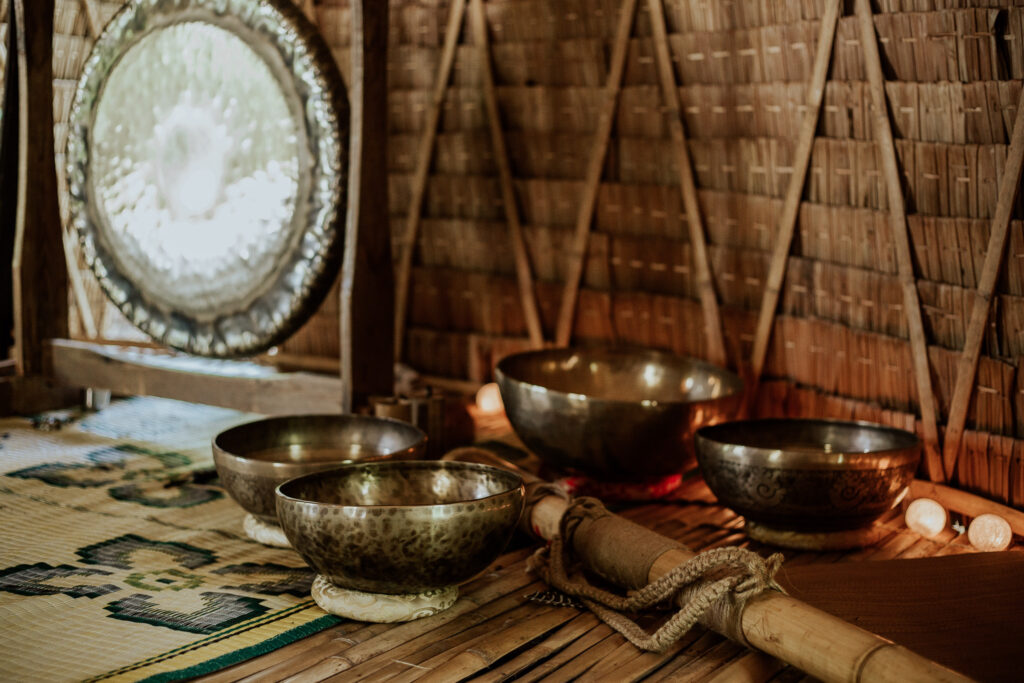



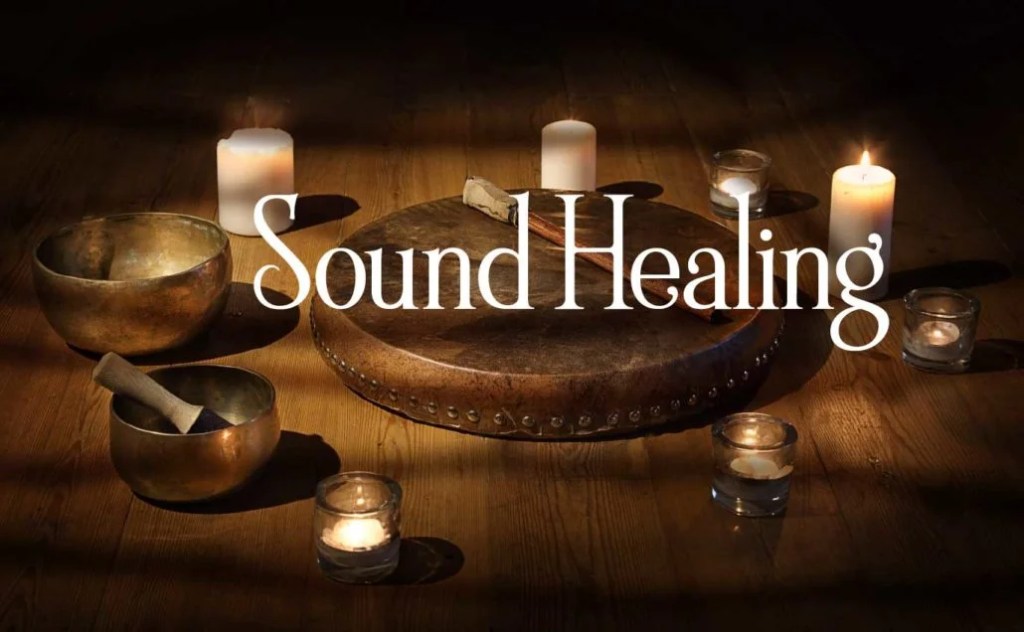







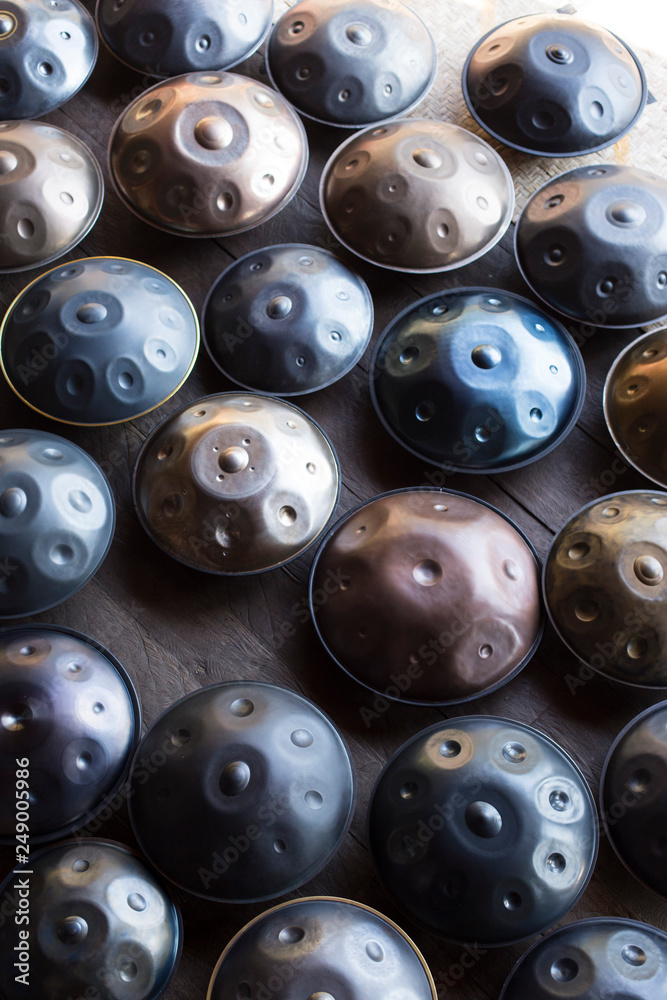

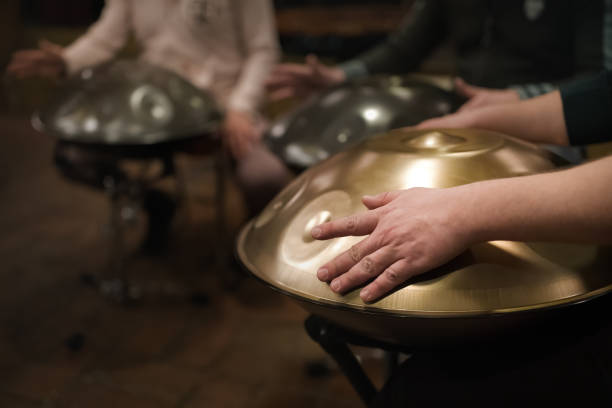
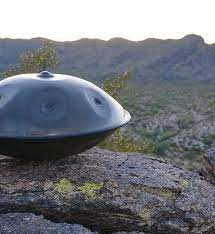

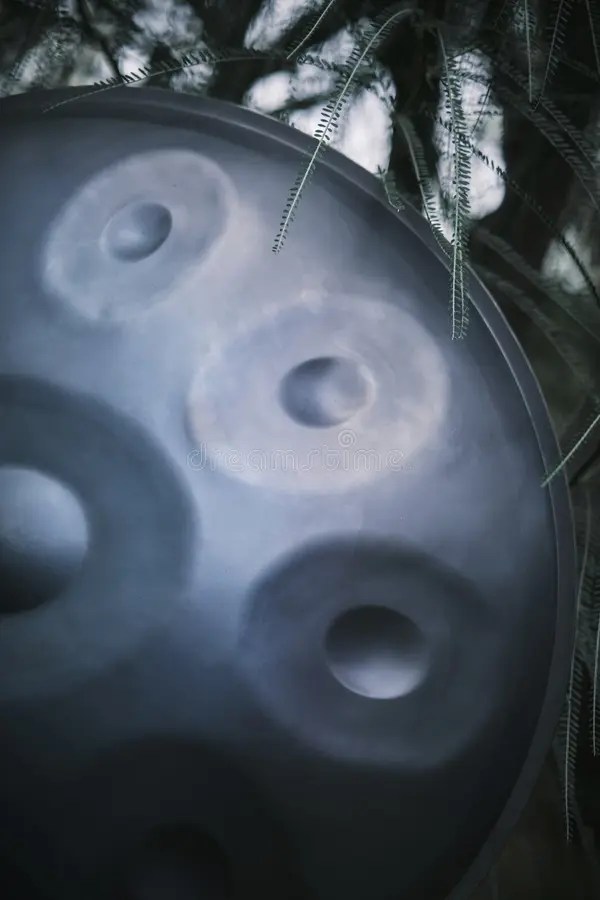



 The Harmonious Sound Journey