Experience the powerful healing of feminine energy with the enchanting sounds of the Venus Gong, a captivating track from Julie Jewels Smoot’s latest album, Venus Gong: Embracing the Divine Feminine.
Let the soothing vibrations of this song transport you to a place of inner peace and balance, as you connect with the divine feminine within yourself.
Julie Jewels Smoot, a talented Sound Alchemist, has crafted a masterpiece that resonates with the essence of Venus, the planet of love and beauty, to help you embrace your own feminine energy and empower your spirit.
Listen to this with headphones to feel the vibrations of the Venus Gong.
Sporty man on the mountain peak looking on mountain valley with sunbeams at colorful sunset in autumn in Europe. Landscape with traveler, foggy hills, forest in fall, amazing sky and sunlight in fall
In the journey of life, there are those who wander. They roam the world, seeking solace and meaning in the midst of chaos and uncertainty. This phenomenon is beautifully captured in the famous quote, “Not all who wander are lost.” Navy Veteran and Sound Alchemist Julie Jewels Smoot understands this sentiment well, as she has navigated her own traumas and found her purpose through wandering. In this professional exploration, we delve into the soul of wanderers, examining the power of wandering as a means to heal, find oneself, and make meaning out of life’s unfortunate events. Join us as we unravel the profound connection between wandering and self-discovery.
The meaning behind the famous quote
The quote “Not all who wander are lost” is often attributed to J.R.R. Tolkien. While it has become a popular phrase amongst wanderers, it holds a deeper meaning beyond the surface. For wanderers, the quote represents a profound understanding that the act of exploring and wandering does not necessarily indicate a lack of direction or purpose. Instead, it signifies a pursuit of personal growth, self-discovery, and a search for meaning.
Wanderers possess a unique perspective, as they embrace the unknown and find solace in the journey itself. Through their travels, they develop a heightened sense of curiosity, resilience, and adaptability. In this constant state of exploration, they allow themselves to be open to new experiences, relationships, and ideas. It is through these encounters that wanderers often find the answers they seek and forge a deeper connection with themselves and the world around them.
Join us as we explore further into the inner workings of wanderers and the profound impact their wandering souls have on their lives.
The characteristics of wanderers
Wanderers possess a unique set of characteristics that distinguish them from the rest. Their constant thirst for exploration and adventure fuels their actions and shapes their worldview. Here are some key characteristics of wanderers:
a) Independence: Wanderers are self-reliant individuals who have learned to trust their intuition and make decisions on their own. They have the confidence to navigate unfamiliar territories and face challenges head-on.
b) Open-mindedness: Wanderers have a natural inclination to embrace different cultures, ideas, and ways of life. Their open-mindedness allows them to learn from their experiences and gain a broader perspective on the world.
c) Resilience: The journey of a wanderer is not without obstacles. Whether it’s getting lost in an unfamiliar city or facing language barriers, wanderers possess the resilience to overcome adversity and find creative solutions.
d) Curiosity: Wanderers are driven by a deep sense of curiosity. They are constantly seeking to expand their knowledge, explore new places, and meet new people. This curiosity fuels their desire for personal growth and self-discovery.
e) Appreciation for the present moment: Wanderers understand the value of living in the present. They know that life is a collection of moments, and they savor each experience, whether big or small.
Understanding these characteristics helps us grasp the essence of wanderers and their unique approach to life. In the upcoming sections, we will delve deeper into the motivations behind their wandering souls and the transformative impact it has on their lives. So, let us continue this journey of exploration and gain a deeper understanding of the soul of wanderers.
The benefits of wandering
While wanderers may appear to have a carefree and spontaneous lifestyle, there are numerous benefits that come with indulging in the wanderlust spirit. The act of wandering itself can have transformative effects on one’s personal and professional life.
a) Self-discovery: Wandering allows individuals to step out of their comfort zones and explore new environments. In doing so, they have the opportunity to discover their true passions, strengths, and weaknesses. The process of self-discovery leads to personal growth and a deeper understanding of oneself.
b) Cultural immersion: Interacting with various cultures and communities during their travels broadens a wanderer’s perspective. They gain a firsthand understanding of different values, traditions, and ways of life. This exposure fosters tolerance, empathy, and an appreciation for diversity.
c) Enhanced creativity: New surroundings, sights, and experiences stimulate the creative mind. Wanderers often find inspiration in their wanderings, which can lead to innovative ideas and solutions in their personal and professional endeavors.
d) Adaptability and flexibility: Navigating unfamiliar territories requires the ability to adapt to new situations and challenges. Wanderers become adept at handling unexpected circumstances, making quick decisions, and finding solutions on the go. These skills are highly valuable in both personal and professional settings.
e) Broadened network: Meeting people from different backgrounds and cultures expands a wanderer’s social and professional network. These connections can lead to exciting opportunities, collaborations, and lifelong friendships.
In understanding the benefits of wandering, we gain a clearer picture of why wanderers choose to embark on their journeys. They seek personal growth, cultural immersion, and a life filled with adventure and inspiration. Join me in the next section as we delve into the motivations behind their wanderlust and the transformative impact it has on their lives.
The challenges faced by wanderers
While the wanderlust spirit may sound incredibly appealing, it is not without its fair share of challenges. Wanderers face a unique set of obstacles that can test their resilience and determination. Understanding and appreciating these challenges will provide us with a deeper insight into the soul of wanderers.
a) Unpredictability: One of the most significant challenges faced by wanderers is the inherent unpredictability of their lifestyle. From last-minute changes in travel plans to unexpected hurdles in foreign countries, wanderers must be prepared to adapt and go with the flow. This constant state of uncertainty can be both exciting and nerve-wracking.
b) Loneliness: Traveling solo or constantly moving from one place to another can be isolating. Wanderers often find themselves far away from their support network, navigating unfamiliar territories on their own. While this solitude can offer moments of introspection and self-discovery, it can also lead to feelings of loneliness.
c) Financial constraints: Financing their wanderings can be a significant challenge for wanderers. Often relying on various sources of income, such as freelance work, remote jobs, or savings, they must carefully manage their finances to sustain their adventurous lifestyle.
d) Balancing relationships: Maintaining relationships while constantly on the move can be difficult. Strained friendships and long-distance relationships are common among wanderers. Finding a balance between pursuing their wanderlust and nurturing connections with loved ones requires careful consideration and communication.
e) Risk and safety: Traveling to unfamiliar places always carries some level of risk. Wanderers must navigate potential safety concerns, language barriers, and cultural differences to ensure their well-being. Staying informed, taking necessary precautions, and making smart decisions are essential for their safety.
By acknowledging the challenges that wanderers face, we gain a more comprehensive understanding of their unique journey. Join me in the next section as we explore the coping mechanisms and strategies wanderers employ to overcome these obstacles and continue embracing the soul of wanderlust.
Strategies for embracing wanderers in professional settings
As the popularity of remote work and flexible schedules continues to rise, more professionals are embracing their wanderlust spirit and incorporating it into their careers. This trend presents both challenges and opportunities for employers and colleagues in traditional work environments.
a) Flexible work arrangements: To accommodate wanderers in professional settings, it is essential to provide flexible work arrangements such as remote work options or flexible hours. This allows wanderers to continue pursuing their passion for travel while fulfilling their professional responsibilities.
b) Effective communication: Maintaining open and effective communication channels is crucial when working with wanderers. Utilizing technology such as video conferencing and project management tools can help bridge the physical distance and keep everyone connected and informed.
c) Embracing diversity of perspectives: Wanderers bring a unique perspective to the table due to their diverse cultural experiences. Employers and colleagues should value and embrace this diversity, recognizing it as an opportunity for growth and innovation within the team.
d) Mentoring and support systems: Providing mentorship opportunities and support systems can greatly benefit wanderers in professional settings. Mentors can offer guidance and advice on navigating both the professional challenges and the personal hurdles that may arise from their wanderlust lifestyle.
e) Encouraging work-life integration: Rather than considering work and travel as separate entities, encouraging a healthy work-life integration can foster productivity and fulfillment. Emphasizing the importance of work-life balance while appreciating the value of new experiences and personal growth can help wanderers thrive in their professional pursuits.
By implementing these strategies, employers and colleagues can create an inclusive and supportive environment for wanderers. In the next section, we will delve deeper into the benefits that professionals with wanderlust bring to organizations and the broader perspective they offer in the workplace.
The importance of creating a supportive environment for wanderers
In the professional world, creating a supportive environment for wanderers is of utmost importance. When wanderers are provided with the necessary support and resources, they are more likely to thrive in their careers and make valuable contributions to their organizations.
One key aspect of creating a supportive environment is to establish clear expectations and goals. By effectively communicating the requirements of the job and setting realistic targets, wanderers can better plan their travel schedules and meet their professional obligations. This clarity allows both the individual and the team to work together harmoniously.
Additionally, offering professional development opportunities tailored to wanderers can help them grow and advance in their careers. This can include workshops or training sessions that focus on remote work skills, time management, and effective communication while traveling. By investing in their professional growth, organizations can retain top talent and ensure that wanderers feel valued and supported.
Finally, fostering a culture of understanding and empathy within the workplace is crucial. Colleagues and managers should recognize and appreciate the unique circumstances faced by wanderers, including the challenges of working in different time zones or balancing work commitments with travel plans. By demonstrating empathy and a willingness to accommodate these circumstances, organizations can build strong relationships and enhance teamwork.
In the upcoming section, we will explore some inspiring stories and examples of how organizations have successfully created supportive environments for wanderers and the positive impact it has had on their overall productivity and success. Stay tuned!
Embracing the soul of wanderers in the professional world
In conclusion, embracing the soul of wanderers in the professional world is not only beneficial for individuals but also for organizations as a whole. By creating a supportive environment that includes clear expectations and goals, professional development opportunities, and a culture of understanding and empathy, organizations can tap into the unique talents and perspectives that wanderers bring.
Through inspiring stories and examples, we have seen how organizations have successfully implemented these strategies and witnessed the positive impact it has had on productivity and success. From increased creativity to higher employee satisfaction and retention rates, it is clear that when wanderers feel supported, they can thrive in their careers and make significant contributions.
So, let us continue to embrace the soul of wanderers and recognize the value they bring to the professional world. By doing so, we not only create a more inclusive and supportive workplace but also foster an environment where all individuals can reach their full potential. Let us celebrate the wanderers and appreciate the untapped possibilities they hold.
Julie Jewels Smoot shares one of her most beautiful poems, My Attic from her new book, Sound Alchemy: A Warrior’s Path.
The book delves deep into the nature of sound and its connection to the physical and emotional body. It explains how different frequencies can be used to target specific areas of the body and balance the energy centers. It also highlights the importance of intention and mindfulness in sound healing. The exercises included in the book are easy to follow and can be practiced at home. They range from simple breathing exercises to more advanced techniques such as toning and chakra balancing. The book also includes information on healing instruments such as singing bowls, tuning forks, and drums. What sets Sound Alchemy apart from other books on sound healing is its emphasis on the warrior’s path. The book encourages readers to approach healing with a warrior’s mindset, emphasizing courage, strength, and perseverance. It encourages readers to take responsibility for their own healing and to view their challenges as opportunities for growth and transformation. Whether you are new to sound healing or have been practicing for years, Sound Alchemy: A Warrior’s Path to Healing is an excellent resource. It is informative, inspiring, and practical, offering readers a comprehensive guide to using sound to heal and transform their lives.
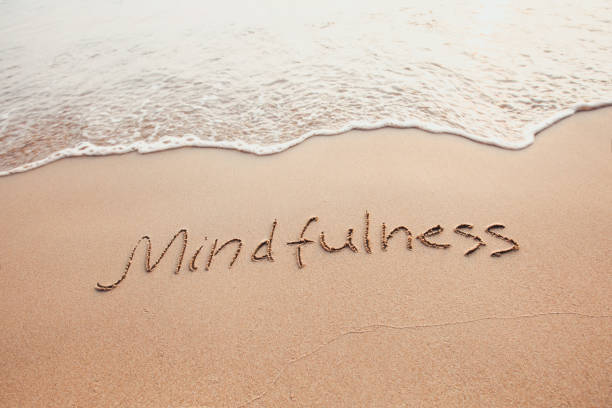
mindfulness concept, mindful living, text written on the sand of beach
The Importance of Mindfulness Techniques in Sound Bath and Guided Meditation Practice
Are you looking to enhance your sound bath and guided meditation practice? Look no further! In this blog, we will explore mindfulness techniques specifically designed to optimize relaxation during your sound bath and guided meditation sessions. Whether you are new to these practices or a seasoned practitioner, these techniques will help you deepen your experience and find peace, harmony, and transformation within. Join us on this journey of self-love, self-healing, and self-compassion as we delve into the world of mindful sound baths and guided meditation. Let’s create a space of tranquility and find optimal relaxation together.
Understanding the Benefits of Sound Bath and Guided Meditation for Relaxation
Before we dive into the techniques that will help enhance your sound bath and guided meditation practice, let’s take a moment to explore the incredible benefits of these practices for relaxation.
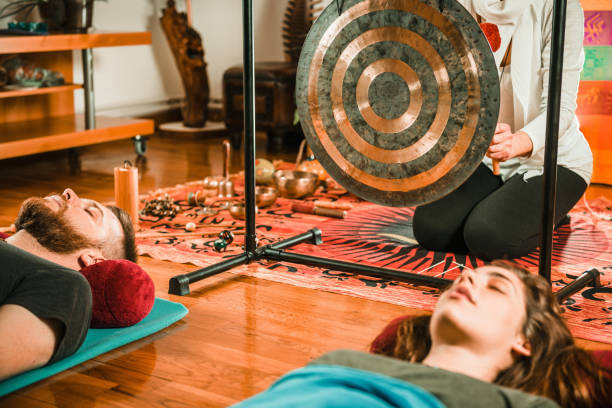
Sound baths, often using instruments like crystal bowls or gongs, create a soothing and immersive auditory experience that helps calm the mind and relax the body. The vibrations from the instruments can gently massage your cells, releasing tension and promoting deep relaxation.
Guided meditation, on the other hand, offers a structured approach to relaxation by guiding your focus and attention. It allows you to quiet your thoughts, reduce stress, and achieve a state of inner calm and peace.
When combined, sound baths and guided meditation offer a powerful tool for relaxation. Not only do these practices allow you to disconnect from the outside world and find solace within, but they also have numerous physical and mental health benefits.
Sound baths and guided meditation have been shown to reduce anxiety, improve sleep quality, enhance concentration, and boost overall well-being. They can also help manage chronic pain, lower blood pressure, and reduce symptoms of depression.
In our next blog section, we will delve into specific mindfulness techniques that can amplify the benefits of your sound bath and guided meditation practice. Stay tuned for practical tips that will take your relaxation journey to new heights.
Exploring Mindfulness Techniques to Enhance Your Practice
Now that we understand the incredible benefits of sound bath and guided meditation for relaxation, it’s time to explore mindfulness techniques that can take your practice to the next level. These techniques will not only help deepen your relaxation experience but also foster a greater sense of awareness and presence.
1. Breath Awareness: One of the fundamental aspects of mindfulness is focusing on your breath. During your sound bath or guided meditation session, pay attention to each inhale and exhale. Notice the sensation of your breath entering and leaving your body. This simple technique can help anchor you in the present moment and calm the mind.
2. Body Scan: A body scan is an excellent way to cultivate body awareness and relaxation. Start by bringing your attention to your toes and gradually move up through every part of your body, noticing any sensations or areas of tension. As you scan each body part, consciously release any tension you may be holding, allowing a deep sense of relaxation to wash over you.
3. Non-Judgmental Awareness: Mindfulness is about observing without judgment. As you engage in your sound bath or guided meditation practice, notice any thoughts or emotions that arise, and let them pass without attaching any judgment or importance to them. Simply observe and bring your attention back to the present moment and the sounds or guided meditation.
By incorporating these mindfulness techniques into your sound bath and guided meditation practice, you can enhance your relaxation experience and reap even greater benefits for your overall well-being. Stay tuned for the next section, where we’ll explore more ways to optimize your practice for optimal relaxation.
a. Breathing Techniques for Deep Relaxation
In our previous section, we discussed the importance of breath awareness in enhancing your sound bath and guided meditation practice. Now, let’s delve deeper into specific breathing techniques that can further enhance your relaxation experience.
1. Deep Belly Breathing: This technique involves taking slow, deep breaths, filling your belly with air. As you inhale, allow your belly to expand fully, and as you exhale, feel your belly contract. Deep belly breathing encourages relaxation by activating the body’s natural relaxation response and slowing down the breath, signaling to your body and mind that it’s time to let go of tension and stress.
2. Progressive Muscle Relaxation Breathing: This technique combines deep breathing with progressive muscle relaxation. Start by taking a deep breath in, and as you exhale, tense your muscles in one area of your body, such as your shoulders or hands. Then, as you inhale, release that tension, allowing your muscles to relax. Move on to another area and repeat the process. This technique helps release physical tension and creates a deeper sense of relaxation throughout your entire body.
Practicing these breathing techniques during your sound bath or guided meditation sessions can help you achieve a state of deep relaxation and calmness. In the next section, we’ll explore visualization techniques that can further enhance your practice. Stay tuned!
b. Body Scan Meditation for Increased Awareness
In our quest for optimal relaxation during sound baths and guided meditation, it is crucial to cultivate a heightened awareness of our bodies. Body scan meditation is a powerful technique that can assist us in achieving this state of increased awareness.
During body scan meditation, you slowly move your attention through different parts of your body, observing any sensations or tensions that arise. By mindfully scanning your body from head to toe, you become more attuned to its subtle signals and can address areas of tension or discomfort.
To start, find a comfortable position and close your eyes. Begin by focusing your attention on your breath, allowing yourself to relax into the present moment. Then, slowly direct your awareness to your feet, noticing any sensations or feelings in this area. Move your attention gradually up your legs, hips, abdomen, chest, arms, hands, neck, and head, pausing at each area to observe any physical sensations.
With practice, body scan meditation can help you become more attuned to your body’s needs and promote a deeper sense of relaxation. In the next section, we will explore the power of affirmations in enhancing your sound bath and guided meditation practice. Stay tuned!
c. Cultivating Non-Judgmental Presence through Mindful Observation
In our journey to enhance our sound bath and guided meditation practice, it is essential to cultivate a non-judgmental presence through mindful observation. Often, our minds wander, passing judgments or labeling our thoughts and feelings as good or bad. This can hinder our ability to fully relax and experience the benefits of these practices.
Mindful observation involves observing our thoughts, emotions, and sensations without judgment or attachment. It encourages us to develop a curious and compassionate attitude towards our inner experiences, allowing them to come and go without clinging to them.
To practice mindful observation, start by finding a quiet and comfortable space to sit or lie down. Close your eyes and bring your attention to your breath, anchoring yourself in the present moment. As thoughts, emotions, or sensations arise, simply observe them without getting caught up in them. Notice the quality, intensity, and duration of these experiences, letting them pass through your awareness like clouds drifting across the sky.
By cultivating non-judgmental presence through mindful observation, we can deepen our relaxation and open ourselves to a more profound sense of peace and tranquility. In the upcoming section, we will explore the benefits of visualization techniques in enhancing your sound bath and guided meditation practice. Stay tuned for more!
Integrating Mindfulness into Sound Bath and Guided Meditation Sessions
Now that we have discussed the importance of cultivating non-judgmental presence through mindful observation, let’s explore how we can integrate mindfulness into our sound bath and guided meditation sessions for optimal relaxation.
One way to enhance mindfulness during these practices is by incorporating breath awareness. The breath serves as an anchor, bringing us back to the present moment whenever our minds wander. As you engage in a sound bath or guided meditation, pay close attention to the sensation of each inhale and exhale. Notice how the breath fills your body and the subtle changes that occur with each breath.
Another technique to deepen mindfulness is body scan meditation. During a sound bath or guided meditation, bring your awareness to different parts of your body, starting from the top of your head and gradually moving down to your toes. Pay attention to any sensations or areas of tension, allowing yourself to release physical and mental stress.
Additionally, you can incorporate mindful movement into your practice. Before or after a sound bath or guided meditation, engage in gentle stretches or yoga poses, focusing on the sensations in your body as you move. This helps bring mindfulness into your physical experience and enhances the mind-body connection.
By integrating mindfulness techniques into your sound bath and guided meditation sessions, you can take your relaxation to the next level. In the next section, we will explore the power of affirmations and positive self-talk in amplifying the benefits of these practices. Stay tuned!
a. Creating a Calm and Serene Environment
Creating a Calm and Serene Environment
In order to fully immerse yourself in a sound bath or guided meditation session, it is essential to create a calm and serene environment. By setting the stage for relaxation, you can enhance the effectiveness of these practices and deepen your mindfulness experience.
First and foremost, find a quiet and comfortable space where you can practice without any distractions. Clear the area of any clutter or visual stimuli that may draw your attention away from the present moment. Consider softening the lighting or using candles to create a soothing ambiance.
Next, choose an environment that supports relaxation. If possible, practice in a space that is naturally tranquil, such as a peaceful garden or a quiet room in your home. If you’re practicing indoors, consider using aromatherapy diffusers or scented candles to create a soothing scent in the room. Experiment with different essential oils like lavender or chamomile, known for their calming properties.
Additionally, consider incorporating elements of nature into your environment. You can bring in plants or flowers to create a sense of connection with the natural world. The soothing sound of a small water fountain or a nature-inspired background music playlist can also contribute to a serene atmosphere.
By intentionally creating a calm and serene environment for your sound bath and guided meditation practice, you are setting the stage for ultimate relaxation. In the next section, we will delve into the power of journaling as a tool for reflection and self-discovery during these practices. Stay tuned!
b. Choosing the Right Music and Instruments for Optimal Relaxation
Once you have created the perfect environment for your sound bath and guided meditation practice, the next step is to choose the right music and instruments to enhance your relaxation experience. The sounds you surround yourself with can have a profound impact on your state of mind and overall well-being.
When selecting music, opt for calming and soothing melodies that promote a sense of tranquility and inner peace. Look for instrumental tracks that feature gentle and repetitive rhythms, as well as nature-inspired sounds like flowing water or birdsong. The key is to choose music that resonates with you and helps you enter a deep state of relaxation.
In addition to music, consider incorporating various instruments into your practice. Popular choices include singing bowls, crystal bowls, chimes, and gongs. Each instrument produces unique vibrations that can help to balance the chakras and induce a meditative state. Experiment with different instruments to find the ones that resonate with you and enhance your relaxation experience.
Remember, the goal is to create a harmonious blend of sounds that facilitate deep relaxation and mindfulness. In the next section, we will explore the benefits of incorporating breathwork techniques into your sound bath and guided meditation practice. Stay tuned for valuable insights on how to take your relaxation journey to the next level.
c. Incorporating Visualizations and Affirmations for Deeper Connection
Once you have created the perfect environment and chosen the right music and instruments for your sound bath and guided meditation practice, you can further enhance your experience by incorporating visualizations and affirmations. Visualizations involve the use of mental imagery to create a relaxing and calming scene in your mind’s eye. Close your eyes and imagine yourself surrounded by nature, or visualize a peaceful and healing energy flowing through your body.
Affirmations, on the other hand, are positive statements that you repeat to yourself during your practice. These affirmations can be tailored to your specific needs and can help to counter any negative thoughts or beliefs that may arise. For example, you can repeat affirmations like “I am calm and at peace” or “I am worthy of relaxation and self-care”.
By incorporating visualizations and affirmations into your practice, you can cultivate a deeper sense of connection with yourself and your surroundings, further amplifying the relaxation and mindfulness experienced during your sound bath and guided meditation. In the next section, we will explore the role of breathwork techniques in promoting optimal relaxation and mindfulness. Stay tuned for valuable insights on how to deepen your relaxation journey even further.
Practicing Self-Care and Maintaining Consistency in Your Mindfulness Practice
Practicing self-care and maintaining consistency in your mindfulness practice are crucial aspects of enhancing your sound bath and guided meditation experience. It is important to prioritize yourself and your well-being by setting aside dedicated time for your practice regularly.
Consider creating a schedule or incorporating your practice into your daily routine to ensure that it becomes a consistent habit. This will help you to reap the full benefits of mindfulness, such as reduced stress and enhanced relaxation.
Additionally, practicing self-care goes beyond your meditation sessions. It involves taking care of your physical, mental, and emotional health. This can include activities such as engaging in regular exercise, eating nourishing foods, getting enough sleep, and engaging in activities that bring you joy and relaxation.
Remember that self-care looks different for everyone, so it is important to find what works best for you. By prioritizing self-care and maintaining consistency in your mindfulness practice, you will create a solid foundation for optimal relaxation and well-being. In the following section, we will discuss the importance of finding a mindful community and the benefits it can bring to your practice. Stay tuned for more valuable insights on enhancing your sound bath and guided meditation journey.
Seeking Professional Guidance and Support in Enhancing Your Sound Bath and Guided Meditation Practice
Seeking professional guidance and support can greatly enhance your sound bath and guided meditation practice. While practicing mindfulness on your own is beneficial, working with a qualified instructor or therapist can take your practice to a whole new level.
A professional can offer personalized guidance and tailor their approach to meet your specific needs and goals. They can help you deepen your practice, learn new techniques, and provide valuable feedback to ensure proper alignment and focus.
Furthermore, working with a professional can help you navigate any challenges or obstacles that may arise during your practice. They can provide support and guidance to help you overcome any mental or emotional barriers that may be inhibiting your relaxation and well-being.
Whether it’s attending workshops, seeking one-on-one sessions, or joining a group class, investing in professional guidance and support can be a transformative experience. It allows you to tap into the expertise of someone who has dedicated their career to helping others find peace and relaxation through mindfulness.
In the next section, we will explore the benefits of incorporating breathing exercises into your sound bath and guided meditation practice. Stay tuned for more valuable insights on enhancing your mindfulness techniques for optimal relaxation.
Embracing Mindfulness Techniques for Optimal Relaxation in Sound Bath and Guided Meditation
In conclusion, embracing mindfulness techniques in your sound bath and guided meditation practice can bring about incredible benefits for your overall relaxation and well-being. By seeking professional guidance and support, you can take your practice to the next level and truly optimize the benefits you receive.
Working with a qualified instructor or therapist allows you to receive personalized guidance tailored to your specific needs and goals. They can help you deepen your practice, teach you new techniques, and provide valuable feedback to ensure you are aligned and focused.
Incorporating breathing exercises into your practice is one effective technique that can enhance your relaxation experience. By focusing on your breath, you can cultivate a sense of calm and deep relaxation throughout your entire body. This technique can help you release stress, quiet your mind, and fully embrace the present moment.
So, if you’re looking to enhance your sound bath and guided meditation practice, consider investing in professional guidance, and explore the benefits of incorporating breathing exercises. By doing so, you can embark on a journey towards optimal relaxation and well-being.
Stay tuned for more valuable insights on mindfulness techniques in our future blog posts.
Positive affirmations for every day – words on multi-colored on paper for notes on a green background. Motivational concept with handwritten text.
Affirmations have become increasingly popular in recent years as a powerful tool for personal growth and self-improvement. These positive statements, when repeated regularly, have the ability to transform our thoughts, beliefs, and actions. By harnessing the power of affirmations, we can unlock our morning potential and set the tone for a productive and successful day ahead. Whether you are seeking healing, peace, mindfulness, strength, love, compassion, or self-healing, affirmations can be a game-changer. In this blog post, we will explore the power of affirmations and how they can empower you to live your best life.
Why affirmations are powerful in the morning Starting your day with affirmations sets a positive tone for the rest of your day. When practiced in the morning, affirmations have a profound impact on our mindset and energy levels. By repeating positive statements aloud or in your mind, you are reinforcing a positive belief system that fuels motivation and self-confidence.
Furthermore, affirmations in the morning help to counteract any negative thoughts or emotions that may have carried over from the previous day. By intentionally focusing on positive statements, you are rewiring your brain to think positively and attract positivity into your life.
Additionally, morning affirmations serve as a reminder of your goals and intentions, giving you clarity about what you want to achieve throughout the day. By affirming your desires and aspirations, you are programming yourself to take inspired action towards achieving them.
In the next section, we will discuss different techniques for incorporating affirmations into your morning routine and how to make them more effective.
Incorporating affirmations into your morning routine
Now that we understand the power and benefits of morning affirmations, let’s explore some effective ways to incorporate them into your daily routine. Here are a few techniques that you can try:
Write them down: Take a few minutes every morning to write down your affirmations in a journal or on sticky notes. This not only helps to clarify your goals and intentions but also serves as a visual reminder throughout the day.
Say them aloud: Instead of just thinking your affirmations, say them aloud with conviction and emotion. Speaking them out loud adds an extra layer of power and energy to the statements, making them even more effective.
Visualize while affirming: As you repeat your affirmations, visualize yourself already living the life you desire. See yourself achieving your goals, feeling confident, and experiencing abundance. This combination of affirmation and visualization creates a strong mental image that helps to manifest your desires.
Make it a habit: Consistency is key when it comes to affirmations. Set aside a specific time each morning to practice your affirmations, whether it’s during your morning routine, while exercising, or even during your commute. By making it a habit, you ensure that you start each day on a positive and empowering note.
In the next section, we will dive deeper into the concept of “power statements” and discuss how to create personalized affirmations that resonate with you on a deeper level. Stay tuned for more insights and techniques to unlock your morning potential through affirmations.
Creating personalized affirmations for maximum impact
In order for affirmations to have maximum impact, it’s important to create personalized statements that truly resonate with you. While general affirmations can still be effective, tailoring them to your specific goals and desires can make them even more powerful.
To create personalized affirmations, start by identifying areas of your life that you want to improve or manifest. It could be your career, relationships, health, or personal growth. Once you have a clear focus, think about specific goals or intentions you have within those areas.
Next, begin crafting affirmations that directly relate to your goals. Make sure to use present tense and positive language. For example, instead of saying “I want to be successful,” say “I am successful in all that I do.” This helps to create a mindset of already achieving your desired outcome.
Additionally, ensure that your affirmations are believable and realistic. If you have any doubt in your mind while saying them, it may hinder their effectiveness. Feel free to adjust or modify your affirmations until they feel authentic and resonate with you on a deeper level.
Remember, the power of affirmations lies in their ability to rewire your thoughts and beliefs. By creating personalized affirmations that align with your specific goals and desires, you can harness their full potential and unlock a brighter future. Stay tuned for more tips and techniques to integrate affirmations into your morning routine.
Tracking progress and staying consistent with affirmations
Once you have created personalized affirmations, it’s important to track your progress and stay consistent with your practice. Affirmations are most effective when incorporated into your daily routine and repeated regularly.
To track your progress, create a journal or a dedicated space where you can write down your affirmations and reflect on your experiences. Keep a record of any positive changes or manifestations that occur as a result of your affirmations. This can serve as a powerful reminder of the impact they are having on your life.
Consistency is key when it comes to affirmations. Make it a habit to say your affirmations every morning, preferably as soon as you wake up. This sets a positive tone for the rest of your day and helps to reinforce the beliefs and intentions you are cultivating.
If possible, find additional ways to incorporate affirmations into your daily life. This could include creating vision boards, using sticky notes with affirmations around your living space, or even recording your affirmations and listening to them during your commute or while you work. The more you immerse yourself in positive affirmations, the greater their influence will be.
In the next blog section, we will explore the power of visualization and how it can enhance the impact of affirmations. Stay tuned for more insights on unlocking your morning potential through the power of affirmations.
Harnessing the power of affirmations throughout the day
While starting your day with affirmations is a powerful practice, it’s equally important to incorporate affirmations into your daily routine to maximize their impact. Affirmations can help you stay centered and focused, especially during moments of stress or self-doubt.
One effective way to harness the power of affirmations throughout the day is through conscious repetition. Whenever you feel negative thoughts creeping in or encounter challenges, take a moment to recite your affirmations. Repeat them silently or say them out loud with conviction. This not only helps reframe your mindset but also reinforces positive beliefs and intentions.
Another technique is to write your affirmations on sticky notes and place them strategically in your workspace, bathroom mirror, or anywhere you frequently look. This constant visual reminder reinforces the positive messages and keeps you aligned with your affirmations.
Additionally, meditation can amplify the effects of affirmations. Set aside a few minutes each day to meditate and focus on your affirmations. This practice helps deepen your connection with them and strengthens your belief in their truth.
In the next section, we will explore the role of gratitude in enhancing the power of affirmations. Stay tuned for more insights on unlocking your morning potential through the power of affirmations.
Taking your morning potential to the next level
Now that you understand the significance of affirmations and how to incorporate them into your daily routine, it’s time to take your morning potential to the next level. One powerful technique is to combine affirmations with visualization.
Visualization is a practice that involves creating mental images of your desired outcomes or goals. By combining visualization with affirmations, you can amplify the impact of both practices. As you recite your affirmations, take a few moments to visualize yourself already achieving what you desire. See yourself in the moment, feel the emotions associated with your success, and truly believe that it is already a reality.
This combination of affirmations and visualization helps program your mind for success and creates a powerful intention for your day ahead. By starting your morning with this focused mental exercise, you set the stage for accomplishing your goals and manifesting your desires.
In the next section, we will delve deeper into the importance of consistency and commitment when it comes to harnessing the power of affirmations. Stay tuned for valuable insights on how to stay motivated along your affirmation journey.
Taking your morning potential to the next level by combining affirmations with visualization is a powerful technique to program your mind for success. By visualizing yourself already achieving your goals while reciting affirmations, you create a strong intention for the day ahead. Starting your morning with this focused mental exercise sets the stage for accomplishing your goals and manifesting your desires.
As we conclude this blog series on the power of affirmations, it’s important to remember that consistency and commitment are key. Incorporating affirmations into your daily routine and staying motivated along your affirmation journey require dedication. Remember, it’s the repetition of affirmations that leads to belief and ultimately transforms your thoughts and actions.
So, continue to make affirmations a part of your morning ritual and witness the positive changes they can bring to your life. By unlocking your morning potential through affirmations, you will open the door to a world of possibilities and unlimited potential.
Post Traumatic Stress (PTS) is a serious condition that affects many individuals, including Navy Veteran and Sound Alchemist Julie Jewels Smoot. After experiencing trauma from being raped six times, Julie Jewels Smoot sought out alternative healing methods and discovered the power of sound. Through the vibrations of the Chiron Gong, Julie Jewels Smoot has found a unique and profound way to heal from her traumatic experiences. In this blog, we will explore the benefits of sound healing and how it can be a professional approach to healing post traumatic stress.
What is post-traumatic stress and how does it affect individuals?
Post-traumatic stress (PTS) is a psychological condition that occurs after a person has experienced or witnessed a traumatic event. It can affect anyone, regardless of age, gender, or background. The symptoms of PTS can vary, but commonly include recurring memories or nightmares of the traumatic event, avoidance of triggers that remind them of the trauma, heightened anxiety, and difficulty sleeping or concentrating.
The impact of PTS on individuals can be debilitating, affecting their daily life, relationships, and overall well-being. It can make it challenging to function in social settings, work environments, and even basic activities of daily living. This condition can lead to a range of physical, mental, and emotional symptoms, and it’s imperative to seek professional help for proper diagnosis and effective treatment.
In the next section, we will delve deeper into the specific ways in which post-traumatic stress affects individuals and explore how sound healing can offer a professional approach to healing this condition. Stay tuned to discover how the power of sound can bring relief and transformation to those struggling with post-traumatic stress.
Sound therapy, woman hitting bronze gong, back side view. Traditional tibetan meditation, zen, harmony, relaxation concept
The science behind sound healing and its impact on the body and mind
The practice of sound healing is rooted in the understanding that sound can have a profound impact on our bodies and minds. When we experience trauma, whether it’s a single event or ongoing stress, it can disrupt our energetic balance and create disharmony within us. Sound healing aims to restore that balance and promote healing.
Research has shown that certain frequencies and vibrations produced by sound can directly impact our nervous system, brain waves, and overall well-being. Sound therapy utilizes various techniques and instruments, such as Tibetan singing bowls, tuning forks, and vocal toning, to create specific frequencies that resonate with different parts of the body. These vibrations can help release tension, reduce anxiety, and promote a sense of relaxation and calm.
Moreover, sound healing can also have a positive effect on our brain chemistry. It has been found to stimulate the production of endorphins and decrease the levels of stress hormones like cortisol, providing both physical and psychological relief.
In the upcoming section, we will explore some of the different techniques and instruments used in sound healing and their specific therapeutic benefits. Keep reading to discover how the power of sound can be harnessed professionally to help individuals with post-traumatic stress find healing and transformation.
Close-up of bronze ring gongs on deck during sunset.
Professional techniques and approaches in sound healing for post-traumatic stress
In the realm of sound healing, there are various professional techniques and approaches that can be utilized to effectively address post-traumatic stress. These methods are specifically designed to provide targeted healing and support for individuals who have experienced trauma.
One notable technique is the use of binaural beats, which involves the presentation of two different frequencies to each ear. This creates a third frequency in the brain, known as the “binaural beat,” which can help induce a deep state of relaxation and promote healing. Research has shown that binaural beats therapy can significantly reduce symptoms of post-traumatic stress, including anxiety, hyperarousal, and intrusive thoughts.
Another professional approach involves the use of guided imagery and visualization. By combining soothing soundscapes with guided narratives, individuals can be guided through a healing journey that helps reprocess and heal traumatic memories. This technique allows individuals to safely confront their past experiences while providing a sense of support and empowerment.
Additionally, the use of specialized sound healing instruments, such as crystal singing bowls or gongs, can also be employed to help release tension and promote emotional release. These instruments produce powerful vibrations that can resonate deeply within the body, facilitating the release of stored trauma.
In the next blog section, we will delve deeper into these professional techniques and approaches, exploring how they can be applied in a therapeutic setting to facilitate healing and transformation for individuals with post-traumatic stress. Stay tuned to discover the profound impact that sound healing can have on the path to recovery.
Detail of hand touching and caressing water surface of beautiful lake at sunset, mountain view. Purity freshness clean concept, one person touching lake with hand
Case studies and success stories in using sound healing for healing trauma
In the realm of sound healing for post-traumatic stress, it is valuable to examine case studies and success stories to gain a deeper understanding of the effectiveness of this approach. These real-world examples offer insight into the transformative power of sound healing in healing trauma.
Case study 1: Sarah, a survivor of a car accident, experienced severe anxiety and flashbacks as a result of her trauma. After undergoing a series of binaural beats therapy sessions, Sarah reported significant improvement in her symptoms. She experienced reduced anxiety levels, improved sleep patterns, and a greater sense of overall calmness.
Case study 2: John, a military veteran, suffered from debilitating post-traumatic stress disorder (PTSD) after his deployment. Guided imagery combined with soundscapes proved to be instrumental in his recovery journey. By visualizing peaceful scenes while listening to soothing sounds, John was able to reframe his traumatic memories and regain a sense of control over his emotions.
These case studies illustrate the power of sound healing techniques in facilitating healing and transformation for individuals with post-traumatic stress. By sharing these success stories, we hope to emphasize the potential that sound healing holds for those seeking relief from trauma. Join us in the upcoming blog section as we explore other impactful techniques in sound healing therapy.
Collaborating with healthcare professionals for a comprehensive healing approach
To ensure a comprehensive and effective healing approach, it is essential to collaborate with healthcare professionals when incorporating sound healing into trauma treatment. By working together, sound healers and healthcare professionals can provide a holistic approach that addresses both the physical and psychological aspects of post-traumatic stress.
Medical professionals, such as psychiatrists and psychologists, can provide important insights into the specific needs of individuals with trauma, helping to tailor sound healing interventions to their unique circumstances. They can also monitor progress and make evidence-based recommendations for integrating sound healing with other therapeutic modalities.
Additionally, healthcare professionals can educate their patients about sound healing, its potential benefits, and any potential risks or contraindications. This ensures that individuals seeking sound healing therapy are well-informed and can make empowered decisions regarding their treatment.
By combining the expertise of sound healers and healthcare professionals, we can create a collaborative and well-rounded approach to healing post-traumatic stress. In the next segment of our blog series, we will delve into the important role of healthcare professionals in sound healing therapy and explore how their involvement enhances the overall healing process. Stay tuned!
Gong in sound therapy
Creating a safe and supportive environment for sound healing sessions
Creating a safe and supportive environment is crucial for successful sound healing sessions, especially when working with individuals experiencing post-traumatic stress. This responsibility falls on both the sound healer and the healthcare professional involved in the treatment process.
Sound healers should ensure that the physical space is conducive to relaxation and healing. This may involve dimming the lights, using soft and comfortable cushions or chairs, and playing soothing music before the session begins. It is essential to minimize outside distractions, such as noise or interruptions, to create a serene atmosphere.
Healthcare professionals can contribute to the creation of a safe environment by being present and attentive during the session. Their role is to be a supportive presence, offering reassurance and guidance as needed. They may also assist in identifying any triggers or emotional reactions that arise during the session, providing the necessary support to navigate those experiences effectively.
In the upcoming blog section, we will explore specific techniques for creating a safe and supportive environment during sound healing sessions. Stay tuned as we dive deeper into the power of sound healing in the treatment of post-traumatic stress.
The importance of ongoing support and self-care for individuals with post-traumatic stress
The importance of ongoing support and self-care for individuals with post-traumatic stress cannot be overstated. Sound healing sessions can be incredibly powerful, but they are just one component of a comprehensive healing journey.
After a sound healing session, it is crucial for individuals with post-traumatic stress to have access to ongoing support. This can come in the form of therapy, counseling, or support groups specifically tailored to their needs. These resources provide a safe space for individuals to process their experiences, express their emotions, and receive guidance from trained professionals.
In addition to seeking external support, self-care practices are essential for individuals with post-traumatic stress. This may involve engaging in activities that bring joy and relaxation, such as spending time in nature, practicing mindfulness, or pursuing creative outlets. Taking care of one’s physical health through exercise, proper nutrition, and adequate rest is also crucial for overall well-being.
By prioritizing ongoing support and self-care, individuals with post-traumatic stress can continue their healing journey beyond sound healing sessions. In the next blog section, we will delve deeper into the various support avenues and self-care practices that can empower individuals to take control of their healing process. Stay tuned!
Harnessing the power of sound healing to transform lives
In conclusion, sound healing is a powerful tool that can greatly contribute to the healing journey of individuals with post-traumatic stress. However, it is important to recognize that sound healing is just one part of a comprehensive approach to healing. Ongoing support and self-care are crucial elements that should not be overlooked.
Seeking support through therapeutic interventions, counseling, or support groups tailored to the needs of individuals with post-traumatic stress is essential. These resources provide a safe space to process experiences, express emotions, and receive guidance from professionals who specialize in trauma.
Additionally, prioritizing self-care practices is vital for overall well-being. Engaging in activities that bring joy and relaxation, practicing mindfulness, and pursuing creative outlets can all contribute to healing. Taking care of one’s physical health through exercise, proper nutrition, and adequate rest is also crucial.
By embracing ongoing support and implementing self-care practices, individuals with post-traumatic stress can empower themselves to continue their healing journey beyond sound healing sessions. It is through this comprehensive approach that they can harness the true power of sound healing and transform their lives.
Gong meditation is a powerful and transformative practice that has been used for centuries to deepen spiritual connection and promote inner peace. While many are familiar with the basic techniques of gong meditation, there are advanced techniques that can unlock even deeper levels of spiritual growth and transformation. In this blog, we will explore these advanced techniques, including priming the gong, gong volume control, and various rhythmic patterns such as diagonal, drumbeat, and the four directions. We will also discuss the profound effects of gong meditation on breath, peace, transformation, harmony, and melody. So, if you are ready to unlock your inner Zen and embark on a deeper spiritual journey, keep reading!
The benefits of deepening your spiritual journey through Gong Meditation Once you have mastered the basic techniques of gong meditation, delving into advanced techniques can offer a whole new level of spiritual growth and transformation. These techniques are not only fascinating to explore, but they also come with a range of unique benefits that can deepen your spiritual journey.
Priming the gong, for instance, involves preparing the instrument to create a specific vibration that resonates with your desired intention. This can amplify the overall effect of your meditation and help you connect with your inner self on a much deeper level.
Volume control is another advanced technique that allows you to tailor the intensity of the gong’s sound. By adjusting the volume, you can create a more personalized experience that suits your specific needs, whether it’s promoting relaxation or invigorating energy.
Additionally, exploring rhythmic patterns such as diagonal, drumbeat, and the four directions can enhance your meditation practice by promoting focus, clarity, and a deeper sense of inner harmony.
The effects of gong meditation on breath, peace, transformation, harmony, and melody are profound. By incorporating advanced techniques, you can further unlock these benefits, allowing for a more profound spiritual experience.
In our next section, we will dive deeper into the technique of priming the gong, exploring how it works, and its impact on your meditation practice. Get ready to uncover the secrets of unlocking your inner Zen through advanced gong meditation techniques. Stay tuned!
Understanding the fundamentals of Gong Meditation Before diving into the advanced techniques of gong meditation, it is crucial to have a solid understanding of the fundamentals. These foundational aspects lay the groundwork for a successful and transformative meditation practice.
Firstly, it is essential to create a serene and peaceful meditation space. Find a quiet corner of your home or create a dedicated meditation room where you can be undisturbed. Decorate the space with calming elements such as plants, cushions, and soft lighting to create a tranquil atmosphere conducive to deep relaxation.
Next, familiarize yourself with different types of gongs and their unique sounds. Each gong has a distinct vibration and resonance, and understanding their qualities will allow you to choose the one that aligns best with your intentions and desires.
Additionally, learning proper sitting posture and breathing techniques is essential for optimal concentration and energy flow during gong meditation. Find a comfortable seated position, keeping your back straight but relaxed. Take slow, deep breaths, allowing the breath to fill your belly and then gently release it.
By mastering these fundamental aspects of gong meditation, you will be well-prepared to explore the advanced techniques that await you in the next blog section. Stay tuned as we delve deeper into unlocking your inner Zen through the power of gong meditation.
Exploring advanced techniques to enhance your Gong Meditation
practice
Now that you have established a strong foundation in gong meditation, it is time to take your practice to the next level. In this section, we will explore some advanced techniques that can deepen your spiritual journey and unlock even greater levels of inner peace and tranquility.
One advanced technique to consider is the use of different mallets or strikers on your gong. Experiment with various mallet sizes and materials to create different tones and vibrations. This can add a new dimension to your meditation experience, allowing you to explore different aspects of your consciousness.
Another advanced technique is to incorporate mantra or chant into your gong meditation practice. Select a sacred mantra or chant that resonates with you and repeat it silently or out loud while the gong is played. This can help focus the mind, deepen relaxation, and connect you to a higher state of consciousness.
Additionally, you can explore the concept of intention setting during your gong meditation sessions. Before beginning your practice, set a clear intention for what you wish to cultivate or let go of during the session. This intention can guide your meditation and help bring about the desired transformation.
As you delve into these advanced techniques, remember to continue practicing the foundational aspects we discussed earlier. Create a serene space, choose the right gong for your intentions, maintain proper posture, and focus on your breath. These elements will provide a solid framework for your exploration of these advanced techniques.
Stay tuned for the next section where we will delve even further into the world of gong meditation, uncovering more techniques and practices to deepen your spiritual journey and unlock the full potential of your inner Zen.
stacked stones on the water
Creating a serene and peaceful environment for your practice
Creating a serene and peaceful environment for your gong meditation practice is essential to ensure a deeper spiritual journey. In this section, we will explore how you can transform your space into a sanctuary that nurtures relaxation and tranquility.
First and foremost, choose a designated area for your practice. It can be a small corner in your home or a dedicated room solely for meditation. Cleanse and declutter the space, removing any distractions or clutter that may disrupt your focus.
Consider incorporating elements of nature into your meditation space. Place plants, flowers, or natural objects like shells or stones to bring a sense of grounding and connection with the natural world. These elements can enhance the peaceful ambiance and help you feel more in tune with your surroundings.
Creating a calming ambiance through lighting is also crucial. Soft, dim lighting or the gentle glow of candles can create a soothing atmosphere for your practice. Experiment with different types of lighting to find what resonates with you and enhances your meditation experience.
Furthermore, consider incorporating soothing scents into your space. Essential oils or incense can help create a calming aroma that relaxes the mind and prepares you for deep meditation. Lavender, sandalwood, or frankincense are popular choices known for their grounding and calming properties.
Lastly, make sure your meditation space is free from external disturbances. Inform your family members or housemates about your practice and kindly request that they respect your need for silence during your meditation sessions. Close the door, switch off your phone or put it on silent mode, and create a still and tranquil environment where you can dive deep into your inner world.
By creating a serene and peaceful environment for your gong meditation practice, you will be able to fully immerse yourself in the journey, unlocking profound levels of inner peace and spiritual growth.
Overcoming challenges and obstacles in advanced Gong Meditation
In the pursuit of a deeper spiritual journey through advanced Gong Meditation, it is important to acknowledge that challenges and obstacles may arise along the way. These obstacles can hinder our progress and prevent us from fully unlocking our inner Zen. In this section, we will explore some common challenges faced during advanced Gong Meditation and offer techniques to overcome them.
One common challenge is the wandering mind. As we sit in meditation, our thoughts tend to wander and distract us from achieving a state of deep relaxation. To overcome this, focus on your breath or the sound of the gong. Allow these sensations to anchor your attention and bring your mind back to the present moment. With practice, you will find it easier to maintain focus and let go of distracting thoughts.
Another challenge is physical discomfort. Sitting for an extended period of time can lead to discomfort in the body, such as stiffness or numbness. To alleviate this, find a comfortable seated position, using cushions or props as needed. Regular stretching and gentle yoga exercises can also help to improve flexibility and ease any physical discomfort.
Lastly, it is common to face resistance from our own minds during advanced Gong Meditation. We may encounter thoughts or emotions that we would prefer to avoid or suppress. Instead of resisting or judging these experiences, embrace them with compassion and curiosity. Allow yourself to fully feel and observe these thoughts and emotions without attachment. Through acceptance and non-judgment, these obstacles can be transformed into opportunities for growth and self-discovery.
By recognizing and addressing these challenges, we can navigate our way through advanced Gong Meditation with greater ease and effectiveness. Remember, each obstacle is an invitation to deepen our practice and cultivate a profound connection with our inner selves. In the next section, we will explore how to integrate advanced Gong Meditation techniques into our daily lives to experience lasting transformation.
The transformative power of Gong Meditation on your spiritual journey
As we continue exploring the advanced techniques of Gong Meditation, it is important to recognize the transformative power that it holds on our spiritual journey. This ancient practice has the ability to guide us towards a profound connection with our inner selves and unlock a deeper understanding of our true nature.
Through regular practice of Gong Meditation, we begin to cultivate a sense of mindfulness and presence in our everyday lives. We become more aware of our thoughts, emotions, and the patterns that shape our experiences. With this newfound awareness, we gain the ability to respond to life’s challenges with grace and resilience.
Furthermore, Gong Meditation allows us to tap into our intuition and inner wisdom. As we quiet the noise of the external world, we create space for our intuition to speak to us. We begin to trust our own inner guidance, leading us towards a more authentic and fulfilling life.
The transformative power of Gong Meditation extends beyond our individual selves. As we deepen our spiritual journey, we become more compassionate and connected to the world around us. We recognize the interconnectedness of all beings and feel a greater sense of unity and love. This newfound compassion inspires us to make positive changes in our communities and contribute to the wellbeing of others.
In the following section, we will explore specific techniques that can help us integrate Gong Meditation into our daily lives. These practices will allow us to experience lasting transformation and harness the full potential of this ancient practice. Stay tuned to unlock the secrets of incorporating Gong Meditation into your everyday routine.
Embracing the transformative potential of advanced Gong Meditation
In conclusion, as we have delved deeper into the advanced techniques of Gong Meditation, we have discovered the transformative potential that this ancient practice holds for our spiritual journey. Through regular practice, Gong Meditation allows us to cultivate mindfulness, tap into our intuition, and connect with our true nature.
By embracing Gong Meditation, we gain the ability to navigate life’s challenges with grace and resilience. We become more aware of the patterns that shape our experiences and gain the wisdom to respond authentically. This newfound awareness and presence extend beyond our individual selves and inspire compassion and unity with the world around us.
In the next section, we will explore specific techniques that will help us integrate Gong Meditation into our daily lives. These techniques will enable us to experience lasting transformation and harness the full potential of this ancient practice. Get ready to unlock the secrets of incorporating Gong Meditation into your everyday routine.
Welcome back to the Jupiter Gong Challenge! In Day 2, we have the pleasure of experiencing the healing sounds of the Jupiter Gong, courtesy of Sound Alchemist Julie Jewels Smoot. These sacred sounds have the incredible power to touch every cell in our bodies, bringing peace, relaxation, harmony, and profound healing. The Jupiter Gong resonates at the approximate musical note of F#, representing expansion, abundance, and optimism. As we sound the Jupiter Gong, we stimulate growth at our outermost limits, fostering an awareness of ourselves as active participants in the larger body of life. Join us in unlocking your inner Zen as we discover the sacred sounds of the Jupiter Gong.
Day 2 of the challenge: Uncovering the sacred sounds of the Jupiter Gong
On Day 2 of the Jupiter Gong Challenge, we delved deep into the sacred sounds of the Jupiter Gong, curated by the talented Sound Alchemist Julie Jewels Smoot. These ancient sounds have the extraordinary ability to harmonize and heal every cell within us, creating a sense of tranquility and balance.
The Jupiter Gong resonates at the musical note of F#, representing expansion, abundance, and optimism. By immersing ourselves in its gentle vibrations, we can stimulate growth and tap into our innermost potential. It reminds us that we are not separate entities, but interconnected beings within the larger tapestry of life.
As we continued to explore the Jupiter Gong’s sacred sounds, we uncovered layers of peace, relaxation, and profound healing. These resonances had a transformative effect, opening up pathways to self-discovery and inner tranquility.
With each strike of the Jupiter Gong, we connected to the universal harmony, finding solace in the depth of its vibrations. As the challenge progresses, we invite you to join us in unlocking your inner Zen and embracing the sacred sounds of the Jupiter Gong.
Senior Man Playing Gong in Relaxation Room for Meditation Therapy – Stock Photo
The transformative power of gong meditation and its effects on mental well-being
The transformative power of gong meditation is undeniable. Its effects go beyond physical healing and extend into the realm of mental well-being. As we immerse ourselves in the sacred sounds of the Jupiter Gong, we enter a deep state of meditation that allows our minds to quieten and our thoughts to settle.
During this meditative journey, the gong’s vibrations work to release tension and stress stored within us, creating a sense of calm and peace. The rhythmic waves of sound wash over us, gently guiding us towards a state of mental clarity and relaxation.
Studies have shown that gong meditation can reduce anxiety, improve focus, and enhance overall mental well-being. By incorporating this practice into our daily lives, we can cultivate a sense of inner tranquility that extends far beyond the duration of the meditation session.
As we continue the Jupiter Gong Challenge, we encourage you to explore the transformative power of gong meditation and uncover the profound effects it can have on your mental well-being. Unlock your inner Zen and embrace the serenity that the sacred sounds of the Jupiter Gong can bring into your life.
Tips for incorporating the Jupiter Gong into your daily mindfulness practice
As we delve deeper into the Jupiter Gong Challenge, it’s important to explore ways to incorporate the sacred sounds of the gong into our daily mindfulness practice. Here are some tips to help you unlock your inner Zen and embrace the serenity that the Jupiter Gong can bring into your life:
1. Find a quiet space: Choose a serene environment where you can practice without distractions. Create a sacred space that encourages relaxation and tranquility.
2. Set a consistent practice time: Establish a regular practice time that works for you. Whether it’s in the morning, during lunch break, or before bed, consistency is key to reaping the full benefits of gong meditation.
3. Start with short sessions: If you’re new to gong meditation, begin with shorter sessions and gradually increase the duration as you become more comfortable. Even just a few minutes of practice can make a difference.
4. Focus on your breath: As you listen to the gentle waves of the gong, focus on your breath. Allow the rhythmic vibrations to synchronize with your breath, helping you to enter a deeper state of relaxation.
5. Practice gratitude: Before and after your gong meditation, take a moment to express gratitude for the opportunity to connect with your inner self and experience the transformative power of the Jupiter Gong.
Incorporating these tips into your daily mindfulness practice can help you unlock the full potential of the Jupiter Gong and immerse yourself in a state of deep relaxation and inner peace. So, embrace the sacred sounds and let them guide you on your journey to inner Zen.
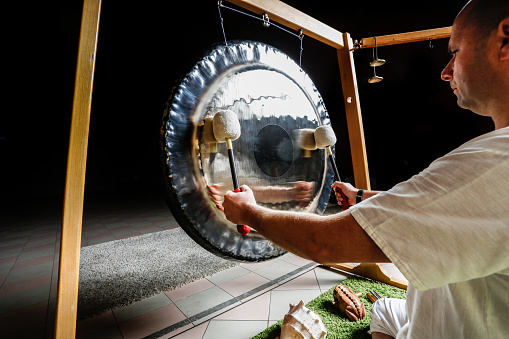
Playing gong in sound bath therapy
Testimonials from participants who have experienced the healing benefits of the Jupiter Gong
Now that we have explored ways to incorporate the sacred sounds of the Jupiter Gong into our daily mindfulness practice, let’s hear from some participants who have experienced the healing benefits firsthand. These testimonials serve as a powerful reminder of the transformative power of this ancient instrument.
Emily, a busy professional, shares that incorporating the Jupiter Gong into her morning routine has helped her start the day with a calm and focused mind. She finds that the deep vibrations of the gong help to release tension from her body and clear her mind of any lingering stress.
John, a yoga instructor, says that using the Jupiter Gong during his classes has taken his students’ practice to a whole new level. The soothing and resonating sound of the gong creates a harmonious atmosphere, allowing his students to sink deeper into their practice and experience a profound sense of inner peace.
These testimonials highlight the diverse range of individuals who have found solace and healing through the Jupiter Gong. Whether you’re a busy professional seeking serenity in your daily life or a mindfulness enthusiast looking to deepen your practice, the sacred sounds of the Jupiter Gong can be a powerful tool in unlocking your inner Zen.
Stay tuned for the next blog section, where we’ll explore different gong meditation techniques that can enhance your journey towards inner peace and self-discovery.
Multi colored sound wave background
Embrace the power of sound and unlock your inner Zen with the Jupiter Gong
As we conclude our exploration of the sacred sounds of the Jupiter Gong, we have witnessed the transformative power it holds for individuals from all walks of life. From busy professionals to dedicated yoga instructors, the testimonials we have heard serve as a testament to the healing benefits of this ancient instrument.
The soothing vibrations of the Jupiter Gong have proven to be a valuable tool in starting the day with a calm and focused mind, releasing tension from the body, and creating a harmonious atmosphere for deepening mindfulness practices. The diversity of experiences shared highlights how the Jupiter Gong can be embraced by anyone seeking serenity and inner peace.
In our next blog section, we will delve into different gong meditation techniques that can further enhance your journey towards unlocking your inner Zen. So, stay tuned and prepare to embrace the power of sound as you continue to cultivate a sense of tranquility and self-discovery.





























 The Harmonious Sound Journey