
Tag: Drumming
-
Photo by Elina Sazonova on Pexels.com -

Photo by Ylanite Koppens on Pexels.com If you’re looking for a way to improve your meditation practice, you may want to consider a 528 Hz crystal singing bowl sound bath. This type of therapy can help to connect you with the vibrational frequency of love and promote feelings of well-being.
Crystal singing bowls are made from quartz crystal and produce a beautiful, high-quality sound when struck with a mallet. When played, the bowls emit a range of frequencies that can promote relaxation, stress relief, and improved sleep.
A 528 Hz sound bath can be an incredibly powerful experience that can help to deepen your meditation practice. If you’re looking for a way to connect with the frequency of love, a 528 Hz sound bath may be just what you need.
The Benefits of Sound Baths
Sound baths are a type of sound therapy that involves sitting or lying down in a comfortable position while listening to the sounds of crystal singing bowls. Sound baths can offer many benefits, including:
– Stress relief
– Improved sleep
– Increased feelings of well-being
– Pain relief
– Increased focus and concentration
Sound baths can be an excellent way to relax and promote a sense of calm. If you’re looking to improve your meditation practice, incorporating a sound bath into your routine can be a great way to do so.
How 528 Hz Can Help
528 Hz is known as the “frequency of love” and is believed to promote feelings of well-being, peace, and calm. When you listen to sounds produced at this frequency, it can help to connect you with the vibration of love. This frequency is also thought to help:
– Reduce stress
– Alleviate anxiety
– Boost immunity
– Enhance creativity
Incorporating a Bowl into Your Meditation Practice
If you’re interested in incorporating a sound bath into your meditation practice, there are a few things you should keep in mind. First, it’s important to find a comfortable place to sit or lie down. You may want to use a yoga mat or towel to help cushion your body. Next, you’ll want to make sure that you’re wearing comfortable clothing that won’t constrict your movement. Once you’re settled, you can begin to focus on your breath and allow the sounds of the bowl to wash over you. It’s important to remain aware of the sounds without getting lost in them. You may find it helpful to focus on a mantra or word to help keep you grounded.
Guidelines for Maximizing the Effectiveness of Sound Bath Meditation
There are a few things you can do to help ensure that you get the most out of your sound bath meditation:
– Make sure that you’re in a comfortable position.
– Focus on your breath and allow the sounds to wash over you.
– Remain aware of the sounds without getting lost in them.
– Use a mantra or word to help keep you grounded.
Conclusion
A 528 Hz crystal singing bowl sound bath can be a powerful way to improve your meditation practice. If you’re looking for a way to connect with the frequency of love and promote feelings of well-being, a sound bath may be just what you need.
#528HzCrystalSingingBowl #Soundhealing #vibration #harmony #love #selfcare #selfcompassion #handpan #SolfeggioFrequency #TuningForks #Drumming #TibetanSingingBowls #drumming #relaxation #harmony #resonance #grounding #mindfulness #guidedmeditation #Reiki #CrystalSingingBowls #432HZCrystalSingingBowls #CosmicLightCrystalSingingBowls #TibetanSingingBowls #energyhealing #soundhealing #gongbaths #juliejewelssmootpodcast
-
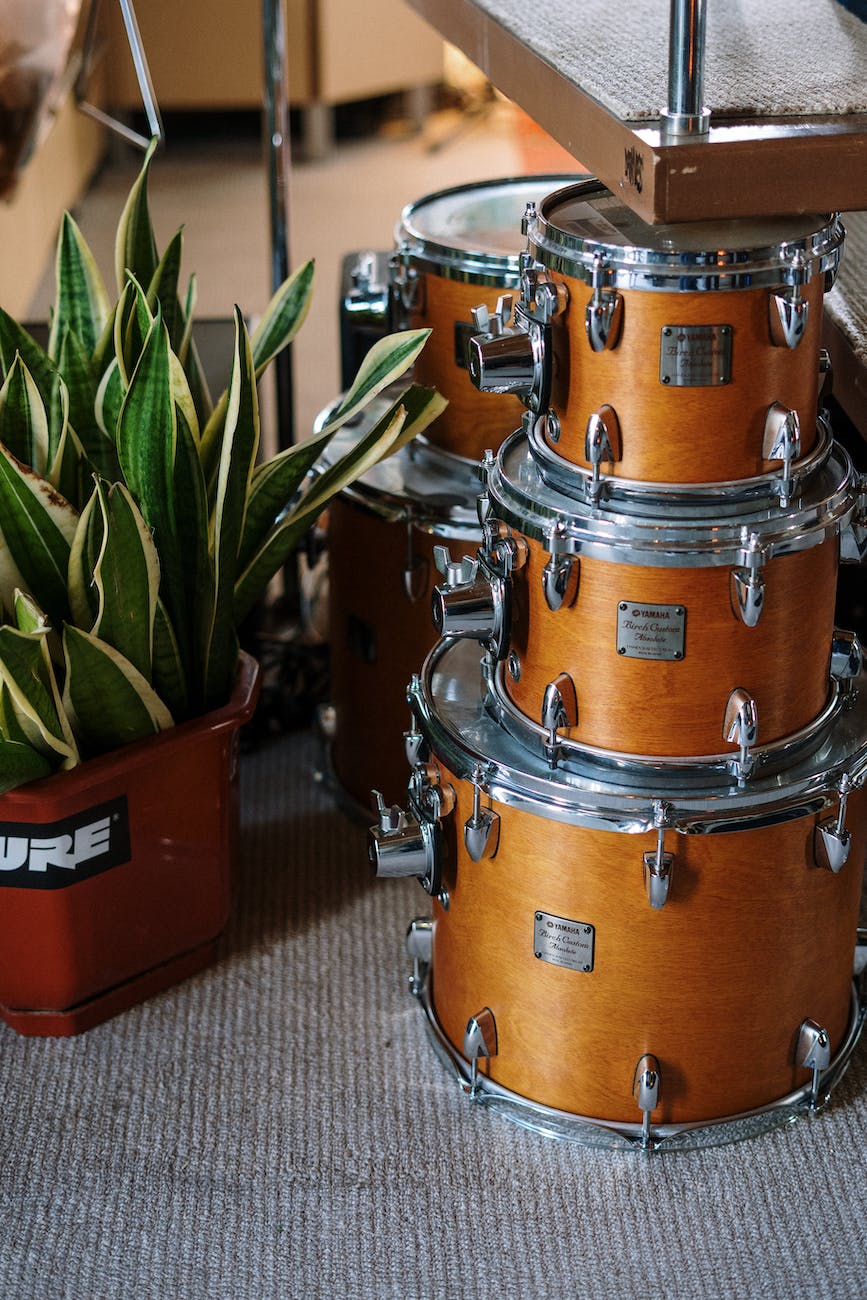
Photo by cottonbro studio on Pexels.com Grief is a powerful emotion that can often feel overwhelming. It can be caused by the death of a loved one, the end of a relationship, or any other significant loss. Grief can also be a reaction to a traumatic event, such as war, natural disaster, or sexual assault.
While grief is a natural and normal response to loss, it can sometimes lead to serious mental health problems, such as depression, anxiety, and post-traumatic stress disorder (PTSD). If you are struggling to cope with grief, you may be looking for ways to ease your pain.
One treatment that is gaining popularity is drumming. Drumming is an ancient healing practice that has been used for centuries by cultures all over the world. It is a simple and effective way to connect with the present moment and release trauma from the body.
If you are interested in learning more about the power of drumming for grief and post-traumatic stress, keep reading!
The Scientific Power of Drumming
Research has shown that drumming can have a positive impact on mental and physical health. Drumming can reduce stress, anxiety, and depression. It can also help to improve sleep, boost the immune system, and increase energy levels. In one study, participants who underwent drumming therapy reported feeling more positive and had less anxiety and depression. Drumming can also help to reduce stress hormones, such as cortisol. Cortisol is a hormone that is released in response to stress. It is also known as the “stress hormone” because it can hurt the body. High levels of cortisol can lead to weight gain, high blood pressure, and a weaken immune system. Drumming can also help to release endorphins. Endorphins are hormones that are released by the brain in response to pain. They are also known as “happy hormones” because they can produce feelings of pleasure and euphoria. Endorphins can also help to improve mood, reduce stress, and boost immunity. In one study, cancer patients who underwent drumming therapy reported less pain, fatigue, and anxiety. They also had lower levels of cortisol. So, what is the science behind the power of drumming? Drumming can help to reduce stress and anxiety by altering the brainwaves. Brainwaves are electrical signals that are produced by the brain. There are four main types of brainwaves: beta, alpha, theta, and delta. Beta waves are associated with anxiety and stress. Alpha waves are associated with relaxation. Theta waves are associated with meditation and deep sleep. Delta waves are associated with healing. Drumming can help to shift the brainwaves from beta to alpha, and even theta. This can help to promote relaxation and a sense of well-being. Drumming can also help to release endorphins and reduce cortisol levels. This can help to improve mood, reduce pain, and boost immunity.
Drums for Grief and Trauma
If you are struggling with grief or trauma, you may be wondering if drumming can help. The good news is that drumming can be an effective treatment for both grief and trauma. Drumming can help to release emotions that are stored in the body. It can also help to reduce stress, anxiety, and depression. Drumming can also help to improve sleep, boost the immune system, and increase energy levels. One study found that cancer patients who underwent drumming therapy had less pain, fatigue, and anxiety. They also had lower levels of cortisol. Drumming can also help to release endorphins. Endorphins are hormones that are released by the brain in response to pain. They are also known as “happy hormones” because they can produce feelings of pleasure and euphoria. Endorphins can also help to improve mood, reduce stress, and boost immunity. In one study, participants who underwent drumming therapy reported feeling more positive and had less anxiety and depression. Drumming can also help to reduce stress hormones, such as cortisol. Cortisol is a hormone that is released in response to stress. It is also known as the “stress hormone” because it can hurt the body. High levels of cortisol can lead to weight gain, high blood pressure, and a weaken immune system. So, if you are struggling with grief or trauma, drumming may be a good option for you. Drumming can help to release emotions, reduce stress, and improve your overall health.
How to Use Drumming for Healing
If you are interested in using drumming for healing, there are a few things you should know. First, it is important to find a comfortable place to sit or lie down. You will also need a drum, such as a djembe, conga, or bongo. Start by closing your eyes and taking a few deep breaths. Focus on your breath and allow your body to relax. Once you are feeling relaxed, begin to gently tap the drum. You can tap the drum with your hands, a drumstick, or a mallet. Tap the drum at a comfortable pace. You can also vary the intensity of your taps. As you are tapping the drum, focus on your breath. Allow your mind to focus on the present moment. If your mind begins to wander, gently bring it back to your breath and the sound of the drum. Continue to tap the drum for 5-10 minutes. When you are finished, sit for a few moments and notice how you feel. Drumming is a simple and effective way to connect with the present moment and release trauma from the body. It is also a great way to reduce stress, anxiety, and depression. So, if you are struggling with grief or trauma, give drumming a try!
-
The sacrum is a triangular-shaped bone at the base of the spine. It is made up of five fused vertebrae and is a key part of the pelvic girdle. The sacrum is subject to a lot of stress and strain, which can lead to pain and dysfunction.
There are several ways to heal the sacrum and relieve pain. These include using essential oils, eating certain foods, receiving massage therapy, and practicing reiki or breath work.
In this article, we will discuss the five-step process for healing your sacrum. This process includes using essential oils, eating certain foods, receiving massage therapy, and practicing reiki or breathwork.
Are you dealing with sacral pain? If so, you’re not alone. The sacrum is a triangular-shaped bone at the base of the spine that is made up of five fused vertebrae. It is a key part of the pelvic girdle and is subject to a lot of stress and strain. This can lead to pain and dysfunction. There are many ways to heal the sacrum and relieve pain. These include using essential oils, eating certain foods, receiving massage therapy, and practicing reiki or breath work. In this article, we will discuss the five-step process for healing your sacrum. This process includes using essential oils, eating certain foods, receiving massage therapy, and practicing reiki or breathwork.
Step One: Realigning the Sacrum
The first step in healing your sacrum is to realign it. This can be done by visiting a chiropractor, osteopath, or physical therapist. They will be able to help you identify any areas of dysfunction and correct them. If you’re not able to see a professional, there are a few things you can do at home to realign your sacrum. One is to lie on your back with your knees bent and your feet flat on the floor. Place your hands on your lower belly and relax your whole body. Then, slowly roll your knees from side to side, allowing your hips to move with them. Another way to realign your sacrum is to sit on a stability ball. Keep your feet flat on the floor and your back straight. Then, roll the ball from side to side underneath you.
Step Two: Release the Psoas
The psoas is a muscle that runs from the lower back to the top of the femur. It is responsible for flexing the hip and stabilizing the spine. When this muscle is tight, it can pull on the lower back and cause pain. To release the psoas, lie on your back with your knees bent and your feet flat on the floor. Place your hand on your stomach and take deep breaths into your lower belly. As you exhale, let your belly soften. Then, bring your right knee to your chest and hug it with both arms. Hold for 30 seconds to one minute. Repeat on the left side.
Step Three: Restore Movement to the Pelvic Floor
The pelvic floor is a group of muscles that support the bladder, uterus, and rectum. They also help to control urination and bowel movements. When these muscles are weak or tight, they can cause pain in the lower back, hips, and pelvis. There are many exercises that can help to restore movement to the pelvic floor. One is to lie on your back with your knees bent and your feet flat on the floor. Place your hands on your lower belly and take deep breaths into your lower belly. As you exhale, let your belly soften. Then, use your fingers to gently massage the muscles of your pelvic floor. Another exercise is to sit on a stability ball and bounce your hips up and down. This will help to loosen the muscles and restore movement.
Step Four: Strengthen the Glutes
The gluteal muscles are the largest in the body. They are responsible for extending the hip and stabilizing the pelvis. When these muscles are weak, they can cause pain in the lower back, hips, and pelvis. Some exercises can help to strengthen the glutes. One is to lie on your back with your knees bent and your feet flat on the floor. Place your hands on your lower belly and take deep breaths into your lower belly. As you exhale, let your belly soften. Then, lift your right leg off the floor and hold for five seconds. Repeat on the left side. Another exercise is to stand with your feet hip-width apart and your knees slightly bent. Then, lift your right leg behind you and hold for five seconds. Repeat on the left side.
Step Five:
Protect Your Lower Back The lower back is susceptible to injury and pain. To protect your lower back, always use proper lifting techniques. When lifting something heavy, keep your feet shoulder-width apart and bend at the knees. In conclusion, the five-step process for healing your sacrum includes realigning the sacrum, releasing the psoas, restoring movement to the pelvic floor, strengthening the glutes, and protecting your lower back.
-

Q: Where did you grow up?
A: A small town in southern Ohio called Lucasville, Ohio. My mom taught me to love nature and our country. We would spend a lot of time canoeing, camping, fishing and taking vacations to Myrtle Beach, South Carolina.
Q: Can you tell me how you ended up being a sound healing practitioner?
A: In the summer of 2020, I was guided by spirit to a Heart gong and Solfeggio Tuning forks after my mother died of metastatic breast cancer. From there, I was fascinated to learn as much as I could about Gongs, Tibetan Singing Bowls, Crystal Singing Bowls, Tuning forks, and Hand pans. I love how healing Gongs are. I love how the hand pan can take me to another place and time. I love how Tibetan/Crystal Singing Bowls can ground me in the present moment and help me to relax.
Q: What has inspired your connection to wellness?
A: I’m a seeker and have been on my own path of personal healing for a long time. I found my way to a healing treat called Artemis Rising at Boulder Crest in Virginia. At this retreat, I was introduced to dancing, kayaking and the Tibetan Singing bowl. After leaving this retreat, I found myself on a journey of healing myself and soon found my way to Nia Technique where I have taken every belt to be a Nia Technique teacher.
After my mother died from metastatic breast cancer in 2020, I was a mess. The country was dealing with Covid, all of the restrictions and I was in grief, rage and was feeling totally alone. A spirit guided me to Solfeggio Tuning Forks and from there to my first gong, The Heart Gong. I felt myself connecting to the vibration and healing with music. Then I decided to take trainings to become an accredited sound practitioner. From there I got more and more sound healing instruments, Bio Mat and Acoustic Bio Mat.
I started playing every day as I was learning and moving through my grief, rage and trauma. I could feel the sounds working on my body, spirit and emotions. I started sounding with Tibetan Singing Bowls, Gongs and Acoustic Bio Mat. The vibration was changing how I felt and was moving me through intense emotions and opening the door to me creating my business.
Q: What is your mission with sound healing?
A: My mission with sound healing is to bring originality and pride to anyone interested in self-healing by providing a safe place to feel emotions and heal by listening to Gongs, Tibetan Singing Bowls, Crystal Singing Bowls, Hand pan and Tuning Forks.
I have had people in my life that have listened to me and guided me on my healing journey. I realize that I am not able to heal anyone. Healing is an inside job, and I am a guide on another’s path. I can be there to create space, hold space, listen and be connected to spirit to share wisdom with another. Healing is an inside job, and the individual has to do their own work.
Q: I love music to. Can you tell me what your favorite sound healing instrument is?
A: My favorite sound healing instrument is the hand pan. Once I picked it up and started playing music flowed from me. When I was at Myrtle Beach, South Carolina last spring, the song, calming my Inner Storm flowed from me and comforted me. </p>
Q: I see you have several different Gongs. Which one is your favorite?
A: My favorite Gong is Chiron. I have learned a lot about the Gong and when it was discovered. I was born on December 15, 1977. Chiron gong was discovered in November 1976, is known as the wounded healer and helps one to heal traumas and deep wounds. It resonates at the note of D#. I find myself connecting to the frequency and am myself a wounded healer. Through working with the Chiron Gong, I have been able to heal myself. Also, I love sharing with my friends and family.
Q: When did you start to write poetry?
A: I started writing poetry when I was stationed on the USS Ronald Reagan in 2006 as a way to get what I was feeling out. In 2016, I took Nia Blue Belt and during that time poetry was flowing from me. That is when I decided to publish my book, The Journey Back to Myself: A Book of Healing Poetry, Second Edition
Q: Do you have a favorite quote?
A: “Owning your story is the bravest thing you’ll ever do.” ~Brene Brown
Q: What do you like to do in your free time? what do you like to do for fun?
A: I like to spend time in nature, taking landscape photographs, dancing and spending time on the beach
Q: Who are your heroes?
A: My teachers and guides that have helped me to return to myself, brought me back into my body, helped me to realize that I am a goddess, badass and have seen me for who I truly am.
- sound Healing Sound healing therapy Chiron Gong Heart Gong Neptune Gong Venus Gong Jupiter Gong Sidereal Moon Gong Crystal Singing Bowls breath Authentic Energy Healing Hand pan Solfeggio Frequency Tuning Forks Shaman drum Meditation Mindfulness Reiki relaxation harmony binaural beats resonance grounding feel to heal release grief healing trauma healing anxiety
-
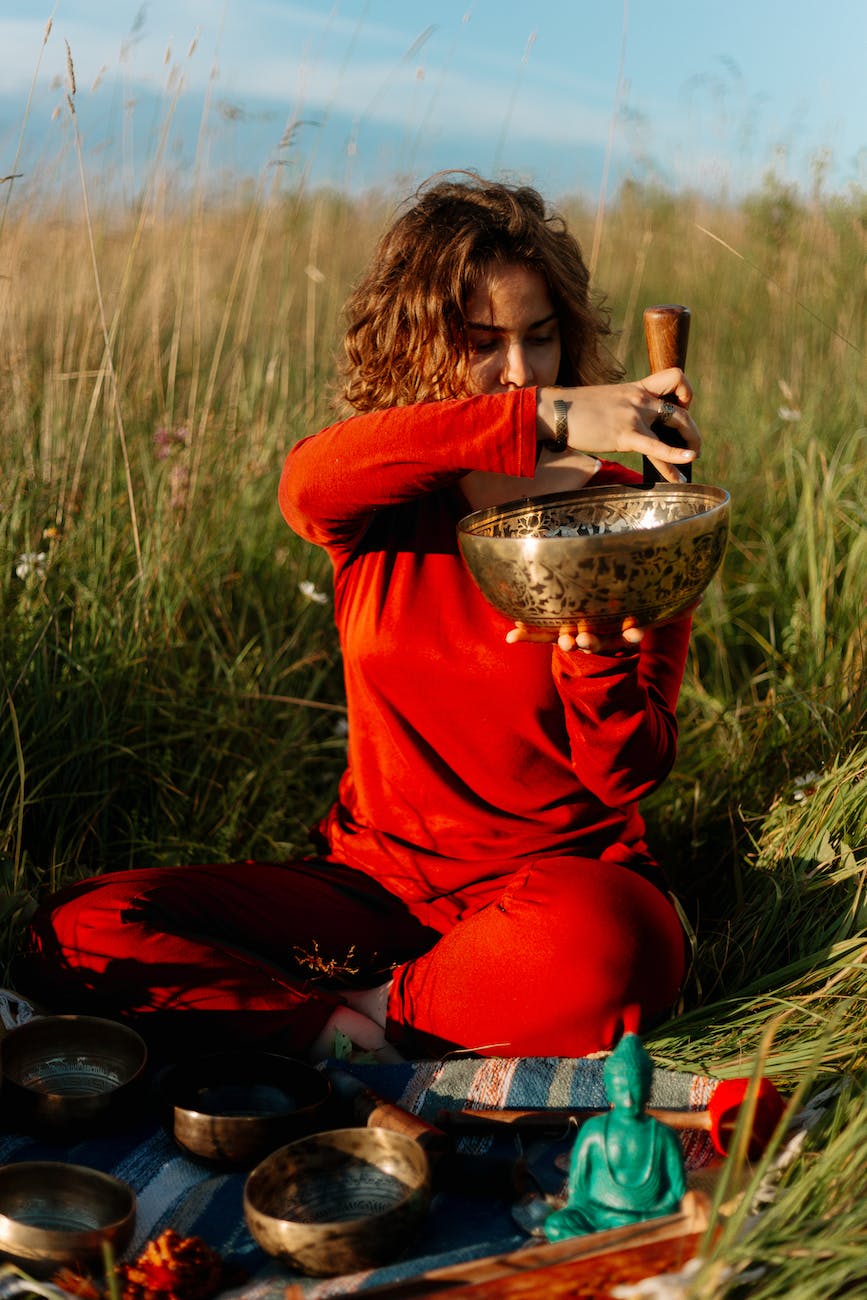
Photo by cottonbro studio on Pexels.com Solfeggio frequencies are musical tones with reputed healing properties, believed to be based on a 6-tone scale used in ancient Gregorian chants. The 9 active frequencies are: 174 Hz, 285 Hz, 396 Hz, 417 Hz, 528 Hz, 639 Hz, 711 Hz, 852 Hz, and 963 Hz.
These frequencies are thought to potentially balance the mind, body, emotions, and spirit. They may also be able to improve concentration, memory, and focus. Keep reading to learn everything you need to know about solfeggio frequencies and how they might be used to improve your health!
The history and origin of solfeggio frequencies
The origins of solfeggio frequencies go back as far as the 11th century when they were used by the Benedictine monks in the ancient Gregorian chant. These chants used a six-note scale that ultimately formed the basis of this frequency system. Free-flowing melodies and patterns were used to express spiritual concepts and emotions. However, the use of the solfeggio frequencies was largely forgotten until it was rediscovered in 1974 by Dr. Joseph Puleo, a naturopathic physician. He uncovered them after analyzing the Book of Numbers in the Bible. Upon his discovery, he worked with musician and composer, Dr. Leonard Horowitz to spread the word about these special frequencies.
How do solfeggio frequencies work?
Solfeggio frequencies are believed to feel our energy fields and restore balance on both physical and spiritual levels. They are believed to vibrate at specific frequencies that can promote peace, harmony, balance, and relaxation. When these frequencies are introduced to the body, they can help to loosen blocked energy and restore the body to a healthy equilibrium. The frequencies can stimulate the release of hormones and neurotransmitters, helping to balance the body’s autonomic nervous system. Studies have even shown that these frequencies can help improve emotional and mental clarity, reduce stress and anxiety, and increase the natural production of endorphins.
The benefits of using solfeggio frequencies
There are many benefits to using solfeggio frequencies, both physical and emotional. Improved emotional health is a primary benefit, as the frequencies can help to create emotional balance, reduce stress and anxiety, and boost your mood and motivation. They can also improve cognitive functioning, allowing you to focus better and think more clearly. Physical benefits include improved sleep quality, reduced inflammation and pain relief, improved immunity, and improved digestion. They are also believed to stimulate the body’s natural healing response, allowing it to restore itself to a balanced state.
How to use solfeggio frequencies
So how do you use solfeggio frequencies? The simplest way is to listen to them. You can purchase recordings of the frequencies or stream them online. Listening to these frequencies regularly can allow your body to restore itself to optimal health. They can also be used in meditation and relaxation, either with audio recordings or by singing the tones yourself. As for timing, the best time to use solfeggio frequencies is in the morning or after periods of particularly high stress.
Are there any risks associated with using solfeggio frequencies?
No known risks have been associated with the use of solfeggio frequencies. However, those who are prone to seizures should take caution when using solfeggio frequencies, as the vibrations can sometimes trigger seizure activity. It’s also important to remember that if you’re feeling worse after listening to the frequencies, that can be an indication that something deeper is going on and should be investigated further.
To sum things up
Overall, solfeggio frequencies can be a powerful tool for restoring balance and improving health on physical, emotional, and spiritual levels. By introducing these frequencies to the body, the body can be stimulated to naturally release certain hormones and neurotransmitters to restore balance and equilibrium. Additionally, they can improve cognitive functioning, reduce stress and anxiety, and improve sleep quality. These frequencies can be used in meditation and relaxation, or simply listen to in your spare time. It’s important to keep in mind, however, that those prone to seizures should take extra caution when using solfeggio frequencies, as the vibrations can sometimes trigger seizure activity.
-
Emotions are a natural and essential part of our lives
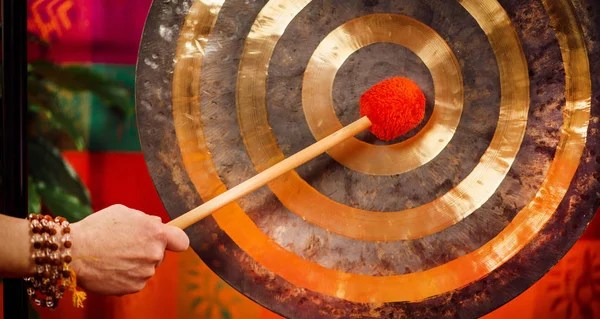
Welcome to Day 17 of the 30-Day Gong Challenge!
Our emotions are a natural and essential part of our lives. They help us make decisions, express ourselves, and navigate our relationships. However, we often try to suppress our emotions, especially negative ones. We may think that we shouldn’t feel angry, sad, or afraid. But the reality is that these emotions are a normal part of life. It’s okay to feel them. It’s essential to our well-being.
Today’s challenge is to allow yourself to feel your emotions. Don’t try to push them away. Simply allow yourself to experience them fully. Notice how they feel in your body and mind. Explore them without judgment. And see what happens when you simply allow yourself to feel.
Our emotions can be our guideposts
Emotions are a natural part of our lives. Some, we may feel them more deeply than others, but they are still part of us. And we need to learn to accept and embrace them.
Our emotions can be our guides because they can tell us a lot about ourselves. They can signal to us when something needs to be addressed and what our needs and values may be. However, too many of us have learned to suppress our emotions instead of allowing ourselves to feel them. We do this because we think that these emotions are not acceptable or desirable.
But our emotions are a part of us and we need to learn to listen to them. We need to learn to recognize and understand our emotions so we can use them as signposts to help us navigate our lives.
So today, challenge yourself to pay attention to your emotions. Don’t stifle or suppress them, but rather allow yourself to observe them and recognize what they are trying to tell you. And if you want, you can even jot down your emotions in a journal or a piece of paper and review them later on.
Allowing ourselves to feel our emotions can be challenging
For many of us, allowing ourselves to feel our emotions can be challenging. It might feel scary, overwhelming, or even embarrassing. We might be worried that our feelings are too intense and are scared of being judged because of it.
However, we need to overcome this fear and allow ourselves to feel our emotions. Allow yourself to be vulnerable and understand that it is okay to not be okay sometimes.
If we can take a step back and pause to observe our emotions, we can be more mindful and gain a better understanding of what we’re feeling. Identifying our emotions can help us to make a plan on how we could best manage them. Talking it out with a friend or a therapist can also help to relieve our feeling of overwhelm and understand more about our emotions.
By taking our time and allowing ourselves to feel whatever emotion it is that we’re feeling, we’re more likely to come out the other side stronger, with deeper insight into ourselves and how we react to situations. So, it is important to acknowledge our emotions and take the time to process them. Over time, we can gain a better understanding of ourselves and how we process emotions.
When we allow ourselves to feel our emotions, we can move through them more easily
When we allow ourselves to feel our emotions, instead of resisting them or trying to suppress them, we can learn to identify them and process them more easily. This will allow us to move through our emotions more efficiently and find a resolution or solution more quickly.
By allowing ourselves to feel our emotions, we can become aware of our triggers and learn to manage them better. We can also create more meaningful relationships with ourselves and others as we learn to better understand and express our feelings.
In addition, allowing ourselves to feel and process our emotions can help us to build our emotional resilience and self-awareness, as well as our coping skills. This can help us to manage stress and difficult situations more effectively.
Ultimately, by allowing ourselves to feel our emotions and take the time to process them, we can develop a healthier relationship with ourselves and the world around us.
Allow yourself to feel your emotions today, and every day
Allow yourself to feel your emotions today and every day. Acknowledge and express your feelings so that you can better process them and let them pass.
Take a few moments throughout the day to check in to assess how you are feeling emotionally. Identify the emotions and recognize them, even if they are uncomfortable. Accept and allow them to be there, and don’t try to push them away.
Giving voice to your emotions can help you work through them instead of letting them linger and grow. Talk to friends, family, or a therapist about them; writing them down can also help. Focusing on your emotions for better understanding can help to heal and complete the process.
Try to address and understand how your emotions flow together and how they are linked to each other, as this can help unlock deeply hidden feelings. Through self-reflection, you can find the deeper, underlying causes of your emotions and work through them.
By allowing yourself to feel your emotions today and every day, you can create more meaningful relationships with yourself and others, while developing emotional resilience and coping skills to manage stress and difficult situations.
Available on Modern Sound Healing with Julie Jewels Smoot, Amazon, and my soundcloud account.
-

Photo by Irina Demyanovskikh on Pexels.com In the realm of healing’s embrace,
A goddess emerges with gentle grace.
With her presence, wounds begin to mend,
A divine touch, a celestial friend.
She’s the goddess of restoration and peace,
Bringing solace to pain that doesn’t cease.
Her gentle gaze soothes troubled souls,
And her wisdom heals, making us whole.
With compassion, she tends to the broken,
Embracing scars that were left unspoken.
Her energy flows, like a warm, healing breeze,
Guiding us to find inner peace with ease.
In her sacred temple, we find our release,
A sanctuary for hearts seeking inner peace.
With each prayer, she listens and understands,
Guiding us to reclaim our own healing hands.
With her presence, we find strength anew,
Unleashing the power within, pure and true.
She guides us on a journey, deep within,
Awakening the divine spark, where healing begins.
So let us honor this goddess of grace,
In our hearts, her healing light we embrace.
For in her love, we find the strength to grow,
Healing the wounds, and letting our spirits glow.
-

Photo by Nicole Avagliano on Pexels.com In the depths of chaos, sanctuary lies,
A tranquil haven where one’s spirit flies.
A sacred refuge, a shelter from the storm,
Where solace and peace are the true norm.
Within these walls, worries are set free,
As serenity dances, setting hearts at ease.
A sanctuary of love, compassion, and grace,
Embracing all souls seeking a safe place.
Here, troubles are whispered into the wind,
And burdens lifted, as new strength begins.
In this sanctuary, fears gently fade away,
Leaving behind only hope’s golden ray.
Embraced by nature’s gentle embrace,
Bathed in sunlight’s warm and tender grace.
A sanctuary where dreams are born anew,
Where healing whispers softly, “I believe in you.”
So let us seek refuge in this sacred space,
Let the sanctuary’s embrace our hearts embrace.
For amidst life’s chaos and trials we face,
Sanctuary awaits, offering solace and grace.
-

Photo by Anna Urlapova on Pexels.com In the depths of night, a slumbering heart,
Awakening slowly, a delicate start.
Whispered dreams softly stir and ignite,
Guiding me gently towards the light.
A flicker of hope, like dawn’s first ray,
Brushes away shadows, unveiling a new day.
With trembling steps, I venture ahead,
Unraveling the stories my heart has kept.
Through tender moments, love begins to bloom,
Petals unfurling, dispelling the gloom.
With each beat, a symphony of desire,
Igniting a flame that only grows higher.
Embracing vulnerability, I let myself feel,
The joy, the pain, everything that’s real.
For in this awakening, I find my truth,
A heart unburdened, untethered, uncouth.
No longer confined by walls of fear,
I soar on the wings of love, ever near.
Awakening my heart, a journey profound,
A dance with emotions, forever unbound.
 The Harmonious Sound Journey