This song was channeled from my connection to the angelic realm.
The song is called “Angel Beauty: Spirit Guided Song” and it is the most beautiful music you’ll ever hear. It is a beautiful song that was created with a connection to angels and spirit guides.
What is Angel Beauty: Spirit Guided Song?
Angel Beauty: Spirit Guided Song is a beautiful piece of music that was channeled from my connection to the angelic realm. The song is based on the premise that we are all connected to spirit guides who can help us on our journey through life. The song is designed to help us connect with our spirit guides and receive their guidance. It is a powerful tool that can help us heal emotionally and spiritually.
Why is Angel Beauty: Spirit Guided Song the most beautiful music you’ll ever hear?
The beauty of this song comes from its ability to touch our hearts and souls. It is a song that is full of love and light, and it can help us to feel connected to the angelic realm. This song can help us to remember our connection to the angels, and it can help us to feel their presence in our lives. It is a reminder that we are never alone, and that we always have help available to us. The song is also incredibly powerful, and it can help us to heal emotionally and spiritually. It is a reminder that we are loved and supported, and that we are never alone.
The healing power of music
The healing power of music is well-documented, and many studies have shown the positive effects of music on our health. Music can help to reduce stress, anxiety, and depression. It can also help to improve sleep, increase energy levels, and boost our immune system. Music can touch our hearts and souls, and it can be a powerful tool in our journey to wellness.
Music as a form of communication
Music is a universal language that can help us to communicate with each other and with the world around us. It can help us to express our emotions, and it can help us to connect with others. Music can also help to heal, and it can be a powerful tool in our journey to wellness.
The benefits of listening to Angel Beauty: Spirit Guided Song
Listening to this song can help us to feel connected to the angelic realm. It can help us to remember our connection to the angels, and it can help us to feel their presence in our lives. This song can also help us to heal emotionally and spiritually. It is a reminder that we are loved and supported, and that we are never alone.
To wrap things up
Angel Beauty: Spirit Guided Song is the most beautiful music you’ll ever hear. It is a beautiful song that was created with a connection to angels and spirit guides. The song is designed to help us connect with our spirit guides and receive their guidance. It is a powerful tool that can help us heal emotionally and spiritually. If you are looking for a beautiful song to help you connect with your spirit guides, I highly recommend Angel Beauty: Spirit Guided Song. You can listen to it at the following link:
The human body is designed to breathe diaphragmatically. Unfortunately, the stresses of modern life have led many of us to develop shallow, chest-level breathing habits. This can have many negative consequences on our health, including anxiety, poor sleep, and chronic pain.
The good news is that it is never too late to learn how to breathe correctly! Diaphragmatic breathing (also known as “full diaphragmatic breathing” or “belly breathing”) is a simple but powerful technique that can be used to improve your health and well-being.
In this article, we will explain what diaphragmatic breathing is and how it can help you live a better life. We will also provide a step-by-step guide on how to practice this technique.
What is diaphragmatic breathing?
The diaphragm is a dome-shaped muscle that separates the chest cavity from the abdominal cavity. When we breathe in (inhale), the diaphragm contracts and moves downward. This increases the volume of the chest cavity and decreases the pressure, drawing air into the lungs. When we breathe out (exhale), the diaphragm relaxes and moves upward. This decreases the volume of the chest cavity and increases the pressure, pushing air out of the lungs. In diaphragmatic breathing, we use the diaphragm to our advantage by taking deep, slow breaths that fill our lungs from bottom to top. This type of breathing has several benefits, which we will discuss in the next section.
The benefits of diaphragmatic breathing
There are many benefits associated with diaphragmatic breathing, including Reduced anxiety and stress: When we are anxious or stressed, we tend to take shallow, chest-level breaths. This can exacerbate the feeling of anxiety or stress. Diaphragmatic breathing helps to calm the nervous system and can be used as a tool to manage anxiety and stress.
Improved sleep:
One of the reasons why diaphragmatic breathing is so effective at reducing stress is that it helps to promote “the relaxation response”. This is a state of deep relaxation that is the opposite of the “fight-or-flight” response that is activated during times of stress. The relaxation response is associated with improved sleep quality.
Reduced pain:
Chronic pain is often caused or exacerbated by stress. Diaphragmatic breathing can help to reduce stress and, as a result, chronic pain.
Improved cardiovascular health:
Diaphragmatic breathing has been shown to lower blood pressure and heart rate. It also helps to increase blood flow and oxygenation.
Improved digestion:
The diaphragm is connected to the digestive organs. When we breathe deeply, the diaphragm massages the organs and helps to move food through the digestive system.
How to do diaphragmatic breathing
Learning how to do diaphragmatic breathing is simple but it takes practice to get it right. The following steps will help you to master the technique:
1. Sit or lie down in a comfortable position.
2. Place one hand on your chest and the other on your belly.
3. Breathe in slowly through your nose, allowing your belly to expand.
4. Keep your chest still and breathe low and deep into your diaphragm.
5. Exhale slowly through your nose, letting your belly fall.
6. Repeat the process for 10-20 breaths.
Diaphragmatic breathing and quality of life
Research suggests that diaphragmatic breathing can have a positive impact on quality of life. A study published in Frontiers in Psychology found that diaphragmatic breathing improved symptoms of depression, anxiety, and stress in a group of adults. Another study, published in the Journal of Alternative and Complementary Medicine, looked at the effect of diaphragmatic breathing on the quality of life in a group of people with chronic pain. The study found that diaphragmatic breathing helped to reduce pain, fatigue, and depression.
Conclusion
Diaphragmatic breathing is a simple but powerful technique that can be used to improve your health and well-being. The benefits of diaphragmatic breathing include reduced anxiety and stress, improved sleep, reduced pain, and improved cardiovascular and digestive health. If you are interested in trying diaphragmatic breathing, make sure to follow the steps outlined in this article. With a little practice, you will be a pro in no time!
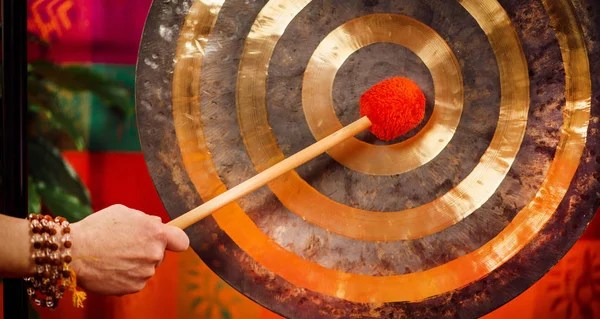
The Chiron Gong is a powerful tool for relaxation and healing. It is known as the Wounded Healer because it can help us to release trauma and pain that is stored in our bodies. The Chiron Gong is made of brass and copper and is struck with a mallet to produce a deep, resonant sound.
The sound of the Chiron Gong can help to release tension and stress, and promote feelings of peace and well-being. It can also be used to facilitate deep relaxation and meditation.
If you are looking for a way to reduce stress and promote healing, the Chiron Gong may be the perfect tool for you.
What is Chiron Gong?
The Chiron Gong is a type of healing sound instrument that is made from brass and copper. It is typically struck with a mallet to produce a deep, resonant sound. The Chiron Gong is also known as the “Wounded Healer” because it can help us to release trauma and pain that is stored in our bodies. The Chiron Gong can be used for a variety of purposes, including relaxation, meditation, stress reduction, and healing. The sound of the Chiron Gong can help to release tension and stress, and promote feelings of peace and well-being.
How can Chiron Gong help me relax?
The Chiron Gong can be used as a tool for relaxation and meditation. The deep, resonant sound of the Chiron Gong can help to promote feelings of peace and well-being. The Chiron Gong can also help to release tension and stress, and facilitate deep relaxation. If you are looking for a way to reduce stress and promote relaxation, the Chiron Gong may be the perfect tool for you.
The science behind Chiron Gong: how sound can heal the body
Recent research has shown that sound can have a profound effect on the body. Sound waves can cause cells to vibrate, which can help to release toxins and promote healing. One study found that singing bowls (which produce a similar sound to the Chiron Gong) can help to reduce stress, anxiety, and depression. The study found that the sound of the singing bowls helped to promote feelings of well-being and relaxation. Another study found that the application of vibration therapy (which uses sound waves to stimulate the body) can help to reduce pain, inflammation, and muscle tension. These studies suggest that the Chiron Gong can be a powerful tool for relaxation and healing.
Chiron Gong for relaxation: a step-by-step guide
If you are new to Chiron Gong, here is a step-by-step guide to using the Chiron Gong for relaxation:
1. Find a comfortable place to sit or lie down. You may want to use a yoga mat or blanket for added comfort.
2. Hold the Chiron Gong in your hands and strike it with the mallet to create a resonant sound.
3. Focus on the sound of the Chiron Gong and allow your body to relax.
4. Breathe deeply and slowly.
5. Continue striking the Chiron Gong as needed.
6. When you are finished, take a few moments to sit or lie in silence and notice how you feel.
Chiron Gong FAQs: everything you need to know
Still have questions about Chiron Gong? Here are some frequently asked questions that will help you to learn more about this powerful tool for relaxation and healing.
How long should I strike the Chiron Gong?
There is no right or wrong answer to this question. You can strike the Chiron Gong for as long or as short as you like. If you are new to Chiron Gong, you may want to start with a shorter session and gradually increase the length of time as you become more comfortable with the practice.
Where can I buy a Chiron Gong?
You can purchase a Chiron Gong online or at a local wellness store.
How much does a Chiron Gong cost?
Chiron Gongs typically range in price from 1,000 and up.
Is there any research to support the use of Chiron Gong?
Yes. Recent research has shown that sound can have a profound effect on the body. Sound waves can cause cells to vibrate, which can help to release toxins and promote healing. One study found that singing bowls (which produce a similar sound to the Chiron Gong) can help to reduce stress, anxiety, and depression. The study found that the sound of the singing bowls helped to promote feelings of well-being and relaxation. Another study found that the application of vibration therapy (which uses sound waves to stimulate the body) can help to reduce pain, inflammation, and muscle tension. These studies suggest that the Chiron Gong can be a powerful tool for relaxation and healing.
Ready to try Chiron Gong?
If you are looking for a way to reduce stress, promote relaxation, and facilitate healing, the Chiron Gong may be the perfect tool for you. Contact me to schedule your appointment at http://www.juliejewelssmoot.com or check out my website to see Chiron Gong Sound Healing Immersions.
In a fast-paced world filled with stress and anxiety, finding moments of peace and relaxation has become essential for maintaining our well-being. One powerful tool that has gained popularity in recent years is the practice of gong healing. Gong healing, also known as sound therapy, utilizes the vibrations and frequencies produced by specific gongs, such as the Chiron Gong, Heart Gong, Jupiter Gong, Neptune Gong, and Sidereal Moon Gong, to induce deep relaxation, enhance self-healing, and promote a sense of peace within. From the ancient traditions of the East to the modern practices of the West, gong healing has garnered attention for its profound benefits on the mind, body, and spirit. In this blog, we will explore the origins and techniques of gong healing, as well as delve into the transformative effects it can have on your overall well-being. So take a deep breath, and let the journey begin.
The Science Behind Gong Healing: How Sound Therapy Benefits the Body, Mind, Spirit and Emotions
Gong healing, or sound therapy, has been used for centuries as a means to promote healing and well-being. But how does it work? The science behind gong healing lies in the power of sound vibrations.
When the gongs are struck, they produce a range of frequencies that resonate with the body. These vibrations stimulate the body’s natural healing mechanisms, promoting deep relaxation and reducing stress. As the sound waves penetrate the body, they can help to release tension and blockages, allowing energy to flow freely again.
But the benefits of sound therapy extend beyond just the physical. The power of sound can also have a profound impact on our mental, emotional, and spiritual well-being. The vibrations created by the gongs can help to quiet the mind, promoting a state of meditation and inner peace. This can lead to improved focus, clarity, and a greater sense of connection to oneself and the world around them.
In addition, sound therapy has been shown to have a positive effect on our emotional state. The vibrations of the gongs can help to release stuck emotions and create a sense of balance and harmony within. This can bring about a greater sense of self-awareness and the ability to navigate through life’s challenges with more ease.
Overall, gong healing offers a holistic approach to well-being by addressing the body, mind, spirit, and emotions. In the next section, we will explore the specific ways in which sound therapy can benefit each of these areas, providing a comprehensive understanding of how gong healing can support your overall health and happiness. So, let’s dive in and discover the transformative effects of sound therapy on the body, mind, spirit, and emotions.
Healing Frequencies: How Gong Therapy Balances and Restores Energy
In the realm of sound therapy, gong healing holds a unique position as a powerful tool for balancing and restoring energy. This ancient practice harnesses specific frequencies to promote healing and harmonize the body’s energy centers, known as chakras.
Each chakra corresponds to different aspects of our physical, emotional, and spiritual well-being. When these energy centers are blocked or imbalanced, it can manifest as physical illness, emotional distress, or a general sense of disconnection.
Gong therapy works by emitting specific frequencies that resonate with each chakra, helping to clear blockages and restore balance. For example, the deep, low-frequency vibrations of the gong are believed to resonate with the root chakra, which is associated with grounding, stability, and a sense of safety. As the gong’s vibrations penetrate the body, they help to release any stagnant energy or emotional blockages in this area, allowing for a greater sense of security and stability.
Similarly, the higher-frequency vibrations of the gong are believed to resonate with the crown chakra, which is associated with spirituality, wisdom, and connection to a higher power. By stimulating this chakra, gong therapy can help to deepen one’s spiritual connection, enhance intuition, and promote a sense of transcendence.
In addition to balancing and restoring individual chakras, gong therapy also has a broader effect on the overall energy field of the body. This can help to improve overall vitality, boost the immune system, and support the body in its natural healing processes.
So, whether you are seeking physical, emotional, or spiritual healing, gong therapy offers a powerful method for restoring balance and promoting well-being. In the next section, we will delve deeper into the profound effects of gong healing on the body, exploring its ability to reduce pain, support healthy sleep, and enhance overall vitality. Stay tuned to uncover the full scope of how sound therapy can transform your health and wellness journey.
The Many Benefits of Gong Healing: From Stress Reduction to Improved Sleep
In this section, we will discuss the many benefits of gong healing and how it can positively impact your overall well-being. Gong therapy has been recognized for its ability to reduce stress and promote deep relaxation, making it an effective tool for managing anxiety. As the vibrations of the gong penetrate the body, they help to release tension and promote a state of calm.
Furthermore, gong healing has also been found to improve sleep quality. By creating a soothing environment and promoting relaxation, gong therapy can help regulate sleep patterns and enhance the overall quality of rest. For those struggling with insomnia or other sleep disorders, incorporating gong therapy into their routine can bring about significant improvements.
In addition to reducing stress and improving sleep, gong healing has also been shown to have a positive impact on mental and emotional well-being. The deep vibrations of the gong can help release emotional blockages, allowing for a greater sense of emotional balance and clarity. Many people have reported feeling a sense of inner peace and a heightened sense of well-being after a gong healing session.
Stay tuned for the next section, where we will dive deeper into the physical benefits of gong healing, exploring its potential to reduce pain, support the immune system, and enhance overall vitality.
Gong Healing Techniques: Exploring Different Methods and Instruments
Gong healing is a versatile therapy that involves various techniques and instruments to maximize its benefits. In this section, we will explore different methods and instruments commonly used in gong healing sessions.
One popular technique is known as “gong bath,” where the practitioner creates a surround sound experience by playing multiple gongs simultaneously. This method envelops the listener in a rich tapestry of sound vibrations, promoting a deep meditative state and facilitating healing on a holistic level.
Another technique is “gong pulsation,” which involves rhythmic and precise strikes on the gong surface. This technique creates a pulsating effect that resonates with the body’s natural energy flow, helping to release stagnant energy and revitalize the body’s systems.
Various gong instruments, such as the Sun Gong or the Wind Gong, can also produce different effects and frequencies. The Sun Gong, for example, is known for its bright and uplifting tones, while the Wind Gong offers a more complex and mystical sound profile.
By experimenting with different techniques and instruments, gong healers can tailor their sessions to meet the specific needs and preferences of their clients. In the next section, we will delve into the scientific explanations behind these healing effects and discuss the fascinating interplay between sound therapy and the human body. Stay tuned!
Finding a Qualified Gong Healing Practitioner: Tips for Choosing the Right Expert
Finding a qualified gong healing practitioner is essential to ensuring a safe and effective healing experience. While there is no standardized certification for gong healing, there are certain qualities and credentials to look for when choosing the right expert.
First and foremost, it is important to find a practitioner who has received formal training in gong healing techniques. Look for individuals who have completed courses or workshops with reputable gong healing schools or organizations. These programs typically cover topics such as the history and theory of sound therapy, gong playing techniques, and the therapeutic applications of gong healing.
Additionally, consider the practitioner’s experience and track record. Look for reviews or testimonials from previous clients to gain insight into their effectiveness and professionalism. A good gong healing practitioner should have a solid understanding of the human body, as well as the ability to create a safe and nurturing environment during sessions.
It is also worth exploring any additional certifications or complementary healing modalities the practitioner may have. Many gong healers have backgrounds in fields such as energy healing, meditation, or traditional medicine, which can enhance their skills and broaden the scope of their practice.
Finally, trust your instincts. Schedule a consultation or initial session with the practitioner to get a sense of their approach and demeanor. Pay attention to how comfortable and connected you feel during the interaction, as this can greatly impact the overall efficacy of the healing experience.
In the final section of this series, we will discuss the potential risks and precautions associated with gong healing, as well as provide tips for maximizing the benefits of your sessions.
Integrating Gong Healing into Your Wellness Routine: How to Make Sound Therapy a Regular Practice
In the final section of this series, we will discuss how you can integrate gong healing into your wellness routine. Making sound therapy a regular practice can offer long-term benefits for your physical, emotional, and spiritual well-being.
One way to incorporate gong healing into your routine is by scheduling regular sessions with a qualified practitioner. Depending on your specific needs and goals, this may involve weekly, bi-weekly, or monthly sessions. Consistency is key to experiencing the full benefits of sound therapy.
Another way to make gong healing a regular practice is to create a sacred space in your home where you can immerse yourself in the healing vibrations of the gong. Designate a quiet and comfortable area where you can set up your gong or listen to recorded gong healing sessions. Consider using essential oils, candles, or other relaxation aids to enhance the ambiance of your space.
In addition to regular sessions and creating a home practice, consider incorporating other wellness activities that complement gong healing. This may include practices such as yoga, meditation, breathwork, or journaling. Combining these modalities can help to deepen the healing experience and amplify its effects.
Remember, gong healing is a personal journey, and what works for one person may not work for another. Be open to experimenting with different approaches and techniques to find what resonates with you the most. Trust your intuition and listen to your body’s responses to determine what feels right for you.
By integrating gong healing into your wellness routine and making it a regular practice, you can tap into the power of sound therapy to achieve profound levels of healing, balance, and transformation.
The Future of Gong Healing: The Growing Popularity and Recognition of Sound Therapy
As the field of holistic healing continues to gain recognition and acceptance, sound therapy, including gong healing, is experiencing a surge in popularity. The profound benefits of sound therapy have captivated both individuals seeking alternative healing methods and professionals in the field of health and wellness.
Gong healing sessions are now widely available in wellness centers, spas, and holistic retreats. Many individuals are incorporating gong healing into their self-care routines, recognizing its potential to enhance overall well-being.
Moreover, scientific research further validates the effectiveness of sound therapy, shedding light on its therapeutic mechanisms and physiological impact. Studies have shown that sound healing can reduce stress levels, boost the immune system, improve sleep quality, and alleviate symptoms of anxiety and depression.
Not only is sound therapy gaining popularity among individuals, but it is also being integrated into various healthcare settings. Hospitals, clinics, and rehabilitation centers are implementing sound therapy as a complementary treatment option for patients, recognizing its ability to promote relaxation, reduce pain, and support overall healing.
As the demand for sound therapy continues to grow, we can expect further advancements in the field. Continued research, innovation, and collaboration among practitioners and scientists will contribute to the refinement and expansion of sound healing practices.
In conclusion, the future of gong healing and sound therapy is bright, as more people recognize its profound benefits and professionals continue to explore its potential. By embracing this ancient healing modality and incorporating it into our wellness routines, we can tap into the transformative power of sound and unlock new levels of well-being and harmony. Stay tuned for more updates and insights on the fascinating world of sound therapy.
Emotions are a natural and essential part of our lives
Welcome to Day 17 of the 30-Day Gong Challenge!
Our emotions are a natural and essential part of our lives. They help us make decisions, express ourselves, and navigate our relationships. However, we often try to suppress our emotions, especially negative ones. We may think that we shouldn’t feel angry, sad, or afraid. But the reality is that these emotions are a normal part of life. It’s okay to feel them. It’s essential to our well-being.
Today’s challenge is to allow yourself to feel your emotions. Don’t try to push them away. Simply allow yourself to experience them fully. Notice how they feel in your body and mind. Explore them without judgment. And see what happens when you simply allow yourself to feel.
Our emotions can be our guideposts
Emotions are a natural part of our lives. Some, we may feel them more deeply than others, but they are still part of us. And we need to learn to accept and embrace them.
Our emotions can be our guides because they can tell us a lot about ourselves. They can signal to us when something needs to be addressed and what our needs and values may be. However, too many of us have learned to suppress our emotions instead of allowing ourselves to feel them. We do this because we think that these emotions are not acceptable or desirable.
But our emotions are a part of us and we need to learn to listen to them. We need to learn to recognize and understand our emotions so we can use them as signposts to help us navigate our lives.
So today, challenge yourself to pay attention to your emotions. Don’t stifle or suppress them, but rather allow yourself to observe them and recognize what they are trying to tell you. And if you want, you can even jot down your emotions in a journal or a piece of paper and review them later on.
Allowing ourselves to feel our emotions can be challenging
For many of us, allowing ourselves to feel our emotions can be challenging. It might feel scary, overwhelming, or even embarrassing. We might be worried that our feelings are too intense and are scared of being judged because of it.
However, we need to overcome this fear and allow ourselves to feel our emotions. Allow yourself to be vulnerable and understand that it is okay to not be okay sometimes.
If we can take a step back and pause to observe our emotions, we can be more mindful and gain a better understanding of what we’re feeling. Identifying our emotions can help us to make a plan on how we could best manage them. Talking it out with a friend or a therapist can also help to relieve our feeling of overwhelm and understand more about our emotions.
By taking our time and allowing ourselves to feel whatever emotion it is that we’re feeling, we’re more likely to come out the other side stronger, with deeper insight into ourselves and how we react to situations. So, it is important to acknowledge our emotions and take the time to process them. Over time, we can gain a better understanding of ourselves and how we process emotions.
When we allow ourselves to feel our emotions, we can move through them more easily
When we allow ourselves to feel our emotions, instead of resisting them or trying to suppress them, we can learn to identify them and process them more easily. This will allow us to move through our emotions more efficiently and find a resolution or solution more quickly.
By allowing ourselves to feel our emotions, we can become aware of our triggers and learn to manage them better. We can also create more meaningful relationships with ourselves and others as we learn to better understand and express our feelings.
In addition, allowing ourselves to feel and process our emotions can help us to build our emotional resilience and self-awareness, as well as our coping skills. This can help us to manage stress and difficult situations more effectively.
Ultimately, by allowing ourselves to feel our emotions and take the time to process them, we can develop a healthier relationship with ourselves and the world around us.
Allow yourself to feel your emotions today, and every day
Allow yourself to feel your emotions today and every day. Acknowledge and express your feelings so that you can better process them and let them pass.
Take a few moments throughout the day to check in to assess how you are feeling emotionally. Identify the emotions and recognize them, even if they are uncomfortable. Accept and allow them to be there, and don’t try to push them away.
Giving voice to your emotions can help you work through them instead of letting them linger and grow. Talk to friends, family, or a therapist about them; writing them down can also help. Focusing on your emotions for better understanding can help to heal and complete the process.
Try to address and understand how your emotions flow together and how they are linked to each other, as this can help unlock deeply hidden feelings. Through self-reflection, you can find the deeper, underlying causes of your emotions and work through them.
By allowing yourself to feel your emotions today and every day, you can create more meaningful relationships with yourself and others, while developing emotional resilience and coping skills to manage stress and difficult situations.
Available on Modern Sound Healing with Julie Jewels Smoot, Amazon, and my soundcloud account.










 The Harmonious Sound Journey