Positive affirmations have been used for centuries as a powerful tool for healing and transformation. By consciously choosing and repeating positive statements, we can reprogram our thoughts and beliefs, creating a more positive and empowered mindset. Harnessing the power of positive affirmations can bring peace, healing, and balance to our bodies, minds, spirits, and emotions. In this blog, we will explore five powerful mantras for healing, offering practical guidance on how to incorporate affirmations into your daily life to promote growth, resilience, and well-being.
Understanding the Power of Positive Affirmations
Understanding the power of positive affirmations is key to effectively harnessing their healing potential. When we speak positively to ourselves, we are rewiring our brains to focus on what we want rather than what we fear or lack. This shift in mindset can have a profound impact on our overall well-being.
Positive affirmations work by replacing negative self-talk with empowering statements. By affirming our worth, resilience, and abilities, we build a strong foundation for healing and growth. It may take time and consistency to see results, but by committing to daily practice, we can reprogram our subconscious mind and create lasting change.
It is important to remember that positive affirmations are not a magical cure-all, but rather a tool to support our healing journey. They work best when combined with other self-care practices such as meditation, journaling, and therapy.
In the next section, we will explore five powerful mantras for healing that you can incorporate into your daily life. Stay tuned for practical tips on how to integrate affirmations into your routine and maximize their benefits.
Mantra 1: I am worthy of healing and happiness
The first mantra for healing is a reminder of your inherent worth and deservingness of a joyful, fulfilling life. Repeat this affirmation to yourself every day and let it sink into the depths of your being. By affirming your worthiness, you are setting the intention for healing and happiness to come into your life.
To fully embrace this mantra, it is important to challenge any self-doubt or negative beliefs that may be holding you back. Remember, you are deserving of love, joy, and well-being, regardless of your past experiences or current circumstances.
Incorporate this mantra into your daily routine by writing it down and placing it somewhere visible, like on your bathroom mirror or computer screen. Repeat it aloud or silently to yourself whenever you need a boost of self-assurance.
Stay tuned for the next mantra in our series: Mantra 2: I am capable of overcoming any challenge.
Mantra 2: I release negativity and invite positivity into my life
Now that you have reaffirmed your worthiness, it is time to let go of any lingering negativity that may be hindering your healing journey. This second mantra emphasizes the importance of releasing negative energy and inviting positivity into your life.
Negativity can manifest in many forms, such as self-doubt, fear, resentment, or limiting beliefs. By consciously letting go of these negative emotions and embracing a positive mindset, you open yourself up to the possibility of healing and personal growth.
Repeat this mantra to yourself whenever you feel overwhelmed or burdened by negativity. Visualize releasing it from your mind and body, and imagine filling the space with positive energy, love, and light. Embrace the power of this mantra and watch as it transforms your outlook on life.
Stay tuned for the next mantra in our series: Mantra 3: I am grateful for each moment of healing.
Mantra 3: I embrace self-love and practice self-care
In the fast-paced and demanding world we live in, it’s easy to neglect our own well-being. However, it is essential for our healing journey to prioritize self-love and self-care. This third mantra reminds us to embrace ourselves with love and kindness and to take the time to nurture our bodies, minds, and souls.
Self-love is not selfish; it is a necessary foundation for healing and personal growth. When we love ourselves, we are better equipped to handle life’s challenges and setbacks. By practicing self-care, we are replenishing our energy and protecting our emotional and physical well-being.
Repeat this mantra daily as a gentle reminder to prioritize yourself. Take a few moments each day to engage in activities that bring you joy, whether it’s taking a relaxing bath, practicing yoga, or simply enjoying a cup of tea. Embrace the power of self-love and self-care, and witness the positive impact it has on your healing journey.
Stay tuned for the next mantra in our series: Mantra 4: I forgive myself and others, releasing all resentment.
Mantra 4: I trust in the healing process and have patience
Healing is not an overnight process; it takes time and requires us to trust in the journey. The fourth mantra reminds us to have patience with ourselves and the healing process. It’s easy to become frustrated or discouraged when we don’t see immediate results, but it’s important to remember that healing happens at its own pace.
Trusting in the process means letting go of the need to control every aspect of our healing journey. It means surrendering to the natural flow of life and allowing ourselves to be guided by intuition and divine timing. Trusting that everything is unfolding as it should, even if we can’t see it just yet.
Patience is a virtue that we often overlook, especially in a world that values instant gratification. But by cultivating patience, we create space for healing to occur organically. We learn to accept where we are in the present moment and have faith that things will improve in due time.
Repeat this mantra daily to remind yourself to trust in the healing process and practice patience. Remember that healing is a journey, not a destination, and every step forward is a step closer to wholeness. Embrace the power of trust and patience and watch as your healing journey unfolds.
Mantra 5: I am grateful for my body’s ability to heal
Gratitude is a powerful tool in our healing journey. When we express gratitude for our body’s ability to heal, we shift our focus from what is wrong or broken to what is working and thriving within us. This mantra reminds us to appreciate the incredible resilience and strength of our bodies.
Our bodies have an innate wisdom and intelligence that knows how to heal itself. By acknowledging and honoring this, we tap into a deeper level of gratitude. We become aware of the miracles that are constantly happening within us – the mending of broken bones, the regeneration of cells, and the restoration of balance.
Gratitude has the power to transform our perspective and uplift our spirits. When we choose to cultivate appreciation for our body’s healing abilities, we create a positive and nurturing environment for healing to take place.
Repeat this mantra daily to express your gratitude for your body’s healing abilities. Let it serve as a reminder that your body is working tirelessly to restore harmony and well-being. Embrace a mindset of gratitude and watch as it strengthens your healing journey.
Conclusion: Harnessing the Power of Positive Affirmations for Healing
In conclusion, positive affirmations are a powerful tool to harness for healing. They can shift our mindset, uplift our spirits, and create a positive environment for healing to take place. By incorporating these five mantras into your daily practice, you can cultivate gratitude, embrace self-love, and tap into the innate wisdom of your body.
Remember to repeat these mantras daily and truly believe in their power. Allow them to become ingrained in your thoughts and actions, guiding you towards healing and well-being. By harnessing the power of positive affirmations, you are taking an active role in your healing journey and empowering yourself to overcome obstacles and thrive.
So, embrace the power of positive affirmations and watch as they transform your life and propel you toward a healthier, happier you. Trust in the process, have faith in your body’s ability to heal, and let these mantras be your guiding light. You deserve all the love, healing, and abundance that life has to offer. Embrace it and soar.
Today is day 28 of the 30-Day Chiron Challenge. The challenge is simple: for 30 days, we will be exploring different aspects of the energy of Chiron through a different prompt each day.
The focus of today’s prompt is integration and breathwork. The goal is to use your breath to bring awareness to the parts of yourself that you may feel are disconnected. This can be a physical sensation, an emotion, or a thought.
Start by finding a comfortable position. You may want to sit or lie down. Close your eyes and begin to notice your breath. Allow your breath to be natural and easy. As you focus on your breath, begin to notice any areas of your body that feel tight or constricted. See if you can breathe into those areas and release the tension.
Now, begin to notice any emotions that you may be feeling. Again, see if you can breathe into those emotions and release them. Lastly, notice any thoughts that are running through your mind. Again, see if you can breathe into those thoughts and release them. What is integration?
Integration is the process of connecting different facets of oneself to create a sense of wholeness. When the parts of ourselves are disconnected, we can feel confused, frustrated and stuck. Integration helps us to make meaning of our experiences and to become more resilient.
Through the process of breathwork and integration, we learn to accept and be in tune with our body, emotions, and thoughts. This leads to inner peace, clarity and a greater sense of life purpose. By going within and becoming aware of what is within us, we can use this knowledge to better manage and direct our lives.
Integration can also be a tool for healing. Through a process of integration, we can unblock parts of ourselves that may be preventing us from living our full potential. When we become aware of and accept these parts of ourselves, we become free to create the life that we dream of.
Integration and breathwork are powerful practices that can help us to become more connected and in alignment with our true nature. By embracing both integration and breathwork, we can learn to live in harmony and live our lives fully.
Link to my book: THE ART OF CHIRON GONG: A HOLISTIC APPROACH TO HEALING TRAUMA a.co/d/dH9hjI4
The Emotional Brain is the limbic system, which is the Limbic System of the brain. It is responsible for our emotions, memory, and motivation. The Emotional Brain is located in the middle of the brain, behind the prefrontal cortex. The Emotional Brain is made up of the hippocampus, the amygdala, and the thalamus.
The hippocampus is responsible for our long-term memory. The amygdala is responsible for our emotions, such as fear, anxiety, and anger. The thalamus is responsible for our short-term memory.
The Emotional Brain is in constant communication with the prefrontal cortex, which is responsible for our decision-making. The prefrontal cortex is the most developed part of our brain. It is responsible for our ability to think, reason, and plan. The prefrontal cortex is constantly sending signals to the Emotional Brain.
The aim of Day 27 is to help participants come closer to their true selves. With enhanced insight and an improved relationship with the inner self, we are in pursuit of a life full of love, purpose and joy. To better understand this concept, listen to Day 27 of the 30-Day Chiron Gong Challenge on SoundCloud provided by Julie Jewels Smoot Sound Alchemist.
The Emotional Brain
The Emotional Brain is the part of the brain that is responsible for our emotions and feelings. It is made up of the limbic system, which is made up of the hippocampus, amygdala, and thalamus.
The hippocampus is in charge of our long-term memory and stores our emotions, such as nostalgia and happiness. It is also responsible for our ability to identify and recall faces.
The amygdala is in charge of our short-term memory and controls our emotional reactions, such as fear and anger. The thalamus is responsible for sensory processing and relays sensory information to the cortex.
The Emotional Brain is constantly communicating with the prefrontal cortex, which is the most developed part of our brain. It is responsible for our ability to think, reason, and plan. The prefrontal cortex constantly sends signals to the Emotional Brain, which then influences our emotional responses.
Day 27 – Integrating the Emotional Brain
Day 27 of the 30-Day Chiron Gong Challenge focuses on recovering the emotional brain. This activity intends to awaken the neurons and minds of participants to the power of their emotions.
The challenge includes several activities and tasks that should be completed to maximize the effectiveness of this day. The activities may include activities such as self-reflection, creative visualization, mindful meditation and the use of calming music.
By learning the power of our emotions and integrating them with the brain, we can better control our mental state and appreciate life to its fullest. This day is designed to awaken your senses through understanding and leading to a better understanding of the intersection between emotions and the brain.
Overall, the main goal of day 27 is to bring participants closer to their authentic selves. Through better understanding and connecting to the inner self, we can live life to the fullest surrounded by love, purpose, and happiness.
Somatic movement is a form of self-care that emphasizes the importance of being aware of and connecting with your body. The goal is to improve your quality of life by moving your body in ways that are beneficial to your physical, mental, and emotional health.
There are many different types of somatic movement, and you can tailor your practice to fit your needs and preferences. Some common practices include Nia Technique, yoga, Pilates, Tai Chi, and Qigong.
Somatic movement can be an effective tool for managing stress, reducing pain, and improving your overall health and well-being. If you are looking for a way to improve your quality of life, somatic movement is a great place to start!
What is Somatic Movement?
A somatic movement is an approach to the body that focuses on promoting awareness, flexibility and well-being. It is a form of self-care that emphasizes the importance of connecting with your body and moving in ways that are beneficial to your physical, mental, and emotional health.
Somatic movement involves both stretching and mindful movement practices, such as yoga, Pilates, and Qi Gong. Practices such as this help to increase the body’s awareness of its position, its breath, and its muscles’ flexibility and power.
The main principle of somatic movement is to increase the body’s relevance in our lives – to recognize its importance and use it as a means to improve our physical and mental well-being. This sense of embodiment is essential for overall health, as it helps us to recognize and respond appropriately to our physical condition, environment and emotions.
Somatic movement can help to improve posture, relieve pain, reduce stress, and increase energy levels. It can be an effective tool in managing mental health issues and provides individuals with an opportunity to explore their physical, mental and inner selves in relationship to their environment.
The purpose of the 30-Day Chiron Gong Challenge
The 30-Day Chiron Gong Challenge is designed to help practitioners develop greater awareness and presence of self in their own body, while also expanding their ability to move in ways that enhance their self-awareness and physical and mental health. This challenge is all about exploring the power of somatic movement, and it offers an opportunity to reflect on and experiment with a wide range of movement practices.
Incorporating the Chiron Gong into the challenge adds an extra layer of healing, as the gong is an ancient healing tool that can help rejuvenate and enhance the body’s vitality. The vibration of the gong helps cultivate a deep awareness of one’s physical and mental body, while the sound of the gong opens up space for powerful meditations and reflections that can support progress in the challenge.
By uniting mind, body, and spirit through conscious movement, guided meditation, and sound healing during the challenge, individuals can gain a greater understanding of what it means to be in full awareness of their bodies and minds as well as the connection to the environment and their surroundings. Through the 30-Day Chiron Gong challenge, practitioners can gain invaluable insight into the benefits and power of somatic movement.
Today’s challenge is to write a letter to yourself. This letter can be about anything you want – your hopes, your fears, your aspirations. It’s a chance to get everything off your chest and express yourself in a safe and nurturing way.
Writing a letter to yourself is a great way to get in touch with your innermost thoughts and feelings. It can also be a helpful tool for dealing with difficult emotions and challenging situations. If you’re struggling to get started, try answering the following questions:
-What are the things that you’re most proud of?
-What are the things that you’re most scared of?
– What are your hopes and dreams for the future?
Take some time to think about your answers. Once you’ve written down your thoughts, put the letter away somewhere safe and come back to it whenever you need a reminder of your strength and resilience. When you re read make sure that you read it out loud so that you hear your words.
The 30-Day Chiron Gong Challenge is an opportunity for people to explore the idea of embodiment through daily meditation with the gong. The challenge was created by Julie Jewels Smoot founder of Modern Sound Healing, as a way to help people connect with their bodies and experience the fullness of life.
A gong is a powerful tool for embodiment because it helps us to connect with our bodies in a very visceral way. The sound of the gong vibrates through our bodies, stimulating our nervous system and providing a deep sense of relaxation.
The goal of the challenge is to help people to experience the power of the gong and to develop a daily practice that will support them in their journey of embodiment.
The challenge of embodiment
The challenge of embodiment is a process of self-discovery, learning to connect with the body and experience all of its sensations, emotions, and movements. Embodiment is a powerful tool for transformation and healing, but it is not always easy.
Sometimes we experience physical pain, body tension, and strong emotions that can be uncomfortable. To be able to move through these uncomfortable sensations and experiences, it is important to have a mindful and compassionate approach toward them.
The 30-Day Chiron Gong Challenge is an invitation to practice embodiment and explore the power of the gong as a tool for self-care. Through daily meditation with the gong, we can learn to become mindful of our bodies, increase our self-awareness, and connect with our inner wisdom.
By practicing embodiment, we can learn to stay present with what we are feeling and reduce stress and tension. We can also use the gong to cultivate feelings of gratitude and joy and take time for self-care. When we practice embodiment, we can learn to view our bodies and our lives from a different perspective and find greater peace and joy in our lives.
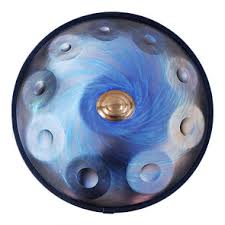






 The Harmonious Sound Journey