Julie Jewels Smoot is a sound alchemist, energy worker, and healer. In this poem, she explores the power of the energy warrior.
The energy warrior is a force to be reckoned with.
They are brave and strong, and they never give up.
Their power is immense, and they are always fighting for what is right. Their energy is contagious, and they are always making a difference.
Their love is boundless, and they are always there for those who need them. So, if you ever need someone to fight for you, or if you ever need a friend, look to the energy warrior.
They will never let you down.
Julie Jewels Smoot’s poetic offering of “The Power of the Energy Warrior” intentionally explores the idea of activating our inner warrior and recognizing the strength in rebelling against limitations.
The poem is a call to action for every individual to free themselves from their emotional and psychological enslavement. The heart of the poem is the emotional power of the energy warrior. The poem summons us to use the strength of the warrior to move through our emotional blockages and access higher realms of understanding and consciousness.
The poem brings to life the idea of embracing the dark and light sides of our nature—the hero’s journey—and utilizing the power of the warrior to transform our lives.
The poem begs us to engage with our emotional and spiritual selves to access the power of the energy warrior. Julie’s words are a reminder that we must take responsibility for our lives and boldly declare our dreams. We can become the heroes of our lives and overcome our emotional and psychological slavery by embracing our inner energy warriors.
The Power of the Energy Warrior is a beautiful reminder that security, wealth, and power in life come from within and that our greatest strength lies in bringing our gifts to the world. The poem speaks to the strength, determination, and tenacity of the energy warrior.
The poem speaks to the strength, determination, and tenacity of the energy warrior, emphasizing that spiritual and emotional power are just as essential as physical power. The poem also serves as a reminder of the spirit of rebellion and resilience that is found in each of us. Julie’s words emphasize that we can all unlock our inner source of strength and find powerful allies in ourselves along the way.
The poem powerfully calls to us to access the power of the energy warrior by addressing our fears and limitations head-on. We can rise and transform our lives by refusing to settle for anything less than the best versions of ourselves. Julie’s poetic language conveys the importance of activating our spirit and embracing our full power and strength.
Julie Jewels Smoot’s beautiful poem is a gentle reminder of the heroism that lies within us as we courageously face our fear and limitations. We can use the power of the energy warrior to move beyond our lack of self-confidence and uncover the true strength and power that resides deep within us.
Hand pan meditation is a powerful and unique practice that can enhance your overall well-being. The soothing and melodic tones of the hand pan instrument create a meditative atmosphere that promotes relaxation, stress reduction, and mental clarity. This guided meditation will take you on a journey of self-discovery and inner peace, allowing you to tap into the healing power of music. So find a quiet and comfortable space, close your eyes, and let the enchanting sounds of the hand pan guide you to a state of deep relaxation and tranquility.
Understanding the benefits of meditation for well-being
Meditation has long been recognized for its numerous benefits in promoting overall well-being. From reducing stress and anxiety to improving focus and mental clarity, meditation offers a wide range of advantages for both our physical and mental health.
Hand pan meditation, in particular, takes this practice to a whole new level. The mesmerizing tones of the hand pan instrument create a unique and captivating meditative experience. As you allow yourself to be immersed in the soothing sounds, you can feel your stress melt away and your mind becoming more calm and centered.
Moreover, hand pan meditation helps in cultivating a sense of mindfulness and presence. By focusing on the melodies and rhythms of the instrument, you are able to shift your attention away from external distractions and into the present moment. This brings about a greater sense of clarity and peace.
In the next section, we will explore in more detail the specific ways in which hand pan meditation can enhance your well-being. Stay tuned!
The power of Hand Pan Meditation
Hand pan meditation has the power to transform your well-being in profound ways. Not only does it provide a soothing and calming experience, but it also has numerous physical and mental benefits.
Firstly, hand pan meditation has been shown to reduce stress levels. The melodic tones of the instrument stimulate the parasympathetic nervous system, which helps activate the body’s relaxation response. This leads to a decrease in cortisol levels and a sense of overall calmness and serenity.
Secondly, hand pan meditation improves focus and concentration. By allowing yourself to fully immerse in the rhythmic sounds and melodies, you train your mind to stay present and focused. This enhances your ability to concentrate on tasks and activities in your daily life.
Additionally, hand pan meditation promotes emotional well-being. The soothing tones of the instrument have a profound impact on our emotions, helping to alleviate feelings of anxiety and depression. It also stimulates the release of endorphins, the body’s natural feel-good hormones, promoting a sense of happiness and contentment.
In the next section, we will delve deeper into the transformative effects of hand pan meditation on mental, emotional, and physical well-being. Stay tuned to discover how this practice can enrich your life!
Choosing the right Hand Pan for your meditation practice
Now that we have explored the immense benefits of hand pan meditation, let’s discuss the importance of choosing the right instrument for your practice. The market offers a wide range of hand pans, each with their unique characteristics and qualities.
When selecting a hand pan, consider the scale or tuning that resonates with you the most. Each scale produces different emotions, so it’s essential to choose one that aligns with your desired meditation experience. Whether you prefer a soothing, gentle sound or a more vibrant and energizing tone, there is a hand pan for every individual preference.
Additionally, the craftsmanship and material of the hand pan are crucial factors to consider. Look for instruments made with high-quality steel, as this ensures durability and resonance. Pay attention to the design and craftsmanship, as they can add to the overall aesthetics and enhance your connection with the instrument.
Lastly, take the time to play and experience different hand pans before making your final decision. Attend workshops or visit musical instrument stores to get a feel for the instruments and find the one that resonates with you on a deeper level.
Choosing the right hand pan for your meditation practice can greatly enhance your overall experience and ensure that you reap the maximum benefits from your sessions. In the next section, we will explore various techniques and practices that can augment your hand pan meditation journey. Stay tuned for an enlightening exploration into deepening your connection with this beautiful instrument.
Creating a dedicated space for your Hand Pan Meditation
In order to fully immerse yourself in the practice of hand pan meditation, it is important to create a dedicated space that promotes relaxation and mindfulness. Having a designated area for your meditation practice can make a significant difference in the quality of your sessions.
First, find a quiet and peaceful corner of your home where you can set up your hand pan and any additional meditation props or accessories that you may have. This space should be free from distractions and allow you to focus solely on your practice.
Consider the lighting in your meditation space. Soft, warm lighting can create a soothing ambiance that supports a calm and tranquil atmosphere. You may want to use dimmable lights or candles to create a more intimate setting.
It is also beneficial to decorate your meditation space with elements that inspire tranquility and serenity. Incorporate items such as plants, crystals, or meaningful artwork to cultivate a sense of peace and mindfulness.
Lastly, make your meditation space comfortable and inviting. Use cushions or a meditation chair to support your posture and ensure a relaxed position during your practice. Consider adding a cozy blanket or shawl for added comfort.
By creating a dedicated space for your hand pan meditation, you are not only setting the stage for a more focused and fulfilling practice but also signaling to yourself the importance and value you place on this time for personal well-being. Stay tuned for the next section, where we will explore techniques to deepen your connection with the hand pan and enhance your meditation experience even further.
Incorporating Hand Pan Meditation into your daily routine
Now that you have created a dedicated space for your hand pan meditation, it’s time to explore how you can integrate this practice into your daily routine. Consistency is key when it comes to reaping the benefits of meditation, and finding a routine that works for you will help ensure that you make time for this valuable practice.
Start by determining the best time of day for your meditation sessions. Some individuals prefer to meditate first thing in the morning, while others find that an evening session helps them unwind and relax before bed. Experiment with different times and listen to your body to find the optimal time for you.
Next, consider the duration of your meditation sessions. Start with shorter sessions, such as 5-10 minutes, and gradually increase the duration as you become more comfortable. Remember, it’s not about the length of the session, but the quality of your presence and focus.
To make your hand pan meditation a daily habit, set a specific time in your schedule dedicated to this practice. Treat it as you would any other important appointment and prioritize it accordingly. You can set reminders on your phone or use calendar notifications to help you stay accountable.
As you incorporate hand pan meditation into your daily routine, allow yourself to fully immerse in the experience. Explore different hand pan melodies, experiment with various techniques, and let your body and mind connect with the soothing vibrations of the instrument. Embrace this time as an opportunity to nourish your well-being and find inner peace.
In the next section, we will delve into the incredible benefits of hand pan meditation on your physical and mental health. Stay tuned and discover how this practice can transform your overall well-being.
Finding guidance and support for your Hand Pan Meditation journey
Embarking on a new meditation practice can feel both exciting and daunting. Thankfully, there are resources available to support you on your Hand Pan Meditation journey. Whether you are a beginner or looking to deepen your practice, finding guidance and support from experienced practitioners can be invaluable.
One option is to seek out local meditation groups or studios that offer Hand Pan Meditation classes or workshops. Connecting with like-minded individuals can provide a sense of community and encouragement as you navigate your meditation practice. Additionally, attending guided sessions led by experienced teachers can help you refine your technique and deepen your understanding of the practice.
If you prefer a more individualized approach, you may consider working with a meditation coach or teacher one-on-one. This personalized guidance allows for tailored instruction and the opportunity to address any specific challenges or questions you may have.
Another avenue to explore is the vast array of online resources available. From guided meditation videos to written guides and tutorials, the internet offers a wealth of information and support for Hand Pan Meditation. Virtual communities and forums provide a platform to connect with fellow practitioners, share experiences, and seek advice.
Remember, finding guidance and support is not only about learning the “right” technique but also about fostering a sense of connection and accountability. Having someone to share your journey with can help inspire and motivate you to stay committed to your Hand Pan Meditation practice.
In the next section, we will discuss the profound impact Hand Pan Meditation can have on reducing stress and promoting overall well-being. Stay tuned to discover the transformative effects of this beautiful practice.
Embracing the transformative effects of Hand Pan Meditation
Once you have found guidance and support on your Hand Pan Meditation journey, you can begin to experience the profound impact this practice can have on your overall well-being. In today’s fast-paced world, stress has become a constant companion for many of us. The good news is that Hand Pan Meditation offers a powerful antidote to the pressures of everyday life.
When you surrender yourself to the soothing sounds of the hand pan, you allow your mind to enter a state of deep relaxation. As the notes reverberate within you, they have the remarkable ability to quiet the incessant chatter of the mind and induce a sense of calm and tranquility.
Regular practice of Hand Pan Meditation can help reduce stress levels and promote a more balanced emotional state. It allows you to cultivate mindfulness, enabling you to be fully present in the here and now, free from the worries of the past or anxieties about the future.
Moreover, Hand Pan Meditation has been shown to have a positive impact on physical health. The deep relaxation induced by the hand pan’s resonant tones can help reduce blood pressure, alleviate muscle tension, and promote better sleep. It is truly a holistic practice that nurtures both the mind and body.
In the next section, we will explore the spiritual benefits of Hand Pan Meditation and how it can deepen your connection with yourself and the world around you. Prepare to embark on a journey of self-discovery and transcendence through the gift of hand pan meditation.
Embrace the gift of Hand Pan Meditation for enhanced well-being
In today’s section, we will delve into the ways in which Hand Pan Meditation can enhance your overall well-being. With its ability to reduce stress, cultivate mindfulness, and promote physical health, this practice truly offers a gift to those who embrace it.
One of the most remarkable benefits of Hand Pan Meditation is its ability to reduce stress levels and promote a more balanced emotional state. By immersing yourself in the soothing sounds of the hand pan, you can quiet the incessant chatter of the mind and enter a state of deep relaxation. This sense of calm and tranquility not only helps you cope with the pressures of everyday life but also gives you the space to nurture your emotional well-being.
In addition, Hand Pan Meditation allows you to cultivate mindfulness. By focusing your attention on the resonant tones and vibrations of the hand pan, you can be fully present in the here and now. This mindfulness practice frees you from the worries of the past or anxieties about the future, allowing you to experience a greater sense of peace and contentment.
Furthermore, Hand Pan Meditation has been shown to have a positive impact on physical health. The deep relaxation induced by the hand pan’s resonant tones can help reduce blood pressure, alleviate muscle tension, and promote better sleep. By taking care of your physical well-being, you are better equipped to navigate the challenges of daily life.
In the next section, we will explore the spiritual benefits of Hand Pan Meditation and how it can deepen your connection with yourself and the world around you. Prepare to embark on a journey of self-discovery and transcendence through the gift of hand pan meditation.
mindfulness concept, mindful living, text written on the sand of beach
The Importance of Mindfulness Techniques in Sound Bath and Guided Meditation Practice
Are you looking to enhance your sound bath and guided meditation practice? Look no further! In this blog, we will explore mindfulness techniques specifically designed to optimize relaxation during your sound bath and guided meditation sessions. Whether you are new to these practices or a seasoned practitioner, these techniques will help you deepen your experience and find peace, harmony, and transformation within. Join us on this journey of self-love, self-healing, and self-compassion as we delve into the world of mindful sound baths and guided meditation. Let’s create a space of tranquility and find optimal relaxation together.
Understanding the Benefits of Sound Bath and Guided Meditation for Relaxation
Before we dive into the techniques that will help enhance your sound bath and guided meditation practice, let’s take a moment to explore the incredible benefits of these practices for relaxation.
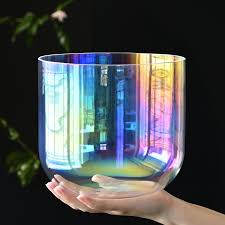
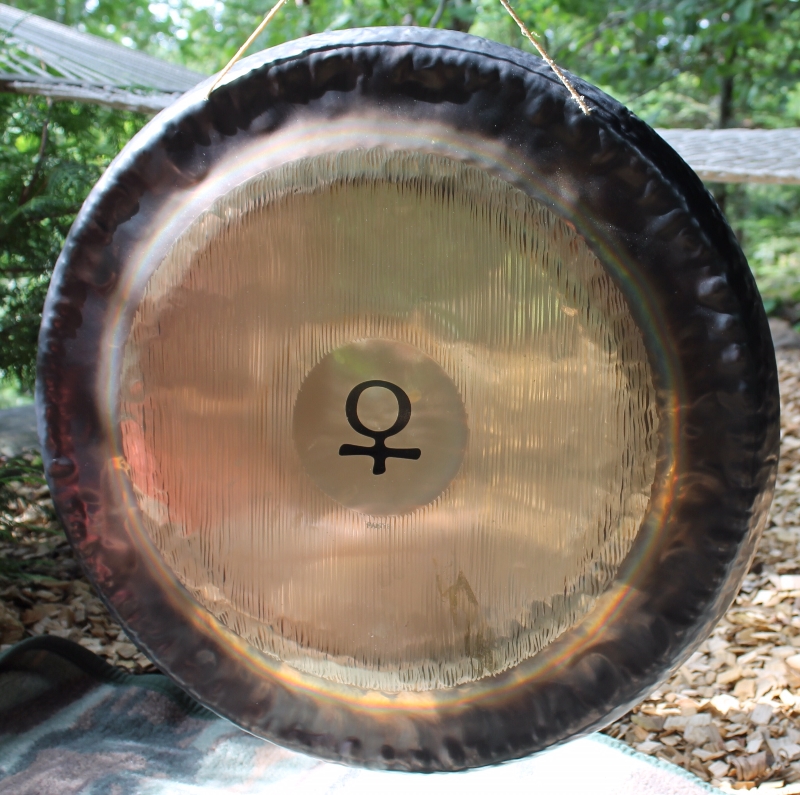
Sound baths, often using instruments like crystal bowls or gongs, create a soothing and immersive auditory experience that helps calm the mind and relax the body. The vibrations from the instruments can gently massage your cells, releasing tension and promoting deep relaxation.
Guided meditation, on the other hand, offers a structured approach to relaxation by guiding your focus and attention. It allows you to quiet your thoughts, reduce stress, and achieve a state of inner calm and peace.
When combined, sound baths and guided meditation offer a powerful tool for relaxation. Not only do these practices allow you to disconnect from the outside world and find solace within, but they also have numerous physical and mental health benefits.
Sound baths and guided meditation have been shown to reduce anxiety, improve sleep quality, enhance concentration, and boost overall well-being. They can also help manage chronic pain, lower blood pressure, and reduce symptoms of depression.
In our next blog section, we will delve into specific mindfulness techniques that can amplify the benefits of your sound bath and guided meditation practice. Stay tuned for practical tips that will take your relaxation journey to new heights.
Exploring Mindfulness Techniques to Enhance Your Practice
Now that we understand the incredible benefits of sound bath and guided meditation for relaxation, it’s time to explore mindfulness techniques that can take your practice to the next level. These techniques will not only help deepen your relaxation experience but also foster a greater sense of awareness and presence.
1. Breath Awareness: One of the fundamental aspects of mindfulness is focusing on your breath. During your sound bath or guided meditation session, pay attention to each inhale and exhale. Notice the sensation of your breath entering and leaving your body. This simple technique can help anchor you in the present moment and calm the mind.
2. Body Scan: A body scan is an excellent way to cultivate body awareness and relaxation. Start by bringing your attention to your toes and gradually move up through every part of your body, noticing any sensations or areas of tension. As you scan each body part, consciously release any tension you may be holding, allowing a deep sense of relaxation to wash over you.
3. Non-Judgmental Awareness: Mindfulness is about observing without judgment. As you engage in your sound bath or guided meditation practice, notice any thoughts or emotions that arise, and let them pass without attaching any judgment or importance to them. Simply observe and bring your attention back to the present moment and the sounds or guided meditation.
By incorporating these mindfulness techniques into your sound bath and guided meditation practice, you can enhance your relaxation experience and reap even greater benefits for your overall well-being. Stay tuned for the next section, where we’ll explore more ways to optimize your practice for optimal relaxation.
a. Breathing Techniques for Deep Relaxation
In our previous section, we discussed the importance of breath awareness in enhancing your sound bath and guided meditation practice. Now, let’s delve deeper into specific breathing techniques that can further enhance your relaxation experience.
1. Deep Belly Breathing: This technique involves taking slow, deep breaths, filling your belly with air. As you inhale, allow your belly to expand fully, and as you exhale, feel your belly contract. Deep belly breathing encourages relaxation by activating the body’s natural relaxation response and slowing down the breath, signaling to your body and mind that it’s time to let go of tension and stress.
2. Progressive Muscle Relaxation Breathing: This technique combines deep breathing with progressive muscle relaxation. Start by taking a deep breath in, and as you exhale, tense your muscles in one area of your body, such as your shoulders or hands. Then, as you inhale, release that tension, allowing your muscles to relax. Move on to another area and repeat the process. This technique helps release physical tension and creates a deeper sense of relaxation throughout your entire body.
Practicing these breathing techniques during your sound bath or guided meditation sessions can help you achieve a state of deep relaxation and calmness. In the next section, we’ll explore visualization techniques that can further enhance your practice. Stay tuned!
b. Body Scan Meditation for Increased Awareness
In our quest for optimal relaxation during sound baths and guided meditation, it is crucial to cultivate a heightened awareness of our bodies. Body scan meditation is a powerful technique that can assist us in achieving this state of increased awareness.
During body scan meditation, you slowly move your attention through different parts of your body, observing any sensations or tensions that arise. By mindfully scanning your body from head to toe, you become more attuned to its subtle signals and can address areas of tension or discomfort.
To start, find a comfortable position and close your eyes. Begin by focusing your attention on your breath, allowing yourself to relax into the present moment. Then, slowly direct your awareness to your feet, noticing any sensations or feelings in this area. Move your attention gradually up your legs, hips, abdomen, chest, arms, hands, neck, and head, pausing at each area to observe any physical sensations.
With practice, body scan meditation can help you become more attuned to your body’s needs and promote a deeper sense of relaxation. In the next section, we will explore the power of affirmations in enhancing your sound bath and guided meditation practice. Stay tuned!
c. Cultivating Non-Judgmental Presence through Mindful Observation
In our journey to enhance our sound bath and guided meditation practice, it is essential to cultivate a non-judgmental presence through mindful observation. Often, our minds wander, passing judgments or labeling our thoughts and feelings as good or bad. This can hinder our ability to fully relax and experience the benefits of these practices.
Mindful observation involves observing our thoughts, emotions, and sensations without judgment or attachment. It encourages us to develop a curious and compassionate attitude towards our inner experiences, allowing them to come and go without clinging to them.
To practice mindful observation, start by finding a quiet and comfortable space to sit or lie down. Close your eyes and bring your attention to your breath, anchoring yourself in the present moment. As thoughts, emotions, or sensations arise, simply observe them without getting caught up in them. Notice the quality, intensity, and duration of these experiences, letting them pass through your awareness like clouds drifting across the sky.
By cultivating non-judgmental presence through mindful observation, we can deepen our relaxation and open ourselves to a more profound sense of peace and tranquility. In the upcoming section, we will explore the benefits of visualization techniques in enhancing your sound bath and guided meditation practice. Stay tuned for more!
Integrating Mindfulness into Sound Bath and Guided Meditation Sessions
Now that we have discussed the importance of cultivating non-judgmental presence through mindful observation, let’s explore how we can integrate mindfulness into our sound bath and guided meditation sessions for optimal relaxation.
One way to enhance mindfulness during these practices is by incorporating breath awareness. The breath serves as an anchor, bringing us back to the present moment whenever our minds wander. As you engage in a sound bath or guided meditation, pay close attention to the sensation of each inhale and exhale. Notice how the breath fills your body and the subtle changes that occur with each breath.
Another technique to deepen mindfulness is body scan meditation. During a sound bath or guided meditation, bring your awareness to different parts of your body, starting from the top of your head and gradually moving down to your toes. Pay attention to any sensations or areas of tension, allowing yourself to release physical and mental stress.
Additionally, you can incorporate mindful movement into your practice. Before or after a sound bath or guided meditation, engage in gentle stretches or yoga poses, focusing on the sensations in your body as you move. This helps bring mindfulness into your physical experience and enhances the mind-body connection.
By integrating mindfulness techniques into your sound bath and guided meditation sessions, you can take your relaxation to the next level. In the next section, we will explore the power of affirmations and positive self-talk in amplifying the benefits of these practices. Stay tuned!
a. Creating a Calm and Serene Environment
Creating a Calm and Serene Environment
In order to fully immerse yourself in a sound bath or guided meditation session, it is essential to create a calm and serene environment. By setting the stage for relaxation, you can enhance the effectiveness of these practices and deepen your mindfulness experience.
First and foremost, find a quiet and comfortable space where you can practice without any distractions. Clear the area of any clutter or visual stimuli that may draw your attention away from the present moment. Consider softening the lighting or using candles to create a soothing ambiance.
Next, choose an environment that supports relaxation. If possible, practice in a space that is naturally tranquil, such as a peaceful garden or a quiet room in your home. If you’re practicing indoors, consider using aromatherapy diffusers or scented candles to create a soothing scent in the room. Experiment with different essential oils like lavender or chamomile, known for their calming properties.
Additionally, consider incorporating elements of nature into your environment. You can bring in plants or flowers to create a sense of connection with the natural world. The soothing sound of a small water fountain or a nature-inspired background music playlist can also contribute to a serene atmosphere.
By intentionally creating a calm and serene environment for your sound bath and guided meditation practice, you are setting the stage for ultimate relaxation. In the next section, we will delve into the power of journaling as a tool for reflection and self-discovery during these practices. Stay tuned!
b. Choosing the Right Music and Instruments for Optimal Relaxation
Once you have created the perfect environment for your sound bath and guided meditation practice, the next step is to choose the right music and instruments to enhance your relaxation experience. The sounds you surround yourself with can have a profound impact on your state of mind and overall well-being.
When selecting music, opt for calming and soothing melodies that promote a sense of tranquility and inner peace. Look for instrumental tracks that feature gentle and repetitive rhythms, as well as nature-inspired sounds like flowing water or birdsong. The key is to choose music that resonates with you and helps you enter a deep state of relaxation.
In addition to music, consider incorporating various instruments into your practice. Popular choices include singing bowls, crystal bowls, chimes, and gongs. Each instrument produces unique vibrations that can help to balance the chakras and induce a meditative state. Experiment with different instruments to find the ones that resonate with you and enhance your relaxation experience.
Remember, the goal is to create a harmonious blend of sounds that facilitate deep relaxation and mindfulness. In the next section, we will explore the benefits of incorporating breathwork techniques into your sound bath and guided meditation practice. Stay tuned for valuable insights on how to take your relaxation journey to the next level.
c. Incorporating Visualizations and Affirmations for Deeper Connection
Once you have created the perfect environment and chosen the right music and instruments for your sound bath and guided meditation practice, you can further enhance your experience by incorporating visualizations and affirmations. Visualizations involve the use of mental imagery to create a relaxing and calming scene in your mind’s eye. Close your eyes and imagine yourself surrounded by nature, or visualize a peaceful and healing energy flowing through your body.
Affirmations, on the other hand, are positive statements that you repeat to yourself during your practice. These affirmations can be tailored to your specific needs and can help to counter any negative thoughts or beliefs that may arise. For example, you can repeat affirmations like “I am calm and at peace” or “I am worthy of relaxation and self-care”.
By incorporating visualizations and affirmations into your practice, you can cultivate a deeper sense of connection with yourself and your surroundings, further amplifying the relaxation and mindfulness experienced during your sound bath and guided meditation. In the next section, we will explore the role of breathwork techniques in promoting optimal relaxation and mindfulness. Stay tuned for valuable insights on how to deepen your relaxation journey even further.
Practicing Self-Care and Maintaining Consistency in Your Mindfulness Practice
Practicing self-care and maintaining consistency in your mindfulness practice are crucial aspects of enhancing your sound bath and guided meditation experience. It is important to prioritize yourself and your well-being by setting aside dedicated time for your practice regularly.
Consider creating a schedule or incorporating your practice into your daily routine to ensure that it becomes a consistent habit. This will help you to reap the full benefits of mindfulness, such as reduced stress and enhanced relaxation.
Additionally, practicing self-care goes beyond your meditation sessions. It involves taking care of your physical, mental, and emotional health. This can include activities such as engaging in regular exercise, eating nourishing foods, getting enough sleep, and engaging in activities that bring you joy and relaxation.
Remember that self-care looks different for everyone, so it is important to find what works best for you. By prioritizing self-care and maintaining consistency in your mindfulness practice, you will create a solid foundation for optimal relaxation and well-being. In the following section, we will discuss the importance of finding a mindful community and the benefits it can bring to your practice. Stay tuned for more valuable insights on enhancing your sound bath and guided meditation journey.
Seeking Professional Guidance and Support in Enhancing Your Sound Bath and Guided Meditation Practice
Seeking professional guidance and support can greatly enhance your sound bath and guided meditation practice. While practicing mindfulness on your own is beneficial, working with a qualified instructor or therapist can take your practice to a whole new level.
A professional can offer personalized guidance and tailor their approach to meet your specific needs and goals. They can help you deepen your practice, learn new techniques, and provide valuable feedback to ensure proper alignment and focus.
Furthermore, working with a professional can help you navigate any challenges or obstacles that may arise during your practice. They can provide support and guidance to help you overcome any mental or emotional barriers that may be inhibiting your relaxation and well-being.
Whether it’s attending workshops, seeking one-on-one sessions, or joining a group class, investing in professional guidance and support can be a transformative experience. It allows you to tap into the expertise of someone who has dedicated their career to helping others find peace and relaxation through mindfulness.
In the next section, we will explore the benefits of incorporating breathing exercises into your sound bath and guided meditation practice. Stay tuned for more valuable insights on enhancing your mindfulness techniques for optimal relaxation.
Embracing Mindfulness Techniques for Optimal Relaxation in Sound Bath and Guided Meditation
In conclusion, embracing mindfulness techniques in your sound bath and guided meditation practice can bring about incredible benefits for your overall relaxation and well-being. By seeking professional guidance and support, you can take your practice to the next level and truly optimize the benefits you receive.
Working with a qualified instructor or therapist allows you to receive personalized guidance tailored to your specific needs and goals. They can help you deepen your practice, teach you new techniques, and provide valuable feedback to ensure you are aligned and focused.
Incorporating breathing exercises into your practice is one effective technique that can enhance your relaxation experience. By focusing on your breath, you can cultivate a sense of calm and deep relaxation throughout your entire body. This technique can help you release stress, quiet your mind, and fully embrace the present moment.
So, if you’re looking to enhance your sound bath and guided meditation practice, consider investing in professional guidance, and explore the benefits of incorporating breathing exercises. By doing so, you can embark on a journey towards optimal relaxation and well-being.
Stay tuned for more valuable insights on mindfulness techniques in our future blog posts.
In our fast-paced and chaotic world, finding inner peace and self-love can seem like an elusive goal. But with the power of meditation, you can unlock a sense of tranquility and compassion that will transform your life. Through the simple act of sitting in stillness and focusing on your breath, meditation can help you tap into a deep well of self-healing and nurturing. In this article, we will explore the transformative power of meditation and how it can bring you inner peace, self-love, and a renewed sense of compassion. So take a deep breath, settle into a comfortable position, and join us on this journey of self-discovery and transformation through meditation.
Meditation is not just a trendy practice; it has been scientifically proven to have numerous benefits for our mental and emotional well-being. When it comes to finding inner peace, meditation is an invaluable tool. Regular meditation practice has been shown to reduce stress, anxiety, and depression, while increasing feelings of calmness, contentment, and overall happiness.
By quieting the mind and focusing on the present moment, meditation helps us detach from the chaos of daily life and find a sense of inner stillness. This stillness allows us to connect with our true selves, cultivate self-love, and develop a deep sense of compassion for ourselves and others.
Moreover, through consistent meditation practice, we can train our minds to let go of negative thoughts and self-criticism, thereby fostering a greater sense of self-acceptance and self-compassion. It is through this self-love and compassion that we can truly unlock the power of inner peace.
In the next section, we will delve deeper into the specific ways in which meditation can benefit us in our journey toward inner peace and self-love. Stay tuned to discover the incredible potential that lies within you, waiting to be awakened through the practice of meditation.
In the previous section, we discussed how meditation can help us find inner peace and develop self-love and compassion. Now, let’s take a closer look at what exactly self-love and compassion mean in the context of our personal growth and well-being.
Self-love is the practice of accepting and nurturing oneself unconditionally. It involves treating yourself with kindness, patience, and understanding, just as you would treat a loved one. It is about recognizing your own worth, embracing your strengths and weaknesses, and embracing the uniqueness of who you are.
Compassion, on the other hand, is the ability to empathize and show understanding towards ourselves and others. It involves extending kindness and forgiveness, not only to others but also to ourselves. Cultivating self-compassion means treating ourselves with the same level of care, understanding, and forgiveness we would extend to a close friend or family member.
Together, self-love and compassion form a powerful combination that allows us to navigate through life with grace and resilience. They enable us to let go of self-judgment and criticism, and instead, cultivate a mindset of self-acceptance, understanding, and unconditional love.
In the upcoming section, we will explore different meditation techniques that can help us cultivate self-love and compassion in our daily lives. Stay tuned to discover practical ways to incorporate these practices into your meditation routine and unlock the transformative power within.
How Meditation Can Cultivate Self Love and Compassion
In this section, we will explore how meditation can specifically cultivate self-love and compassion within us. By incorporating certain meditation techniques into our daily practice, we can unlock the transformative power of these qualities and experience greater inner peace and well-being.
One technique that can promote self-love and compassion is Loving-Kindness Meditation, also known as Metta Meditation. This practice involves directing well wishes towards ourselves and others. By repeating phrases such as “May I be happy, may I be healthy, may I be safe, may I live with ease,” we generate feelings of love, kindness, and compassion towards ourselves and extend these same sentiments towards others.
Another technique to cultivate self-love and compassion is Self-Compassion Meditation. This practice helps us develop awareness and understanding of our own suffering and challenges. By acknowledging our pain and offering ourselves kindness and compassion, we can heal and nurture ourselves.
By dedicating time to these meditation practices regularly, we can strengthen our self-love and compassion. These qualities will then naturally flow into our interactions with others, fostering empathy, understanding, and a greater sense of connectedness.
In the next section, we will delve deeper into the step-by-step process of these meditation techniques, providing practical guidance on how to incorporate them into your daily routine. Stay tuned for valuable insights and tips on unlocking the full potential of self-love and compassion through meditation.
Techniques for Incorporating Meditation into Your Daily Routine
In this section, we will delve deeper into the step-by-step process of incorporating meditation techniques for self-love and compassion into your daily routine. By following these techniques, you can enhance your practice and reap the full benefits of inner peace and well-being.
1. Start with a daily commitment: Set aside a specific time each day dedicated to your meditation practice. Whether it’s in the morning or before bed, consistency is key to developing a habit.
2. Create a peaceful environment: Find a quiet and comfortable space where you can meditate without distractions. Dim the lights, light a candle, or play soothing music to set the mood for relaxation.
3. Begin with mindfulness meditation: Start your practice by focusing on your breath and bringing your attention to the present moment. Allow any thoughts or distractions to come and go without judgment.
4. Practice Loving-Kindness Meditation: Use the phrases “May I be happy, may I be healthy, may I be safe, may I live with ease” as a mantra. Repeat this to yourself as you cultivate feelings of love and kindness towards yourself and extend them to others.
5. Engage in Self-Compassion Meditation: Reflect on any challenges or pain you may be facing and offer yourself kindness and compassion. Recognize that suffering is a part of being human and treat yourself with the same empathy you would offer to a loved one.
By incorporating these techniques into your daily routine, you can harness the power of meditation for self-love and compassion. In the following section, we will explore additional tips and techniques to deepen your practice and maximize the transformative potential of these qualities. Stay tuned for a more profound understanding of how meditation can unlock your inner peace and well-being.
Overcoming Challenges in Meditation Practice
In any journey towards self-love and compassion, challenges are inevitable. In this section, we will discuss common obstacles that may arise during your meditation practice and offer strategies to overcome them.
One challenge you may encounter is a restless mind. It is natural for thoughts to surface during meditation, but allowing them to dominate can hinder your progress. To address this, gently acknowledge the thoughts without judgement and redirect your focus back to your breath or chosen point of attention.
Another obstacle is finding time for meditation in your busy schedule. Remember, even just a few minutes of daily practice can make a difference. Consider waking up a few minutes earlier or utilizing break times during the day to squeeze in a meditation session.
Physical discomfort is also a common challenge. If you experience discomfort in your body during meditation, make necessary adjustments, such as using a cushion or chair for support. Experimenting with different postures can also help find a position that suits you best.
Lastly, maintaining motivation can be difficult, especially when you don’t see immediate results. Remind yourself of your intention and the long-term benefits of cultivating self-love and compassion. Celebrate small wins and acknowledge that progress takes time.
By acknowledging and addressing these challenges as they arise, you can cultivate resilience and continue on your path towards unlocking inner peace, self-love, and compassion. In the next section, we will explore advanced meditation techniques to deepen your practice and enhance your connection with yourself and others. Stay tuned for deeper insights into the transformative power of meditation.
Embracing a Mindful Lifestyle Beyond Meditation
After overcoming the initial obstacles in your meditation practice, it’s time to explore the next step in your journey towards self-love and compassion. While meditation is a powerful tool, its true impact lies in how it influences our daily lives. In this section, we will delve into the concept of embracing a mindful lifestyle beyond meditation.
Implementing mindfulness in your everyday activities allows you to fully integrate the lessons learned during your meditation practice into your daily routine. By cultivating awareness and staying present in each moment, you can develop a greater sense of self-love and compassion towards yourself and others.
One way to embrace a mindful lifestyle is to bring conscious attention to your daily routines. Whether it’s brushing your teeth, having a meal, or taking a shower, approach these activities with a sense of presence and gratitude. By doing so, you can heighten your awareness of the simple joys and find moments of peace throughout the day.
Additionally, practicing mindfulness in your interactions with others is key to fostering compassion and understanding. By truly listening and being fully present with those around you, you can cultivate deeper connections and create a more compassionate and loving environment.
Furthermore, being mindful of your thoughts and emotions is crucial in developing self-love and compassion. Notice any self-critical or negative thoughts that arise and replace them with kind and loving affirmations. Allow yourself to feel and acknowledge your emotions without judgment, offering yourself the same compassion you would to a loved one.
By embracing a mindful lifestyle, you can unlock a deeper sense of self-love and compassion that extends far beyond your meditation practice. Stay tuned for the next section, where we’ll explore the transformative effects of compassion meditation and how it can further enhance your journey towards inner peace and self-love.
Nurturing Inner Peace and Compassion through Meditation
In conclusion, by embracing a mindful lifestyle and integrating mindfulness into your daily activities, interactions with others, and your thoughts and emotions, you can nurture inner peace and compassion. The power of meditation lies not only in the time spent on the cushion but also in how it translates into your everyday life. Remember to approach your daily routines with presence and gratitude, mindfully engage with others, and replace self-critical thoughts with loving affirmations. Allow yourself to feel and acknowledge your emotions without judgment, extending the same compassion you offer to others. Through these practices, you can unlock a deeper sense of self-love and compassion that will contribute to your journey towards inner peace and a more fulfilling life. Stay tuned for our final section, where we will explore the transformative effects of compassion meditation and how it can enhance your ongoing journey.















 The Harmonious Sound Journey