
Post Traumatic Stress (PTS) is a serious condition that affects many individuals, including Navy Veteran and Sound Alchemist Julie Jewels Smoot. After experiencing trauma from being raped six times, Julie Jewels Smoot sought out alternative healing methods and discovered the power of sound. Through the vibrations of the Chiron Gong, Julie Jewels Smoot has found a unique and profound way to heal from her traumatic experiences. In this blog, we will explore the benefits of sound healing and how it can be a professional approach to healing post traumatic stress.
What is post-traumatic stress and how does it affect individuals?
Post-traumatic stress (PTS) is a psychological condition that occurs after a person has experienced or witnessed a traumatic event. It can affect anyone, regardless of age, gender, or background. The symptoms of PTS can vary, but commonly include recurring memories or nightmares of the traumatic event, avoidance of triggers that remind them of the trauma, heightened anxiety, and difficulty sleeping or concentrating.
The impact of PTS on individuals can be debilitating, affecting their daily life, relationships, and overall well-being. It can make it challenging to function in social settings, work environments, and even basic activities of daily living. This condition can lead to a range of physical, mental, and emotional symptoms, and it’s imperative to seek professional help for proper diagnosis and effective treatment.
In the next section, we will delve deeper into the specific ways in which post-traumatic stress affects individuals and explore how sound healing can offer a professional approach to healing this condition. Stay tuned to discover how the power of sound can bring relief and transformation to those struggling with post-traumatic stress.

The science behind sound healing and its impact on the body and mind
The practice of sound healing is rooted in the understanding that sound can have a profound impact on our bodies and minds. When we experience trauma, whether it’s a single event or ongoing stress, it can disrupt our energetic balance and create disharmony within us. Sound healing aims to restore that balance and promote healing.
Research has shown that certain frequencies and vibrations produced by sound can directly impact our nervous system, brain waves, and overall well-being. Sound therapy utilizes various techniques and instruments, such as Tibetan singing bowls, tuning forks, and vocal toning, to create specific frequencies that resonate with different parts of the body. These vibrations can help release tension, reduce anxiety, and promote a sense of relaxation and calm.
Moreover, sound healing can also have a positive effect on our brain chemistry. It has been found to stimulate the production of endorphins and decrease the levels of stress hormones like cortisol, providing both physical and psychological relief.
In the upcoming section, we will explore some of the different techniques and instruments used in sound healing and their specific therapeutic benefits. Keep reading to discover how the power of sound can be harnessed professionally to help individuals with post-traumatic stress find healing and transformation.

Professional techniques and approaches in sound healing for post-traumatic stress
In the realm of sound healing, there are various professional techniques and approaches that can be utilized to effectively address post-traumatic stress. These methods are specifically designed to provide targeted healing and support for individuals who have experienced trauma.
One notable technique is the use of binaural beats, which involves the presentation of two different frequencies to each ear. This creates a third frequency in the brain, known as the “binaural beat,” which can help induce a deep state of relaxation and promote healing. Research has shown that binaural beats therapy can significantly reduce symptoms of post-traumatic stress, including anxiety, hyperarousal, and intrusive thoughts.
Another professional approach involves the use of guided imagery and visualization. By combining soothing soundscapes with guided narratives, individuals can be guided through a healing journey that helps reprocess and heal traumatic memories. This technique allows individuals to safely confront their past experiences while providing a sense of support and empowerment.
Additionally, the use of specialized sound healing instruments, such as crystal singing bowls or gongs, can also be employed to help release tension and promote emotional release. These instruments produce powerful vibrations that can resonate deeply within the body, facilitating the release of stored trauma.
In the next blog section, we will delve deeper into these professional techniques and approaches, exploring how they can be applied in a therapeutic setting to facilitate healing and transformation for individuals with post-traumatic stress. Stay tuned to discover the profound impact that sound healing can have on the path to recovery.

Case studies and success stories in using sound healing for healing trauma
In the realm of sound healing for post-traumatic stress, it is valuable to examine case studies and success stories to gain a deeper understanding of the effectiveness of this approach. These real-world examples offer insight into the transformative power of sound healing in healing trauma.
Case study 1: Sarah, a survivor of a car accident, experienced severe anxiety and flashbacks as a result of her trauma. After undergoing a series of binaural beats therapy sessions, Sarah reported significant improvement in her symptoms. She experienced reduced anxiety levels, improved sleep patterns, and a greater sense of overall calmness.
Case study 2: John, a military veteran, suffered from debilitating post-traumatic stress disorder (PTSD) after his deployment. Guided imagery combined with soundscapes proved to be instrumental in his recovery journey. By visualizing peaceful scenes while listening to soothing sounds, John was able to reframe his traumatic memories and regain a sense of control over his emotions.
These case studies illustrate the power of sound healing techniques in facilitating healing and transformation for individuals with post-traumatic stress. By sharing these success stories, we hope to emphasize the potential that sound healing holds for those seeking relief from trauma. Join us in the upcoming blog section as we explore other impactful techniques in sound healing therapy.
Collaborating with healthcare professionals for a comprehensive healing approach
To ensure a comprehensive and effective healing approach, it is essential to collaborate with healthcare professionals when incorporating sound healing into trauma treatment. By working together, sound healers and healthcare professionals can provide a holistic approach that addresses both the physical and psychological aspects of post-traumatic stress.
Medical professionals, such as psychiatrists and psychologists, can provide important insights into the specific needs of individuals with trauma, helping to tailor sound healing interventions to their unique circumstances. They can also monitor progress and make evidence-based recommendations for integrating sound healing with other therapeutic modalities.
Additionally, healthcare professionals can educate their patients about sound healing, its potential benefits, and any potential risks or contraindications. This ensures that individuals seeking sound healing therapy are well-informed and can make empowered decisions regarding their treatment.
By combining the expertise of sound healers and healthcare professionals, we can create a collaborative and well-rounded approach to healing post-traumatic stress. In the next segment of our blog series, we will delve into the important role of healthcare professionals in sound healing therapy and explore how their involvement enhances the overall healing process. Stay tuned!
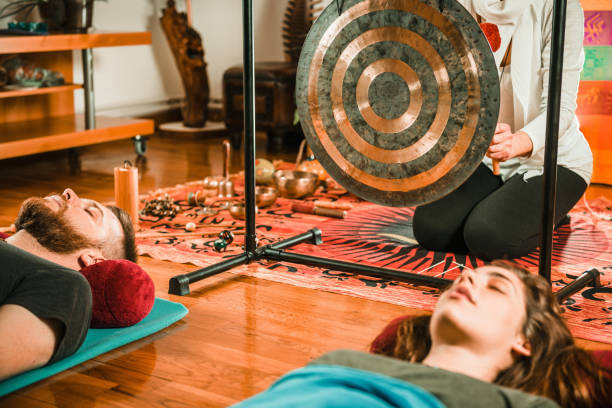
Creating a safe and supportive environment for sound healing sessions
Creating a safe and supportive environment is crucial for successful sound healing sessions, especially when working with individuals experiencing post-traumatic stress. This responsibility falls on both the sound healer and the healthcare professional involved in the treatment process.
Sound healers should ensure that the physical space is conducive to relaxation and healing. This may involve dimming the lights, using soft and comfortable cushions or chairs, and playing soothing music before the session begins. It is essential to minimize outside distractions, such as noise or interruptions, to create a serene atmosphere.
Healthcare professionals can contribute to the creation of a safe environment by being present and attentive during the session. Their role is to be a supportive presence, offering reassurance and guidance as needed. They may also assist in identifying any triggers or emotional reactions that arise during the session, providing the necessary support to navigate those experiences effectively.
In the upcoming blog section, we will explore specific techniques for creating a safe and supportive environment during sound healing sessions. Stay tuned as we dive deeper into the power of sound healing in the treatment of post-traumatic stress.
The importance of ongoing support and self-care for individuals with post-traumatic stress
The importance of ongoing support and self-care for individuals with post-traumatic stress cannot be overstated. Sound healing sessions can be incredibly powerful, but they are just one component of a comprehensive healing journey.
After a sound healing session, it is crucial for individuals with post-traumatic stress to have access to ongoing support. This can come in the form of therapy, counseling, or support groups specifically tailored to their needs. These resources provide a safe space for individuals to process their experiences, express their emotions, and receive guidance from trained professionals.
In addition to seeking external support, self-care practices are essential for individuals with post-traumatic stress. This may involve engaging in activities that bring joy and relaxation, such as spending time in nature, practicing mindfulness, or pursuing creative outlets. Taking care of one’s physical health through exercise, proper nutrition, and adequate rest is also crucial for overall well-being.
By prioritizing ongoing support and self-care, individuals with post-traumatic stress can continue their healing journey beyond sound healing sessions. In the next blog section, we will delve deeper into the various support avenues and self-care practices that can empower individuals to take control of their healing process. Stay tuned!
Harnessing the power of sound healing to transform lives
In conclusion, sound healing is a powerful tool that can greatly contribute to the healing journey of individuals with post-traumatic stress. However, it is important to recognize that sound healing is just one part of a comprehensive approach to healing. Ongoing support and self-care are crucial elements that should not be overlooked.
Seeking support through therapeutic interventions, counseling, or support groups tailored to the needs of individuals with post-traumatic stress is essential. These resources provide a safe space to process experiences, express emotions, and receive guidance from professionals who specialize in trauma.
Additionally, prioritizing self-care practices is vital for overall well-being. Engaging in activities that bring joy and relaxation, practicing mindfulness, and pursuing creative outlets can all contribute to healing. Taking care of one’s physical health through exercise, proper nutrition, and adequate rest is also crucial.
By embracing ongoing support and implementing self-care practices, individuals with post-traumatic stress can empower themselves to continue their healing journey beyond sound healing sessions. It is through this comprehensive approach that they can harness the true power of sound healing and transform their lives.
 The Harmonious Sound Journey