
In today’s fast-paced and stressful world, taking care of ourselves and cultivating self-love and self-compassion is more important than ever. Meditation has emerged as a powerful tool to achieve this, allowing us to find inner peace, balance, and a deep sense of self-acceptance. Guided meditation and mindfulness practices have proven to be effective in promoting self-love and self-compassion, as they help us connect with our inner selves and foster a greater sense of appreciation and kindness towards ourselves. In this blog, we will explore the key benefits of meditation for self-love and self-compassion, and provide practical tips and techniques to incorporate meditation into your daily routine.
The Importance of Self-Love and Self-Compassion in Today’s Busy World
In today’s fast-paced and demanding world, it’s easy to get caught up in the hustle and forget to prioritize our own well-being. However, the importance of self-love and self-compassion cannot be emphasized enough, especially in times of stress. When we love and accept ourselves unconditionally, we are better equipped to handle challenges and setbacks with grace and resilience.
Self-love and self-compassion go hand in hand with meditation. As we sit in stillness and silence, we create a space within ourselves to listen to our needs and desires. We become more attuned to our emotions and thoughts, allowing us to respond to ourselves with kindness and understanding.
Practicing self-love and self-compassion through meditation also helps us cultivate a sense of worthiness and deservingness. We start to believe that we are deserving of love, care, and happiness – just as much as anyone else. This belief becomes the foundation on which we build a life centered around self-care, self-acceptance, and self-compassion.
Stay tuned for our next blog post, where we will delve deeper into the practical techniques to nurture self-love and self-compassion through meditation. Remember, taking time for yourself is not selfish, it’s a necessary step towards a healthier, happier you.
How Meditation Can Foster Self-Love and Self-Compassion
In this blog post, we will explore how meditation can foster self-love and self-compassion. When we engage in a regular meditation practice, we create a safe and nurturing space for ourselves to connect with our inner selves and cultivate a sense of love and compassion.
Through meditation, we learn to observe our thoughts and emotions without judgment. We become aware of our self-talk and can gently redirect any negative or self-critical thoughts toward more loving and compassionate ones. This shift in mindset allows us to treat ourselves with kindness and understanding.
Furthermore, meditation helps us develop a deeper understanding of ourselves. As we sit in stillness and silence, we become more attuned to our needs and desires. We gain insights into our strengths, weaknesses, and areas where we need self-care and attention. This awareness enables us to take the necessary steps to nurture ourselves and practice self-love.
In addition, meditation enhances our ability to be present in the moment. By grounding ourselves in the here and now, we let go of worries about the past or future and focus on the present moment. This mindfulness cultivates self-compassion as we learn to accept ourselves fully, flaws and all.
Overall, meditation can be a powerful tool in fostering self-love and self-compassion. By practicing regularly, we can create a strong foundation of love and compassion for ourselves, which radiates into all aspects of our lives.
In the next blog post, we will discuss practical techniques that you can incorporate into your meditation practice to nurture self-love and self-compassion. Stay tuned to discover how you can deepen your relationship with yourself through meditation. Remember, you deserve love and compassion, and meditation can help you cultivate that within yourself.
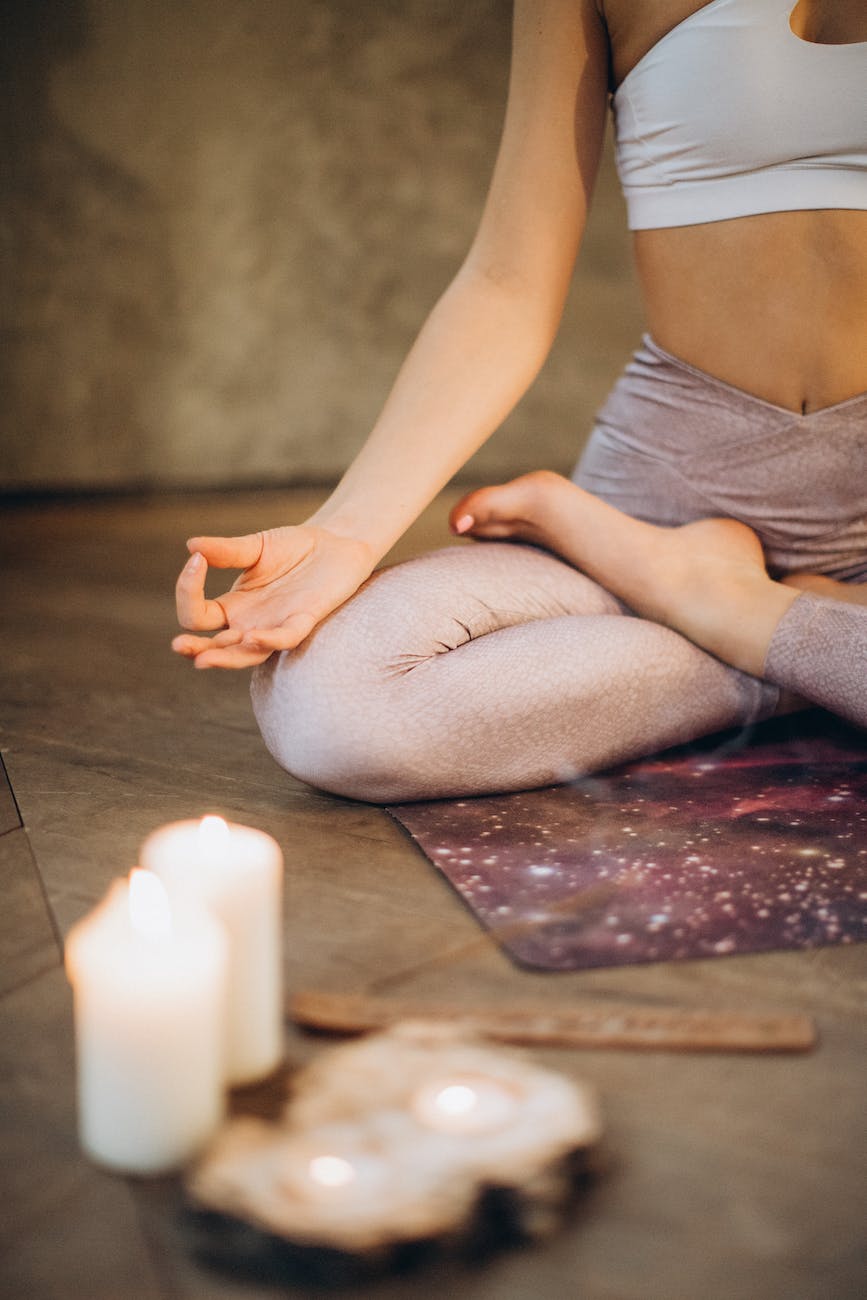
Starting Your Meditation Practice: Tips and Techniques
To incorporate meditation into your daily routine, it is important to start with a strong foundation. Making time for your practice is crucial, and consistency is key. Set aside a specific time each day when you can dedicate yourself to meditation without interruptions.
Finding a quiet and comfortable space is essential to create a conducive environment for meditation. Choose a spot where you can sit or lie down comfortably, ensuring that your body is relaxed and supported.
As you begin your practice, it may be helpful to start with shorter meditation sessions, gradually increasing the duration as you become more comfortable. Set a timer for yourself to maintain a structured practice and prevent distractions.
Focus your attention on your breath or a specific point of concentration, such as a mantra or visualization. This helps anchor your mind and bring it into the present moment.
If you find it challenging to sit still for extended periods, consider incorporating movement meditation into your practice. Activities like walking or yoga can bring mindfulness into motion and help cultivate self-compassion.
Remember, meditation is a personal journey, and there is no right or wrong way to do it. The goal is to find what works best for you and to approach your practice with patience and kindness.
Stay tuned for our next blog post, where we will explore different meditation techniques you can try to enhance your self-love and self-compassion journey.
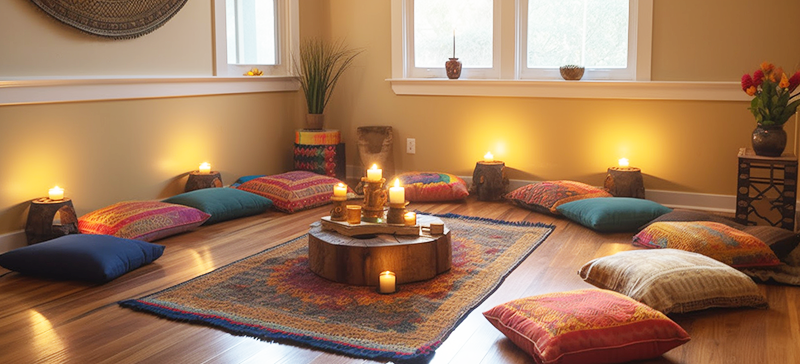
Creating a Sacred Space for Meditation and Self Reflection
Creating a sacred space for meditation and self-reflection is an important aspect of incorporating meditation into your daily routine. It is a space where you can escape the distractions and noise of everyday life and find solace within yourself.
When choosing a location for your sacred space, opt for an area that feels peaceful and inviting. It could be a corner of a room, a cozy nook, or even a spot in your backyard. The key is to create an environment that resonates with you and promotes a sense of calm.
Consider decorating your sacred space with items that hold personal significance or inspire tranquility. This could include candles, crystals, plants, or inspiring artwork. The idea is to surround yourself with objects that bring you joy and help you create a serene atmosphere.
Furthermore, it can be beneficial to incorporate elements that engage your senses. Soft lighting, soothing scents, and calming music can enhance the ambiance and deepen your meditation experience.
By dedicating a specific area solely for your meditation and self-reflection practice, you are nurturing your commitment to self-love and self-compassion. This sacred space becomes a sanctuary where you can fully immerse yourself in the present moment and reconnect with your inner self.
In our next blog post, we will explore different meditation techniques that can further enrich your journey towards self-love and self-compassion. Stay tuned!
The Benefits of Regular Meditation for Self Love and Self Compassion
Regular meditation practice offers numerous benefits when it comes to cultivating self-love and self-compassion. Taking the time to check in with yourself through meditation allows you to become more aware of your thoughts, emotions, and physical sensations. This heightened awareness fosters a deeper sense of self-understanding and acceptance.
Meditation also helps to quiet the inner critic and create space for self-compassion to flourish. By observing your thoughts without judgment during meditation, you can learn to approach yourself with kindness and understanding in your daily life.
Additionally, meditation encourages the development of a calm and non-reactive mind. This means that when faced with challenging situations or negative self-talk, you are better equipped to respond with self-compassion rather than self-criticism.
The regular practice of meditation also promotes a sense of inner peace and contentment. This peaceful state allows you to connect with your innermost desires and aspirations, helping you to uncover your true values and passions.
In our next blog post, we will delve into specific meditation techniques that can aid in the cultivation of self-love and self-compassion. Stay tuned to discover these valuable tools on your journey towards a more loving and compassionate relationship with yourself.
Incorporating Mindfulness into Your Daily Life for Lasting Results
Incorporating mindfulness into your daily life is a crucial step towards experiencing lasting results in cultivating self-love and self-compassion. While meditation provides a sacred space for self-reflection, mindfulness extends that awareness to every moment of your day.
Begin by bringing mindfulness to simple activities such as eating, walking, or even washing the dishes. Focus on each sensation and fully engage in the present moment, letting go of distractions and judgments.
As you integrate mindfulness into your routine, you’ll start noticing a profound shift in your perception and reaction to stressful situations. Instead of getting caught up in negative thoughts or self-doubt, you’ll become more attuned to your emotions and respond with kindness and understanding.
Remember, self-love and self-compassion cannot be fully achieved in one meditation session alone. It requires continuous practice and a commitment to being mindful in all aspects of your life. So, let’s explore practical techniques and tips to help you embody mindfulness and witness the transformative power it has to offer. Stay tuned for the next blog post!

Overcoming Challenges in Your Meditation Practice to Cultivate Self-Love
Welcome back! In our previous section, we discussed how incorporating mindfulness into your daily life is essential for cultivating self-love and self-compassion. Now, let’s delve deeper into overcoming challenges in your meditation practice to further enhance your journey toward self-love.
Meditation may seem effortless at first, but it does come with its fair share of obstacles. Distractions, restless thoughts, and a wandering mind can all hinder your progress. However, it’s important to remember that these challenges are normal, and with the right mindset, you can overcome them.
One effective way to tackle these obstacles is to establish a consistent meditation routine. Find a time and place where you can have uninterrupted practice, free from distractions. Start with short sessions and gradually increase the duration as your focus strengthens.
Furthermore, if you find your mind wandering during meditation, don’t get discouraged. Instead, gently bring your attention back to your breath or chosen point of focus. Remember, meditation is a process of training and redirecting your attention. With practice, you’ll develop the ability to anchor yourself in the present moment despite external or internal distractions.
In our next blog post, we’ll explore additional strategies to help you overcome challenges in your meditation practice and deepen your self-love and self-compassion. Stay tuned for valuable tips and insights to support your journey toward inner healing and growth.
The Power of Self-Reflection and Journaling in Conjunction with Meditation
Welcome back to our blog series on meditation and self-love! In our previous section, we discussed how to overcome challenges in your meditation practice. Now, let’s explore the power of self-reflection and journaling in conjunction with meditation.
Self-reflection is the practice of looking inward and examining our thoughts, emotions, and actions. It allows us to gain insight into ourselves, our experiences, and our patterns. When combined with meditation, self-reflection deepens our understanding of self-love and self-compassion.
One way to incorporate self-reflection into your meditation practice is through journaling. After each meditation session, take a few minutes to write down your thoughts, emotions, and any insights that arose. This process not only helps you to process and release any emotions or thoughts that may have surfaced during your meditation, but it also provides an opportunity for self-discovery and self-compassion.
In your journal, you can also explore self-reflective prompts such as “What does self-love mean to me?”, “How can I be more compassionate towards myself?”, or “What are some limiting beliefs I need to release?”. By engaging in this practice, you create space for growth, healing, and nurturing your relationship with yourself.
In our next blog post, we will delve deeper into the practice of self-reflection and journaling, offering more guidance and tips to enhance your self-love and self-compassion journey. Stay tuned for an exploration of this powerful combination that will empower you to cultivate a deeper connection with yourself.

Welcome back to our blog series on meditation and self-love. In the previous section, we explored the power of self-reflection and journaling in conjunction with meditation. Now, let’s conclude our discussion by delving deeper into how meditation can ultimately lead us to embrace unconditional self-love and self-compassion.
Through consistent meditation practice, we develop the skill of observing our thoughts and emotions without judgment. This ability allows us to cultivate a sense of compassion towards ourselves, acknowledging that we are human and that it is natural to experience challenges and setbacks. By embracing self-compassion, we learn to treat ourselves with kindness and understanding, just as we would a dear friend.
Meditation also helps us to uncover our true selves, letting go of societal expectations and embracing our authentic selves. As we explore our thoughts, emotions, and experiences through meditation, we gain a deeper understanding of who we are and what truly matters to us. This self-discovery leads to a greater sense of self-acceptance and self-love.
Ultimately, by incorporating meditation into our lives, we open ourselves up to a profound journey of self-love and self-compassion. Along the way, we may stumble and face challenges, but through the practice of meditation, we learn to embrace these obstacles with a sense of grace and compassion. So, let’s continue on this path, nurturing our relationship with ourselves and cultivating unconditional self-love and self-compassion.
 The Harmonious Sound Journey